Women's Healthcare Guided by an Experienced OB/GYN Specialist in Seoul
en-US
5 Natural Birth Control Methods & How Effective They Really Are
Explore 5 natural birth control methods, their effectiveness, pros & cons. Discover safer, hormone-free options. Learn more to choose what’s right for you!

Introduction
In recent years, natural birth control methods have seen a dramatic rise in popularity. With growing awareness about hormonal side effects and a desire for body autonomy, many women are choosing to explore non-hormonal alternatives. This movement isn’t just a passing trend—it reflects a larger shift toward holistic health and self-awareness.

Natural contraceptive methods, often grouped under the umbrella of Fertility Awareness Methods (FAM), offer women a hormone-free way to understand and manage their fertility. These approaches are not only eco-conscious and cost-effective but also empower individuals with a deeper understanding of their reproductive health.
Whether you're seeking to avoid synthetic hormones, planning to conceive later, or simply interested in understanding your cycle better, natural birth control may be worth considering. Clinics around the world, including the renowned Second Spring Women’s Clinic in Seoul, are offering education and resources to help women navigate this journey confidently.
At Second Spring Women’s Clinic, Dr. Seon-Hwa Jeong and her expert team provide personalized consultations, guiding patients through safe and scientifically supported fertility awareness methods. For many, it's the first step toward natural birth regulation with clarity and confidence.
Understanding Natural Birth Control Methods
Natural birth control methods involve tracking and responding to the body’s natural fertility signals—without the use of hormones, devices, or medications. These methods, also known as Fertility Awareness Methods (FAMs) or Natural Family Planning (NFP), are based on the identification of fertile and infertile phases of a woman’s menstrual cycle.
Unlike hormonal contraceptives, which work by altering your body’s natural rhythm, natural methods help you learn and work with your cycle. You monitor physical signs such as body temperature, cervical mucus, and menstrual dates to determine your fertility window. Then, depending on your goals, you can either abstain from intercourse or use additional precautions during that time.
It’s important to distinguish between the different types of natural methods—some rely on one sign, while others combine multiple indicators for higher accuracy. Techniques like the Symptothermal Method, the Calendar Rhythm Method, and cervical mucus monitoring all fall under this umbrella.
Despite common misconceptions, when used correctly, some natural birth control methods can be surprisingly effective. However, they require commitment, daily tracking, and proper education—making professional support from places like Second Spring Women’s Clinic a key factor in success.
Method 1: Fertility Awareness Method (FAM)
The Fertility Awareness Method (FAM) is one of the most widely used natural birth control strategies. It involves tracking multiple fertility signals—usually basal body temperature, cervical mucus, and menstrual cycle dates—to predict ovulation. When practiced correctly and consistently, FAM can be up to 98% effective, though the typical use rate falls closer to 76% due to user error.
To begin, women record the first day of their period and continue tracking physical changes throughout the month. Specialized apps or paper charts are often used to map patterns and determine fertile days. The key is identifying the fertile window—typically a 5–7 day span around ovulation—during which pregnancy is most likely.
FAM appeals to many because it’s non-invasive, hormone-free, and educational. Users often report a greater connection with their bodies and cycles. However, success depends heavily on commitment and accurate tracking, which is why partnering with a knowledgeable provider—like the team at Second Spring Women’s Clinic—is strongly recommended for first-time users.
This method is also flexible; couples can use it to avoid pregnancy or to conceive, depending on their family planning goals. With personalized guidance and structured education, FAM becomes a powerful, natural option for birth regulation.
Method 2: Basal Body Temperature (BBT) Method
The Basal Body Temperature (BBT) Method is a specific type of fertility awareness that focuses solely on tracking body temperature. Your BBT is your lowest resting body temperature and typically rises slightly (about 0.3 to 0.6°C or 0.5 to 1°F) after ovulation due to hormonal changes. By recording your BBT daily upon waking—before any activity—you can identify this temperature shift and estimate when ovulation has occurred.
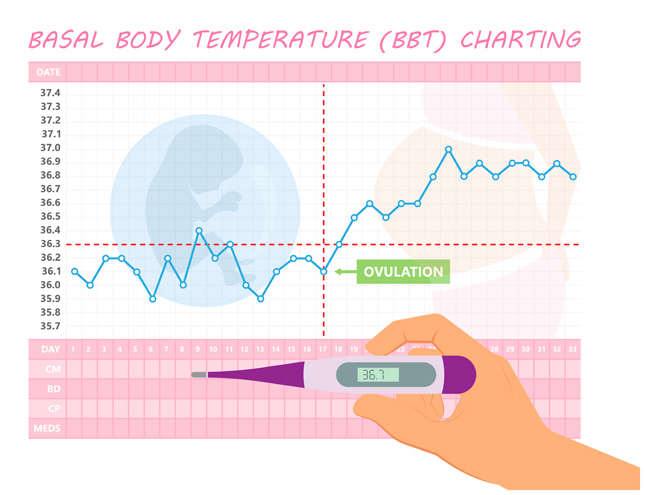
Over time, consistent tracking can help you predict future fertile windows. To improve accuracy, many women use digital BBT thermometers or wearable devices that sync with fertility tracking apps. The method is simple in theory but requires discipline and consistency for effective use.
While BBT is a helpful indicator of ovulation, it doesn’t predict it—it confirms that ovulation has occurred. This means it works best when used in combination with other signs (like cervical mucus changes) or methods. On its own, BBT is around 77% effective with typical use and up to 99% effective with perfect use.
At Second Spring Women’s Clinic, practitioners educate patients on proper BBT tracking techniques and how to interpret the data accurately. For women looking for a hormone-free and science-backed approach, the BBT method offers a window into the subtle rhythms of the body—helping users make informed reproductive choices naturally.
Method 3: Cervical Mucus Monitoring (Billings Ovulation Method)
Cervical mucus monitoring is a natural method where women observe the consistency and appearance of vaginal discharge throughout their cycle. Cervical mucus changes in texture and volume around ovulation—becoming clear, stretchy, and slippery, similar to egg whites, indicating high fertility.
By checking mucus daily before or after using the bathroom, users can identify their fertile window. This method is often referred to as the Billings Ovulation Method and can be used alone or combined with other indicators like BBT for better accuracy.
When practiced correctly, it can be up to 97% effective. However, typical use lowers its reliability to around 77%, often due to misinterpretation or inconsistent tracking. Factors like infection, medications, or sexual activity can also affect mucus quality.
At Second Spring Women’s Clinic, patients are guided through proper mucus evaluation with support from skilled practitioners, helping ensure the method is used correctly and confidently.
Method 4: Calendar Rhythm Method
The Calendar Rhythm Method relies on tracking past menstrual cycles to predict future fertile days. By recording cycle lengths over 6–12 months, women can estimate when ovulation usually occurs and avoid intercourse during that window.
It’s one of the oldest forms of natural contraception but also one of the least reliable—especially for women with irregular cycles. With perfect use, it can be about 91% effective, but typical use drops the rate closer to 75%.
This method is easy to understand and doesn’t require physical observations, making it attractive to some. However, it's often recommended only for women with very regular cycles and good record-keeping habits.
Clinics like Second Spring Women’s Clinic often pair this method with others like cervical mucus tracking for higher accuracy and personalized support.
Method 5: Withdrawal Method (Coitus Interruptus)
The withdrawal method, or pulling out, involves the male partner withdrawing before ejaculation to avoid sperm entering the vagina. It’s one of the most commonly used natural methods but also one of the riskiest.
While it may seem simple, this method has a high margin for error due to the presence of sperm in pre-ejaculate fluid and the difficulty in timing withdrawal perfectly. Typical use effectiveness is around 78%, while perfect use can reach up to 96%.
This method offers no cost or preparation, which makes it accessible. However, it's not a good standalone method for those seeking reliable pregnancy prevention.
Practitioners at Second Spring Women’s Clinic often caution patients to use withdrawal alongside more structured natural methods for added protection.
Special Case: Lactational Amenorrhea Method (LAM)
The Lactational Amenorrhea Method (LAM) is a temporary but effective birth control option for new mothers who are exclusively breastfeeding. When used correctly during the first six months postpartum, LAM can be up to 98% effective.
LAM works because breastfeeding suppresses the hormones responsible for ovulation. For it to be effective, the baby must be under six months old, breastfeeding must be exclusive (no formula or solids), and menstruation must not have resumed.
As soon as any of these conditions change, the effectiveness drops quickly, and another birth control method should be used.
At Second Spring Women’s Clinic, postpartum patients receive guidance on using LAM safely and when to transition to another method to maintain family planning goals.
Comparing the Effectiveness of Natural Birth Control Methods
When it comes to effectiveness, not all natural birth control methods are created equal. Methods like Fertility Awareness and Basal Body Temperature tracking—when used perfectly—can reach up to 98–99% effectiveness. In contrast, withdrawal and rhythm methods tend to have lower success rates due to higher chances of user error.
Here's a simple breakdown:
Fertility Awareness Method (FAM): 76–98% effective
BBT Method: 77–99% effective
Cervical Mucus Monitoring: 77–97% effective
Calendar Method: 75–91% effective
Withdrawal Method: 78–96% effective
LAM: 98% effective (within first 6 months postpartum)
It’s important to understand that “perfect use” means following the method precisely every day, while “typical use” includes occasional mistakes. Combining multiple methods increases success.
At Second Spring Women’s Clinic, patients receive personalized guidance to reduce these risks and learn to combine methods effectively, resulting in much higher protection against unintended pregnancy.
Who Are Natural Methods Best Suited For?
Natural birth control methods are best suited for individuals or couples who are highly motivated, disciplined, and willing to track daily signs. These methods can work well for people who want to avoid hormones, follow religious guidelines, or better understand their fertility.

However, they may not be suitable for everyone. Women with irregular cycles, adolescents, or those unable to commit to daily tracking may find these methods too risky. Additionally, couples who are not open to periods of abstinence or backup protection might struggle with the structure required.
The key to success is consistency and education. Clinics like Second Spring Women’s Clinic offer expert consultations that help patients determine if natural methods align with their lifestyle, cycle patterns, and health goals.
This personalized approach makes a significant difference in success rates and overall satisfaction.
Natural Methods & Modern Technology
Technology has revolutionized natural birth control. Today, there are mobile apps, wearable sensors, and digital thermometers that make tracking fertility signs much easier and more accurate than in the past.
Apps like Natural Cycles, Kindara, and Clue use advanced algorithms to predict ovulation windows based on user-inputted data. Some even integrate with BBT thermometers or wearable devices that automatically record sleep and temperature data.
These tools enhance convenience, but users should remember: not all apps are medically certified. Relying solely on an app without understanding the underlying biology can lead to unintended pregnancies.
That’s why Second Spring Women’s Clinic combines tech education with personalized medical support—helping patients interpret their data accurately and avoid common tech-related pitfalls.
Risks and Limitations of Natural Birth Control
While natural methods offer many benefits, they come with limitations that must be acknowledged. The biggest risk is user error—missing a day of tracking, misinterpreting symptoms, or not abstaining during fertile windows can all lead to unplanned pregnancy.
These methods also provide no protection against sexually transmitted infections (STIs), making them unsuitable as a sole strategy for those with multiple partners. Some users may also experience anxiety or stress over the responsibility and potential consequences of a mistake.
Additionally, lifestyle factors—like irregular sleep, travel, illness, or stress—can interfere with signs like BBT and mucus quality, reducing reliability.
At Second Spring Women’s Clinic, practitioners take these concerns seriously and provide a balanced view. Patients are educated about when and how to use backup methods and receive ongoing support to minimize risk and improve confidence.
Benefits of Natural Contraception
Despite their challenges, natural birth control methods come with significant advantages. The most obvious is that they’re completely hormone-free—ideal for women sensitive to synthetic hormones or who prefer to avoid long-term pharmaceutical use. There are no chemicals, prescriptions, or medical procedures required.
Natural methods are also cost-effective, environmentally friendly, and educational. Many users report that learning to track their cycles increases their body awareness, improves menstrual health understanding, and deepens partner communication. In fact, couples using FAM often feel more connected because of the shared responsibility and mutual decision-making.
For those seeking a more holistic approach to reproductive health, these methods fit well into wellness lifestyles. At Second Spring Women’s Clinic, patients are encouraged to explore natural options in a medically sound and supportive environment—combining ancient wisdom with modern care.
These benefits make natural contraception more than just a method; it becomes a journey toward understanding and empowering your reproductive health.
How Second Spring Women’s Clinic Supports Natural Birth Control
Located in the heart of Seoul’s Gangnam district, Second Spring Women’s Clinic is a premier destination for women seeking personalized, non-hormonal birth control solutions. The clinic offers comprehensive education on all natural contraceptive methods, helping women choose what works best for their unique cycle and lifestyle.
Dr. Seon-Hwa Jeong and her experienced team provide step-by-step guidance in using the Basal Body Temperature method, Cervical Mucus monitoring, and Fertility Awareness Methods. Patients receive detailed instructions, charts, and app recommendations—all within a warm, judgment-free environment.
Second Spring Women’s Clinic is especially known for its modern, high-tech support tools. From wearable temp-tracking devices to digital cycle analysis, patients are empowered to manage their fertility confidently and safely.
Whether you’re just beginning to explore natural methods or transitioning from hormonal birth control, the clinic’s commitment to evidence-based care ensures you’re in expert hands every step of the way.
Is Natural Birth Control Right for You?
Choosing a birth control method is deeply personal. For many women, natural methods offer a hormone-free, empowering path to fertility management. But they do require education, daily attention, and honest self-assessment.
If you value non-invasive approaches, are open to learning about your cycle, and have a supportive partner or environment, natural birth control may be an excellent choice. Just be sure to seek proper guidance and training—success depends heavily on how well you apply each method.
At Second Spring Women’s Clinic, women are supported every step of the way. Whether it’s learning to track your cervical mucus or syncing your body with a tech-enabled BBT thermometer, the clinic offers the care, clarity, and confidence needed to navigate this journey successfully.
Ultimately, natural birth control isn’t just about preventing pregnancy—it’s about reclaiming knowledge of your body and making decisions that align with your health, values, and lifestyle.
Conclusion
Natural birth control methods are gaining well-deserved recognition as effective, hormone-free alternatives for women seeking a deeper connection with their bodies. From temperature tracking to mucus monitoring, each method offers its own advantages—and challenges—but all share one key principle: empowering women through knowledge.
While no method is entirely foolproof, many natural techniques can be highly effective when used correctly and consistently. They are ideal for those who value holistic health, are sensitive to synthetic hormones, or want to avoid invasive procedures.
Choosing the right method depends on your lifestyle, health needs, and willingness to stay consistent. That’s why expert guidance is essential—and Second Spring Women’s Clinic stands out as a trusted leader in this space. With a compassionate approach, up-to-date resources, and individualized care, the clinic helps women make confident, informed decisions about their reproductive health.
In a world full of options, natural birth control isn’t just a choice—it’s a lifestyle of awareness, empowerment, and well-being.