Women's Healthcare Guided by an Experienced OB/GYN Specialist in Seoul
en-US
5 Signs You Should See a Gynecologist ASAP
Discover the 5 critical signs that indicate it's time to see a gynecologist. Stay informed for your health and well-being.
Introduction
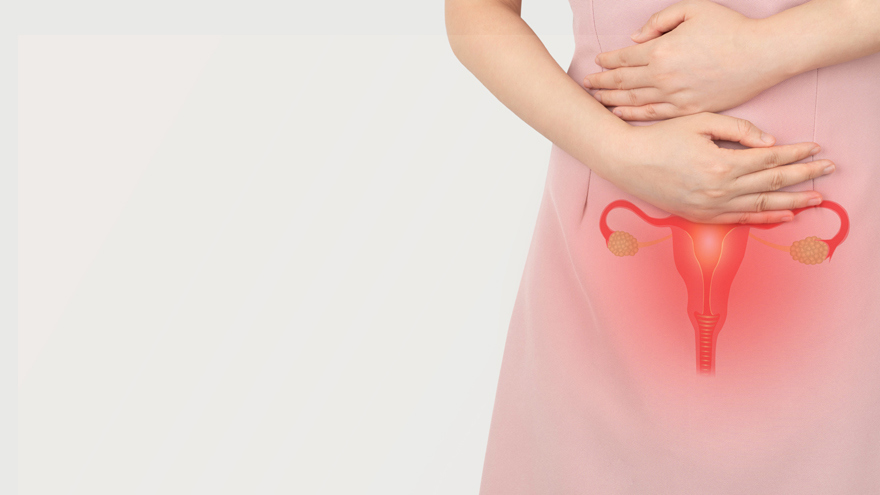
Taking care of your reproductive health is essential to your overall well-being. Regular visits to a gynecologist help ensure that any potential issues are caught early, preventing future complications. However, there are certain signs and symptoms that shouldn’t be ignored and require immediate attention from a medical professional. Whether you're dealing with unusual changes in your body or experiencing discomfort that won’t go away, it's important to recognize when it's time to seek expert care. In this article, we’ll highlight five key signs that indicate you should see a gynecologist as soon as possible.
Abnormal Vaginal Bleeding
Vaginal bleeding that is outside the normal range can be alarming and may signal an underlying issue. While some variations in your menstrual cycle are typical, there are certain instances where bleeding becomes abnormal and requires immediate medical attention.

What is considered abnormal?
Heavy Bleeding: If you find that you're soaking through pads or tampons every hour for several hours, it could indicate a problem. Heavy periods that last longer than seven days are also a cause for concern.
Spotting Between Periods: If you're experiencing bleeding in between periods, it could be a sign of hormonal imbalances, fibroids, or other gynecological conditions.
Post-Menopausal Bleeding: Any vaginal bleeding after menopause is considered abnormal and requires urgent medical attention.
Potential causes:
Uterine fibroids or polyps: These benign growths in the uterus can cause heavy or irregular bleeding.
Hormonal imbalances: Conditions like polycystic ovary syndrome (PCOS) can affect your menstrual cycle and cause irregular bleeding.
Endometriosis or cancer: In more serious cases, abnormal bleeding can be a sign of endometriosis or even uterine or cervical cancer.
When to act:
If you’re experiencing heavy bleeding, spotting between cycles, or any post-menopausal bleeding, you should schedule an appointment with your gynecologist right away. The sooner these issues are addressed, the easier they are to treat.
Severe Pelvic or Abdominal Pain
While mild cramps or occasional discomfort can be a normal part of your menstrual cycle, sudden or persistent pelvic or abdominal pain is a red flag. It’s important to listen to your body—if the pain is severe, worsening, or doesn't go away, it’s time to see your gynecologist.
What qualifies as severe pain?
Pain that’s sudden, intense, or unbearable.
Pain that doesn’t subside after taking over-the-counter pain relief.
Pain that prevents you from engaging in daily activities.
Possible causes:
Ovarian cysts: These fluid-filled sacs can cause sudden, sharp pain when they rupture.
Ectopic pregnancy: A pregnancy that occurs outside the uterus can lead to severe pain and requires immediate medical intervention.
Pelvic inflammatory disease (PID): An infection in the reproductive organs that can cause pain and may lead to infertility if not treated early.
Endometriosis or uterine fibroids: Conditions like these can cause chronic pelvic pain, often worsened by menstruation.
Why you should seek care:
Severe or persistent pelvic pain could indicate a serious underlying condition that requires treatment. The sooner you get evaluated, the sooner you can find relief and avoid long-term complications.
Unusual Vaginal Discharge
Vaginal discharge is a normal part of a woman’s reproductive system, but when it changes in color, consistency, or smell, it could signal an infection or other health concern. Understanding what’s normal for your body and what isn’t is essential.
When is discharge a concern?
Changes in Color: If the discharge becomes yellow, green, or gray, it could be a sign of an infection.
Foul Odor: A strong, unpleasant smell, especially when accompanied by itching or discomfort, should not be ignored.
Increased Volume: If you notice a sudden increase in discharge that doesn't seem related to your menstrual cycle, it may require a checkup.
Underlying causes:
Vaginal infections: Conditions like bacterial vaginosis or yeast infections often lead to changes in discharge.
Sexually transmitted infections (STIs): STIs such as gonorrhea or chlamydia can cause abnormal discharge.
Pelvic infections: Infections in the uterus, cervix, or fallopian tubes can also cause unusual discharge.
How a gynecologist can help:
If you notice changes in your discharge, a gynecologist will conduct tests to determine the underlying cause, whether it’s a yeast infection, bacterial infection, or an STI. With the right treatment, most infections can be cleared up quickly, preventing more serious health problems.
Irregular or Painful Periods
Irregular or excessively painful periods are common gynecological complaints, but they shouldn’t be ignored. While some degree of discomfort is normal, there are clear signs that your menstrual cycle might be pointing to a deeper issue.

Signs of concern:
Irregular cycles: If your periods are suddenly much longer or shorter than usual, or if your cycle is inconsistent, it’s time to seek professional advice.
Painful periods: While cramps are common, pain that interferes with your daily activities, or that seems excessive, may be a sign of an underlying condition.
Possible health implications:
Polycystic ovary syndrome (PCOS): A hormonal disorder that causes irregular periods, weight gain, and excess hair growth.
Endometriosis: A condition in which tissue similar to the lining of the uterus grows outside the uterus, causing severe pain.
Uterine fibroids: Non-cancerous tumors in the uterus that can lead to heavy bleeding and pain.
Thyroid disorders: An overactive or underactive thyroid can cause changes in your menstrual cycle.
Why it’s crucial to visit a gynecologist:
Your gynecologist can help pinpoint the cause of irregular or painful periods, offer appropriate treatments, and help manage symptoms. Left untreated, conditions like endometriosis and fibroids can lead to fertility issues or more severe health concerns.
These four signs are just a few of the red flags that should prompt a visit to your gynecologist. If you notice any of these symptoms, don't hesitate to reach out for professional advice and care. Early detection is key to preventing further health complications, and a gynecologist can provide you with the right tools and treatments to get you back on track.
Difficulty Getting Pregnant
For many women, trying to conceive is an exciting journey. However, when conception doesn’t happen as expected, it can be frustrating and stressful. If you’ve been trying to get pregnant for over a year without success (or six months if you’re over 35), it may be time to consult a gynecologist. Infertility is more common than many realize and can be influenced by a variety of factors.
Fertility concerns:
If you've been trying to conceive without success for a year (or six months for women over 35), it’s advisable to seek help. Infertility affects both men and women, and it can be a combination of factors that prevent pregnancy.
Women with irregular periods, a history of miscarriage, or known reproductive health issues may have a higher risk of facing fertility problems.
Conditions that impact fertility:
Ovulation disorders: Conditions like PCOS (polycystic ovary syndrome) can prevent regular ovulation, making conception more difficult.
Blocked fallopian tubes: Fallopian tubes can become blocked due to infections or pelvic inflammatory disease, which prevents the egg from reaching the uterus.
Male infertility: It’s also essential to evaluate male fertility factors when experiencing difficulty conceiving.
Endometriosis or fibroids: These conditions can interfere with a woman’s ability to carry a pregnancy to term.
How a gynecologist can assist:
Your gynecologist can run several tests to evaluate your fertility, including blood tests to check hormone levels, ultrasound exams to assess your ovaries and uterus, and a semen analysis to evaluate male fertility. They can also refer you to a fertility specialist if necessary or recommend lifestyle changes, medication, or assisted reproductive technologies like IVF.
Unexplained Weight Gain
Unexplained weight gain is a common concern that many women experience at various stages of life. While it’s natural for weight to fluctuate over time, if you notice sudden or unexplained weight gain, particularly around the abdomen, it could signal a gynecological or hormonal issue that needs to be addressed.
When weight gain is a concern:
Rapid, unexplained weight gain: If you are gaining weight despite maintaining the same diet and exercise habits, this is a red flag.
Increased abdominal fat: Significant weight gain around the midsection, especially if accompanied by bloating, could be a sign of hormonal imbalances.
Possible causes:
Polycystic ovary syndrome (PCOS): This common hormonal disorder can lead to weight gain, especially around the belly, and may also cause infertility and irregular periods.
Thyroid disorders: An underactive thyroid (hypothyroidism) can cause fatigue, weight gain, and other metabolic issues.
Menopause or perimenopause: Hormonal shifts during these life stages can lead to weight gain, especially around the abdomen.
Why it’s important to consult a gynecologist:
If you’re experiencing unexplained weight gain, a gynecologist can help determine whether it’s linked to an underlying hormonal imbalance, reproductive health condition, or other gynecological issues. With proper diagnosis, your gynecologist can help you manage the condition, improve your quality of life, and even prevent further complications.
Urinary Issues (Frequent Urination or Painful Urination)
Frequent urination, painful urination, or an inability to control urination (incontinence) can be signs of a gynecological issue. These symptoms are often linked to conditions that affect the urinary system, but they can also be indicators of underlying reproductive health concerns.
When to be concerned:
Frequent urination: If you find yourself needing to urinate much more often than usual, even when you haven’t consumed large amounts of liquid, this could indicate a problem.
Painful urination: A burning sensation or discomfort during urination is abnormal and should be addressed immediately.
Incontinence: The loss of bladder control, whether due to coughing, sneezing, or physical activity, is not a normal part of aging and may need to be evaluated.
Possible causes:
Urinary tract infections (UTIs): These infections are common, especially in women, and can lead to frequent and painful urination.
Pelvic floor disorders: Weakness or dysfunction in the pelvic floor muscles can cause incontinence.
Prolapsed bladder (cystocele): This occurs when the bladder drops into the vagina, leading to urinary symptoms.
Endometriosis or fibroids: Both of these conditions can cause pressure on the bladder, resulting in increased urinary frequency or pain during urination.
How a gynecologist can help:
A gynecologist will perform a pelvic exam and may order urine tests, ultrasounds, or other diagnostic tests to identify the cause of your symptoms. If a urinary issue is linked to a reproductive health concern, your gynecologist will recommend appropriate treatments, which may include pelvic floor therapy, medications, or surgery.
Painful Intercourse
Pain during sex is never something women should just "deal with" or accept as normal. While some discomfort during intercourse can happen from time to time, persistent or severe pain is a symptom that warrants attention.

What qualifies as painful intercourse?
Any pain that occurs consistently during or after intercourse.
Pain that is sharp, burning, or throbbing in nature.
Discomfort that interferes with your ability to enjoy intimacy or affects your relationships.
Potential causes:
Vaginal dryness: This can occur due to hormonal changes, especially during perimenopause or menopause.
Endometriosis: The presence of endometrial tissue outside the uterus can cause deep pelvic pain, especially during intercourse.
Pelvic inflammatory disease (PID): An infection of the reproductive organs that can cause pain during sex.
Vaginismus: A condition where the vaginal muscles involuntarily tighten, making intercourse painful or impossible.
Why it's essential to see a gynecologist:
Persistent pain during intercourse can affect your emotional well-being, relationships, and quality of life. A gynecologist can help identify the cause of the pain and offer treatments that can significantly improve your comfort and overall sexual health.
These symptoms should never be dismissed, and seeking medical advice from a gynecologist is crucial. Addressing issues early with the help of an experienced professional can lead to better outcomes and improved quality of life. If you experience any of the signs listed above, it’s time to prioritize your health and consult a gynecologist. Second Spring Women’s Clinic in Seoul, South Korea, offers expert gynecological care, including cutting-edge treatments and compassionate services designed to meet your needs. Book an appointment today for personalized care and support.
Sudden Changes in Breast Health
Breast changes can be concerning, especially when they happen suddenly or without explanation. While many breast changes are benign, such as the natural fluctuations during your menstrual cycle, there are certain symptoms that should never be ignored and may require a visit to your gynecologist.
Signs of concern:
Lumps or thickening in the breast or underarm: A new lump or thickening can be a sign of a benign condition like a cyst, or something more serious like breast cancer.
Changes in the skin of the breast: If you notice dimpling, redness, or any other changes in the texture of your skin, it could indicate an issue that needs attention.
Unexplained pain or tenderness: Persistent pain, especially if it occurs in only one breast or is not related to your menstrual cycle, may require evaluation.
Nipple discharge: Any discharge, especially if it’s bloody or comes from only one nipple, should be examined by your gynecologist.
Why to seek medical help:
Although most breast changes are not cancerous, it’s important to get them checked by a healthcare professional. A gynecologist can perform a clinical breast exam and refer you for mammograms or ultrasounds if necessary to rule out any serious conditions.
Persistent Fatigue
Feeling tired from time to time is normal, especially after a long day or stressful period. However, when fatigue becomes persistent and affects your daily life, it may be a sign of an underlying gynecological or health condition that needs attention.
When fatigue is a red flag:
If you’re feeling consistently tired despite getting enough sleep and resting.
When your energy levels are significantly lower than usual, and it impacts your ability to function.
Potential causes:
Anemia: Heavy periods or certain gynecological conditions can lead to a decrease in red blood cells, leaving you feeling fatigued.
Thyroid disorders: Both an underactive and overactive thyroid can cause persistent tiredness.
Hormonal imbalances: Conditions like PCOS or menopause can cause fatigue due to fluctuating hormone levels.
Chronic conditions: Endometriosis or fibroids can contribute to fatigue due to chronic pain or other symptoms.
Why you should consult a gynecologist:
If fatigue is affecting your daily life, your gynecologist will perform tests to determine if it’s due to hormonal imbalances, anemia, or another underlying health issue. Addressing the root cause can help you feel more energized and improve your quality of life.
Unexplained Hair Loss
Hair loss can be distressing, particularly for women. While some degree of hair thinning is normal as you age, sudden or unexplained hair loss is a symptom that should not be ignored. If you’re noticing excessive shedding or bald spots, it’s time to consult with a gynecologist.
Signs that indicate you should seek medical help:
Rapid hair loss: If you're losing more hair than usual over a short period of time.
Bald spots: If you notice patches of hair loss on your scalp or other areas.
Thinning hair: If your hair has noticeably thinned or become brittle and weak.
Possible causes:
Hormonal imbalances: Conditions like PCOS, menopause, and thyroid disorders can all cause hair thinning or loss.
Nutritional deficiencies: Deficiencies in iron, zinc, or other nutrients can lead to hair shedding.
Stress or anxiety: Emotional stress can sometimes lead to a condition called telogen effluvium, which causes temporary hair loss.
How a gynecologist can help:
A gynecologist can help determine if the hair loss is related to a gynecological condition, hormonal imbalance, or another factor. They may refer you to an endocrinologist or recommend treatments to restore healthy hair growth.
Persistent Digestive Issues (Constipation, Bloating, or Diarrhea)
Digestive problems like constipation, bloating, or diarrhea can have many causes, but when they persist and don’t improve with over-the-counter remedies, they could be linked to gynecological conditions.
When digestive issues should raise concern:
Chronic bloating or constipation: Especially if it’s severe or occurs along with other symptoms like abdominal pain or weight loss.
Diarrhea: If you experience persistent diarrhea that lasts more than a few days, it could indicate an underlying reproductive health issue.
Pelvic pain associated with digestion: When digestive issues are accompanied by pelvic pain or discomfort, it’s a strong signal to see a gynecologist.
Potential causes:
Endometriosis: This condition can cause bloating, constipation, and other digestive issues, particularly if the endometrial tissue affects the intestines.
Fibroids: Uterine fibroids can sometimes press on the intestines, leading to constipation or bloating.
Irritable bowel syndrome (IBS): Although IBS is not exclusively a gynecological condition, it can be influenced by hormonal fluctuations during the menstrual cycle.
Why it’s important to see a gynecologist:
Digestive symptoms that are persistent and unexplained need to be evaluated by a gynecologist. By identifying the cause of your digestive issues, your doctor can offer treatment plans to manage your symptoms effectively.
Conclusion
Your gynecological health plays a critical role in your overall well-being. While it’s natural for some changes in your body to occur over time, paying attention to unusual or persistent symptoms is essential for maintaining your health. If you notice any of the signs mentioned above, don’t hesitate to reach out to a trusted gynecologist for a thorough evaluation.
At Second Spring Women’s Clinic, we offer compassionate care and advanced treatments to help women of all ages achieve optimal health. Whether you're dealing with abnormal bleeding, pain, infertility, or any of the other concerns listed, our experienced team of medical professionals is here to guide you through the process and ensure you receive the best possible care.
Prioritizing your health today can lead to a healthier, happier future. Don’t ignore the signs—schedule an appointment at Second Spring Women’s Clinic today and take the first step toward better health.