Women's Healthcare Guided by an Experienced OB/GYN Specialist in Seoul
en-US
Annual Gynecologic Checkups: What’s Included and Why It Matters
Discover what’s included in annual gynecologic checkups and why they’re vital for women’s health. Stay proactive and informed—book your exam today!

Annual Gynecologic Checkups: What’s Included and Why It Matters

At Second Spring Women’s Clinic, we believe that proactive women’s health care begins with one essential habit: the annual gynecologic checkup. This foundational appointment is not just a routine obligation—it’s a key component of lifelong wellness. Whether you are in your 20s and exploring birth control options, in your 30s planning for a family, or entering menopause in your 40s or 50s, regular visits to your gynecologist ensure you stay informed, protected, and supported at every stage of your reproductive life.
While it’s common for women to visit the gynecologist when a problem arises, an annual checkup is about more than just troubleshooting. It’s about prevention, education, and building a trusting relationship with your provider. At Second Spring Women’s Clinic, located in Gangnam, Seoul, we offer a thorough and compassionate approach to women’s wellness, blending medical excellence with comfort and respect.
This article outlines what’s typically included in an annual gynecologic exam, why it’s essential even when you feel healthy, and how we tailor our care to support your unique health journey.
Why Annual Checkups Matter: More Than a Routine?
An annual gynecologic checkup is your opportunity to take a proactive role in your health. Unlike general health checkups, a gynecologic visit focuses on your reproductive organs, hormones, sexual health, and related systems. Many conditions—such as cervical cancer, endometriosis, PCOS, or hormonal imbalances—may not show obvious symptoms in early stages. Regular exams help detect these conditions early when they are easier to treat.
The benefits of annual checkups include:
Preventive care: Detect infections, cysts, fibroids, or cancer in early stages
Hormonal health: Identify imbalances causing irregular cycles, mood shifts, or fertility issues
Contraceptive counseling: Explore or update birth control options based on your lifestyle
Fertility and family planning: Understand your reproductive window and ovarian reserve
Menopause management: Track changes, get support for hot flashes, mood swings, or bone health
At Second Spring, our philosophy is rooted in personalized care. We go beyond checklists to understand your health history, lifestyle, and goals—so your visit is tailored, not templated.
What to Expect During an Annual Gynecologic Checkup?
Each woman’s visit may vary slightly depending on her age, symptoms, and reproductive stage, but a comprehensive checkup usually includes the following components:
1. Detailed Health and Menstrual History
We begin every visit with a conversation. Your gynecologist will ask about:
Menstrual cycle patterns: length, flow, pain, PMS symptoms
Sexual health: libido, discomfort, protection methods, any STIs
Medical and surgical history
Medications, supplements, and lifestyle factors (diet, stress, sleep)
Reproductive goals: Are you trying to conceive, prevent pregnancy, or considering fertility preservation?
This dialogue forms the basis for individualized recommendations.
2. Physical and Pelvic Examination
This exam includes both general and reproductive assessments:
Vital signs: Blood pressure, heart rate, weight, BMI
Breast exam: Palpation to check for lumps, skin changes, or nipple discharge
Pelvic exam: Examination of the vulva, vagina, cervix, uterus, and ovaries
Speculum exam to visually inspect the cervix
Bimanual exam to feel the size and position of reproductive organs
We understand this part of the exam can feel vulnerable. At Second Spring, we prioritize your comfort with warm explanations, gentle technique, and the option to pause or skip any part that causes anxiety.
3. Pap Smear and HPV Testing
For women aged 21 to 65, a Pap smear is essential for cervical cancer screening. It involves collecting cells from the cervix to check for abnormalities.
In many cases, Pap testing is combined with HPV testing, especially for women over 30. High-risk HPV strains are the main cause of cervical cancer.
Pap test frequency: Every 3 years (ages 21–29), every 5 years with HPV co-testing (30–65), or more often if results are abnormal
HPV vaccine: Recommended for women up to age 45 if not previously vaccinated
4. STD Screening
Sexually transmitted infections often have no symptoms but can affect fertility, pregnancy, and overall health.
We recommend regular testing for:
Chlamydia and gonorrhea
Trichomoniasis
Syphilis, HIV, hepatitis B and C (depending on risk factors)
At Second Spring, we provide confidential and judgment-free STD screening with clear explanations and treatment plans if needed.
5. Hormonal and Blood Tests
For women experiencing irregular periods, fertility issues, or menopausal symptoms, blood testing is a critical tool. We may test for:
Estrogen, progesterone, LH, FSH (to assess ovarian function)
AMH (anti-Müllerian hormone) to estimate ovarian reserve
Thyroid hormones (TSH, T3, T4)
Prolactin, insulin, or DHEA-S for suspected PCOS
Blood sugar, cholesterol, and inflammatory markers
These tests help us build a clear picture of your hormonal and metabolic health.
6. Pelvic Ultrasound (Transvaginal or Abdominal)
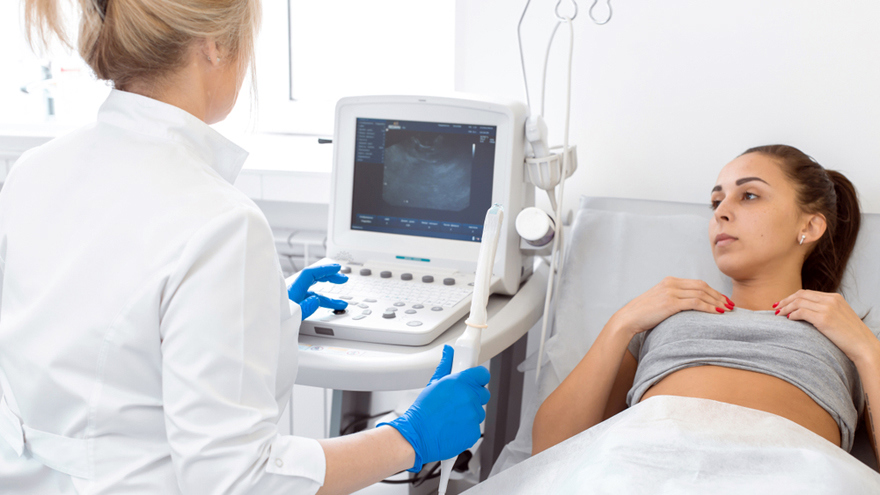
At Second Spring, our annual exams often include ultrasound imaging to:
Detect uterine fibroids, cysts, polyps, or adenomyosis
Assess endometrial lining and ovary appearance
Confirm or monitor early pregnancy
Ultrasound is a non-invasive, highly accurate tool to visualize your reproductive organs in real time.
7. Breast Health Evaluation
Depending on your age and risk level, your checkup may include:
Clinical breast exam
Ultrasound (especially useful in younger women or those with dense breast tissue)
Mammogram referral if over age 40 or at increased risk
We also educate women on self-exam techniques for monthly monitoring at home.
8. Preventive Vaccinations and Counseling
We may recommend or update:
HPV vaccine (if not yet completed)
Hepatitis A/B, rubella, or tetanus boosters
Osteoporosis screening and vitamin D assessment (in perimenopausal women)
In addition, we offer lifestyle guidance tailored to your needs:
Nutrition for hormone balance and bone health
Stress management and sleep hygiene
Fertility preservation or family planning
Sexual wellness and vaginal care at any age
Specialized Care by Life Stage
Every woman’s body changes over time, and so should her gynecologic care. Our approach adapts to your current life phase:
In Your 20s:
STI prevention and education
Birth control guidance
HPV vaccination
Pap smears and menstrual regulation
In Your 30s:
Fertility assessment and planning
Preconception counseling
Early detection of fibroids, PCOS, or endometriosis
In Your 40s:
Monitoring perimenopausal symptoms
Screening for hormonal shifts, breast and uterine health
Fertility preservation (egg freezing if desired)
In Your 50s and Beyond:
Menopause management
Bone density support
Vaginal dryness, urinary issues, and sexual health care
Comfort, Consent, and Communication
We know that many women avoid gynecologic checkups due to past trauma, cultural discomfort, or fear of judgment. At Second Spring, we offer a private, compassionate space where:
Your questions are welcomed
Your concerns are validated
Your consent is essential for every procedure
Our bilingual staff (Korean/English) and female providers ensure respectful, inclusive care for local and international patients alike.
When to Schedule Your Annual Visit?
You should schedule an annual checkup if:
It has been over a year since your last gynecologic exam
You are starting or stopping birth control
You are trying to conceive or suspect a hormonal imbalance
You are entering or experiencing menopause
You notice changes in your cycle, breast, or pelvic comfort
Even if you feel perfectly healthy, prevention is the goal. Regular care allows us to notice subtle changes that you may not detect yourself.
Why Choose Second Spring Women’s Clinic?

Our clinic, led by Dr. Seon-Hwa Jeong, offers:
One-on-one consultations with no rush
Expert care in fertility, gynecology, and minimally invasive procedures
Advanced diagnostics, including 3D ultrasound and hormone panels
Warm, patient-first communication in a calm and private setting
Personalized treatment plans and long-term wellness guidance
Our philosophy is simple: We treat every patient with the care we would want for our own families. Your comfort, safety, and health are our highest priorities.
Book Your Annual Checkup Today
Whether this is your first gynecologic visit or your 20th, our team at Second Spring is here to support you with gentle, expert care. Investing one hour a year in your reproductive health could change your life. Don’t wait until symptoms appear—take charge of your wellness today.
Contact Second Spring Women’s Clinic in Gangnam to schedule your personalized annual exam.