Women's Healthcare Guided by an Experienced OB/GYN Specialist in Seoul
en-US
Birth Control for Women Over 40: Tailored Solutions
Explore tailored birth control options for women over 40. Learn about safe, effective methods that fit your lifestyle and health needs. Start here!

Birth Control for Women Over 40: Tailored Solutions
As women reach their 40s, their reproductive needs evolve significantly. While fertility naturally declines with age, the need for effective contraception doesn’t disappear. In fact, unplanned pregnancies among women in their 40s, although less common than in younger age groups, carry higher health risks for both mother and baby. Choosing the right method of birth control during this stage of life requires a personalized approach that considers a woman’s health status, lifestyle, menstrual changes, and long-term health goals.
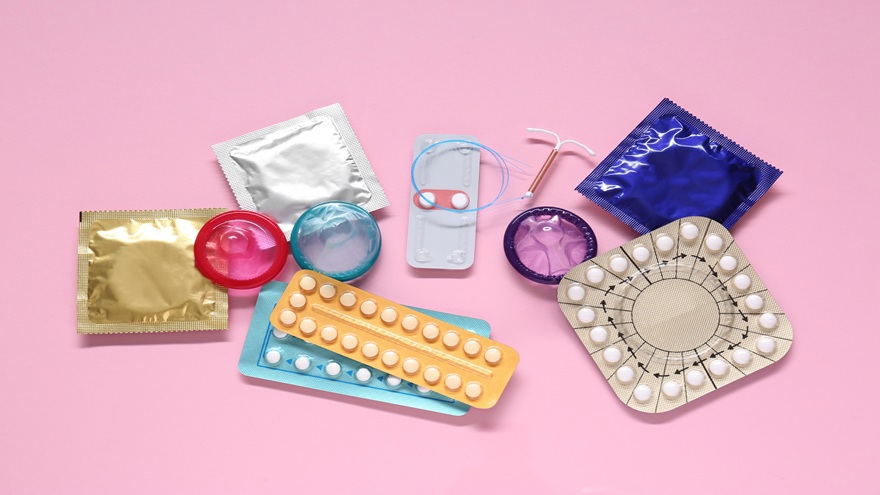
At Second Spring Women’s Clinic in Gangnam, Seoul, we understand that women over 40 require nuanced, expert care. Led by Dr. Seon-Hwa Jeong, our clinic offers comprehensive gynecological and fertility services with a patient-first philosophy. In this article, we explore tailored birth control solutions for women over 40—balancing effectiveness, health considerations, and individual preferences.
Why Birth Control Still Matters After 40?
Many women assume that as they near menopause, they no longer need contraception. However, this can be a dangerous misconception. While fertility does decline, it doesn't disappear overnight. Women can still conceive naturally until they’ve reached menopause—defined as 12 consecutive months without a menstrual period, typically occurring between ages 45 and 55.
Risks of Unplanned Pregnancy After 40:
Higher risk of miscarriage
Increased likelihood of chromosomal abnormalities (e.g., Down syndrome)
Greater chance of pregnancy complications (e.g., gestational diabetes, hypertension)
Emotional and financial stress
Effective contraception allows women to avoid these risks while giving them the freedom to make reproductive choices in line with their life goals.
Key Considerations for Women Over 40
When choosing a birth control method after 40, several factors must be considered:
1. Menstrual Cycle Changes

Hormonal fluctuations can cause irregular periods, heavier bleeding, or even skipped cycles. Some birth control methods help regulate or even reduce menstrual bleeding, which can significantly improve quality of life.
2. Perimenopause
This transitional phase before menopause can last several years and involves fluctuating estrogen levels. Birth control methods that include hormones can help manage symptoms like hot flashes, mood swings, and irregular periods.
3. Health History
Women over 40 may have pre-existing health conditions such as high blood pressure, diabetes, or a history of blood clots. These can influence whether hormonal contraception is safe.
4. Lifestyle & Preferences
Whether a woman prefers daily pills, long-term solutions, or hormone-free methods, contraception should fit her lifestyle.
At Second Spring Women’s Clinic, we prioritize understanding each woman’s unique health profile and lifestyle to recommend the safest and most effective options.
Birth Control Options for Women Over 40
Let’s take a closer look at the most suitable contraceptive methods for women in their 40s.
1. Intrauterine Devices (IUDs)
IUDs are among the most popular and effective long-term methods of birth control.
Hormonal IUDs (e.g., Mirena, Kyleena)
How it works: Releases a small amount of progestin to thicken cervical mucus and thin the uterine lining.
Duration: 3 to 7 years depending on the brand.
Pros:
Highly effective (>99%)
Reduces heavy menstrual bleeding and cramps
Can help manage perimenopausal symptoms
Cons:
May cause spotting or irregular bleeding at first
Copper IUDs (e.g., Paragard)
How it works: Uses copper to create a sperm-toxic environment.
Duration: Up to 10 years.
Pros:
Hormone-free
Long-lasting and reversible
Cons:
May cause heavier periods and cramps
Not ideal for women with heavy bleeding
Best For: Women looking for a low-maintenance, long-term solution with or without hormones.
2. Hormonal Pills (Combined Oral Contraceptives)
Birth control pills containing both estrogen and progestin can be effective for women in their 40s—if they are healthy and non-smokers.
Benefits:
Regulate irregular cycles
Reduce hot flashes and night sweats
Lower risk of ovarian and endometrial cancer
Improve acne and reduce PMS
Risks:
Not recommended for women with a history of migraines with aura, blood clots, smoking, or uncontrolled hypertension.
Note: Blood clot risk increases with age and estrogen exposure, so not all women over 40 are good candidates.
Best For: Healthy, non-smoking women seeking additional benefits like menstrual regulation or symptom relief.
3. Progestin-Only Methods
For women who cannot take estrogen, progestin-only options provide effective and safer alternatives.
Types:
Mini-pill: Daily oral pill without estrogen
Progestin IUD: As mentioned above
Implants (e.g., Nexplanon): Inserted under the skin, lasts 3 years
Injections (e.g., Depo-Provera): Administered every 3 months
Pros:
Suitable for women with cardiovascular risk factors
Effective in managing irregular bleeding
Can stop menstruation entirely in some cases
Cons:
May cause spotting or weight gain
Requires consistency (especially the mini-pill)
Best For: Women with health conditions contraindicating estrogen.
4. Barrier Methods
Barrier methods physically prevent sperm from reaching the egg.
Options:
Male or female condoms
Diaphragms
Cervical caps
Pros:
No hormones
Protection against STIs (condoms only)
Immediate fertility return after discontinuation
Cons:
Less effective than other methods if not used consistently
Diaphragms/caps may be harder to fit properly after childbirth
Best For: Women in monogamous relationships or those who prefer hormone-free contraception.
5. Permanent Contraception (Sterilization)
For women who are certain they don’t want future pregnancies, sterilization is a permanent option.
Female sterilization (tubal ligation):
A surgical procedure that blocks the fallopian tubes.
Typically done laparoscopically.
Pros:
Permanent
No need to think about contraception again
Cons:
Requires surgery
Not reversible
Best For: Women finished with childbearing who want a permanent solution.
6. Natural Methods & Fertility Awareness
These methods involve tracking ovulation and avoiding intercourse on fertile days.
Pros:
No hormones or devices
Increased body awareness
Cons:
Less effective
Requires daily commitment
Not ideal during perimenopause due to irregular cycles
Best For: Women in stable relationships seeking hormone-free alternatives and willing to track closely.
The Role of Fertility Preservation
An increasing number of women in their 40s consider fertility preservation—especially those who might want children later, have health conditions affecting fertility, or are undergoing treatments like chemotherapy.
At Second Spring Women’s Clinic, we specialize in egg freezing (oocyte cryopreservation) and ovarian tissue preservation, giving women greater reproductive autonomy, even beyond age 40.
If you are not yet ready for pregnancy but may consider it later, our team can guide you through fertility preservation options alongside suitable contraceptive methods in the meantime.
Addressing Menopausal Transition & Birth Control

It’s common for women in their 40s to begin experiencing perimenopausal symptoms like:
Irregular periods
Hot flashes
Mood swings
Vaginal dryness
Hormonal contraceptives can help manage these symptoms while still preventing pregnancy. As women approach menopause, they may benefit from low-dose hormone options that offer symptom relief and gradual hormonal adjustment.
Once a woman reaches menopause, birth control is no longer needed—but hormone therapy may still be considered for symptom relief. At Second Spring Women’s Clinic, we offer individualized menopause management plans, including bioidentical hormone therapy, vaginal laser rejuvenation, and nutritional support.
Personalized Counseling Is Key
Choosing the right contraceptive method after 40 is a deeply personal decision. At Second Spring Women’s Clinic, our goal is to provide informed, compassionate care that empowers every woman to take control of her reproductive health.
Our Unique Approach:
One-on-one consultation with Dr. Seon-Hwa Jeong
Advanced diagnostic tools to evaluate hormonal status and reproductive health
Tailored plans based on age, health, lifestyle, and future goals
Ongoing support through perimenopause and beyond
Whether you’re navigating the hormonal shifts of midlife or simply seeking reliable contraception, we are here to help you find a solution that supports your health and peace of mind.
Final Thoughts
Birth control in your 40s is not just about preventing pregnancy—it’s about managing hormonal changes, supporting long-term health, and planning confidently for the future. With numerous safe and effective options available, there’s no reason to compromise your comfort or your goals.
If you’re over 40 and wondering which birth control method is right for you, Second Spring Women’s Clinic offers the expertise, compassion, and innovation to help you make the best choice.
Book your consultation today and take the next step toward personalized, age-appropriate reproductive care.
Second Spring Women’s Clinic – Redefining women’s health, one season at a time.