Women's Healthcare Guided by an Experienced OB/GYN Specialist in Seoul
en-US
Can Exercise During Pregnancy Cause a Miscarriage? The Truth
Can exercise during pregnancy cause miscarriage? Discover the truth about safe workouts, risks, and expert tips for a healthy pregnancy and baby.
Introduction
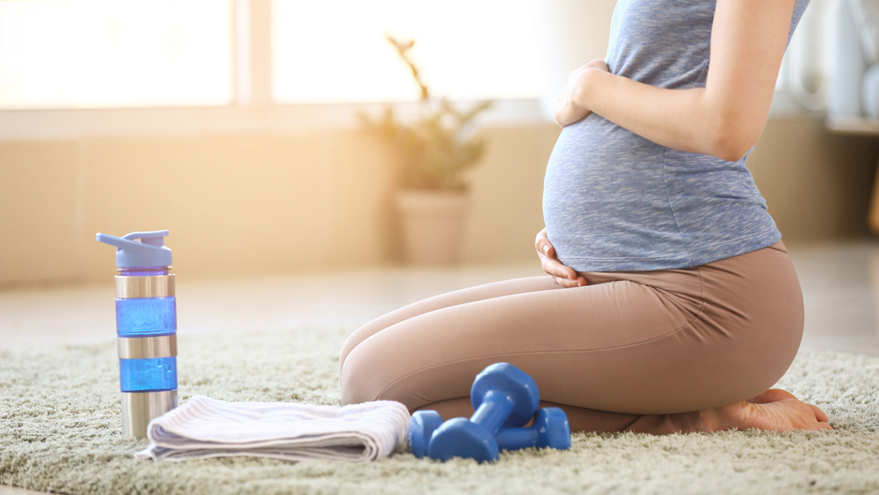
Pregnancy is an exciting and transformative time for many women, but it often comes with a fair share of concerns and questions — especially when it comes to maintaining a healthy lifestyle. One of the most common worries expectant mothers face is whether exercising during pregnancy can lead to miscarriage. With so much conflicting information circulating, it’s easy to feel overwhelmed or hesitant about physical activity.
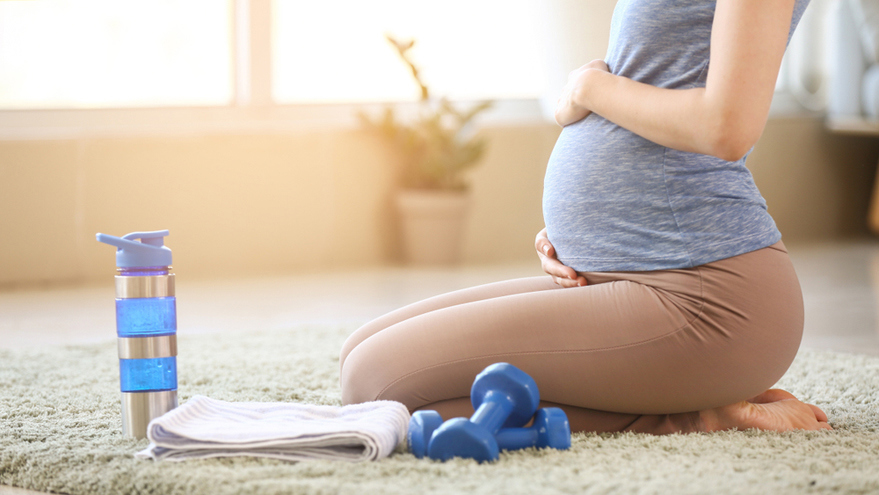
Understanding the facts about exercise during pregnancy is crucial. Not only can the right type of exercise promote both maternal and fetal health, but it can also help reduce stress and improve overall well-being. In this article, we’ll explore the truth about exercise and miscarriage, separating myths from medical evidence, so pregnant women can make informed decisions.
At Second Spring Women’s Clinic, located in Seoul’s Gangnam district, we specialize in comprehensive prenatal care and are committed to supporting women through every stage of pregnancy. Our team, led by Dr. Seon-Hwa Jeong, offers personalized advice on safe exercise practices to promote healthy pregnancies while minimizing risks.
Understanding Miscarriage: Causes and Risk Factors
Miscarriage, defined as the spontaneous loss of a pregnancy before 20 weeks, is a heartbreaking experience for many women. Statistically, about 10-20% of known pregnancies end in miscarriage, though the actual number may be higher because many occur before a woman even realizes she is pregnant.
The causes of miscarriage are varied and complex. Most often, they result from genetic abnormalities in the embryo, which make it impossible for the pregnancy to develop normally. Other factors include hormonal imbalances, uterine abnormalities, infections, and certain chronic health conditions.
Lifestyle factors can also play a role, such as smoking, excessive alcohol consumption, and uncontrolled chronic diseases like diabetes or thyroid disorders. However, it’s important to note that exercise is rarely a direct cause of miscarriage. Scientific research overwhelmingly shows that moderate, appropriately guided physical activity does not increase the risk of pregnancy loss.
The Role of Exercise in Pregnancy: Benefits and Importance
While concerns about miscarriage may make some women hesitant, exercise during pregnancy offers numerous benefits when done safely. Prenatal physical activity can improve cardiovascular health, reduce the risk of gestational diabetes and preeclampsia, promote healthy weight gain, and enhance muscle tone and stamina for labor and delivery.
Moreover, exercise has positive effects on mental health, helping to reduce symptoms of anxiety and depression, improve sleep quality, and boost overall mood. Staying active during pregnancy also contributes to quicker postpartum recovery and can reduce the likelihood of chronic health issues later in life.
Understanding these benefits helps dispel the misconception that pregnancy requires complete rest or inactivity. In fact, many health organizations, including the American College of Obstetricians and Gynecologists (ACOG), recommend that pregnant women engage in at least 150 minutes of moderate exercise per week unless medically advised otherwise.
What Science Says: Research on Exercise and Miscarriage Risk
The question of whether exercise causes miscarriage has been the subject of numerous studies. The consensus among medical experts and researchers is clear: moderate exercise does not increase the risk of miscarriage in healthy pregnancies.
For instance, a comprehensive review published in the British Journal of Sports Medicine analyzed multiple studies and found no link between physical activity and higher miscarriage rates. Similarly, research from the American Journal of Obstetrics and Gynecology confirms that women who maintain regular, moderate exercise routines during pregnancy experience no increase in adverse pregnancy outcomes.
However, these findings apply primarily to moderate-intensity activities. High-intensity or excessive exercise, particularly in women who were not previously active, may require caution and should be discussed with healthcare providers.
Medical authorities like ACOG emphasize that staying active under proper guidance is beneficial and that exercise should be tailored to individual health status and pregnancy progression. This evidence reassures pregnant women that exercising thoughtfully is safe and advantageous.
Safe Exercises During Pregnancy
Knowing which exercises are safe is essential to protect both mother and baby during pregnancy. Low-impact activities that do not strain the joints or pose a risk of falling are generally recommended.
Walking is one of the safest and easiest forms of exercise for pregnant women. It helps maintain cardiovascular health without excessive strain and can be done almost anywhere.
Swimming and water aerobics are excellent options because the buoyancy of water supports the body, reducing joint stress and swelling while providing a full-body workout.
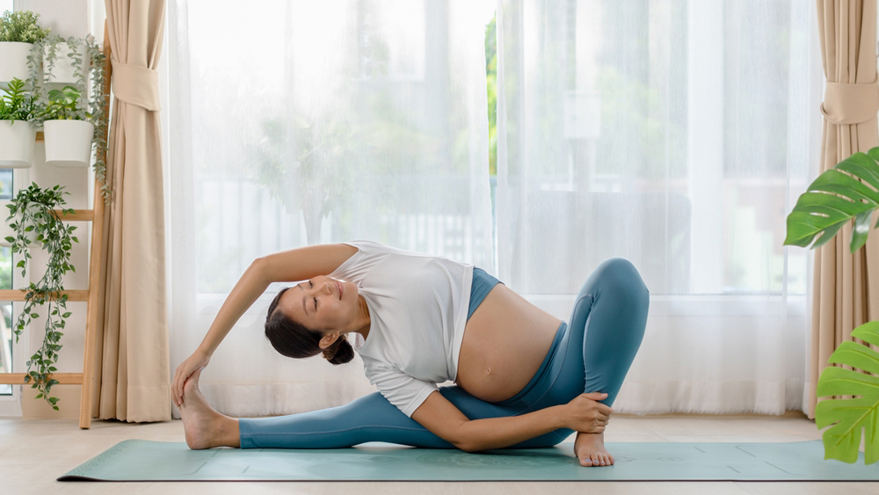
Prenatal yoga and Pilates improve flexibility, strength, and posture while promoting relaxation and mindfulness, which are beneficial during pregnancy.
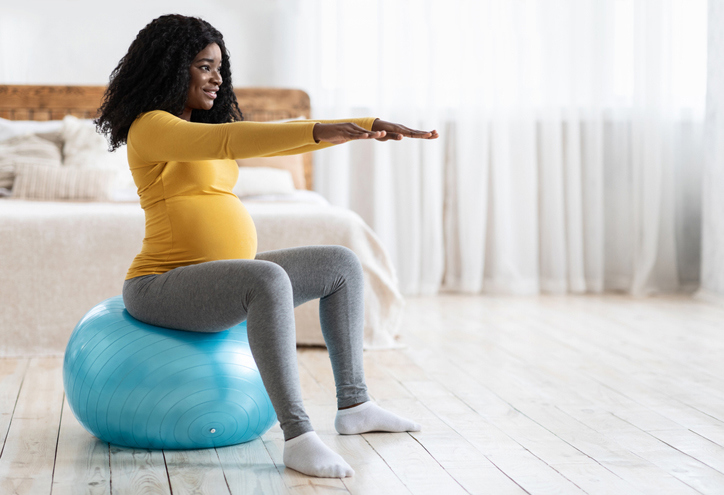
Low-impact aerobics and stationary cycling also offer safe ways to maintain fitness and endurance without high injury risk.
Conversely, certain exercises should be avoided during pregnancy. Activities involving heavy lifting, high-impact movements, jumping, or those with a risk of falling (like horseback riding, skiing, or contact sports) are not recommended. Additionally, exercises requiring lying flat on the back after the first trimester can reduce blood flow to the fetus and should be modified.
Each pregnancy is unique, so it’s essential to consult with healthcare providers — such as the expert team at Second Spring Women’s Clinic — for personalized exercise recommendations tailored to individual needs and pregnancy conditions.
Exercise Guidelines by Trimester
Pregnancy is divided into three trimesters, each with its own unique changes and considerations for exercise. Understanding how to adapt your routine as your body changes is key to staying safe and comfortable.
First Trimester:
The first 12 weeks can be challenging due to fatigue, nausea, and hormonal shifts. Light to moderate exercise such as walking, gentle yoga, or swimming is typically safe and beneficial. However, pregnant women should avoid high-impact or overly strenuous workouts during this phase. It’s crucial to listen to your body, rest when needed, and stay hydrated.
Second Trimester:
Many women experience increased energy during this period, making it an ideal time to engage in regular physical activity. Low-impact aerobics, prenatal Pilates, and swimming are excellent choices. As the belly grows, balance and coordination can change, so exercises that minimize the risk of falling are recommended. Avoid any movements that strain the abdomen or involve twisting motions.
Third Trimester:
As the body prepares for labor, focus on gentle exercises that maintain mobility and reduce swelling, such as walking and prenatal yoga. Avoid exercises that involve lying flat on the back for extended periods, as this can reduce blood flow to the baby. Listening to your body is especially important now, and any signs of discomfort or unusual symptoms should prompt a pause in activity and a consultation with your healthcare provider.
Special Considerations: High-Risk Pregnancies and Exercise
Some pregnancies are classified as “high-risk” due to factors such as pre-existing medical conditions, previous pregnancy complications, or multiple pregnancies (twins, triplets). In these cases, exercise guidelines must be more carefully tailored.
Women with high-risk pregnancies may need to limit or avoid certain types of physical activity to prevent complications like preterm labor or placental issues. Close monitoring by specialists, such as those at Second Spring Women’s Clinic, ensures that any exercise program is safe and appropriate for each individual case.
The clinic’s experienced team, led by Dr. Seon-Hwa Jeong, provides comprehensive assessments to evaluate risks and develop personalized care plans. This careful approach helps maintain maternal fitness while prioritizing both mother and baby’s safety.
Warning Signs to Stop Exercising and Consult a Doctor
Even with the safest exercise routines, it’s essential to remain vigilant for warning signs that require immediate medical attention. If any of the following symptoms occur during or after exercise, stop immediately and contact your healthcare provider:
Vaginal bleeding or spotting
Severe abdominal pain or cramping
Dizziness, faintness, or chest pain
Shortness of breath before exertion
Contractions or uterine tightening
Decreased fetal movement
Recognizing these signs early and seeking prompt care can prevent complications and ensure the best possible pregnancy outcomes. At Second Spring Women’s Clinic, patients receive detailed guidance on when to pause activity and how to communicate symptoms effectively.
How Second Spring Women’s Clinic Supports Pregnant Women
Second Spring Women’s Clinic stands out as a leader in women’s health, particularly in prenatal care. Situated in Seoul’s Gangnam district, the clinic combines cutting-edge medical technology with compassionate, individualized care.
Dr. Seon-Hwa Jeong and her skilled team conduct thorough prenatal assessments that include exercise readiness and risk evaluation. Patients receive tailored recommendations on the type, frequency, and intensity of exercise suitable for their unique pregnancy journey.
Beyond exercise guidance, the clinic offers continuous monitoring and support, helping pregnant women manage all aspects of their health. Whether you are a first-time mother or navigating a high-risk pregnancy, Second Spring Women’s Clinic provides a trusted partnership to promote safe physical activity and overall well-being.
Addressing Miscarriage Myths and Anxiety Around Exercise
Pregnancy can be filled with worries, and many myths about exercise and miscarriage add to that anxiety. One common misconception is that any physical activity increases the risk of losing the pregnancy. However, these fears are often based on misinformation rather than medical evidence.
Many women avoid exercise altogether out of fear, which can lead to unnecessary physical and emotional stress. At Second Spring Women’s Clinic, we prioritize education to help dispel myths and provide reassurance. Understanding the science behind exercise safety empowers women to make choices that support their health without fear.
Open communication with your healthcare provider is vital. Expressing concerns and asking questions ensures you receive accurate guidance tailored to your situation, helping reduce anxiety and fostering a positive pregnancy experience.
Real-Life Patient Stories: Exercise and Healthy Pregnancies
Hearing from women who have successfully exercised during pregnancy can be inspiring and reassuring. For example, one patient at Second Spring Women’s Clinic, Mrs. Kim, began light walking and prenatal yoga early in her pregnancy. With close medical guidance, she maintained a consistent routine that helped manage her stress and improve her sleep.
Mrs. Kim delivered a healthy baby at full term and credits her clinic team for personalized care and safe exercise advice. Stories like hers demonstrate that staying active — when done thoughtfully — can support a healthy pregnancy and improve quality of life.
Sharing these real-life experiences also helps dispel myths and encourages other pregnant women to safely enjoy the benefits of exercise.
Exercise After a Previous Miscarriage: What You Need to Know
For women who have experienced a miscarriage, returning to exercise can feel daunting. It’s normal to worry about triggering another loss. However, with proper medical supervision, exercise can still be safely resumed.
Second Spring Women’s Clinic offers specialized counseling for women with prior miscarriages. The focus is on gradual reintroduction of physical activity, monitoring any symptoms closely, and customizing exercise plans to individual needs and health status.
Women are encouraged to communicate openly about their fears and physical sensations during exercise. This approach fosters confidence and helps support emotional as well as physical healing.
The Importance of Pre-Pregnancy Fitness and Early Prenatal Care
Being physically fit before pregnancy can contribute to better outcomes and reduce the risk of complications like miscarriage. Women who maintain a healthy lifestyle, including regular exercise, tend to have improved cardiovascular health, balanced weight, and stronger muscles — all factors that support pregnancy.
Early prenatal care is equally critical. Scheduling check-ups soon after conception, ideally with specialists like those at Second Spring Women’s Clinic, ensures early assessment of health risks and guidance on safe physical activity.
By combining pre-pregnancy fitness and comprehensive prenatal care, women optimize their chances for a healthy, active pregnancy and delivery.
Nutrition, Hydration, and Rest Alongside Exercise
Exercise during pregnancy is most effective and safe when paired with proper nutrition, hydration, and adequate rest. A well-balanced diet rich in vitamins, minerals, and protein supports both maternal health and fetal development, helping the body meet the increased demands of pregnancy.
Staying hydrated is crucial, especially during physical activity, to prevent overheating and dehydration, which can pose risks to both mother and baby. Drinking plenty of water before, during, and after exercise sessions is strongly recommended.
Rest and recovery are equally important. Pregnancy naturally requires more energy, and the body needs time to recuperate between workouts. Listening to your body’s signals and ensuring sufficient sleep helps maintain strength and prevent exhaustion.
At Second Spring Women’s Clinic, nutritionists and healthcare providers collaborate to offer comprehensive advice on diet and lifestyle that complements safe exercise routines.
Frequently Asked Questions (FAQs) About Exercise and Miscarriage
Is it safe to run or do yoga during pregnancy?
Running can be safe if you were a regular runner before pregnancy and have no complications. Prenatal yoga is widely recommended for flexibility and relaxation. Always consult your doctor to tailor activities to your health status.
Can exercise cause miscarriage in the first trimester?
Moderate exercise does not increase miscarriage risk, even in the first trimester. However, any unusual symptoms like bleeding or pain require prompt medical evaluation.
How often should pregnant women exercise?
The general guideline is about 150 minutes of moderate exercise per week, spread over several days. Individual needs vary, so personalized plans are best.
What if I feel tired or uncomfortable during workouts?
Fatigue and mild discomfort can be normal, but listen to your body. Stop exercising if you feel dizzy, short of breath, or experience pain, and consult your healthcare provider.
Conclusion: Empowering Pregnant Women with Knowledge and Safe Practices
Exercise during pregnancy, when approached safely and thoughtfully, offers tremendous benefits without increasing the risk of miscarriage. Understanding the facts backed by medical research helps dispel common myths and empowers women to stay active and healthy throughout their pregnancy journey.
At Second Spring Women’s Clinic, expert care and personalized guidance ensure that each woman receives the support she needs to maintain a safe exercise routine tailored to her unique circumstances. Whether you are experiencing a first pregnancy or managing a high-risk condition, the clinic’s team is dedicated to fostering confident, informed choices that promote well-being for both mother and baby.
With the right knowledge, professional support, and a focus on safe practices, exercise can be a joyful and empowering part of your pregnancy experience — not a cause for fear.