Women's Healthcare Guided by an Experienced OB/GYN Specialist in Seoul
en-US
Can the HPV Vaccine Help If You Already Have HPV? Expert Insights
Already have HPV? Discover if the HPV vaccine can still help. Expert insights on effectiveness, benefits & next steps. Learn more today!
Introduction
Human papillomavirus (HPV) is the most common sexually transmitted infection worldwide, with the majority of sexually active people exposed at some point in their lives. While most infections resolve on their own, certain high-risk strains can lead to cervical cancer, vaginal and vulvar cancer, anal cancer, and even some head and neck cancers. Low-risk strains may cause genital warts, which, while not life-threatening, can be distressing and recurrent.
Because HPV is so widespread, many women who test positive for the virus wonder if they have missed their opportunity to benefit from vaccination. A frequent question we hear at Second Spring Women’s Clinic is: If I already have HPV, should I still consider getting the HPV vaccine?
The short answer is that the HPV vaccine cannot cure an infection you already have. However, it may still provide valuable protection and is worth serious consideration, depending on your age, health history, and risk factors. Let’s explore this in detail.
What the HPV Vaccine Does
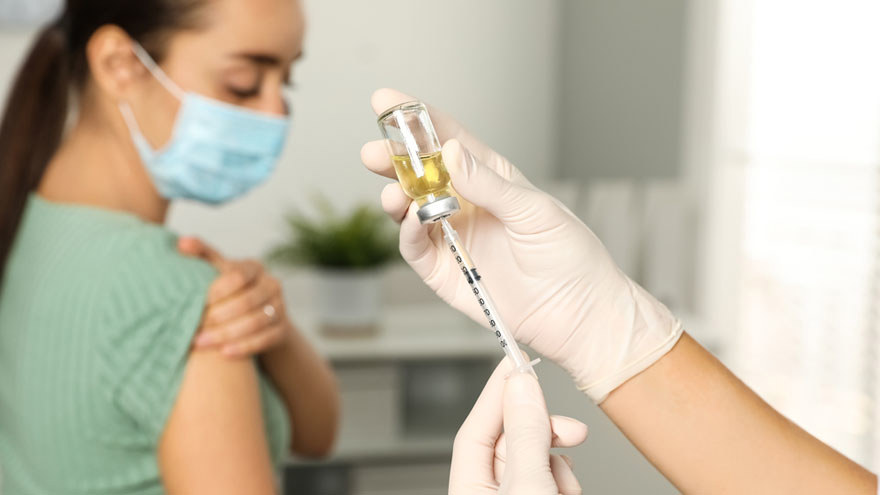
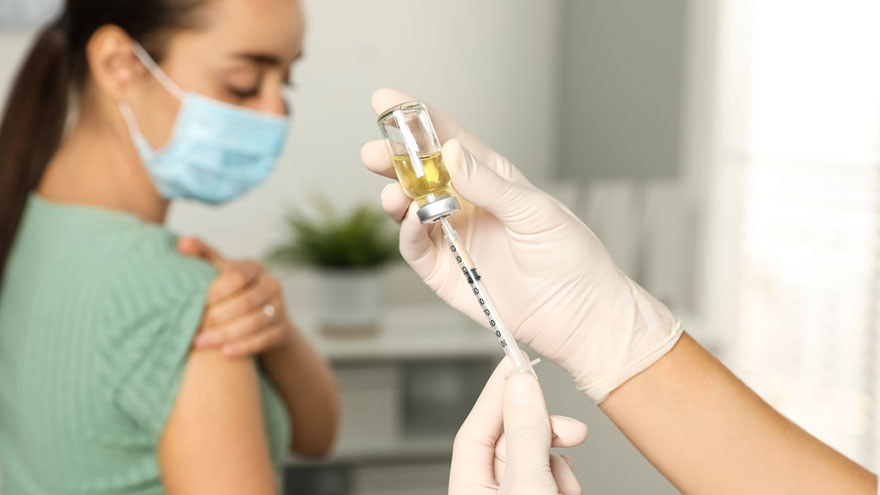
The HPV vaccine—available in several versions, including the most comprehensive Gardasil 9—works by training the immune system to recognize and neutralize HPV before it can establish infection. The vaccine contains harmless virus-like particles (VLPs) that mimic the outer shell of HPV but contain no genetic material, so they cannot cause infection.
When injected, these VLPs stimulate the body’s immune system to produce antibodies. If the person is later exposed to HPV, these antibodies can attack the virus quickly, preventing it from taking hold and causing disease.
Why Early Vaccination Is Ideal
The vaccine is most effective when given before any exposure to HPV—ideally in preteens around ages 11–12. That is why public health authorities worldwide, including the Centers for Disease Control and Prevention (CDC) and the World Health Organization (WHO), recommend vaccination at this stage.
However, vaccination later in life can still provide benefits, especially since not all adults will have been exposed to every HPV type.
Can It Still Help If You Already Have HPV?
This is where things get more nuanced. If you already tested positive for HPV, the vaccine will not eliminate the infection you currently have. It is a preventive tool, not a therapeutic one. That said, research shows there are still several reasons to consider vaccination.
1. Protection Against Other HPV Strains
There are over 100 HPV types, and Gardasil 9 protects against nine of the most clinically significant: HPV 6, 11, 16, 18, 31, 33, 45, 52, and 58.
HPV 16 and 18 cause about 70% of cervical cancers.
HPV 6 and 11 cause around 90% of genital warts.
The additional five types account for about 15–20% of cervical cancers.
Even if you have tested positive for one strain, it is unlikely you have all nine. Vaccination therefore reduces your risk of future infections and the serious complications associated with them.
2. Lowering Risk of Reinfection or New Infection
HPV can behave unpredictably. In some cases, the immune system clears the virus only for reinfection to occur later, either with the same strain or a new one. Vaccination boosts long-term immunity and makes reinfection less likely.
3. Supporting Cervical Health After Treatment
Some studies suggest that women treated for cervical precancerous lesions (such as CIN 2/3) may have a lower risk of recurrence if vaccinated afterward. While the vaccine is not a replacement for treatment, it may play a supportive role in preventing new or recurring infections.
4. Providing Peace of Mind
For many women, knowing they have taken proactive steps to protect their future reproductive and sexual health brings significant reassurance. Even if the vaccine cannot reverse an existing infection, it can reduce anxiety about potential exposure to other HPV types.
Who Should Consider Vaccination After HPV?
Not every woman with HPV will benefit equally from vaccination, but many still stand to gain protection. Here are some situations where vaccination may be advisable:
Women up to age 45: The U.S. Food and Drug Administration (FDA) has approved HPV vaccination for adults through age 45. While the strongest protection is seen in younger individuals, women in their 30s and 40s may still benefit, especially if they are at risk of new exposure.
Women with only one HPV type: If you have tested positive for one strain but have not been exposed to others, the vaccine can still provide broad protection.
Women undergoing treatment for cervical dysplasia: Ask your gynecologist whether vaccination could help reduce the chance of recurrence after treatment.
Sexually active women with new or multiple partners: Even if you have been exposed to one type, ongoing sexual activity increases your risk of encountering others.
Women seeking fertility preservation: Because cervical health is closely tied to reproductive outcomes, vaccination may support long-term fertility goals.
The Role of Regular Screening
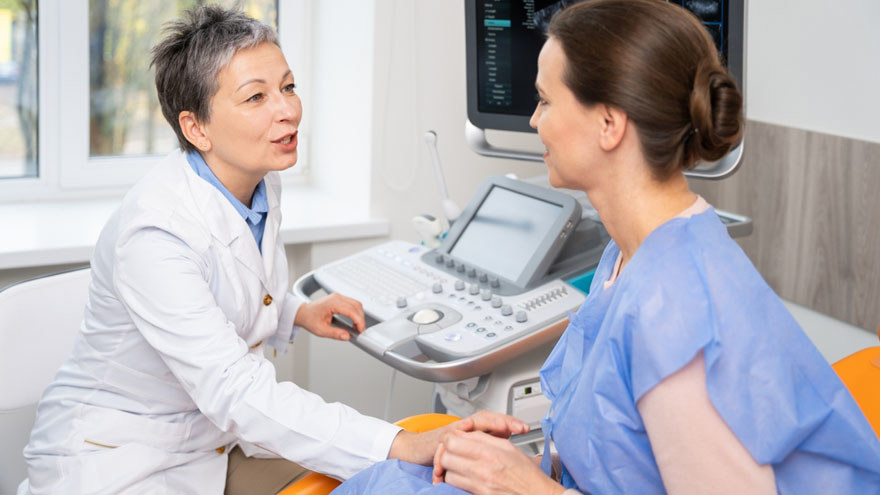
It is crucial to remember that the HPV vaccine is not a substitute for regular cervical cancer screening. Even vaccinated women should continue to undergo Pap smears and, when appropriate, HPV DNA testing.
Why Screening Remains Essential
The vaccine doesn’t cover all HPV types: While Gardasil 9 protects against the most common cancer-causing strains, it does not cover every possible type.
Existing infections require monitoring: If you already have HPV, regular checkups ensure any precancerous changes are detected early.
Vaccination effectiveness is preventive: Ongoing screening provides an additional layer of safety, regardless of vaccination status.
At Second Spring Women’s Clinic, we emphasize a dual strategy: vaccination for prevention and diligent screening for early detection. This comprehensive approach offers women the best chance of maintaining long-term gynecologic health.
Expert Advice from Dr. Seon-Hwa Jeong
“The HPV vaccine is not a treatment for active infection, but it is still a valuable tool for long-term protection. Even women who have already tested positive for HPV can benefit, because the vaccine reduces the risk of additional infections and helps safeguard cervical health. I encourage patients to think of vaccination as part of a larger prevention strategy, along with regular Pap smears and a healthy lifestyle.”
Dr. Jeong’s expertise in fertility preservation and gynecologic health makes her uniquely positioned to guide women through personalized prevention plans. She emphasizes that while vaccination is important, it works best when combined with holistic, patient-centered care.
Additional FAQs About HPV and the Vaccine
1. Can the HPV vaccine clear an infection I already have?
No. The vaccine does not treat or cure active HPV infections. Its role is preventive.
2. If I tested positive for HPV, should I still get vaccinated?
Yes, in most cases. Vaccination can still protect you from other strains you have not yet encountered.
3. Will vaccination make my HPV infection go away faster?
There is no evidence that vaccination accelerates clearance of existing infections. Most HPV infections resolve naturally within 1–2 years.
4. What if I have genital warts? Will vaccination help?
Vaccination will not treat existing warts but may prevent future outbreaks caused by new infections with HPV 6 or 11.
5. Is the vaccine safe for adults?
Yes. Extensive research has shown HPV vaccines to be safe and well tolerated in both adolescents and adults. Common side effects are mild and temporary, such as injection-site soreness.
Lifestyle and Preventive Care Beyond Vaccination
While vaccination and screening are critical, there are additional steps you can take to support your body in managing HPV and lowering your risk of complications:
Avoid smoking: Smoking is linked to higher rates of persistent HPV infection and cervical cancer.
Maintain a strong immune system: A balanced diet, regular exercise, stress management, and sufficient sleep all help the immune system clear HPV more effectively.
Practice safe sex: Condoms and dental dams reduce, though do not completely eliminate, HPV transmission risk.
Regular gynecological checkups: Comprehensive care helps detect not only HPV-related changes but also other women’s health issues early.
Takeaway
If you already have HPV, the vaccine cannot cure the infection—but it may still provide meaningful protection. By safeguarding against additional high-risk strains, lowering the risk of reinfection, and potentially supporting cervical health after treatment, vaccination can be a valuable component of your long-term health strategy.
At Second Spring Women’s Clinic in Gangnam, Seoul, we are committed to helping women make informed decisions about HPV prevention, screening, and treatment. Whether you are newly diagnosed, considering vaccination, or navigating fertility and reproductive health concerns, our team provides personalized, evidence-based guidance tailored to your needs.
Your next step? Schedule a consultation with your gynecologist to discuss your HPV status, vaccination options, and an individualized plan for cervical health. Protecting your future starts today.