Women's Healthcare Guided by an Experienced OB/GYN Specialist in Seoul
en-US
Can the HPV Vaccine Protect Against Genital Warts? Here’s the Truth
Discover if the HPV vaccine protects against genital warts, its effectiveness, and benefits for prevention. Learn the truth about HPV protection.
Can the HPV Vaccine Protect Against Genital Warts? Here’s the Truth
Human Papillomavirus (HPV) is one of the most common sexually transmitted infections worldwide. It affects millions of people each year, often without noticeable symptoms, yet it can have significant long-term health consequences. Among the many conditions linked to HPV are cervical cancer, other genital cancers, and genital warts. Because of this wide-ranging impact, HPV vaccines were developed to prevent infection with the most dangerous strains of the virus.
But how well does the HPV vaccine work against genital warts specifically? Many women (and men) wonder whether the vaccine can actually protect them from these distressing and often recurrent skin growths. This article will explore the science behind HPV, the role of the vaccine, and what women should know when considering vaccination.
Understanding HPV and Genital Warts
HPV is not a single virus but rather a family of more than 200 related viruses. About 40 of these are spread through sexual contact and affect the genital area. HPV strains are usually classified into two categories:
High-risk types: These strains (such as HPV 16 and 18) are linked to cancers of the cervix, vulva, vagina, anus, penis, and throat.
Low-risk types: These strains (notably HPV 6 and 11) do not cause cancer but are responsible for about 90% of genital warts.
Genital warts are small, flesh-colored or gray growths that appear in the genital and anal regions. They are not life-threatening, but they can cause discomfort, itching, pain during intercourse, and significant psychological distress. Treatment options exist, including topical therapies, cryotherapy (freezing), laser treatments, and surgery, but recurrence is common.
Because genital warts are caused by viral infection rather than bacterial, antibiotics are ineffective. The best way to prevent them is to avoid exposure to the virus or to build immunity through vaccination.
What is the HPV Vaccine?
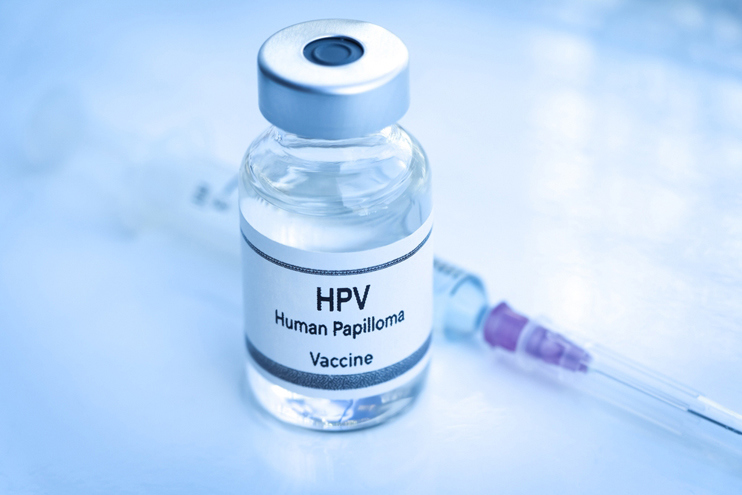
The HPV vaccine is a preventive (not therapeutic) vaccine designed to protect against infection with the most common high-risk and low-risk HPV types. Currently, three HPV vaccines have been developed:
Cervarix (bivalent vaccine) – Protects against HPV 16 and 18 (high-risk types associated with cancers).
Gardasil (quadrivalent vaccine) – Protects against HPV 6, 11, 16, and 18.
Gardasil 9 (nonavalent vaccine) – Protects against nine HPV types: 6, 11, 16, 18, 31, 33, 45, 52, and 58.
Among these, Gardasil and Gardasil 9 are particularly relevant for genital wart prevention because they target HPV 6 and 11, the main culprits behind warts.
Can the HPV Vaccine Prevent Genital Warts?

The Evidence
Yes, the HPV vaccine can protect against genital warts—but only if the vaccine you receive includes coverage for HPV types 6 and 11.
Gardasil (quadrivalent) has been shown to reduce the incidence of genital warts by around 90% in vaccinated populations.
Gardasil 9 (nonavalent) offers the same protection against genital warts while also broadening cancer protection.
Cervarix, however, does not cover HPV 6 and 11, so it does not protect against genital warts. Its focus is on cancer prevention only.
How Protection Works
The HPV vaccine works by stimulating the immune system to produce antibodies that recognize and fight HPV before it can infect cells. This means:
If you are vaccinated before being exposed to HPV, your body can prevent infection entirely.
If you are already infected with HPV, the vaccine cannot clear the virus or treat existing genital warts.
Thus, the ideal time for vaccination is before the onset of sexual activity, usually in adolescence. However, women up to age 45 can still benefit from vaccination, especially if they have not been exposed to all HPV types included in the vaccine.
Clinical Results and Real-World Impact
Since the introduction of HPV vaccination programs worldwide, the incidence of genital warts has dropped dramatically in countries with high vaccination coverage:
In Australia, where Gardasil was rolled out in 2007, cases of genital warts among women under 21 dropped by more than 90% within a few years.
In Sweden and other European countries, similar declines have been documented in both women and men, demonstrating the effectiveness of widespread vaccination.
The U.S. Centers for Disease Control and Prevention (CDC) reports that the HPV vaccine has substantially reduced infections with HPV 6 and 11, cutting down rates of genital warts and HPV-related diseases.
This evidence strongly supports the conclusion that vaccination with Gardasil or Gardasil 9 is one of the most effective ways to prevent genital warts.
Who Should Get the HPV Vaccine?
Age Recommendations
Children and adolescents: The CDC recommends vaccination for boys and girls starting at ages 11–12 (though it can be given as early as 9).
Young adults: Vaccination is recommended up to age 26 if not previously vaccinated.
Adults 27–45: Vaccination may still be beneficial depending on individual risk factors and prior exposure. A doctor can help assess whether it’s worth it in this age range.
Women in Their 20s–40s
For women who are already sexually active, the vaccine may still provide meaningful protection. Even if you have been exposed to one HPV type, the vaccine can still guard against others. For example, a woman with HPV 16 exposure could still benefit from protection against HPV 6, 11, or 18.
At clinics like Second Spring Women’s Clinic in Seoul, vaccination is often discussed in the context of both cancer prevention and genital wart prevention, making it a key part of women’s long-term reproductive health planning.
Misconceptions About the HPV Vaccine
“I already have genital warts, so the vaccine will cure them.”
– False. The vaccine cannot treat existing HPV infections or warts. It only prevents new infections.“If I use condoms, I don’t need the vaccine.”
– Partially false. Condoms reduce HPV transmission but do not eliminate risk because HPV can infect areas not covered by condoms. Vaccination provides additional, stronger protection.“I’m married/in a monogamous relationship, so I don’t need the vaccine.”
– Not necessarily true. HPV exposure can occur earlier in life or in previous relationships. Vaccination can still provide coverage against strains you haven’t yet encountered.“Only women need the HPV vaccine.”
– Incorrect. HPV also causes genital warts, anal cancer, and throat cancers in men. Vaccinating men helps protect both themselves and their partners.
Side Effects and Safety of the HPV Vaccine
The HPV vaccine is considered extremely safe. Millions of doses have been administered worldwide, and adverse effects are rare. The most common side effects are mild and temporary:
Pain, redness, or swelling at the injection site
Mild fever
Headache or fatigue
Severe allergic reactions are extremely rare. Major health organizations, including the World Health Organization (WHO) and the CDC, continue to emphasize that the benefits of HPV vaccination far outweigh the risks.
Complementary Strategies for Preventing Genital Warts
While vaccination is the most powerful tool, it’s not the only preventive strategy:
Regular gynecological check-ups: Early detection of abnormal changes can help prevent complications.
Safe sex practices: Using condoms and limiting the number of partners can reduce risk.
Boosting immunity: A healthy lifestyle, including adequate sleep, balanced nutrition, and stress management, may help the body suppress HPV infections.
Partner communication: Open discussions about sexual health can help prevent transmission and encourage mutual responsibility.
The Bottom Line: The HPV Vaccine Protects Against Genital Warts
The HPV vaccine, particularly Gardasil and Gardasil 9, provides highly effective protection against genital warts caused by HPV 6 and 11. Vaccinated populations have seen dramatic decreases in genital wart cases, alongside reduced risks of several cancers.
For women considering vaccination, the key points are:
The vaccine prevents genital warts but does not treat existing ones.
Early vaccination (before sexual activity) offers the highest level of protection, but women up to age 45 may still benefit.
Even if you are already sexually active, vaccination can protect against HPV types you haven’t yet encountered.
The vaccine is safe, well-tolerated, and an essential part of long-term reproductive health care.
At Second Spring Women’s Clinic, Dr. Seon-Hwa Jeong and her team emphasize preventive care as the foundation of women’s health. Whether you are looking to safeguard against cervical cancer, maintain fertility, or avoid the emotional distress of genital warts, the HPV vaccine is one of the most effective tools available.
Final Thoughts
Genital warts are not life-threatening, but they can significantly affect quality of life. Fortunately, with modern vaccines, they are largely preventable. By choosing vaccination, you are not only protecting yourself but also contributing to a healthier community with lower HPV transmission rates.
If you are uncertain about whether the HPV vaccine is right for you, scheduling a consultation with a gynecologist can help you make an informed decision based on your age, medical history, and lifestyle. Prevention is always easier than treatment—and when it comes to HPV, vaccination is the most powerful prevention we have.