Women's Healthcare Guided by an Experienced OB/GYN Specialist in Seoul
en-US
Can Vaginal Rejuvenation Help Urinary Incontinence?
Discover how vaginal rejuvenation treatments like CO2 laser therapy may reduce urinary incontinence in women. Expert insights and patient stories included.
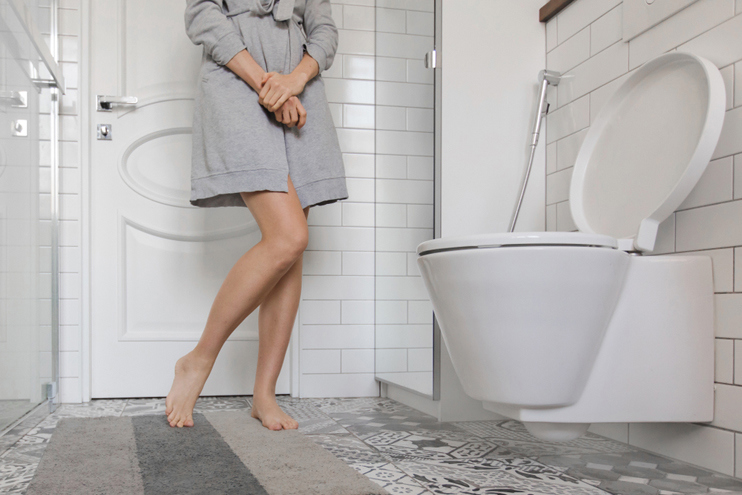
Regaining Bladder Control: Can Vaginal Rejuvenation Help Women with Urinary Incontinence?

Urinary incontinence affects more women than many realize—often in silence. From unexpected leaks during laughter to bladder control issues after childbirth or menopause, it can deeply impact a woman’s quality of life. While Kegels and medications remain common treatments, a newer option has been gaining medical attention: vaginal rejuvenation. But can this approach truly help manage urinary incontinence?
A Closer Look at Urinary Incontinence in Women
Urinary incontinence (UI) is the involuntary leakage of urine and affects up to 45% of women at some point in their lives. The most common form is stress urinary incontinence (SUI), where activities like coughing, sneezing, or lifting place pressure on the bladder, causing leakage. Other types include urge incontinence and mixed incontinence, a combination of both.
Key causes include:
Pelvic floor trauma from childbirth
Hormonal decline during menopause
Obesity, aging, and chronic coughing
These factors weaken the pelvic floor—the muscle group that supports the bladder and urethra.
Pelvic Floor Weakness: The Root of the Issue
The pelvic floor muscles act as a support sling for the bladder, uterus, and rectum. When weakened, they struggle to control bladder function. While pelvic floor exercises (like Kegels) and physical therapy often help, not all women achieve full relief. Some explore surgical options. Increasingly, women are turning to non-surgical vaginal rejuvenation to strengthen the pelvic floor and reduce symptoms.
What Is Vaginal Rejuvenation?
Vaginal rejuvenation is an umbrella term for procedures that restore tone and function to the vaginal and pelvic tissues. It comes in two main forms:
Surgical: Includes vaginal tightening or pelvic organ repair
Non-surgical: Uses technologies like laser or radiofrequency (RF) to stimulate collagen production and improve tissue elasticity
These minimally invasive therapies target tissue that supports bladder control, offering a potential solution for stress incontinence without major downtime.
Clinical Insights: How Laser Therapy Supports Bladder Control
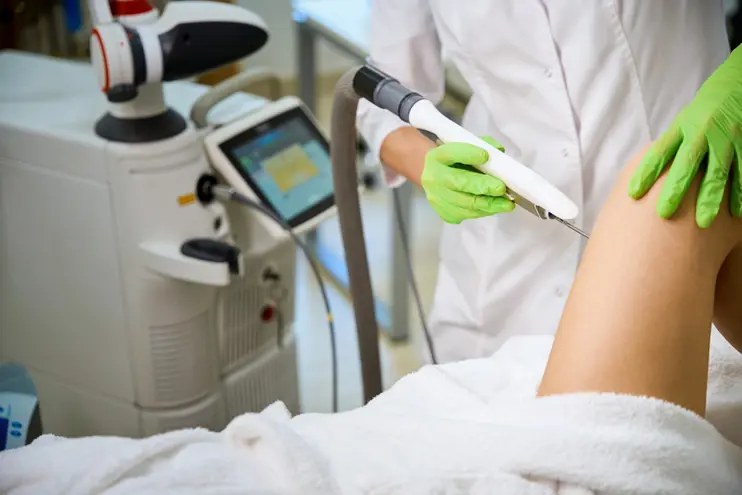
Laser vaginal rejuvenation uses fractional CO2 or erbium lasers to gently heat vaginal tissues, promoting collagen regeneration and tightening the pelvic floor. This process has shown promising results in several studies:
"In a 2023 randomized controlled trial involving 200 women with SUI, 45% reported significant improvement after three CO2 laser sessions" (Journal of Pelvic Medicine).
Dr. Hanna Lee, a urogynecologist and Fellow of the American Urogynecologic Society (AUGS), explains:
“Laser therapy isn't just about cosmetic changes—it’s a functional treatment that helps restore the vaginal wall’s structural integrity and pelvic support.”
Patients typically undergo a series of 3 to 5 treatments, each lasting 20 to 30 minutes. Most resume normal activity within 48 hours.
Other Non-Surgical Therapies for Incontinence
While laser therapy is the most studied, other technologies are gaining traction:
Radiofrequency Therapy: Heats tissue using RF waves to boost collagen and firm vaginal walls.
PRP (Platelet-Rich Plasma): Injects a patient’s own growth factors to enhance tissue healing and blood flow.
Electromagnetic Pelvic Therapy: Induces pelvic contractions similar to Kegels, improving muscle tone.
Each option has its advantages, and many women combine therapies with traditional pelvic floor exercises.
Postpartum Incontinence: A Common Trigger
Childbirth remains a major cause of SUI. Muscles and tissues stretched during delivery may not fully recover, especially after complicated births. Jane, a 52-year-old patient, shared her experience:
"After my second child, I had constant leaks when laughing or running. I tried Kegels for months, but it wasn’t until I tried laser treatment that I noticed real change."
Safety, Risks, and Considerations
While generally safe, side effects can include mild discomfort, swelling, or spotting. More serious risks (infection, tissue damage) are rare with qualified practitioners.
Dr. Lee advises:
“Women should consult a board-certified FPMRS specialist to determine if vaginal rejuvenation is appropriate, especially if they have complex incontinence or prior pelvic surgery.”
Long-Term Effectiveness and Maintenance
While many women experience noticeable improvements, results can vary based on age, severity of symptoms, and individual tissue response. Maintenance sessions may be needed annually or biannually. Dr. Karen Liu, a board-certified urogynecologist in San Diego, emphasizes:
"Most of our patients report sustained symptom relief up to 18 months post-treatment, especially when combined with pelvic floor therapy."
Follow-up assessments help determine if touch-up sessions are necessary. These quick, low-disruption visits can help prolong benefits.
Emerging Innovations in Vaginal Rejuvenation
Medical technology is rapidly evolving. Newer protocols now combine therapies to optimize outcomes. Some clinics integrate laser therapy with electromagnetic stimulation to enhance both structural and muscular support. Others are exploring AI-guided energy delivery systems that tailor settings to individual tissue density for personalized results.
Bioidentical hormone therapy (BHT) is also gaining interest as an adjunct for postmenopausal women. Restoring vaginal estrogen levels may enhance tissue response to energy-based treatments, further improving bladder control.
Psychological Impact and Emotional Well-being

Beyond physical symptoms, urinary incontinence often leads to embarrassment, social withdrawal, and even depression. Vaginal rejuvenation’s potential to restore control can significantly impact confidence and daily life. Clinical psychologists working in pelvic health emphasize the value of treating incontinence not just physically, but holistically.
“We’ve seen women regain a sense of normalcy and intimacy with partners after laser therapy,” says Dr. Margo Sinclair, a pelvic health counselor. “It’s not just bladder control—it’s emotional recovery.”
Cost, Insurance, and Accessibility
Most non-surgical vaginal rejuvenation treatments are not covered by insurance, as they’re often considered elective. Costs typically range from $1,200 to $3,500 depending on the clinic, technology used, and number of sessions required. Some practices offer bundled treatment packages or financing options.
Patients are encouraged to seek clinics that provide detailed consultations and transparent pricing. Ask about provider credentials, device FDA clearance, and expected outcomes before proceeding.
The Role of Lifestyle Changes in Complementing Treatment
While technology can offer a strong solution, comprehensive care often includes:
Weight management to reduce pelvic pressure
Smoking cessation to reduce chronic coughing
Pelvic physiotherapy to reinforce results
Dietary changes to minimize bladder irritation (avoid caffeine, citrus, alcohol)
These adjustments, when combined with vaginal rejuvenation, can provide more robust and lasting improvements.
Choosing a Reputable Clinic
Selecting the right provider is crucial. Clinics should offer FDA-cleared technology and specialists trained in female pelvic medicine. Second Spring Women’s Clinic, led by Dr. Seon-Hwa Jeong, OB-GYN and maternal-fetal medicine expert, uses state-of-the-art 3D laser systems tailored to individual needs. The clinic provides thorough patient education, follow-up, and a comfortable environment designed for women’s health.
Final Thoughts
Vaginal rejuvenation offers a compelling, minimally invasive option for women seeking relief from stress urinary incontinence. While not a cure-all, it represents a meaningful advance in urogynecologic care, especially for women seeking non-surgical alternatives.
When approached as part of a holistic pelvic health plan—including lifestyle changes, physical therapy, and expert care—vaginal rejuvenation can help women regain control over their bodies and lives.