Women's Healthcare Guided by an Experienced OB/GYN Specialist in Seoul
en-US
Can You Still Get HPV After Being Vaccinated? Understanding the Risks
Learn if you can still get HPV after vaccination, the risks involved, and why the HPV vaccine remains key for protection and prevention.
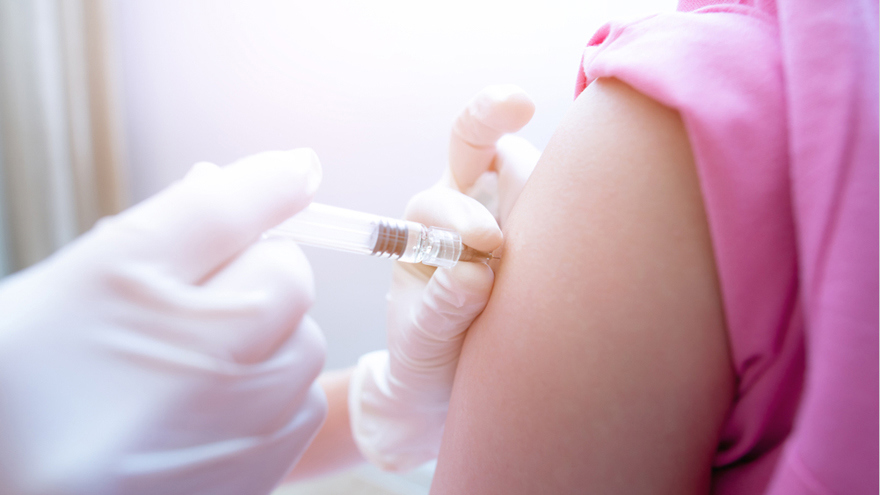
Can You Still Get HPV After Being Vaccinated? Understanding the Risks
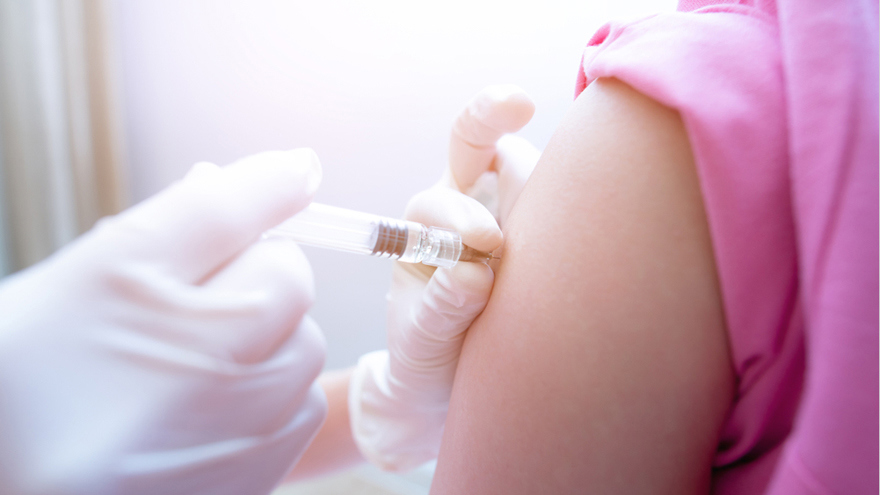
Human papillomavirus (HPV) is one of the most common sexually transmitted infections worldwide. It is also a leading cause of cervical cancer, genital warts, and other cancers affecting the reproductive tract, anus, and throat. In recent years, the HPV vaccine has transformed women’s health by dramatically reducing the incidence of HPV-related diseases. However, many women still ask an important question: “Can I still get HPV after being vaccinated?”
The short answer is: yes, but the risks are significantly reduced. In this article, we’ll explore what HPV is, how the vaccine works, what risks remain after vaccination, and why continued preventive care—like regular check-ups at women’s clinics—is still essential.
What is HPV?
HPV refers to a group of more than 200 related viruses. Some types are considered “low risk” and cause conditions such as genital warts, while others are “high risk” and can lead to cervical cancer, as well as cancers of the vulva, vagina, anus, penis, and oropharynx (throat).
Globally, HPV infection is extremely common. In fact, nearly all sexually active individuals will contract at least one type of HPV at some point in their lives. Most infections clear up naturally within two years, but persistent infection with high-risk strains can progress to cancer if not monitored and treated.
How Does the HPV Vaccine Work?
The HPV vaccine is designed to train the immune system to recognize and fight certain high-risk and low-risk HPV strains before they cause infection.
First-generation vaccines (like Cervarix) targeted two high-risk HPV strains (types 16 and 18), which together account for about 70% of cervical cancers.
Second-generation vaccines (like Gardasil) expanded coverage to include HPV types 6 and 11 (responsible for about 90% of genital warts).
Gardasil 9 (the most widely used today) protects against nine different strains, including HPV types 16, 18, 31, 33, 45, 52, and 58 (all high-risk) plus 6 and 11. This covers nearly 90% of cervical cancers.
By producing protective antibodies, the vaccine prevents HPV from entering cells and replicating. It is most effective when given before the onset of sexual activity, which is why health organizations recommend vaccination for adolescents around ages 11–12. However, women up to age 45 may still benefit.
Can You Still Get HPV After Vaccination?
Despite its effectiveness, the HPV vaccine does not guarantee complete protection. There are a few reasons why:
1. The Vaccine Does Not Cover All HPV Strains
Although Gardasil 9 covers the majority of high-risk and low-risk types, there are still HPV strains not included in the vaccine. This means a vaccinated individual could still contract a less common type of HPV. While these strains are less likely to cause cancer, the risk is not zero.
2. Vaccination After Exposure
If someone receives the HPV vaccine after already being exposed to certain HPV strains, the vaccine cannot eliminate the infection. It only prevents future infections with strains the body has not yet encountered.
This is why early vaccination—before first sexual contact—is ideal.
3. Incomplete Vaccination Series
For optimal protection, individuals must complete the full vaccine series (two or three doses, depending on age at initiation). Missing doses may leave the immune system less prepared to fight off the virus.
4. Immune System Variability
Like all vaccines, the HPV vaccine’s effectiveness can vary depending on the individual’s immune response. While most people develop strong and lasting immunity, some may have weaker protection.
How Effective is the HPV Vaccine?
Extensive research shows that the HPV vaccine is highly effective:
It reduces the risk of cervical precancers by more than 90% for strains covered by the vaccine.
Rates of genital warts have dropped dramatically in countries with widespread vaccination.
Long-term studies confirm that immunity remains strong for at least 15 years, with no evidence of waning protection so far.
However, “highly effective” does not mean “100% effective.” Vaccinated individuals should still remain vigilant about sexual health and regular screenings.
Why You Still Need Cervical Cancer Screenings After Vaccination
One of the most important misconceptions is that vaccinated women no longer need Pap smears or HPV testing. This is not true. Because the vaccine does not protect against every single HPV strain, regular screening is essential to detect any abnormal cervical changes early.
At Second Spring Women’s Clinic, we emphasize a comprehensive prevention strategy:
HPV vaccination for eligible women and girls.
Routine Pap smears and HPV DNA testing to detect precancerous changes.
Colposcopy and biopsy, if abnormal results are found.
This dual approach—vaccination plus screening—offers the strongest protection against cervical cancer.
Other Risk-Reducing Behaviors After Vaccination
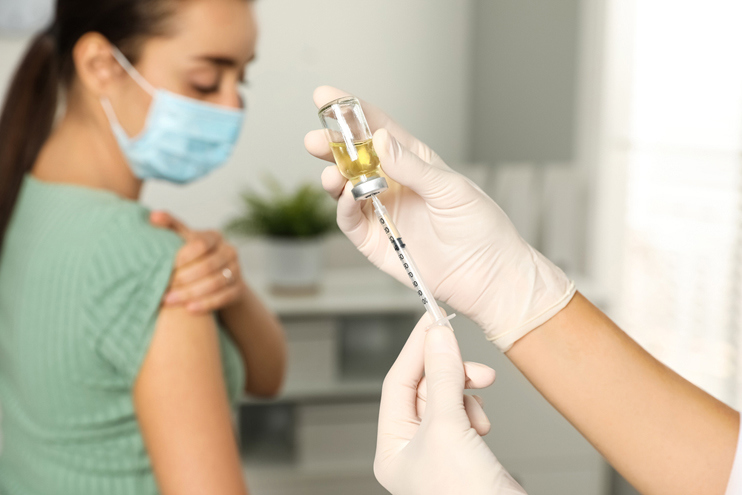
Even with vaccination, certain lifestyle and health practices can further reduce your risk of HPV-related diseases:
Safe Sexual Practices – Condoms and dental dams reduce, but do not fully eliminate, HPV transmission because the virus can infect areas not covered by protection.
Limiting Number of Sexual Partners – Having fewer partners lowers the chance of encountering new HPV strains.
Quitting Smoking – Smoking weakens the immune system and makes it harder for the body to clear HPV infections.
Maintaining a Strong Immune System – Good nutrition, regular exercise, stress management, and adequate sleep all help the body fight infections naturally.
Regular Gynecological Check-ups – Early detection of any abnormality ensures timely intervention.
Frequently Asked Questions (FAQs)
1. If I’ve been vaccinated, can I still pass HPV to my partner?
Yes, if you contract a strain not covered by the vaccine, you could still transmit it. The vaccine greatly reduces the likelihood but does not make you completely non-infectious.
2. Do men need the HPV vaccine too?
Absolutely. Men can carry and transmit HPV, and they are also at risk for anal, penile, and throat cancers caused by the virus. Vaccinating both men and women strengthens community protection.
3. If I’m already sexually active, is it too late to get vaccinated?
No. Even if you may have been exposed to one type of HPV, the vaccine can still protect you from other strains you haven’t encountered.
4. Will I need a booster shot in the future?
Currently, research suggests that the protection from the HPV vaccine is long-lasting, and no booster is recommended at this time.
The Role of Women’s Clinics in HPV Prevention
Clinics like Second Spring Women’s Clinic in Gangnam provide an integrated approach to HPV prevention and women’s health. We don’t just offer vaccination; we also provide:
Personalized consultations to determine the right vaccination schedule.
Advanced cervical screening technologies for early detection of abnormalities.
Fertility preservation services for women concerned about the impact of HPV-related treatments on future pregnancy.
Comprehensive gynecological care, from preventive measures to minimally invasive treatments.
By combining cutting-edge medicine with compassionate, one-on-one care, we ensure that every woman has the knowledge and tools to protect herself from HPV and its potential complications.
Key Takeaways
HPV vaccination is highly effective but not foolproof. You can still get HPV from strains not covered by the vaccine.
Early vaccination is best, ideally before sexual activity begins, but benefits exist at any age up to 45.
Regular screenings are non-negotiable. Even vaccinated women must continue Pap smears and HPV testing.
Lifestyle choices matter. Safe sexual practices, quitting smoking, and maintaining overall health can further reduce risks.
Holistic care is essential. Partnering with a trusted women’s health clinic ensures lifelong protection and support.
Final Thoughts
The HPV vaccine has been a revolutionary advancement in women’s health, reducing the burden of cervical cancer and genital warts worldwide. While it does not eliminate all risk, it remains one of the strongest tools available for prevention.
At Second Spring Women’s Clinic, we believe in empowering women with both knowledge and medical innovation. Whether you’re considering vaccination, need cervical cancer screening, or simply want expert advice on reproductive health, we are here to guide you every step of the way.
Yes, you can still get HPV after being vaccinated—but your risk is far, far lower. With the combination of vaccination, regular check-ups, and a proactive approach to health, women can take control of their well-being and enjoy peace of mind for the future.