Women's Healthcare Guided by an Experienced OB/GYN Specialist in Seoul
en-US
Choosing the Right Oral Contraceptive for Your Lifestyle
Find the best oral contraceptive for your lifestyle—compare types, benefits, and side effects to make an informed choice. Take control of your health today!
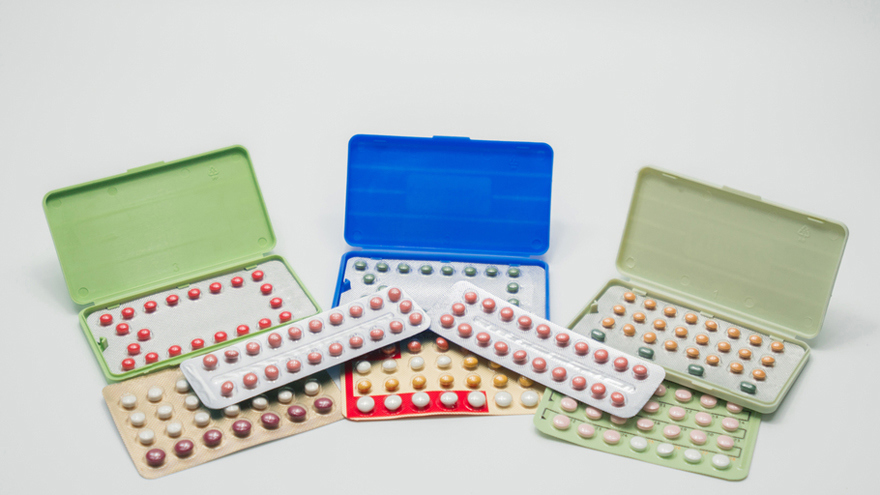
Choosing the Right Oral Contraceptive for Your Lifestyle
When it comes to birth control, oral contraceptive pills (OCPs) remain one of the most popular and effective choices among women worldwide. With many different types available—each with its own balance of hormones, dosing schedules, and benefits—it can feel overwhelming to decide which one is best for you.
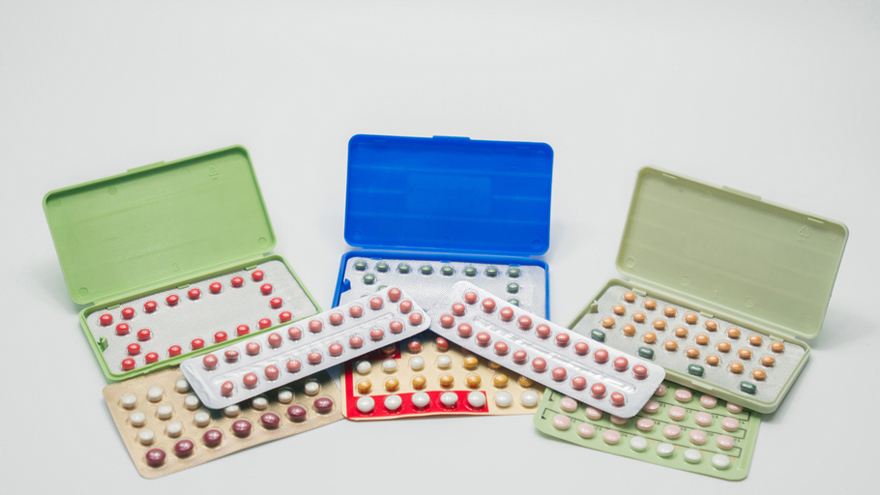
At Second Spring Women’s Clinic in Gangnam, Seoul, we specialize in personalized gynecological care that considers your lifestyle, health needs, and future plans. In this guide, we’ll help you understand the different types of oral contraceptives and how to choose the one that’s right for your body and your life.
What Are Oral Contraceptives?
Oral contraceptives are medications taken daily to prevent pregnancy. They are highly effective when used correctly, with a typical use effectiveness rate of 91%, and over 99% with perfect use.
There are two main types:
1. Combined Oral Contraceptives (COCs)
Contain both estrogen and progestin.
Work by suppressing ovulation, thickening cervical mucus, and thinning the uterine lining.
Taken for 21 active days + 7 inactive (or placebo) days, or in continuous dosing regimens.
2. Progestin-Only Pills (POPs)
Also known as the “mini-pill.”
Contain only progestin.
Best for women who cannot take estrogen.
Must be taken at the same time every day for effectiveness.
Why Lifestyle Matters When Choosing a Pill?
Your body, daily routine, medical history, and reproductive goals all play a part in determining which pill is best. Here at Second Spring, we consider factors such as:
Menstrual symptoms (e.g., heavy bleeding, cramps)
Acne or hormonal imbalances
Risk of blood clots
Breastfeeding status
Personal preference for daily habits or forgetfulness
Plans for pregnancy in the near or distant future
Let’s break it down further.
How to Choose: Key Considerations
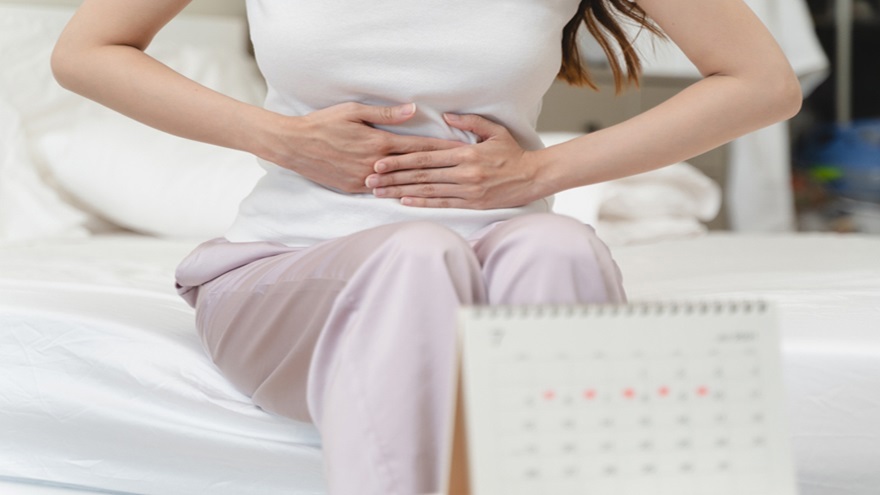
1. Your Menstrual Cycle & Symptoms
Do you suffer from painful periods, heavy bleeding, or PMS?
➤ Try: Combined Oral Contraceptives (COCs)
COCs regulate your cycle and reduce menstrual bleeding and cramping. Some brands even help eliminate periods altogether when taken continuously.
At Second Spring, Dr. Seon-Hwa Jeong often recommends extended-cycle pills for women looking to skip periods safely and reduce PMS symptoms like bloating, breast tenderness, or mood swings.
2. Your Skin and Hormones
Struggling with acne or oily skin?
➤ Try: COCs with anti-androgenic properties
Some pills (e.g., those containing drospirenone or cyproterone acetate) help reduce testosterone activity, improving acne and excess hair growth.
These options are especially helpful for women with polycystic ovary syndrome (PCOS)—a condition we manage frequently at our clinic with a combination of hormonal treatment, lifestyle guidance, and regular monitoring.
3. Your Daily Routine
Are you forgetful with daily tasks or have a very busy schedule?
➤ Try: Low-maintenance COCs with a flexible dosing window
Some COCs are more forgiving if you miss a pill by a few hours. Extended-cycle or continuous pills (like Seasonique or Yaz Flex) may also suit you if you want fewer withdrawal bleeds and simplified schedules.
Avoid: Progestin-only pills, which require strict timing (within the same 3-hour window daily).
If maintaining a strict pill schedule feels stressful, we may suggest other long-acting options such as the implant or IUD during your consultation.
4. Breastfeeding
Are you currently breastfeeding?
➤ Try: Progestin-only pills (POPs)
POPs are safe for breastfeeding mothers, as they do not interfere with milk supply.
At Second Spring, we support postpartum women with gentle contraceptive options and personalized recovery plans after childbirth. Dr. Jeong often prescribes POPs for new mothers until they transition to a longer-term method if desired.
5. Estrogen Sensitivity or Health Risks
Do you have migraines with aura, high blood pressure, or a risk of blood clots?
➤ Avoid: Estrogen-containing pills (COCs)
In these cases, progestin-only pills are safer, as estrogen increases the risk of thromboembolism and stroke in vulnerable individuals.
6. Your Reproductive Timeline
Planning to get pregnant soon? Or not for a long time?
If you want to delay pregnancy for a few years but may want children later, pills are a good reversible option.
For short-term contraception, a monthly COC with regular withdrawal bleeds might feel more reassuring.
For longer-term convenience, however, we may suggest alternatives like the implant or IUD.
Popular Brands Available in Korea
At Second Spring, we offer a wide range of Korean and international brands, depending on your hormonal profile and needs. Common options include:
Brand | Type | Best For |
|---|---|---|
Yaz / Yasmin | COC (drospirenone + EE) | Acne, PMS, water retention |
Diane-35 | COC (cyproterone acetate + EE) | Hormonal acne, PCOS |
Mercilon / Marvelon | COC (desogestrel + EE) | Cycle regulation, low side effects |
Cerazette | POP (desogestrel) | Breastfeeding, estrogen-sensitive users |
Seasonique | Extended-cycle COC | Fewer periods, simplified schedule |
We also offer tailored prescriptions based on hormonal testing and ultrasound exams, ensuring that your chosen pill works in harmony with your body’s unique hormonal rhythm.
Common Side Effects (and What to Do About Them)
While oral contraceptives are generally safe, some women may experience side effects, especially in the first 2–3 months. These may include:
Nausea
Breast tenderness
Mood changes
Breakthrough bleeding
Weight fluctuations
Most side effects resolve as your body adjusts. However, if they persist or interfere with your quality of life, we will work closely with you to adjust your pill or consider alternatives.
At Second Spring, we offer regular follow-ups and encourage open communication with our patients, so any side effect can be quickly addressed.
Benefits Beyond Birth Control
Oral contraceptives offer many non-contraceptive benefits, including:
Lighter, more regular periods
Reduced risk of endometrial and ovarian cancer
Improved acne
Relief from PMS and PMDD
Management of PCOS symptoms
Reduction in menstrual migraines and anemia
How We Personalize Your Pill Plan at Second Spring?

Choosing a contraceptive isn’t just about preventing pregnancy. It’s about optimizing your reproductive health and lifestyle. That’s why at Second Spring Women’s Clinic, every patient undergoes:
A comprehensive consultation with Dr. Seon-Hwa Jeong
Medical history and symptom review
Optional blood hormone tests or pelvic ultrasound if needed
Careful discussion about lifestyle habits, goals, and concerns
Ongoing support and adjustments to ensure the best outcome
With Dr. Jeong’s expertise in reproductive endocrinology and fertility preservation, you can trust that your long-term wellness is always a priority.
When to Avoid Oral Contraceptives?
While oral contraceptives are safe for most women, they may not be suitable if you:
Have a history of blood clots or stroke
Experience migraines with aura
Have uncontrolled hypertension or diabetes
Are a smoker over age 35
Have certain liver conditions
In these cases, our clinic can help you explore non-estrogen or non-hormonal alternatives, such as the copper IUD, implant, or barrier methods.
Final Thoughts: The Pill That's Right for You
There’s no one-size-fits-all answer when it comes to oral contraceptives. What works for one woman may not work for another—and that’s perfectly normal. The key is personalized care, expert guidance, and regular follow-up, which is exactly what you’ll find at Second Spring Women’s Clinic.
If you’re thinking about starting or switching your birth control pill, let us help you choose a method that truly fits your body and your life.
Book Your Consultation Today
Location: Second Spring Women’s Clinic, Gangnam, Seoul
Lead Doctor: Dr. Seon-Hwa Jeong, OB-GYN
Languages: Korean & English
Specialties: Hormonal care, fertility preservation, PCOS management