Women's Healthcare Guided by an Experienced OB/GYN Specialist in Seoul
en-US
Cutting-Edge Treatments for Resistant Bacterial Vaginosis
Explore cutting-edge treatments for resistant bacterial vaginosis. Discover new solutions when standard therapies fail—regain confidence and learn more now!

Cutting-Edge Treatments for Resistant Bacterial Vaginosis
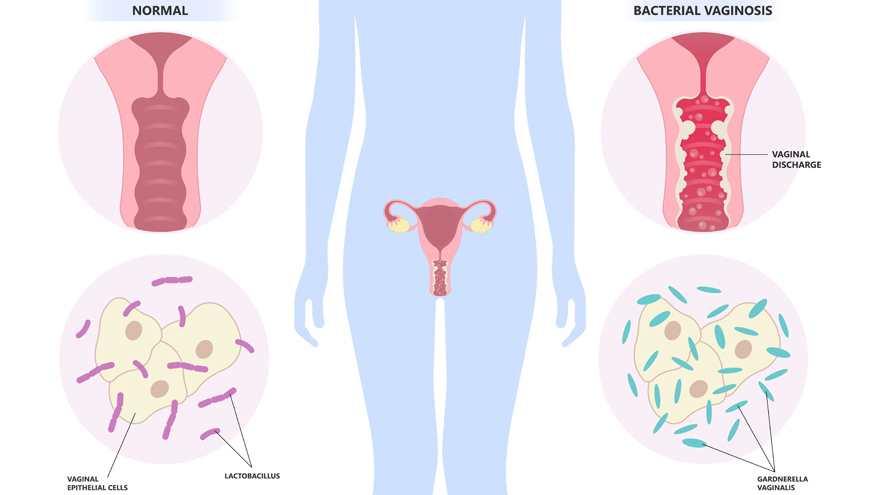
Bacterial Vaginosis (BV) is the most common vaginal infection in women of reproductive age worldwide. It is characterized by an imbalance in the vaginal microbiota, where protective lactobacilli are outnumbered by harmful anaerobic bacteria such as Gardnerella vaginalis. This imbalance leads to symptoms such as abnormal discharge and odor. For many women, BV is a recurring issue—a frustrating cycle of treatment and relapse that can severely impact quality of life.
At Second Spring Women’s Clinic in Gangnam, we understand how distressing resistant or recurrent BV can be. Our clinic specializes in advanced, science-backed treatments that go beyond standard antibiotic protocols to offer long-term solutions. In this comprehensive guide, we explore what causes resistant BV, how it affects women’s health, and the innovative treatments that are transforming outcomes for our patients.
Understanding Bacterial Vaginosis and Why It Becomes Resistant
BV occurs when the normal balance of vaginal flora is disrupted. A healthy vaginal environment is dominated by lactobacilli, which produce lactic acid to maintain an acidic pH and protect against harmful microbes. In BV, these protective bacteria are reduced, and anaerobic bacteria proliferate, resulting in a more alkaline vaginal environment.
Common symptoms of BV include:
Thin, grayish-white vaginal discharge
Unpleasant, fishy odor, especially after intercourse
Mild itching or irritation
Burning during urination (in some cases)
However, up to 50% of BV cases may be asymptomatic, particularly in early stages. Regardless of symptoms, BV has been linked to increased risks of pelvic inflammatory disease (PID), miscarriage, preterm birth, and infertility.
Why BV Keeps Coming Back: Root Causes of Resistance
Standard treatments for BV typically involve antibiotics such as metronidazole or clindamycin, either oral or vaginal. While these can temporarily reduce symptoms, many women experience recurrence within weeks or months.
BV becomes recurrent or resistant due to several underlying mechanisms:
Biofilm formation: Bacteria like Gardnerella create biofilms—slimy, protective layers that shield them from antibiotics.
Incomplete microbiome restoration: Antibiotics kill both harmful and beneficial bacteria. Without support, lactobacilli don’t re-establish, allowing bad bacteria to return.
pH imbalance: A higher vaginal pH (>4.5) encourages the growth of anaerobes, making recurrence more likely.
Sexual transmission: Though not classified as an STI, BV can be influenced by sexual activity, and reinfection from partners is possible.
Hormonal imbalances: Fluctuations during perimenopause, menopause, or even menstrual cycles can affect vaginal flora stability.
The Impact of Chronic or Resistant BV on Women’s Health

Resistant BV doesn’t just affect vaginal comfort—it can have far-reaching consequences for a woman’s reproductive and emotional well-being:
Increased risk of STIs, including HIV, due to reduced natural defenses
Infertility and complications with assisted reproduction
Poor pregnancy outcomes, such as low birth weight or premature delivery
Psychological effects, such as embarrassment, anxiety, and lowered self-esteem
Given these risks, persistent BV should not be ignored or managed solely with repeat prescriptions. It requires a comprehensive, multifaceted approach.
Second Spring’s Comprehensive, Science-Based Treatment Strategy
At Second Spring Women’s Clinic, we offer a personalized, multi-step program for resistant BV that addresses not only the infection itself, but also the underlying ecosystem of the vagina. Our methods are grounded in the latest research and delivered with a high level of patient care.
1. Advanced Diagnostic Evaluation
Accurate diagnosis is the first step to effective treatment. We perform:
Vaginal pH testing
Wet mount microscopy and Gram stain to evaluate bacterial presence
Nugent scoring for accurate BV diagnosis
Microbiome sequencing to assess bacterial balance and diversity
Detection of biofilm-forming species such as Atopobium vaginae and Gardnerella vaginalis
STI panel to rule out other infections
Hormonal evaluation, especially in perimenopausal or menopausal women
With this detailed insight, we create a personalized roadmap for treatment.
2. Targeted Biofilm Disruption
Biofilms are a key reason BV becomes chronic. These slimy microbial communities make it hard for antibiotics to reach bacteria effectively.
To address this, we incorporate:
Boric acid vaginal suppositories: With antifungal and antiseptic properties, boric acid helps restore pH and dismantle biofilms.
Enzyme-based therapies: Natural enzymes such as DNase or protease can help weaken biofilms.
Combination antibiotic regimens: We sometimes use sequential or combined oral and vaginal antibiotics for greater penetration.
This stage is critical in ensuring the infection is not only reduced but fully cleared.
3. Microbiome Rebuilding and Maintenance
After eliminating harmful bacteria, the next challenge is rebuilding a resilient vaginal microbiome dominated by beneficial lactobacilli.
Our strategies include:
Vaginal probiotic therapy: We use targeted suppositories containing Lactobacillus crispatus, L. jensenii, and other strains known to protect against BV.
Oral probiotics: These support both gut and vaginal microbiota, promoting systemic balance.
Dietary guidance: We recommend foods rich in prebiotics (e.g., fiber, fermented foods) to support good bacteria.
Post-treatment pH monitoring: Ensuring the vaginal environment remains acidic (pH ~3.8-4.5) discourages pathogenic growth.
This stage is essential for long-term success.
4. Vaginal Laser Therapy for Recurrent BV
One of our most promising therapies is non-ablative vaginal laser treatment, an FDA-approved option that improves mucosal health and immunity.
Benefits of vaginal laser therapy include:
Strengthens the vaginal wall and improves epithelial integrity
Enhances local blood flow and oxygenation
Stimulates collagen production and mucosal healing
Reduces inflammation and creates a less favorable environment for pathogens
This is especially beneficial for women with:
Chronic BV and vulvovaginal discomfort
Menopause-related vaginal atrophy
Recurrent pH and flora imbalance
Treatments are painless, quick (10-15 minutes), and performed in-office with no downtime.
5. Hormonal Support and Vaginal Rejuvenation
In women over 40 or those in perimenopause/menopause, estrogen deficiency contributes to dryness, thinning of the vaginal walls, and reduced lactobacilli. These changes can make the vagina more vulnerable to infections.
To restore balance, we may recommend:
Topical estrogen therapy (creams, rings, tablets)
Vaginal DHEA therapy, which supports local hormone levels
Bioidentical hormone support for systemic symptom relief
This not only helps prevent recurrent BV, but also improves comfort, libido, and urinary health.
Empowering Women Through Education and Preventive Care
At Second Spring, we believe education is key to prevention. We work closely with patients to:
Identify triggers (e.g., hygiene habits, sexual practices, contraceptive use)
Create a supportive self-care plan
Understand the signs of imbalance early
Maintain a strong, resilient vaginal microbiome
We also offer guidance on:
Choosing the right underwear and feminine hygiene products
Avoiding overuse of soaps, douches, or scented products
Safe practices during and after sexual activity
Ongoing support through follow-up appointments, microbiome monitoring, and check-ins ensures that our patients feel confident and cared for throughout their healing process.
When Should You Consider Advanced BV Treatment?
BV is considered recurrent or resistant if:
You experience 3 or more episodes in 12 months
Symptoms return within a few weeks of antibiotic treatment
You have chronic vaginal odor or discomfort despite negative cultures
You are planning pregnancy or fertility treatment and want to optimize vaginal health
In these cases, conventional treatment is often not enough, and a more integrative approach is needed.
Why Choose Second Spring Women’s Clinic in Gangnam?

Led by Dr. Seon-Hwa Jeong, a board-certified OB-GYN with specialized training in reproductive endocrinology and vaginal rejuvenation, Second Spring Women’s Clinic offers a unique blend of:
Medical expertise in treating chronic vaginal infections
Advanced diagnostic tools for personalized care
Innovative treatments such as vaginal laser and microbiome modulation
Compassionate, patient-first approach in a private, women-only setting
Our clinic is known for its commitment to combining science, comfort, and aesthetic wellness in one integrated care model. Whether you're struggling with BV, preparing for pregnancy, or simply want to optimize your gynecological health, we offer trusted guidance every step of the way.
Take Back Control of Your Vaginal Health
Living with recurrent BV can feel like a never-ending battle, but with the right tools and expert care, you can break the cycle. At Second Spring Women’s Clinic, we help women restore balance, build resilience, and reclaim their confidence.
Ready to take the next step? Schedule your personalized consultation today and discover how our cutting-edge treatments can help you feel like yourself again—comfortable, confident, and healthy.
Let us support your second spring.