Women's Healthcare Guided by an Experienced OB/GYN Specialist in Seoul
en-US
Does Birth Control Affect Fertility? What Every Woman Should Know
Discover how birth control impacts fertility, what to expect when stopping it, and common myths debunked. Get the facts every woman should know today.
Introduction
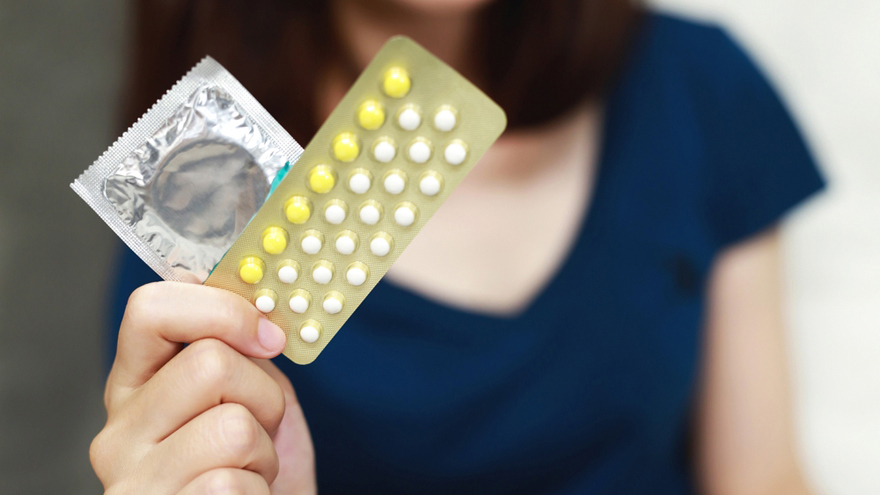
For many women, birth control is a critical part of reproductive autonomy. Yet when the time comes to start a family, one major concern often arises: Does birth control affect fertility? This question is especially common among those who have been on contraceptives for years and are now eager to conceive.
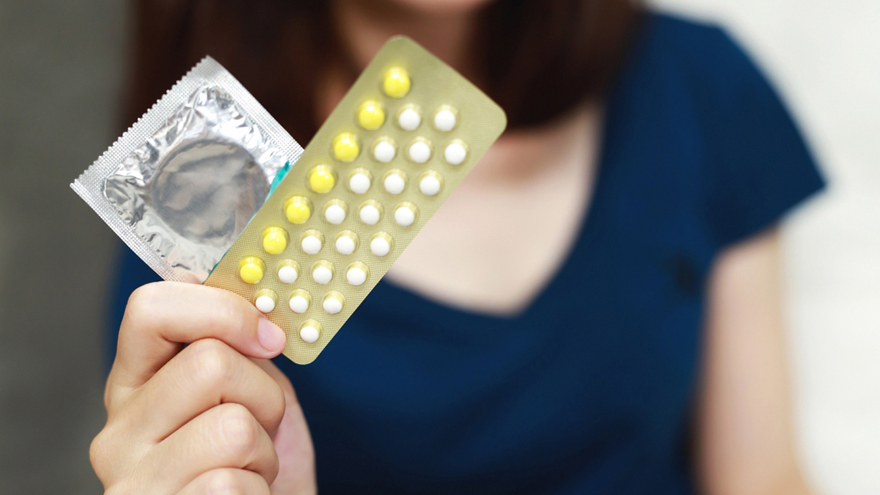
Globally, over 60% of women of reproductive age use some form of contraception, ranging from hormonal pills and IUDs to non-hormonal methods. As fertility rates decline in many parts of the world, concerns around the long-term effects of birth control have become increasingly common in clinics and online searches. Keywords like “birth control and fertility,” “does birth control cause infertility,” and “return to fertility” reflect these anxieties.
At Second Spring Women’s Clinic, located in the heart of Seoul’s Gangnam district, this question is frequently addressed by Dr. Seon-Hwa Jeong and her expert team. As a leading provider of fertility care and contraception management, the clinic prioritizes educating women with science-backed facts—dispelling myths and empowering patients to make informed choices.
Understanding How Birth Control Works
To fully understand whether birth control affects fertility, it’s important to know how contraceptives function in the first place. Birth control methods are broadly classified into hormonal and non-hormonal categories.
Hormonal contraception—such as birth control pills, patches, implants, and hormonal IUDs—works primarily by suppressing ovulation, thinning the uterine lining, or thickening cervical mucus to prevent sperm from reaching the egg. These methods are highly effective and reversible. Non-hormonal methods, such as the copper IUD or condoms, work by creating an environment that’s inhospitable to sperm or egg implantation.
A common concern is whether this suppression has a lasting effect on future fertility. However, most contraceptives are designed to be temporary and allow for a return to normal reproductive function soon after discontinuation. Understanding this distinction helps to separate birth control side effects (like irregular bleeding or mood changes) from long-term fertility outcomes.
Can Birth Control Cause Infertility? Debunking the Myth
Let’s get this out of the way: No, birth control does not cause permanent infertility in healthy women. This is one of the most persistent and damaging fertility myths circulating online and in conversations. The fear that years of hormonal contraception could irreversibly damage fertility is largely unfounded.
Clinical research from institutions like the American College of Obstetricians and Gynecologists (ACOG) shows that fertility returns to baseline once hormonal contraception is stopped. For instance, studies demonstrate that about 80% of women conceive within a year of stopping birth control, regardless of the method used.
However, it's important to distinguish between temporary delays in ovulation—which are normal after stopping hormonal contraception—and true infertility, which is often caused by unrelated factors like age, polycystic ovary syndrome (PCOS), or endometriosis.
At Second Spring Women’s Clinic, patients are encouraged to undergo fertility assessments if conception does not occur within a reasonable timeframe post-contraception. This proactive approach helps identify and address any unrelated conditions early.
Return to Fertility: What Happens When You Stop Birth Control?
The timeline for fertility after stopping birth control varies by method. For most women, the return to ovulation happens within a few weeks to months. Here's a breakdown:
Birth control pills: Most women begin ovulating again within 2–4 weeks after their last pill.
Hormonal IUDs or implants: Fertility may return within a month, though some may experience delays of a few months.
Copper IUDs and non-hormonal methods: Fertility returns immediately upon removal or discontinuation.
The keyword “how long to get pregnant after birth control” is tricky because individual biology matters. Age, cycle regularity, and overall reproductive health all play roles. Some women may conceive the very next cycle, while others may need three to six months for hormone levels and ovulation patterns to stabilize.
Dr. Seon-Hwa Jeong at Second Spring Women’s Clinic advises patients to monitor their fertility window post birth control using ovulation kits or fertility-tracking apps. The clinic offers personalized fertility counseling for women planning pregnancy after contraception, helping them navigate this transitional phase with confidence and care.
How Long Does It Take to Get Pregnant After Stopping the Pill?
One of the most frequently searched questions is: how long does it take to get pregnant after stopping the pill? The answer, while generally reassuring, depends on several individual factors.

Research shows that most women ovulate within 2 to 4 weeks after stopping birth control pills. However, this doesn’t automatically mean pregnancy will occur right away. For many, it may take a few months of regular cycles before the body is fully in sync with its natural rhythm. That said, some women conceive in their first month post-pill.
What’s important to remember is that the pill does not “build up” in your system. It suppresses ovulation temporarily, and once the hormones are out of your bloodstream, the body resumes its normal cycle. If you're wondering, “can I get pregnant right after stopping birth control?”—the answer is yes, especially if you're young, healthy, and ovulating regularly.
At Second Spring Women’s Clinic, individualized preconception consultations help patients understand their unique timelines. Dr. Seon-Hwa Jeong emphasizes tracking ovulation and cycle regularity, especially for women coming off long-term birth control.
IUDs and Fertility: Immediate or Delayed?
Intrauterine devices (IUDs) are among the most effective forms of birth control. But many women are uncertain about the effects of IUDs—especially hormonal ones—on future fertility.
The good news? Fertility typically returns quickly after IUD removal. Whether you're using a hormonal IUD (like Mirena) or a non-hormonal copper IUD (like Paragard), studies show that most women begin ovulating within a month. In fact, a 2018 study in Contraception journal found no significant delay in conception post-IUD removal compared to non-users.
That said, individual responses vary. Some may experience temporary irregular cycles or spotting as the body adjusts, but these symptoms usually resolve within a few weeks. For those asking, “what are the chances of getting pregnant after IUD removal?”—the odds are just as high as they would be for someone who never used an IUD.
Patients at Second Spring Women’s Clinic who choose IUD removal are offered post-removal cycle monitoring and fertility counseling. Dr. Jeong and her team support women in understanding their ovulation patterns and planning pregnancies confidently.
Does Long-Term Birth Control Use Affect Fertility?
A common concern is whether long-term use of birth control—especially over several years—can impact fertility down the line. Fortunately, the evidence says no. Most contraceptives, including the pill, patch, shot, and hormonal IUDs, are completely reversible regardless of how long you've used them.
The keyword here—“is fertility affected by years of using birth control”—is nuanced. Birth control doesn't age your reproductive system. However, your age does. A woman who starts using the pill at 25 and stops at 35 may notice it takes longer to conceive—not because of the pill, but because fertility naturally declines with age.
A 2011 study in Human Reproduction found that even after 10 years of pill use, fertility returned to normal within 3 to 6 months in most women. This is true across contraceptive types, as long as there are no underlying health conditions.
At Second Spring Women’s Clinic, long-term contraceptive users are encouraged to undergo a comprehensive fertility assessment—particularly if they’re 35 or older. The clinic offers advanced hormone testing, pelvic ultrasounds, and egg reserve evaluation to give patients a full picture of their fertility status.
Factors That Might Delay Fertility After Birth Control
While birth control itself doesn't cause infertility, there are certain underlying conditions that may become apparent only after discontinuing contraception. These include:
Polycystic Ovary Syndrome (PCOS): A condition where ovulation may be irregular or absent.
Thyroid disorders: Hypothyroidism or hyperthyroidism can impact ovulation and menstruation.
Endometriosis: Often masked by hormonal birth control, it can become symptomatic once you stop.
Age-related decline: Fertility naturally begins to drop after age 35.
Some women also experience delayed ovulation as the body recalibrates hormonally, which is generally temporary. This is why keyword searches like “delayed ovulation,” “fertility window post birth control,” and “natural cycle return” are so common.
At Second Spring Women’s Clinic, Dr. Seon-Hwa Jeong specializes in uncovering these hidden factors through comprehensive preconception workups. The clinic’s approach includes not only diagnostics but also individualized fertility plans that address each patient’s hormonal, physical, and emotional needs.
Women are also reassured that it’s completely normal for the body to need a few cycles to adjust post-contraception. But if pregnancy doesn’t occur after 6 to 12 months of trying, especially in women over 35, it’s a good time to consult with a fertility expert.
Tracking Your Fertility Post-Contraception
After stopping birth control, many women feel uncertain about how to recognize their fertile window and return to ovulation. This is where fertility tracking becomes an empowering tool.
There are several ways to monitor ovulation and determine when your body is ready to conceive:
Basal Body Temperature (BBT): A slight temperature rise after ovulation helps identify your fertile days.
Ovulation Predictor Kits (OPKs): These detect luteinizing hormone (LH) surges in urine, signaling ovulation.
Cervical Mucus Monitoring: Fertile cervical mucus becomes clearer and stretchier mid-cycle.
Menstrual Apps: Digital tools like Clue or Flo help track your natural cycle return and pinpoint ovulation.
The key term here—“natural cycle return”—reflects how a woman’s cycle re-establishes itself post-contraception. This process may take one or two cycles for some and several months for others.
At Second Spring Women’s Clinic, patients receive guidance on using these tools effectively. Dr. Jeong often recommends a combination of methods for accuracy, especially for women with irregular cycles or those who’ve been on hormonal birth control for several years.
The Role of the Menstrual Cycle in Post-Birth Control Fertility
The menstrual cycle is a crucial indicator of reproductive health, especially after stopping contraceptive methods. Once hormonal birth control is discontinued, your body begins to restore its natural hormonal rhythm—a process that can temporarily cause irregularities.

Some women notice spotting, missed periods, or heavier-than-normal bleeding as the body recalibrates. This is generally not a cause for alarm, but rather a sign that the hypothalamic-pituitary-ovarian (HPO) axis is adjusting.
Regular cycles usually return within 1 to 3 months after stopping birth control. However, the keyword “menstrual cycle regulation” comes into play when cycles remain inconsistent beyond that timeframe. This could signal conditions like PCOS, thyroid imbalance, or low estrogen levels.
Second Spring Women’s Clinic offers cycle monitoring and hormonal profiling to help determine whether a patient’s irregularities are part of the normal adjustment process or indicative of a deeper issue. By evaluating estrogen, progesterone, and LH levels at different cycle phases, the clinic provides clear insights into ovulatory health.
Fertility After Stopping Hormonal Contraceptives
Hormonal contraceptives—including pills, patches, vaginal rings, and injectables—work by suppressing ovulation. When these methods are discontinued, it may take time for the brain and ovaries to resume regular communication.
Most women begin ovulating again within 1–3 months, though it can take up to 6 months for the menstrual cycle to stabilize fully. A common concern is whether extended use of hormonal contraception could delay or alter fertility. Fortunately, evidence shows that these effects are temporary and do not cause long-term harm.
A 2017 study published in The European Journal of Contraception & Reproductive Health Care found no significant difference in fertility between hormonal contraceptive users and non-users after 12 months of trying to conceive. This debunks the widespread myth that hormonal contraceptives damage fertility permanently.
The phrase “hormonal contraception and fertility” is at the heart of this discussion, and at Second Spring Women’s Clinic, Dr. Jeong provides tailored fertility plans for women coming off these contraceptives. The clinic helps patients interpret ovulatory signs, offers ultrasound follicle tracking, and provides hormone restoration therapies if needed.
Does Birth Control Delay Getting Pregnant Later in Life?
One of the most persistent questions is: “Does birth control delay getting pregnant later in life?” The answer lies in understanding the difference between birth control’s temporary suppression of ovulation and age-related fertility decline.
Birth control does not delay aging or preserve egg quality. Instead, it prevents pregnancy while you use it and allows normal function to resume once stopped. However, if a woman uses birth control continuously through her 30s and stops at 38, her reduced egg reserve and quality at that age may make conception more challenging.
This confusion leads many to ask, “does birth control delay getting pregnant later in life?” when in fact it’s age—not contraception—that is the key factor. Women are born with a finite number of eggs, and fertility naturally declines after age 35, regardless of birth control history.
This is where Second Spring Women’s Clinic steps in with its advanced fertility preservation services. Women in their late 20s to early 30s are encouraged to consider egg freezing if they’re not ready for children but want to preserve their reproductive potential. Dr. Jeong’s background in Reproductive Endocrinology positions the clinic as a top choice for proactive fertility planning.
When Should You Be Concerned About Fertility After Birth Control?
It’s normal for your cycle to take some time to regulate after stopping contraception. But if you’ve been trying to conceive for over 6 months (if over 35) or over a year (if under 35) without success, it’s time to consult a specialist.
Red flags may include:
No return of periods after 3–6 months
Ongoing irregular cycles
Signs of hormonal imbalance (e.g., acne, hair growth, fatigue)
These symptoms could point to issues like PCOS, thyroid dysfunction, or low ovarian reserve—unrelated to birth control, but possibly masked by it.
At Second Spring Women’s Clinic, Dr. Jeong offers full fertility evaluations, including hormone tests, ultrasounds, and cycle tracking. Early diagnosis leads to faster solutions and peace of mind.
Patient-Centered Care at Second Spring Women’s Clinic
Second Spring Women’s Clinic provides personalized fertility care for women transitioning off birth control. Whether you’re planning a pregnancy soon or years from now, their expert team supports you at every step.
Services include:
Post-contraceptive cycle analysis
Fertility tracking support
Egg reserve testing
Fertility preservation options (egg freezing)
Dr. Seon-Hwa Jeong’s extensive training and compassionate approach make the clinic a trusted destination for women’s health. With advanced diagnostic tools and a focus on comfort, the clinic ensures safe, evidence-based care in a welcoming environment.
Conclusion
Birth control does not cause infertility. Most women regain normal fertility shortly after stopping contraception. While some may experience temporary delays, the effects are reversible and manageable.
Understanding your body, tracking ovulation, and getting regular checkups are key to a smooth transition. And if you’re ever unsure, Second Spring Women’s Clinic is here to guide you with personalized, expert care.
Whether you’re stopping the pill, removing an IUD, or planning for the future, you deserve clarity and support. Your fertility journey is unique—and with the right care, it can be both empowering and successful.