Women's Healthcare Guided by an Experienced OB/GYN Specialist in Seoul
en-US
Does Birth Control Help with PCOS? The Benefits & Side Effects
Discover how birth control helps with PCOS, its benefits, and potential side effects. Learn what to expect and if it’s the right choice for you.
Introduction
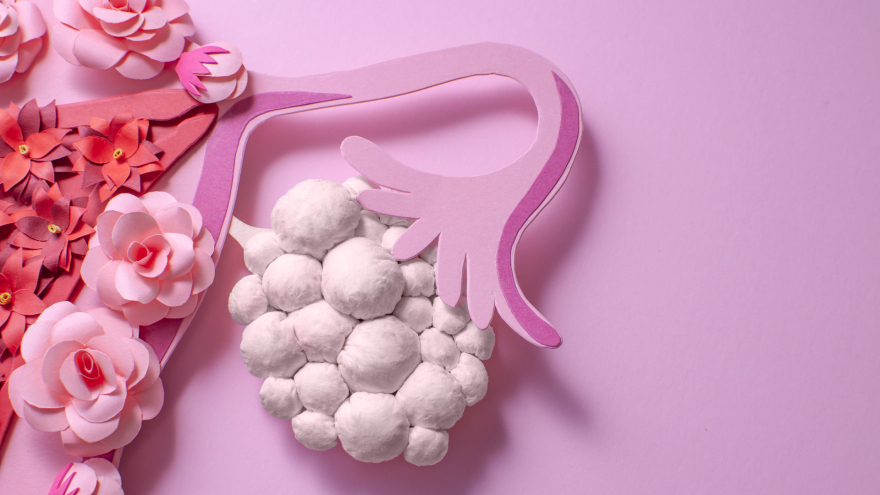
Polycystic Ovary Syndrome (PCOS) is one of the most common endocrine disorders affecting women of reproductive age, with a global prevalence estimated at 1 in 10. It's characterized by irregular menstrual cycles, elevated androgen levels (male hormones), and polycystic ovaries visible on ultrasound.
The condition impacts far more than fertility. Women with PCOS often struggle with acne, unwanted facial or body hair, mood swings, and weight gain. These symptoms are driven by hormonal imbalances, especially excess androgens and irregular estrogen and progesterone levels.
Because of the diversity in symptoms, PCOS can feel overwhelming. Fortunately, one of the most commonly prescribed tools for managing these hormonal imbalances is birth control. While not a cure, hormonal contraceptives offer meaningful relief for many.
Understanding how birth control interacts with PCOS-related hormone pathways can empower patients to make informed decisions—and feel more in control of their health.
Understanding Birth Control’s Role in PCOS Management
Hormonal birth control is frequently recommended as a first-line treatment for PCOS—even for patients who are not sexually active or do not need contraception. Why? Because its hormone-regulating effects go far beyond pregnancy prevention.
Birth control pills typically contain synthetic versions of estrogen and progesterone. These hormones work together to suppress ovulation, regulate the menstrual cycle, and reduce androgen production. This is key for PCOS, where excess androgens can worsen acne, hair growth, and cycle irregularity.
In short, birth control helps “reset” the hormonal imbalance seen in PCOS. By providing consistent hormone levels, it can reduce symptom severity and restore a sense of rhythm to the body’s natural cycles.
At Second Spring Women’s Clinic, individualized plans are developed based on each woman’s hormone profile and PCOS symptoms. Not all birth control is created equal—choosing the right type is essential for maximum benefit and minimal side effects.
Types of Birth Control Used for PCOS
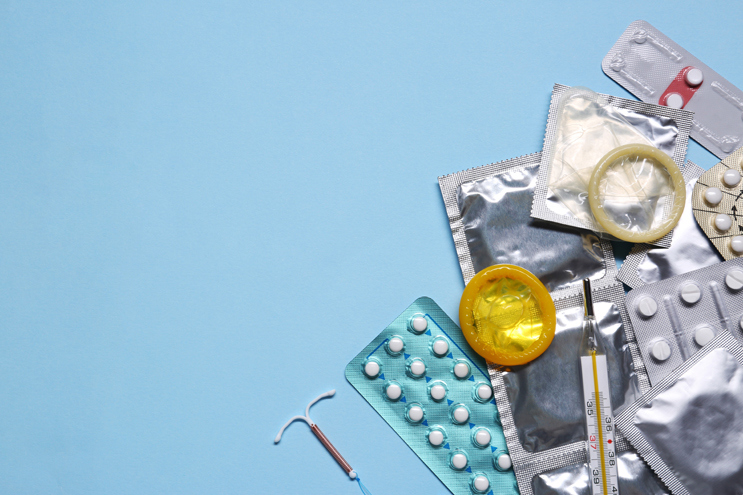
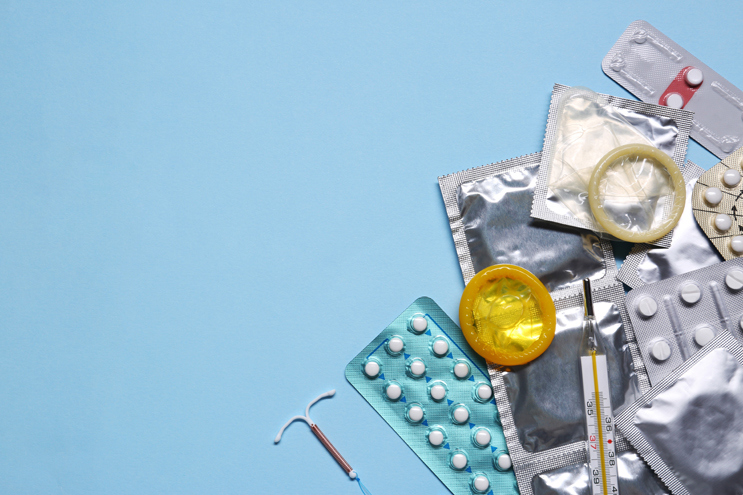
Several forms of hormonal birth control are used to manage PCOS, but the most commonly prescribed are combination birth control pills, which include both estrogen and progestin. These are highly effective in reducing androgen levels and stabilizing periods.
Progestin-only pills, though less common for PCOS, may be used when estrogen is contraindicated—such as in women with migraines or clotting risk. These can still provide some regulation of the menstrual cycle but may be less effective for symptoms like acne or hair growth.
Other delivery methods include hormonal IUDs, contraceptive patches, and vaginal rings. Each method varies in how it’s absorbed by the body and how strongly it impacts hormones.
The team at Second Spring Women’s Clinic provides detailed consultations to match each woman with the most effective and safest option based on her health history, preferences, and lifestyle.
How Birth Control Regulates the Menstrual Cycle
For many women with PCOS, irregular periods—or even complete absence of menstruation—can be distressing. Birth control is one of the most reliable ways to restore monthly bleeding and bring predictability back to a woman’s cycle.
When used consistently, hormonal contraceptives override the body’s erratic hormone production, leading to regular shedding of the uterine lining. This helps reduce the risk of endometrial hyperplasia, a condition where the uterine lining builds up too much due to missed periods.
Clinical studies have shown that most women experience more predictable and lighter periods within a few months of starting birth control. This can bring significant relief, not just physically but emotionally as well.
At Second Spring Women’s Clinic, patients often report feeling more “normal” after beginning a tailored birth control regimen. The return of regular cycles can also improve confidence and reduce anxiety around fertility and long-term health.
Treating PCOS Acne and Hair Growth with Birth Control
Excess androgens are a primary driver behind two of the most distressing PCOS symptoms: acne and unwanted hair growth (hirsutism), especially on the face, chest, and abdomen. Elevated testosterone levels stimulate oil production in the skin and hair follicles, leading to persistent acne and excessive body hair.
Hormonal birth control, particularly combination pills, lowers androgen production and increases sex hormone-binding globulin (SHBG), which binds free testosterone in the blood. Over time, this hormonal shift leads to clearer skin and less hair growth.
Most patients begin to see results after 3 to 6 months of consistent use. While not an instant fix, birth control remains one of the most reliable first-line treatments for PCOS acne and hair growth. In more severe cases, dermatological treatments may be added for faster or more complete results.
Effects on Fertility: Does Birth Control Delay Pregnancy?
A common concern among women with PCOS is: “If I take birth control, will I have trouble getting pregnant later?” The short answer is—no, not in the long term. In fact, hormonal birth control can sometimes improve fertility by regulating your hormones before you try to conceive.
Birth control works by temporarily suppressing ovulation, but it doesn’t cause permanent fertility issues. Once discontinued, most women return to their baseline fertility within 1 to 3 months. In some cases, ovulation becomes more predictable after coming off the pill.
At Second Spring Women’s Clinic, we guide patients who want to use birth control now but preserve the option for pregnancy later. Our fertility preservation services are an excellent resource for PCOS patients planning for the future.
Birth Control and Weight Management in PCOS
Weight gain is a common issue for women with PCOS, often due to insulin resistance and slow metabolism. Some worry that birth control will make this worse—but the truth is more nuanced.
Modern low-dose hormonal birth control has not been conclusively linked to significant weight gain in most women. However, some may experience fluid retention or increased appetite, particularly in the first few months.
That said, birth control does not treat PCOS-related weight issues directly. For weight management, a combination of healthy diet, exercise, and sometimes medications like metformin are more effective. Still, by regulating hormones, birth control can indirectly support weight control by improving energy levels, mood, and sleep—all of which affect lifestyle habits.
Mental Health & Mood Swings in PCOS Patients
PCOS affects more than just the body—it can impact your mental health as well. Many women experience mood swings, anxiety, or depression, often made worse by fluctuating hormones and the stress of dealing with chronic symptoms.
Hormonal birth control may help stabilize mood by evening out hormone levels, particularly in women whose symptoms are linked to hormonal surges before menstruation. However, some may experience the opposite—feeling more anxious or emotionally flat, especially in the first few cycles.
That’s why personalized care is crucial. At Second Spring Women’s Clinic, we evaluate both physical and emotional symptoms before recommending a treatment plan. If needed, we collaborate with mental health professionals to ensure comprehensive care for women with PCOS.
Common Side Effects of Birth Control in Women with PCOS
While birth control offers many benefits for managing PCOS, it’s important to be aware of potential side effects. These vary depending on the type of hormonal contraceptive and your individual health profile.
Some of the most common side effects include mild nausea, breast tenderness, spotting between periods, and mood changes. A few women may notice changes in libido or weight, especially in the first few months. Fortunately, these symptoms often stabilize as the body adjusts.
There are also rare but serious risks to consider—like blood clots, especially in women who smoke or have a history of clotting disorders. That’s why it’s essential to consult with a qualified healthcare provider before starting any form of hormonal birth control.
At Second Spring Women’s Clinic, we carefully screen patients through a detailed health history and hormone panel to minimize risks and find the safest, most effective option for PCOS management.
Long-Term Safety of Birth Control in PCOS Management
Many patients ask, “Is it safe to stay on birth control long-term?” For most women, the answer is yes—long-term use of birth control is generally safe and can actually protect against certain conditions like endometrial and ovarian cancers, especially in women with PCOS.
However, it’s not a one-size-fits-all solution. Continuous use should be monitored annually, and periodic breaks may be considered, especially if you're managing other health conditions or approaching perimenopause.
It's also important to reassess whether your goals have changed—are you trying to conceive, for example, or struggling with new side effects? Regular follow-ups ensure your treatment still aligns with your health needs and life plans.
At Second Spring Women’s Clinic, our team provides comprehensive follow-up care, adjusting your birth control plan as needed to keep you healthy and confident about your hormonal health journey.
Natural Hormone Balance vs. Synthetic Regulation
Some women are understandably hesitant about using synthetic hormones and ask, “Can I balance my hormones naturally instead?” While lifestyle changes can help, for many women with moderate to severe PCOS, natural methods alone may not be enough.
Still, incorporating diet, exercise, stress management, and supplements like inositol can support overall hormone health. These can work hand-in-hand with hormonal birth control, offering a more holistic treatment strategy.
It’s not an either-or situation—it’s about finding the right combination that works for you. At Second Spring Women’s Clinic, we educate patients about all available options, including how to integrate natural support alongside conventional treatments for better results.
When Birth Control May Not Be the Best Option
Although birth control is often effective, it isn’t the right fit for everyone. Women with certain medical conditions—such as migraines with aura, high blood pressure, or a history of blood clots—may need to avoid estrogen-containing contraceptives.

In these cases, progestin-only methods or non-hormonal options may be recommended. Alternatives like metformin, which helps with insulin resistance, or anti-androgens like spironolactone, can also be used to manage PCOS symptoms.
It’s important to work with a healthcare provider who understands the full range of PCOS treatment options. At Second Spring Women’s Clinic, our individualized approach means you’re never pushed toward a one-size-fits-all solution. Your care is based on what’s safest and most effective for you.
FAQs About Birth Control for PCOS
Patients often have a range of practical questions when considering birth control for PCOS. Here are some of the most frequently asked:
Q: How soon will I see results after starting birth control?
Most women begin to notice improvements in their menstrual cycle within 1–3 months. Skin and hair changes may take 3–6 months, depending on the severity and consistency of treatment.
Q: What happens if I miss a pill?
Missing pills can disrupt hormone levels and reduce effectiveness. If you miss one, take it as soon as you remember. For multiple missed doses, consult your provider and use backup contraception if needed.
Q: Is birth control more effective than other PCOS treatments?
It depends on your symptoms and goals. For cycle regulation and androgen suppression, it’s often the first choice. However, medications like metformin are better for insulin resistance, and some patients benefit from a combined approach.
Q: Can I stop taking birth control once my symptoms improve?
Birth control manages, but does not cure, PCOS. Stopping it may cause symptoms to return. It’s important to have a follow-up plan, especially if transitioning off hormones to pursue pregnancy or manage naturally.
At Second Spring Women’s Clinic, we answer every patient’s questions during personalized consultations to help you make informed, confident decisions about your care.
Global Perspectives on Birth Control for PCOS
PCOS is a global health issue, and the role of birth control as a treatment varies across countries and cultures. In the United States and much of Europe, combination pills are the standard first-line therapy. In contrast, Asian countries—including South Korea—are seeing a rise in individualized hormonal treatment strategies, often paired with lifestyle medicine and fertility preservation.
International organizations like the World Health Organization (WHO) and International PCOS Network advocate for early hormonal intervention to prevent long-term complications like infertility and metabolic disorders. Access, affordability, and cultural acceptance continue to shape how PCOS is treated worldwide.
South Korea, and particularly Seoul, has emerged as a medical tourism destination for advanced PCOS care, due in part to the high standard of gynecological services. Clinics like Second Spring Women’s Clinic attract international patients seeking cutting-edge, personalized treatments in a supportive, technologically advanced setting.
Why Choose Second Spring Women’s Clinic for PCOS Management
Located in the heart of Gangnam, Seoul, Second Spring Women’s Clinic is a leading center for comprehensive PCOS treatment. Whether you're struggling with irregular periods, acne, hair growth, or fertility concerns, our expert team provides holistic care tailored to your unique needs.
Led by Dr. Seon-Hwa Jeong, a board-certified OB-GYN with extensive training in reproductive endocrinology and fertility preservation, the clinic offers more than just symptom control. We provide evidence-based therapies like 3D laser gynecologic treatments, advanced hormone testing, and fertility counseling—all under one roof.
We specialize in creating personalized birth control plans for PCOS patients, taking into account hormonal profiles, lifestyle, and reproductive goals. International patients benefit from our bilingual support, convenient location near Incheon Airport, and warm, private care environment.
When it comes to managing PCOS, Second Spring Women’s Clinic stands out as a global leader in women’s health, blending scientific excellence with compassionate care.
A Holistic Approach to PCOS Care
PCOS can feel overwhelming, but you’re not alone—and you have more control than you may think. Birth control is one of the most effective tools available to help manage the hormonal imbalance, irregular periods, acne, and emotional toll associated with this condition.
Still, the best results come from a comprehensive, personalized approach. That means pairing hormonal treatments with lifestyle adjustments, regular monitoring, and a strong relationship with a trusted medical provider.
At Second Spring Women’s Clinic, we’re here to walk that journey with you—from symptom relief to fertility planning and everything in between. Our mission is to empower women to take charge of their health, find lasting relief, and enjoy a better quality of life.
If you’re considering birth control for PCOS or seeking answers about your options, we welcome you to schedule a consultation. With the right care, your second spring is just beginning.
Conclusion
Polycystic Ovary Syndrome (PCOS) is a complex hormonal condition, but the right treatment can dramatically improve quality of life. For many women, birth control offers a powerful solution—regulating periods, reducing excess androgens, clearing acne, and protecting long-term reproductive health. While it’s not a cure, it’s a proven and effective way to manage symptoms and take back control of your body.
Still, no two PCOS cases are exactly the same. That’s why individualized care is crucial. Choosing the right form of hormonal contraception depends on your medical history, lifestyle, and personal goals—including whether you’re planning for future fertility.
At Second Spring Women’s Clinic in Seoul, we believe that managing PCOS is about more than just prescriptions—it’s about empowering women through education, expert care, and compassionate support. Whether you’re local or visiting internationally, our clinic offers the latest in hormonal treatments, fertility preservation, and gynecologic innovation to help you thrive.
If you’re struggling with PCOS and wondering whether birth control could help, you don’t have to figure it out alone. Book a consultation with our team, and let us guide you toward a treatment plan that’s safe, effective, and uniquely yours.
Your journey to balance, confidence, and restored health starts here—with Second Spring.