Women's Healthcare Guided by an Experienced OB/GYN Specialist in Seoul
en-US
Endometrial Ablation: A Modern Option for Heavy Periods
Endometrial ablation offers a modern, minimally invasive solution for heavy periods. Learn how it works, who it’s for, and what to expect. Explore your options!
Endometrial Ablation: A Modern Option for Heavy Periods

Heavy menstrual bleeding (menorrhagia) can significantly affect a woman’s quality of life. For many, it leads to fatigue, social withdrawal, iron-deficiency anemia, and even anxiety or depression due to the unpredictability and severity of the condition. While lifestyle modifications and hormonal therapies help many women, others seek a more permanent, non-hormonal solution. In these cases, endometrial ablation may be a highly effective and minimally invasive option.
At Second Spring Women’s Clinic in Gangnam, Seoul, we offer a wide range of advanced treatments for heavy bleeding, tailored to each patient’s lifestyle and reproductive goals. Under the care of Dr. Seon-Hwa Jeong, an experienced OB-GYN with advanced training in minimally invasive gynecology and fertility preservation, we provide evidence-based, compassionate care using the latest technologies available.
What Is Endometrial Ablation?
Endometrial ablation is a procedure that removes or destroys the endometrium, which is the inner lining of the uterus that sheds during menstruation. By eliminating or significantly reducing this lining, the procedure aims to:
Greatly reduce menstrual flow
Stop menstruation entirely in some cases
Improve quality of life by reducing anemia, pain, and bleeding-related stress
Unlike a hysterectomy, endometrial ablation does not involve removal of the uterus. It is performed through the cervix (no incisions) and is considered minimally invasive, usually completed in 30 minutes or less.
Who Can Benefit from Endometrial Ablation?
This treatment is ideal for women who:
Suffer from chronic heavy periods that interfere with daily life
Have not responded well to hormonal treatments or prefer not to take them long term
Are not planning to have children in the future
Wish to avoid major surgery like a hysterectomy
Have a normal-size uterus without large fibroids or uterine anomalies
It may also be an option for women who have contraindications to hormone therapy, such as those with high risk for blood clots, liver disease, or hormone-sensitive conditions.
Conditions That Can Be Treated With Endometrial Ablation:
Idiopathic menorrhagia (heavy periods with no clear cause)
Small uterine fibroids or polyps
Adenomyosis (mild or moderate cases)
Dysfunctional uterine bleeding related to hormonal imbalance
Important Note:
Women considering this treatment must understand that pregnancy after endometrial ablation is not recommended. Although rare, it can occur and may lead to serious complications such as miscarriage or uterine rupture. Therefore, reliable contraception is required if the patient is still of reproductive age and sexually active.
Types of Endometrial Ablation Procedures
At Second Spring Women’s Clinic, we tailor the choice of technique based on the patient’s uterine size, shape, and specific condition. Here are the most commonly used technologies:
1. Thermal Balloon Ablation
A soft, flexible balloon is inserted into the uterus, then filled with heated fluid. The balloon conforms to the shape of the uterine cavity, allowing uniform destruction of the endometrial lining.
Best for: Women with a uniformly shaped uterus
Duration: ~8 minutes
2. Radiofrequency Ablation (e.g., NovaSure®)
This method uses a mesh device that expands in the uterus and delivers radiofrequency energy to destroy the endometrium.
Best for: Women with abnormal uterine bleeding and a regular cavity
Duration: ~90 seconds of energy application
Advantages: Fast, precise, and highly effective
3. Cryoablation
This technique uses freezing temperatures to destroy the endometrial tissue. It may be preferred in patients with sensitivity to heat-based procedures.
Best for: Women preferring a low-pain approach
Duration: ~10-15 minutes
4. Hydrothermal Ablation
A heated saline solution is introduced into the uterus and circulated to ablate the lining.
Best for: Women with irregular uterine shapes
Duration: ~10 minutes
All these methods are typically performed on an outpatient basis and are safe, efficient, and well-tolerated.
The Procedure: Step-by-Step Experience at Second Spring
1. Pre-Procedure Evaluation
Before proceeding with endometrial ablation, a full evaluation is conducted:
Medical history and physical exam
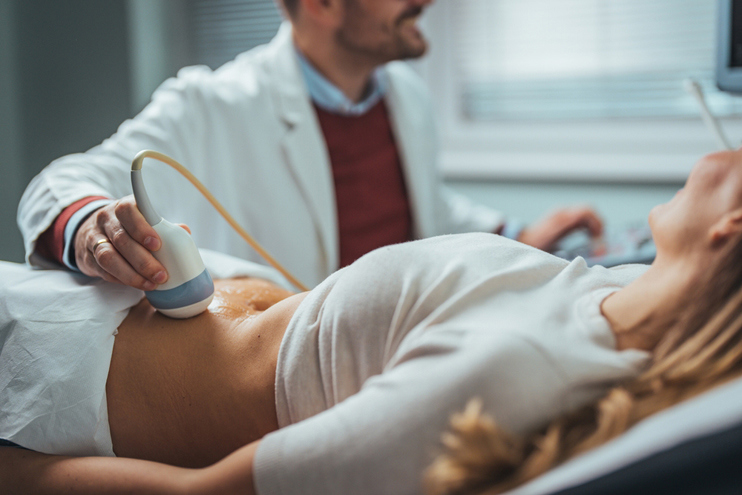
Pelvic ultrasound to assess uterine shape and lining thickness
Endometrial biopsy to rule out precancerous or cancerous conditions
Pap smear and STD screening, if needed
Dr. Jeong will discuss all options, explain risks and benefits, and confirm that endometrial ablation is appropriate for your goals and medical profile.
2. On the Day of the Procedure
No incisions are made. The device is inserted through the cervix.
The procedure is performed under local anesthesia with light sedation, or general anesthesia if requested or necessary.
Most women feel mild to moderate cramping similar to menstrual cramps.
The entire process typically takes 20–30 minutes.
3. Recovery and Aftercare
Patients go home the same day.
Some vaginal discharge or spotting is normal for 1–2 weeks.
Over-the-counter pain relief (e.g., ibuprofen) is usually sufficient.
Avoid intercourse, tampon use, and swimming for about 1 week or as advised.
We schedule follow-up appointments to monitor your recovery and ensure optimal results.
Effectiveness and Long-Term Outcomes
Endometrial ablation is very effective for appropriately selected patients:
80%+ of women report significantly lighter periods or complete cessation
30–50% of women stop having periods entirely
High satisfaction rates and improved quality of life
Most women can resume normal activities within 24 to 72 hours
For women with smaller fibroids or mild adenomyosis, ablation may be combined with other minimally invasive treatments for better results.
Risks and Considerations
As with any procedure, endometrial ablation carries some risks, although complications are rare. These may include:
Uterine perforation
Infection
Thermal injury to surrounding tissues
Post-ablation syndrome (rare accumulation of blood if the uterus scars shut)
Limitations:
Not suitable for women desiring future pregnancy
May not be effective for women with large fibroids, severe adenomyosis, or an abnormally shaped uterus
Menstruation may gradually return over time in some women
Dr. Jeong provides clear guidance on whether ablation is the right solution or if alternatives such as hormonal IUDs, laparoscopic surgery, or uterine artery embolization may be better options.
Holistic and Personalized Care at Second Spring

At Second Spring Women’s Clinic, our goal is to empower women through personalized care that blends advanced technology with a deep understanding of each woman’s health journey. Our approach includes:
Individual consultation: Every patient meets one-on-one with Dr. Jeong to discuss symptoms, concerns, and personal preferences.
Advanced diagnostics: We use high-resolution imaging and lab testing to ensure a precise diagnosis.
Multilingual care: Services are offered in Korean and English to accommodate international patients and expats.
Emphasis on comfort and dignity: We prioritize respectful, confidential, and patient-centered treatment experiences.
Our team provides ongoing support after treatment, including lifestyle counseling, nutritional guidance, and symptom monitoring to promote long-term wellness.
Endometrial Ablation vs. Other Treatments
Treatment Option | Invasiveness | Recovery Time | Uterus Preserved | Long-Term Hormones | Pregnancy Safe? |
|---|---|---|---|---|---|
Hormonal Therapy | Non-invasive | Immediate | Yes | Yes | Yes |
IUD (LNG) | Minimally | 1 day | Yes | Local only | No |
Endometrial Ablation | Minimally | 1-3 days | Yes | No | No |
Hysterectomy | Surgical | 4-6 weeks | No | No | No |
This table illustrates how ablation provides a middle ground for women who want a longer-lasting solution than medication, without undergoing major surgery.
Schedule Your Consultation at Second Spring
If heavy periods are limiting your lifestyle and you’re looking for a solution that’s effective, safe, and long-lasting, consider speaking to Dr. Seon-Hwa Jeong about whether endometrial ablation is right for you.
Second Spring Women’s Clinic – Gangnam, Seoul
Dr. Seon-Hwa Jeong – Expert in Minimally Invasive Gynecology
Consultations available in Korean and English
Take the first step toward lighter periods and better health. Let us help you embrace your second spring.