Women's Healthcare Guided by an Experienced OB/GYN Specialist in Seoul
en-US
Endometriosis Pain Management: What Really Works?
Explore effective strategies for managing endometriosis pain. Discover proven treatments and expert tips for relief in this comprehensive guide.
Introduction
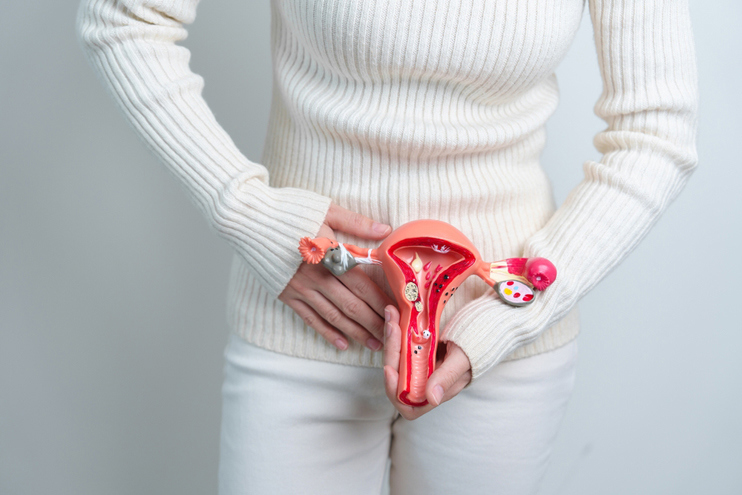
Endometriosis is a common but often misunderstood condition that affects millions of women worldwide, causing persistent and sometimes severe pelvic pain. The pain can be debilitating, interfering with daily life, and impacting emotional well-being. Endometriosis pain can occur during menstruation, intercourse, and even bowel movements, and it often worsens over time without treatment.
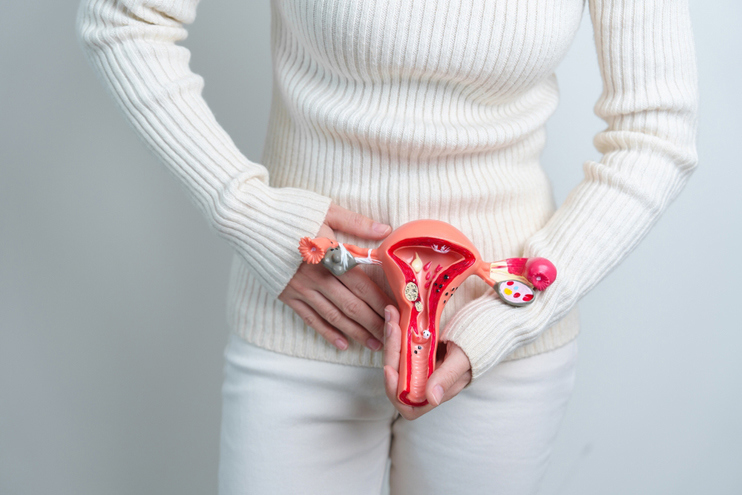
Effective pain management is crucial for improving quality of life and reducing the burden of endometriosis. At Second Spring Women’s Clinic, we understand how overwhelming chronic pain can be, and we are committed to providing personalized, compassionate care for our patients. Our expert team, led by Dr. Seon-Hwa Jeong, specializes in treating endometriosis and offers cutting-edge solutions for managing pain effectively.
Understanding Endometriosis and Its Pain
Endometriosis occurs when tissue similar to the lining of the uterus (endometrium) grows outside the uterus, often affecting the ovaries, fallopian tubes, and the outer surface of the uterus. This abnormal tissue growth causes inflammation, scar tissue (adhesions), and cysts. As the tissue responds to the menstrual cycle, it can bleed, leading to pain and swelling in the surrounding areas.
The pain caused by endometriosis can vary greatly. Some women experience mild discomfort, while others suffer from severe, debilitating pain. Common symptoms of endometriosis include chronic pelvic pain, painful periods, pain during intercourse, and bowel or bladder pain. Endometriosis can also lead to infertility, further compounding the emotional toll it takes on patients.
Understanding the root causes of endometriosis-related pain helps in formulating a treatment plan. Inflammation and nerve involvement from the abnormal tissue growth are key factors contributing to the pain. Treatment strategies often aim to address these underlying causes, either through medication, surgery, or alternative therapies.
Conventional Pain Management Options
Managing endometriosis pain typically starts with conventional methods, including medication and hormonal therapies. These treatments are often the first step in providing relief and helping to reduce symptoms.
Pain Medications for Endometriosis
Nonsteroidal anti-inflammatory drugs (NSAIDs) like ibuprofen and naproxen are commonly used to manage mild to moderate pain associated with endometriosis. These medications work by reducing inflammation, providing relief from pain during menstruation or flare-ups. For more intense pain, doctors may prescribe stronger pain medications, including opioids, but these are used with caution due to potential side effects and the risk of dependency.
In addition to oral medications, over-the-counter topical pain relief options, such as heating pads or pain-relieving creams, can also provide additional comfort and reduce muscle tension in the pelvic area.
Hormonal Therapies for Pain Relief
Hormonal therapies aim to regulate and suppress the menstrual cycle, which in turn helps to reduce the growth of endometrial tissue. The use of hormonal birth control, such as birth control pills, patches, or the IUD, can significantly reduce the symptoms of endometriosis. These treatments work by lowering estrogen levels, which is the hormone that stimulates the growth of endometrial tissue.
For women who do not respond to birth control, doctors may recommend more aggressive hormonal therapies, such as GnRH agonists or progestin-based medications. These medications stop menstruation entirely, providing relief from pain and reducing the size of the endometrial lesions. However, long-term use of these treatments can have side effects like bone thinning, so they are typically used in short intervals or in combination with other therapies.
Surgical Options for Endometriosis Pain Relief
For women who do not find relief from medications or those with more severe cases of endometriosis, surgery may be considered. Surgical interventions aim to remove or destroy the endometrial tissue causing pain and to alleviate symptoms.
Laparoscopic Surgery
Laparoscopic surgery, also known as keyhole surgery, is a minimally invasive procedure used to treat endometriosis. During this procedure, a small camera is inserted through small incisions in the abdomen to locate and remove endometrial lesions. This method is preferred due to its precision, shorter recovery time, and lower risk of complications compared to traditional open surgery.
Laparoscopy can provide significant pain relief by removing or destroying the abnormal tissue. It may also improve fertility in women who are trying to conceive, although this depends on the extent of the endometriosis. For many women, laparoscopic surgery offers the most effective long-term relief from endometriosis pain.
Hysterectomy
In some cases, particularly for women who no longer wish to have children, a hysterectomy may be recommended. A hysterectomy involves the removal of the uterus and sometimes the ovaries. While this procedure can be highly effective in treating endometriosis-related pain, it is typically considered a last resort due to its irreversible nature and potential side effects.
It is important to note that while removing the uterus can eliminate certain symptoms, it does not always guarantee complete relief from pain, especially if endometriosis is present in other areas of the pelvic cavity.
Alternative and Complementary Therapies
In addition to conventional treatments, many individuals with endometriosis explore alternative and complementary therapies to manage their pain and improve their overall well-being. These therapies can be effective in conjunction with medical treatments or when patients are seeking more natural pain management options.
Acupuncture
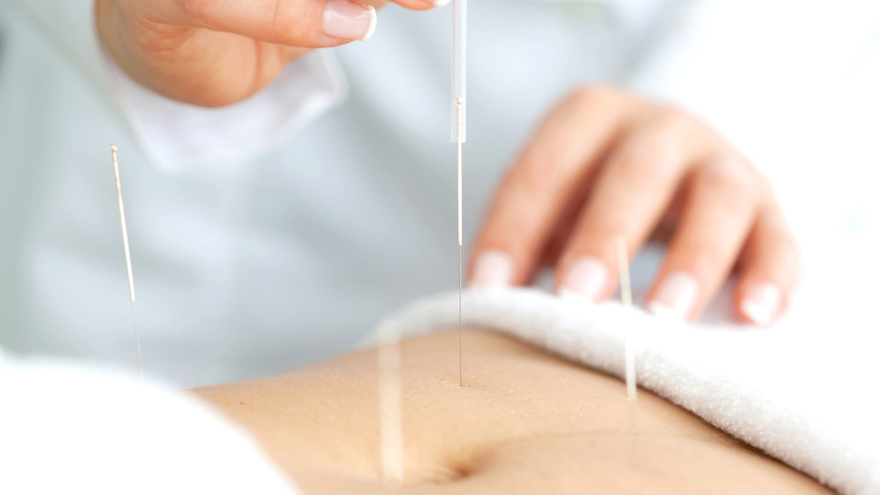
Acupuncture, a component of traditional Chinese medicine, involves the insertion of thin needles at specific points on the body to stimulate energy flow and promote healing. Studies have shown that acupuncture may help alleviate the pain associated with endometriosis by improving blood circulation, reducing inflammation, and triggering the release of endorphins, the body's natural pain-relieving chemicals.
For many women with endometriosis, acupuncture offers a non-invasive and drug-free option for pain relief, particularly for those who wish to avoid the side effects of medications. It can also help reduce stress, which may exacerbate pain symptoms.
Pelvic Floor Therapy
Pelvic floor therapy focuses on strengthening and relaxing the muscles of the pelvic region. Women with endometriosis often experience pelvic muscle tension, which can worsen pain and discomfort. Pelvic floor physical therapy can address these issues by teaching patients specific exercises to improve muscle tone, flexibility, and coordination.
A trained pelvic floor therapist can help patients with endometriosis work through muscle tightness, improve posture, and reduce pain during menstruation and sexual activity. This therapy can be particularly beneficial when pelvic pain is associated with muscle dysfunction.
Dietary Changes and Supplements
Certain dietary changes and supplements may help reduce inflammation and alleviate pain for some women with endometriosis. Research suggests that an anti-inflammatory diet, rich in omega-3 fatty acids, fruits, vegetables, and whole grains, can help lower the body's overall inflammation levels.
Supplements such as omega-3 fish oil, turmeric (which contains curcumin), and magnesium have been shown to have anti-inflammatory properties and may provide additional pain relief. However, it's important for patients to consult with a healthcare provider before starting any new supplements to ensure they are safe and effective for their individual needs.
Managing Endometriosis Pain During Menstrual Cycles
For many women, endometriosis pain is most severe during menstruation. The hormonal fluctuations that occur during the menstrual cycle can cause the endometrial tissue to become inflamed and bleed, leading to intensified pain. Managing menstrual-related pain is a key aspect of treating endometriosis, and there are various ways to cope with the discomfort during this time.
Heat Therapy
Using heat therapy, such as heating pads or hot water bottles, is a simple yet effective way to ease menstrual cramps and pelvic discomfort. Applying heat to the lower abdomen can help relax the muscles, improve blood flow, and alleviate the cramping pain associated with menstruation. Many women with endometriosis find that heat therapy significantly reduces the intensity of their pain during their periods.
Stress Management and Exercise
Stress can exacerbate endometriosis pain, and managing stress effectively can lead to improved symptoms. Techniques such as meditation, yoga, deep breathing exercises, and mindfulness can help reduce tension and promote relaxation. Regular exercise, especially low-impact activities like walking or swimming, can also help reduce stress, improve circulation, and release endorphins, which act as natural pain relievers.
Pre-Surgical Assessments and Safety Protocols
Before undergoing any surgical procedure for endometriosis, it is essential for patients to undergo a comprehensive pre-surgical assessment. This ensures that the treatment plan is tailored to the specific needs of the patient and that all potential risks are considered.
Diagnostic Imaging
A key component of pre-surgical evaluation is diagnostic imaging. Pelvic ultrasounds, MRI scans, or even laparoscopic assessments are often used to examine the extent of the endometrial tissue and determine the most effective surgical approach. Imaging helps the surgeon assess the size, location, and severity of the endometriosis lesions, which is crucial for planning the best course of action.
Personalized Treatment Plans
At Second Spring Women’s Clinic, Dr. Seon-Hwa Jeong and her team work closely with patients to develop personalized treatment plans that address both their medical needs and personal preferences. Whether the patient is considering surgery or opting for other forms of treatment, a thorough assessment ensures that every decision is made with the patient’s best interests in mind.
Post-Surgery Recovery and Follow-up Care
Post-surgery care is an essential part of the recovery process. After undergoing surgery for endometriosis, patients require time to heal and adjust to their new treatment regimen. Recovery times vary depending on the type of surgery performed, but most patients experience relief from pain within a few weeks to months following the procedure.

Managing Pain After Surgery
Immediately following surgery, patients may experience some post-operative pain, which can usually be managed with prescribed pain medications and over-the-counter pain relievers. At Second Spring Women’s Clinic, we provide detailed instructions for managing post-surgery pain, including recommended medications, rest, and follow-up care.
Hormonal Therapy Post-Surgery
Hormonal therapy is often prescribed after surgery to reduce the risk of endometriosis returning. These therapies may include birth control pills, hormonal IUDs, or GnRH agonists to suppress menstruation and prevent the regrowth of endometrial tissue. Regular follow-up visits ensure that the hormonal therapy is working effectively and that the patient’s recovery is progressing smoothly.
Long-Term Monitoring and Support
Recovery from endometriosis surgery is an ongoing process, and Second Spring Women’s Clinic provides continuous monitoring and support. Follow-up appointments are scheduled to assess pain levels, address any complications, and adjust treatment plans as needed. Our goal is to ensure that patients achieve the best possible outcomes and enjoy long-term relief from endometriosis symptoms.
Global Perspectives on Endometriosis Pain Management
Endometriosis is a global health issue, and the approaches to managing pain vary depending on available resources, cultural factors, and healthcare systems in different parts of the world. While developed countries often have access to advanced treatments and surgical options, access to effective care remains limited in many regions. The global disparity in endometriosis management highlights the need for increased awareness, education, and research on this condition.
Treatment Approaches Around the World
In many Western countries, treatments such as laparoscopic surgery, hormonal therapies, and advanced pain management techniques are widely accessible. Countries with well-established healthcare systems provide a range of options for women, including multidisciplinary approaches that combine surgery, medication, physical therapy, and alternative treatments.
In contrast, women in low- and middle-income countries may have limited access to advanced medical care. Diagnosis can be delayed, and treatments such as laparoscopic surgery or hormonal medications may be less accessible due to financial or logistical constraints. This underscores the importance of raising awareness about endometriosis and improving access to treatment worldwide.
International Patients at Second Spring Women’s Clinic
At Second Spring Women’s Clinic, we welcome international patients seeking expert care for endometriosis pain management. Our clinic provides state-of-the-art treatments and a compassionate approach to patient care. Whether you are dealing with chronic pain or seeking fertility preservation, our experienced team, led by Dr. Seon-Hwa Jeong, is dedicated to providing tailored treatment options and ensuring the best possible outcomes for each patient, regardless of their location.
The Role of Second Spring Women’s Clinic in Endometriosis Pain Management
At Second Spring Women’s Clinic, we understand the physical and emotional challenges that women with endometriosis face. Our clinic is committed to offering personalized, cutting-edge treatments for pain relief and improving overall quality of life. Led by Dr. Seon-Hwa Jeong, an expert in women's health, we provide a holistic approach to managing endometriosis, ensuring that each patient receives the care they need to live a fuller, more comfortable life.
Personalized Treatment Plans
Every patient is unique, and at Second Spring Women’s Clinic, we develop individualized treatment plans tailored to each woman's specific condition and symptoms. Whether you need medical treatments, surgical options, or a combination of therapies, we focus on addressing your specific pain points and goals. Our clinic offers a comprehensive range of services, from the latest in hormonal therapies to minimally invasive laparoscopic surgeries, ensuring that you receive the most appropriate treatment for your needs.
Innovative Approaches and Advanced Technology
Our clinic uses the latest medical technology and advanced techniques to ensure the highest level of care. With access to state-of-the-art diagnostic tools, including ultrasound and MRI scans, we can accurately assess the extent of endometriosis and design the most effective treatment plan. Additionally, we offer minimally invasive surgeries such as laparoscopic procedures, which provide quicker recovery times and less postoperative discomfort compared to traditional surgery.
Conclusion
Endometriosis pain management is complex, and the path to relief may require a combination of approaches, from medications and hormones to surgery and alternative therapies. The key to successful management is finding a treatment plan that addresses both the physical and emotional aspects of the condition. By seeking timely, expert care, many women with endometriosis can achieve significant pain relief and regain control over their lives.
At Second Spring Women’s Clinic, we are committed to helping women manage their endometriosis pain effectively. With our personalized care, innovative treatments, and compassionate support, we offer a path to relief and a better quality of life for all our patients. If you are struggling with endometriosis, don't hesitate to contact us for a consultation. Let us help you find the right solution for your needs and improve your well-being.