Women's Healthcare Guided by an Experienced OB/GYN Specialist in Seoul
en-US
Fertility After Birth Control: What to Expect
Wondering about fertility after birth control? Learn what to expect, how soon you can conceive, and tips for a smooth transition. Start planning today!
Fertility After Birth Control: What to Expect
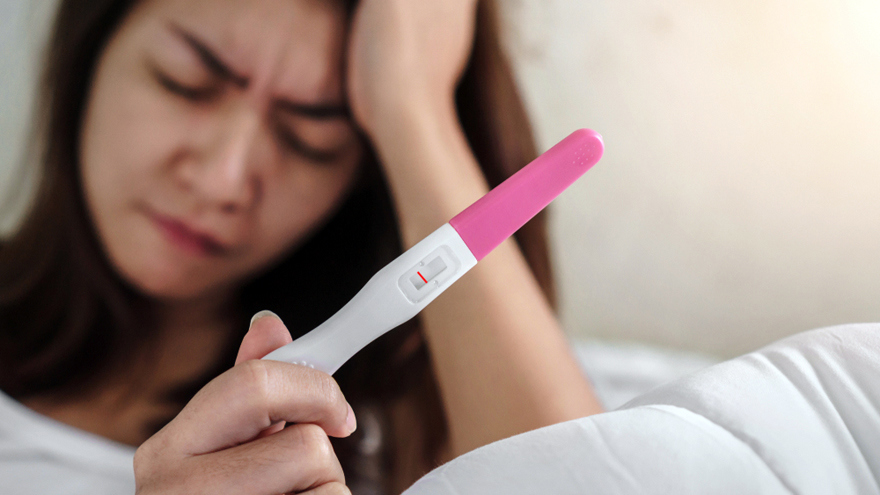
For many women, birth control is a trusted companion throughout their reproductive years. It offers the freedom to plan, prevent, or delay pregnancy. But when the time comes to conceive, a common question arises: "How long will it take to get pregnant after stopping birth control?"
The answer depends on several factors, including the type of contraception used, your age, overall reproductive health, and your body’s natural cycle regulation. At Second Spring Women’s Clinic in Gangnam, Seoul, we often guide women through this important transition — from preventing pregnancy to preparing for it. Here’s what you need to know about returning fertility after stopping birth control.
Understanding How Birth Control Works
Before we dive into what happens after stopping birth control, it’s helpful to understand how it works in the first place. Most birth control methods function by interrupting the natural reproductive process in one or more ways:
Hormonal birth control (such as pills, patches, injections, rings, and hormonal IUDs) typically suppresses ovulation, thickens cervical mucus, and thins the uterine lining, making it difficult for sperm to reach and fertilize an egg.
Non-hormonal methods, such as copper IUDs, create a local environment that is toxic to sperm but do not alter your hormonal cycle.
Barrier methods, like condoms or diaphragms, prevent sperm from reaching the egg but do not influence ovulation or the menstrual cycle.
The timeline for fertility to return will differ depending on which method was used.
How Soon Can You Get Pregnant After Stopping Birth Control?
1. Oral Contraceptive Pills
For most women, ovulation resumes quickly after stopping the birth control pill. In fact, many will begin ovulating within two to four weeks, and pregnancy is possible during the first cycle off the pill.
However, some women may take several months for their menstrual cycles to become regular again. This is particularly true if they had irregular cycles before starting the pill. It’s important to note that the pill may have masked underlying cycle irregularities, such as PCOS or thyroid imbalances.
Fertility Outlook: 80-90% of women will conceive within 12 months after stopping the pill.
2. Intrauterine Devices (IUDs)
Hormonal IUD (e.g., Mirena, Kyleena): Once removed, fertility typically returns quickly — often within the first cycle.
Copper IUD (non-hormonal): Because it doesn’t affect ovulation, fertility resumes immediately after removal.
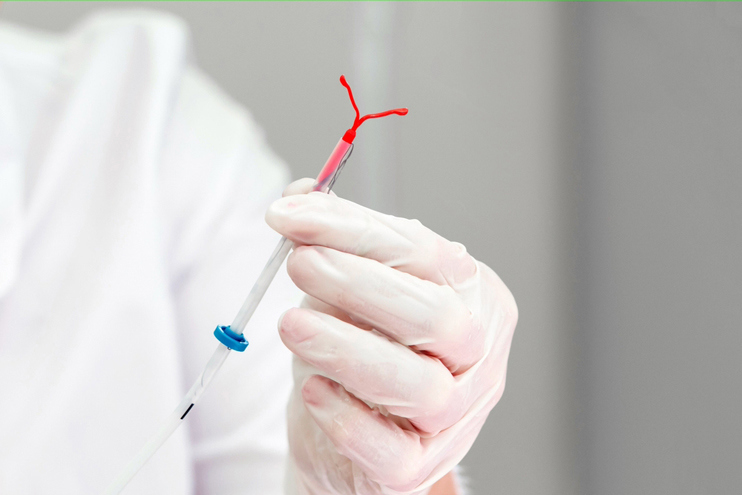
Fertility Outlook: Most women will resume ovulation within 30 days of IUD removal and can conceive within a few months.
3. Contraceptive Injection (e.g., Depo-Provera)
The injectable form of birth control can have the most prolonged impact on fertility. While it is highly effective during use, it may take 6 to 12 months, or even longer, for ovulation to resume after your last injection.
This delay does not mean permanent infertility — it’s simply a longer waiting period for your body to clear the synthetic hormone (medroxyprogesterone acetate) and restart its natural rhythm.
Fertility Outlook: Full return of fertility may take up to 18 months, but most women conceive within 2 years.
4. Birth Control Implants (e.g., Nexplanon)
Implants release a steady dose of hormones to prevent ovulation. Once removed, fertility usually returns rapidly — typically within 1 to 3 months. Some women may even ovulate within days.
Fertility Outlook: Many women can conceive within the first 6 months after removal.
5. Vaginal Ring & Contraceptive Patch
These hormonal methods, similar to the pill, allow for a quick return to fertility after discontinuation. Most users will ovulate within a few weeks.
Fertility Outlook: Pregnancy is possible within 1-3 months after stopping use.
Factors That Influence Return to Fertility
While birth control plays a central role, several other factors can influence how quickly your body transitions back to a fertile state:
1. Age
Age is a significant factor in fertility. A woman’s fertility naturally begins to decline in her early 30s and more sharply after 35. If you're stopping birth control in your late 30s or early 40s, it may take longer to conceive — but not necessarily because of the contraception itself.
2. Body Weight and Lifestyle
A healthy body weight, balanced diet, regular exercise, and stress management all support optimal fertility. Underweight or overweight women may experience hormonal imbalances that delay the return of ovulation.
3. Pre-existing Health Conditions
If you had irregular periods before starting birth control, it may signal conditions like PCOS (polycystic ovary syndrome), thyroid dysfunction, or endometriosis. These issues may re-emerge after stopping birth control and can impact fertility.
4. Nutrient Deficiencies
Long-term birth control use may affect nutrient levels such as folate, B vitamins, and magnesium — all of which are important for reproductive health. Supplementing as you transition off birth control can help support your fertility.
Can I Get Pregnant Immediately After Stopping Birth Control?
Yes — and many women do. Ovulation can resume quickly, especially after stopping oral contraceptives, IUDs, or implants. If you’re not ready to conceive immediately, it’s important to use alternative contraception during this transition.
On the other hand, if you're actively trying to get pregnant, it's a good idea to begin tracking your cycles right away to understand your ovulation pattern.
What to Expect in the First Few Months Off Birth Control?
1. Cycle Irregularity
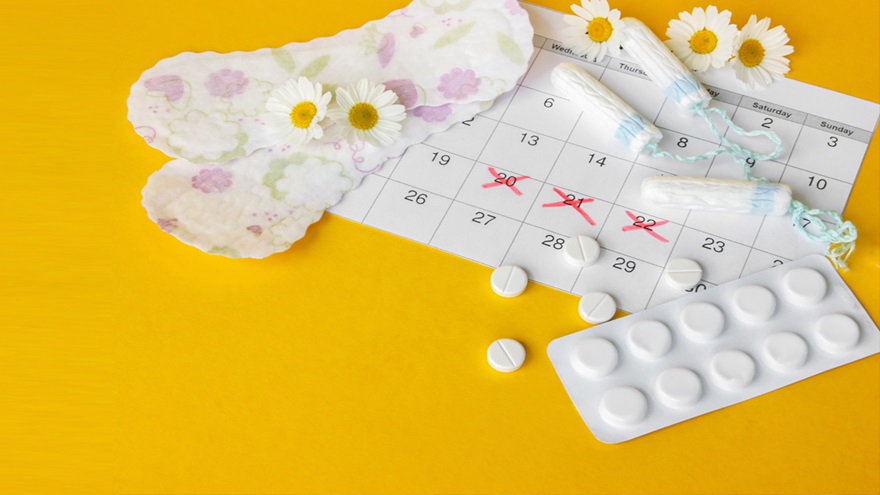
Your menstrual cycle may take time to regulate, especially after years of hormonal contraception. Periods may be shorter, longer, heavier, or lighter than you remember.
2. Ovulation Tracking May Be Tricky
You may notice increased cervical mucus, mild cramping (mittelschmerz), or changes in libido — signs of ovulation returning. Tools like ovulation predictor kits, basal body temperature charts, or apps can help identify your fertile window.
3. Hormonal Fluctuations
Some women experience acne, mood swings, or breast tenderness as their natural hormones reestablish. These usually stabilize within 3-6 months.
When Should You Seek Help?
At Second Spring Women’s Clinic, we recommend seeking guidance if:
You’re under 35 and haven’t conceived after 12 months of trying.
You’re over 35 and haven’t conceived after 6 months.
You have irregular or absent periods after 3-6 months off birth control.
You had underlying health issues masked by contraception (e.g., PCOS, endometriosis).
Early evaluation can help identify and address any obstacles to conception, such as ovulatory dysfunction, hormonal imbalance, or tubal issues. Our clinic offers personalized fertility assessments and advanced diagnostics to support your journey.
Supporting Your Fertility After Birth Control
Here are proactive steps you can take to support reproductive health as you transition off contraception:
1. Preconception Check-Up
Schedule a fertility consultation to assess hormone levels, ovarian reserve (AMH test), and general reproductive health. This can provide clarity and confidence as you begin your fertility journey.
2. Start Prenatal Supplements
Begin taking folic acid (400–800 mcg daily) at least 1 month before trying to conceive. A high-quality prenatal vitamin also supports egg quality and hormonal balance.
3. Track Your Menstrual Cycle
Use a calendar, app, or ovulation predictor kits to learn your cycle pattern and identify your fertile window. This makes timing intercourse for conception more effective.
4. Adopt a Fertility-Friendly Lifestyle
Eat a balanced diet rich in whole foods, antioxidants, and healthy fats.
Reduce caffeine and alcohol intake.
Avoid smoking and exposure to environmental toxins.
Get regular, moderate exercise.
Prioritize sleep and stress reduction.
How Second Spring Women’s Clinic Can Help?
Transitioning from contraception to conception can feel both exciting and uncertain. At Second Spring Women’s Clinic, we’re here to guide you every step of the way.
Our fertility support services include:
Preconception planning and counseling
Hormone and ovulation testing
Ultrasound monitoring
Ovarian reserve evaluation (AMH, AFC)
Fertility preservation for those not ready to conceive
Customized care plans based on your goals and health history
Whether you’re just starting your journey or have encountered difficulties, Dr. Seon-Hwa Jeong and our experienced team are dedicated to helping you achieve a healthy, supported transition from birth control to motherhood — whenever the time is right for you.
Final Thoughts
Your body is resilient and intelligent — and in most cases, fertility returns naturally after stopping birth control. While the timeline varies from woman to woman, patience, awareness, and the right support can make all the difference.
If you’re considering pregnancy or want to assess your reproductive health after birth control, Second Spring Women’s Clinic in Seoul is here to provide expert, compassionate care. Let us be your partner in this new chapter of life.
Ready to begin your fertility journey?
Schedule your personalized consultation with Dr. Seon-Hwa Jeong today and take the first step with confidence and clarity.