CLINICAL ARTICLE · SECOND SPRING WOMEN'S CLINIC
Hormone-Free Hot Flash Solutions Backed by Science
Discover hormone-free hot flash solutions backed by science. Find effective, natural relief for menopause symptoms. Feel better—explore your options now!
In-Depth Medical Guide
Hormone-Free Hot Flash Solutions Backed by Science
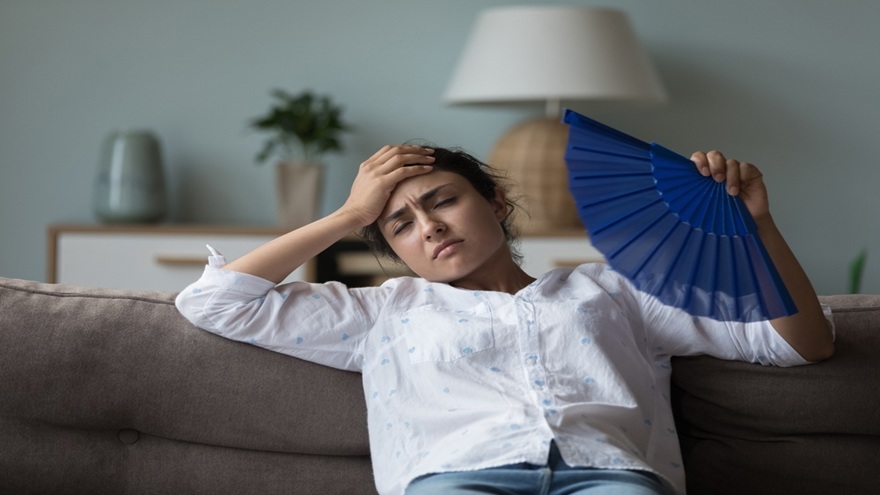
Hot flashes are among the most disruptive and well-known symptoms of perimenopause and menopause. Characterized by sudden feelings of intense heat, sweating, flushed skin, and sometimes heart palpitations or dizziness, hot flashes can occur several times a day, lasting from a few seconds to several minutes. For many women, they interfere with daily life, sleep, and overall well-being. While hormone replacement therapy (HRT) is a common and effective treatment, not all women can or wish to use hormones. Fortunately, a growing body of research supports a variety of hormone-free solutions for managing hot flashes safely and effectively.

At Second Spring Women’s Clinic in Gangnam, Seoul, we specialize in integrative, evidence-based care for women navigating menopause and other hormonal transitions. This article will explore scientifically supported, hormone-free approaches to alleviating hot flashes, ranging from lifestyle adjustments to advanced clinical treatments.
Understanding Hot Flashes Without Hormones
Hot flashes are caused by changes in the body’s thermoregulatory system, which is influenced by fluctuating estrogen levels. The hypothalamus, the brain’s temperature regulator, becomes more sensitive to slight changes in body temperature during menopause. This heightened sensitivity can trigger the body to react as if it is overheating, prompting sweating and increased heart rate.
For women who want to avoid hormone therapy due to personal preference, cancer history (especially estrogen-sensitive cancers like breast cancer), or other medical reasons, there are multiple non-hormonal strategies that are both safe and scientifically validated.
Lifestyle Modifications with Clinical Backing
Making intentional changes to daily habits can significantly reduce the frequency and severity of hot flashes.
a. Dietary Adjustments

Several studies suggest that what you eat can influence hot flash intensity. Diets rich in whole grains, fruits, vegetables, and legumes have anti-inflammatory properties that support overall hormonal balance.
Phytoestrogens, plant compounds found in soy, flaxseed, lentils, and chickpeas, may offer mild estrogen-like effects that can reduce hot flashes. Research from the North American Menopause Society suggests consistent soy intake can lead to modest improvements.
Limiting alcohol, caffeine, spicy foods, and sugar may help prevent hot flash triggers.
b. Weight Management
Research shows that women with a higher body mass index (BMI) tend to experience more severe hot flashes. Losing even 5–10% of body weight through healthy eating and exercise has been associated with fewer and less intense hot flashes.
c. Regular Exercise
Although exercise doesn’t eliminate hot flashes entirely, it reduces stress, improves sleep, and enhances mood—all factors that indirectly help manage menopausal symptoms. Moderate aerobic activity (like brisk walking, swimming, or cycling) for at least 150 minutes per week is recommended.
Mind-Body Techniques with Proven Results
Stress and anxiety often exacerbate hot flashes. Mind-body techniques can help re-regulate the body’s stress response and reduce hot flash episodes.
a. Cognitive Behavioral Therapy (CBT)
CBT is a structured, short-term psychological intervention that helps patients manage negative thought patterns. Studies published in journals like Menopause and The Lancet have shown that CBT can reduce the impact and frequency of hot flashes, especially when they interfere with sleep and quality of life.
CBT techniques include:
Thought reframing
Sleep hygiene education
Relaxation training
Mindfulness exercises
b. Mindfulness-Based Stress Reduction (MBSR)
This structured program combines meditation, body awareness, and yoga. Clinical trials have shown that MBSR reduces the severity of hot flashes and improves psychological symptoms such as irritability and anxiety.

c. Breathing Exercises
Practicing paced respiration (slow, deep breathing at a rate of 6–8 breaths per minute) can reduce hot flash frequency. A study in Obstetrics & Gynecology found that daily breathing exercises lowered vasomotor symptoms significantly over 9 weeks.
Supplements and Natural Remedies Backed by Research
While many supplements are marketed for menopause, only a few have scientific evidence supporting their effectiveness. At Second Spring, we guide patients toward clinically evaluated supplements for safety and efficacy.
a. Black Cohosh
This herb is one of the most studied natural treatments for hot flashes. Some research supports its effectiveness in reducing frequency and intensity, especially when used for short periods (under six months). However, it's essential to use standardized extracts under medical supervision due to potential liver risks.
b. Vitamin E
Low-dose Vitamin E (400 IU/day) has shown modest benefit in reducing hot flashes in some women, particularly when taken consistently.
c. Omega-3 Fatty Acids
Found in fish oil, flaxseed, and walnuts, omega-3s may help reduce hot flashes and improve mood. While not a primary treatment, omega-3 supplementation offers cardiovascular benefits and may support hormonal health overall.
d. Evening Primrose Oil
Though evidence is mixed, some women report improvements in hot flash severity. This oil contains gamma-linolenic acid (GLA), an anti-inflammatory compound. It is best used as part of a broader treatment plan.
e. Rhodiola Rosea and Adaptogens
Adaptogenic herbs like Rhodiola and Ashwagandha help modulate the body’s stress response. Clinical studies suggest they may improve fatigue, sleep, and resilience, indirectly reducing hot flash symptoms.
Important Note: Supplements can interact with medications or be unsafe for certain conditions. Always consult a healthcare provider before starting new supplements.
Non-Hormonal Prescription Medications
For women who need stronger relief but cannot use hormones, several non-hormonal medications have shown efficacy in clinical trials.
a. SSRIs and SNRIs
Selective serotonin reuptake inhibitors (SSRIs) like paroxetine and serotonin-norepinephrine reuptake inhibitors (SNRIs) like venlafaxine have been shown to reduce hot flashes by up to 60% in some women.
These medications are typically used for mood disorders, but their effect on neurotransmitters also helps modulate the body’s temperature regulation system.
b. Gabapentin
Originally developed for epilepsy and nerve pain, gabapentin has been proven to reduce hot flash severity, especially nighttime episodes. It is particularly helpful for women who experience hot flash-related insomnia.
c. Clonidine
An older medication used for high blood pressure, clonidine has modest benefit in treating hot flashes. It is less commonly used due to its side effect profile but may be suitable for certain patients.
These options should always be prescribed and monitored by a gynecologist or menopause specialist.
Emerging Therapies and Advanced Clinical Treatments
At Second Spring Women’s Clinic, we stay up-to-date with the latest innovations in menopausal care. Several advanced, hormone-free approaches are being used successfully to manage hot flashes.
a. Neurokinin B Receptor Antagonists
A new class of drugs under development, neurokinin B (NKB) receptor antagonists directly target the brain pathways involved in thermoregulation. Early clinical trials show significant promise in reducing hot flashes without affecting estrogen levels. These medications are not yet widely available but represent a future option for hormone-free therapy.
b. Acupuncture
Used in traditional Korean and Chinese medicine for centuries, acupuncture has gained clinical recognition for its ability to reduce menopausal symptoms. Research published in BMJ and Menopause journals suggests acupuncture can significantly reduce hot flashes and improve sleep and mood.
Our clinic offers integrative treatments that combine modern gynecology with evidence-based traditional approaches, including acupuncture and herbal medicine.
c. Low-Level Laser Therapy (LLLT)
Though primarily used for skin and musculoskeletal conditions, LLLT is being explored for its effects on autonomic nervous regulation. Preliminary studies suggest it may help stabilize the body’s temperature response and reduce hot flash frequency in some patients.
A Personalized, Hormone-Free Approach at Second Spring
At Second Spring Women’s Clinic, we believe that the right treatment is the one tailored to your unique physiology, lifestyle, and medical background. That’s why we take a comprehensive, individualized approach to managing hot flashes:
In-depth assessment of hormonal status, lifestyle, and symptom patterns
Lab tests and body composition analysis if needed
A combination of lifestyle guidance, mind-body techniques, non-hormonal medications, and advanced therapies
We understand that menopause is not a disease but a natural phase of life that deserves respectful, science-backed care.
Whether you are seeking relief from hot flashes, mood swings, or insomnia, our clinic offers compassionate, integrative solutions in both Korean and English to meet your health goals without hormones.
Final Thoughts: Empowering Women Through Choice
Hormone-free doesn’t mean helpless. There are numerous effective, science-backed options for managing hot flashes and improving quality of life during menopause. From CBT to cutting-edge pharmacology, Second Spring Women’s Clinic is here to help you navigate this journey with confidence and comfort.
If you're ready to explore hormone-free hot flash solutions, schedule a consultation today. Let us help you find the balance and vitality you deserve—naturally.
About Our Clinical Editorial Standards
Supervised by Dr. Seon-Hwa Jeong
All medical articles are reviewed for anatomical and clinical accuracy by our Board-Certified OB-GYN Specialist.
Tailored for International Patients
Includes practical guidance on consultation flow, same-day discharge, and recovery while visiting Seoul.
Private Follow-Up Available
Have questions about your personal symptoms? Message our coordinator directly on WhatsApp or LINE.
PRIVATE 1-ON-1 CONSULTATION · APGUJEONG, SEOUL
Begin Your Second Spring with Confidential Specialist Care
Connect with our international patient concierge via WhatsApp, LINE, or online inquiry. Every consultation is conducted 1-on-1 with Board-Certified OB-GYN Specialist Dr. Seon-Hwa Jeong in a serene, private setting.