Women's Healthcare Guided by an Experienced OB/GYN Specialist in Seoul
en-US
Hormone-Free Ways to Manage Hot Flashes
Discover hormone-free ways to manage hot flashes naturally. Explore safe, effective remedies for relief. Learn more and take control today!
Introduction
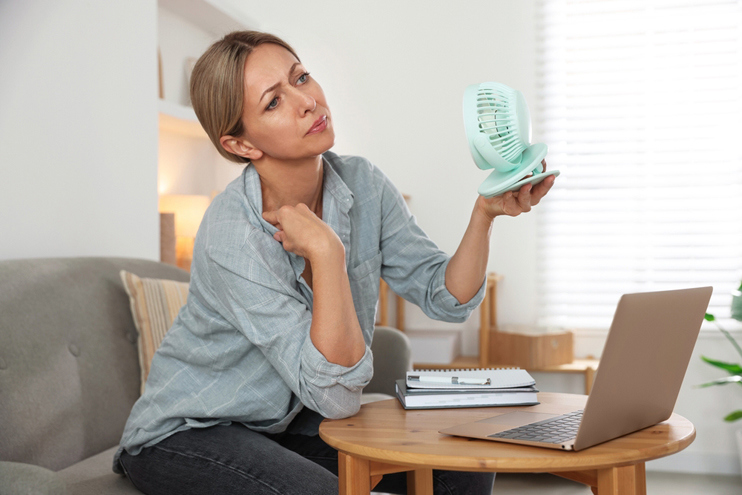
Hot flashes are among the most common and disruptive symptoms women experience during menopause and perimenopause. Characterized by sudden waves of heat, sweating, and a flushed face, these episodes can occur day or night and impact sleep, mood, and daily comfort.
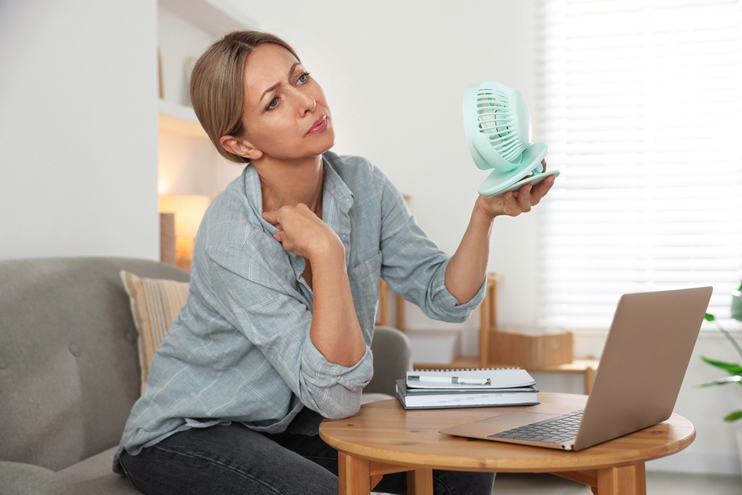
While hormone replacement therapy (HRT) has traditionally been used to manage hot flashes, many women seek hormone-free alternatives. Concerns about cancer risk, cardiovascular issues, and a desire for natural approaches have made hormone-free hot flash relief increasingly popular.
Fortunately, there are effective, non-hormonal methods to manage these symptoms. This article explores safe, evidence-based alternatives that help women reclaim their comfort without synthetic hormones.
Why Go Hormone-Free? Risks and Considerations of HRT
Hormone therapy can be effective, but it’s not without risks. Studies have linked prolonged HRT use to increased risks of breast cancer, stroke, and blood clots. For women with a history of certain cancers or cardiovascular disease, HRT is often discouraged.
That’s where non-hormonal treatments for hot flashes come in. From herbal remedies to acupuncture and lifestyle shifts, hormone-free options offer relief with fewer side effects and broader accessibility.
These alternatives appeal not just to women with medical contraindications to hormones but also to those who prefer natural, integrative care. For many, the goal isn’t just to treat symptoms—it’s to support long-term health and balance.
Understanding the Physiology of Hot Flashes
Hot flashes begin in the brain, not the skin. When estrogen levels drop during perimenopause and menopause, the brain’s hypothalamus—responsible for temperature regulation—can become confused. Even a slight change in core temperature can trigger a wave of heat, flushing, and sweating.
This means you don’t need hormones to manage hot flashes—you need to support the body’s natural regulation systems. Drug-free menopause relief works by calming the nervous system, improving blood flow, and reducing triggers like stress and inflammation.
By understanding how hot flashes occur, we can better target them with treatments that address the root cause—not just the symptoms.
Lifestyle Modifications as First-Line Therapies
Simple changes in daily habits can make a significant difference. Many women find relief through lifestyle changes for menopause symptoms, such as dressing in layers, avoiding spicy foods, and keeping the bedroom cool at night.
Cooling techniques for hot flashes—like using fans, cold packs, or moisture-wicking sheets—can help reduce discomfort during sudden heat episodes. Some women even keep chilled water bottles nearby or wear cooling scarves during the day.
These techniques are easy to implement, low-cost, and side-effect free. When used consistently, they can reduce the frequency and intensity of hot flashes significantly, especially when combined with other natural therapies.
Nutrition and Diet—How Food Can Help
What you eat can either ease or aggravate menopausal symptoms. Nutrition plays a powerful role in supporting hormone balance and reducing hot flashes naturally. A well-rounded diet filled with whole grains, fruits, vegetables, and healthy fats can help stabilize blood sugar and lower inflammation—two key contributors to hot flash severity.

Some foods contain phytoestrogens, which are plant compounds that mimic estrogen in the body. These include soy products (like tofu, edamame, and miso), flaxseeds, and legumes. Incorporating them into your daily meals may provide mild estrogenic effects without the risks associated with hormone replacement.
Limiting caffeine, alcohol, and spicy foods is also beneficial, as these are common triggers for hot flashes. Hydration is crucial too—drinking enough water helps regulate body temperature and reduce overheating episodes.
If you're exploring diet and lifestyle tips to manage hot flashes, consider working with a professional, such as a nutritionist, who can help tailor a plan to your body’s needs during menopause.
The Role of Exercise in Managing Hot Flashes
Regular movement can work wonders for hot flash relief. Exercise improves overall circulation, helps regulate body temperature, and reduces the intensity of stress-related hormone spikes. This can make a noticeable difference in how often and how severely you experience hot flashes.
You don’t need intense workouts—even moderate activities like walking, swimming, or yoga can be beneficial. Studies have shown that women who engage in regular physical activity report fewer and less intense hot flashes over time.
Incorporating exercise also enhances sleep quality and boosts mood—two areas often disrupted during menopause. As your body adapts, you may also find improved metabolism and a greater sense of control over your symptoms.
If you're seeking sustainable exercise for hot flash relief, choose activities you enjoy and can maintain consistently. A few sessions per week can bring both short-term comfort and long-term health benefits.
Stress Management and Cognitive Behavioral Therapy (CBT)
Stress doesn't just affect your mental well-being—it can directly trigger hot flashes. When you’re anxious or tense, your body temperature rises, and your nervous system becomes more reactive, making hot flashes more likely to strike.
That’s where stress reduction techniques and Cognitive Behavioral Therapy (CBT) come into play. CBT is a structured form of talk therapy that helps you manage your thoughts, emotions, and behaviors. In clinical studies, CBT has been shown to significantly reduce both the frequency and impact of hot flashes—even when no medications are involved.
Other stress-reduction tools include meditation, deep breathing exercises, mindfulness, and journaling. These practices help regulate your body’s stress response, supporting calmer and more stable physiological reactions.
Incorporating CBT for menopause symptoms can empower women to reclaim control over their experiences and manage triggers more effectively—without any drugs or hormones.
Herbal and Plant-Based Remedies
Herbal therapies offer promising results for many women seeking natural remedies for hot flashes. Plants like black cohosh, red clover, and dong quai have been traditionally used to ease menopausal symptoms—and today, many of them are backed by scientific studies.
Black cohosh, in particular, is one of the most studied herbs for menopause. It’s believed to act on serotonin receptors, which are involved in temperature regulation. While not a phytoestrogen, it can still be effective for managing symptoms.
Red clover contains natural plant estrogens that may help balance hormone levels gently, and dong quai, a staple in Chinese medicine, is known for promoting blood flow and supporting overall hormonal harmony.
It's important to consult with a qualified practitioner before starting herbal treatments. Not all products are created equal, and some may interact with medications or pre-existing conditions. For those seeking safe herbal alternatives for hormone replacement, guided support ensures both effectiveness and safety.
Soy Isoflavones and Plant Estrogens
Soy-based foods are among the most widely researched natural solutions for menopausal symptoms. Rich in isoflavones, soy acts as a plant-based estrogen—helping to mimic the effects of declining estrogen levels without introducing synthetic hormones into the body.
Countries like Japan, where diets are traditionally high in soy, report fewer and milder hot flashes among menopausal women. Scientific studies have echoed this, suggesting that consistent soy consumption can reduce both the frequency and severity of hot flashes by as much as 30–50% over time.
Soy isoflavones and hot flashes are especially well-matched for women who are cautious about taking medications. You can find isoflavones in foods like tofu, tempeh, soy milk, and miso. Supplements are also available, but choosing food-based sources tends to be safer and more nutritionally balanced.
Adding soy to your diet may not lead to instant results, but over weeks or months, it can offer a gentle, steady form of hormone-free symptom relief.
Acupuncture and Traditional Eastern Approaches
Acupuncture has long been used in Traditional Chinese Medicine (TCM) to regulate body systems, including those affected by menopause. Recent clinical research supports its use in reducing hot flashes, particularly when performed regularly by a trained practitioner.
This therapy involves inserting very thin needles into specific points on the body to help regulate energy flow—or "qi." In the case of menopause, acupuncture is thought to help balance the body's internal temperature control system, improve circulation, and reduce stress hormones like cortisol.
Many women who try acupuncture for hot flashes report improvements not only in frequency and intensity but also in sleep and mood. It is a low-risk option with minimal side effects, making it a safe complementary treatment.
While results can vary from person to person, a series of sessions over several weeks often leads to noticeable relief. Acupuncture can be especially helpful for women who want to avoid medication but still seek structured, professional support.
Supplements and Over-the-Counter Options
For women looking to manage symptoms without prescription drugs, several over-the-counter supplements can help alleviate hot flashes naturally. These include vitamin E, omega-3 fatty acids, magnesium, and evening primrose oil—each of which supports hormonal balance and nervous system regulation.
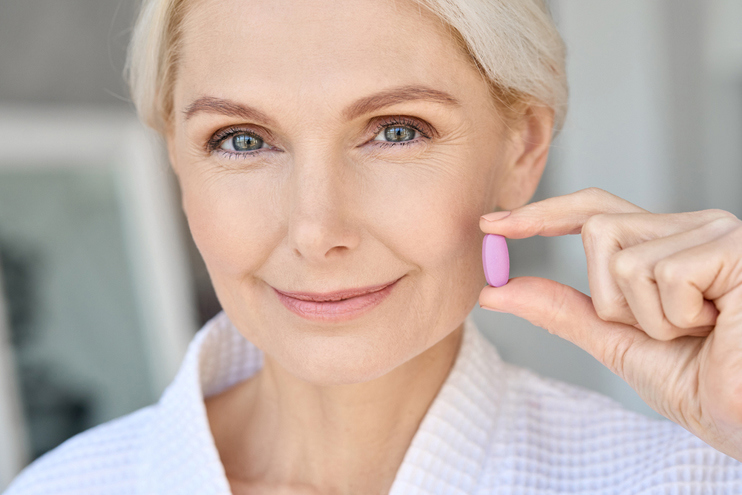
Best natural supplements for menopause hot flashes are those that combine a few targeted ingredients based on clinical evidence. Vitamin E, for example, has been shown in some studies to reduce the intensity of hot flashes. Omega-3s support mood and reduce inflammation, while magnesium promotes muscle relaxation and improves sleep.
However, not all supplements are created equal. It’s important to purchase from reputable brands that conduct third-party testing to ensure safety and quality. Always consult a healthcare provider before beginning any new supplement, especially if you’re taking medications or managing a chronic condition.
When chosen carefully, supplements can be a valuable part of a broader holistic hot flash management strategy.
Sleep Hygiene and Night Sweat Management
Night sweats—essentially hot flashes that occur during sleep—can wreak havoc on rest and recovery. They not only interrupt sleep cycles but also lead to fatigue, irritability, and a lower quality of life.
Managing night sweats naturally starts with optimizing your sleep environment. Use breathable, moisture-wicking bedding and pajamas. Keep your room cool and well-ventilated, ideally between 60–67°F (15–19°C). A fan or white noise machine can also provide comfort and reduce waking episodes.
Establishing a regular bedtime, limiting screen time before bed, and avoiding spicy foods and alcohol in the evening can also reduce flare-ups. These small adjustments form the foundation of good sleep hygiene—which, in turn, makes your body more resilient against hormonal fluctuations.
If you're wondering how to stop night sweats without medication, these practical steps can help restore more restful sleep and make menopausal nights more manageable.
Real-Life Success Stories and Testimonials
For many women, finding relief from hot flashes without hormones is not just a hope—it’s a reality. Take Hana, a 49-year-old teacher from Busan. After struggling with intense hot flashes and night sweats, she turned to lifestyle changes, herbal supplements, and acupuncture. “Within two months,” she says, “I was sleeping through the night again and felt like myself for the first time in a year.”
Another patient, Ji-won, combined dietary changes for hot flashes with CBT and daily yoga. “I didn’t want to take hormones due to a family history of breast cancer,” she explains. “My approach took longer, but now I have tools I can use every day, without side effects.”
These stories reflect a growing global shift. More women are choosing drug-free menopause relief, prioritizing long-term wellness over short-term fixes. While no single method works for everyone, many women report success with a personalized, consistent, and holistic approach.
When guided by a trusted clinic or provider, non-hormonal strategies often lead not only to symptom relief but also to improved confidence, better sleep, and emotional resilience.
Why Choose Second Spring Women’s Clinic for Natural Menopause Relief
If you’re considering hormone-free ways to manage hot flashes, Second Spring Women’s Clinic in Seoul offers a uniquely expert and compassionate environment. Specializing in advanced women’s health and menopause care, the clinic is led by Dr. Seon-Hwa Jeong—a highly respected OB-GYN with a focus on integrative therapies and evidence-based medicine.
Located in Gangnam, the clinic provides individualized care tailored to each woman’s needs, preferences, and health history. Whether it’s acupuncture, nutritional support, personalized supplement plans, or lifestyle coaching, the clinic offers a full spectrum of non-hormonal treatments for hot flashes in a safe, supportive setting.
Patients choose Second Spring not just for its innovative services like 3D laser gynecologic treatments, but for its dedication to whole-woman care. Every visit includes time for real conversation, thorough evaluation, and a custom plan designed to empower and heal.
Whether you are in Seoul or traveling from abroad, Second Spring Women’s Clinic is a top-tier destination for women seeking natural, hormone-free hot flash relief backed by both science and empathy.
Conclusion
Navigating menopause doesn’t have to mean enduring discomfort or settling for treatments that don’t align with your values or health needs. Today, a wide array of hormone-free ways to manage hot flashes exists—giving women more autonomy, safety, and confidence in how they approach this powerful life transition.
Whether it’s through targeted nutrition, calming acupuncture sessions, stress-reducing CBT, or time-tested herbal remedies, women now have access to proven, holistic options. These solutions not only minimize hot flash frequency and severity, but also support overall well-being—enhancing mood, energy, and sleep.
Best of all, natural methods are adaptable. You can begin gently, testing one or two approaches, and gradually build a comprehensive plan that suits your lifestyle. And you don’t have to do it alone.
At Second Spring Women’s Clinic, we’re proud to guide women through this chapter with compassionate care, clinical expertise, and personalized strategies that truly work. From non-hormonal treatments for hot flashes to advanced wellness support, we help women rediscover balance and vitality—naturally, safely, and with dignity.
Menopause is not the end of your vibrance—it’s a second spring. Let us help you thrive in it.