Women's Healthcare Guided by an Experienced OB/GYN Specialist in Seoul
en-US
How Hormonal Imbalances Affect Pregnancy Outcomes?
Discover how hormonal imbalances affect pregnancy outcomes, from fertility issues to miscarriage risks. Get expert advice on diagnosis and treatment—learn more!

How Hormonal Imbalances Affect Pregnancy Outcomes?
Hormones are powerful chemical messengers that regulate nearly every system in the human body. When it comes to pregnancy, they play an especially vital role—from regulating ovulation and supporting implantation, to ensuring the proper development of the fetus and preparing the mother for childbirth and breastfeeding. A disruption in these hormonal signals, even if minor, can significantly affect a woman’s ability to conceive and carry a healthy pregnancy to term.
At Second Spring Women’s Clinic in Gangnam, we specialize in identifying and managing hormonal imbalances that interfere with pregnancy. With advanced diagnostic tools and a compassionate, patient-centered approach, we empower women to understand their hormonal health and take confident steps toward successful conception and a healthy pregnancy journey.
The Role of Hormones in Pregnancy
Several key hormones must work in balance for a pregnancy to begin and progress normally. These hormones don’t just help achieve pregnancy—they also support the complex changes occurring in a woman’s body and the developing baby throughout gestation.
1. Estrogen
Stimulates the growth of the uterine lining (endometrium) for implantation
Promotes blood flow to the uterus
Helps develop the fetal organs
Prepares the breasts for lactation
2. Progesterone
Produced by the corpus luteum and later by the placenta
Maintains the uterine lining and prevents contractions in early pregnancy
Supports implantation and suppresses maternal immune response to allow fetal development
3. Human Chorionic Gonadotropin (hCG)
Produced shortly after implantation
Signals the corpus luteum to continue producing progesterone
Detectable in pregnancy tests
4. Follicle-Stimulating Hormone (FSH) and Luteinizing Hormone (LH)
Regulate the menstrual cycle and ovulation
Imbalances can result in anovulation or irregular cycles
5. Thyroid Hormones (T3, T4, TSH)
Regulate metabolism and support fetal brain development
Essential in early pregnancy when the fetus relies on maternal thyroid hormones
6. Prolactin
Prepares breasts for breastfeeding
In excess, can suppress ovulation and menstruation
Even subtle changes in any of these hormones can affect pregnancy outcomes.
How Hormonal Imbalances Affect Conception and Pregnancy?
Hormonal imbalances are among the most common—and treatable—causes of fertility issues and pregnancy complications. Here’s how specific imbalances can interfere with a woman’s reproductive health:
1. Low Progesterone
Progesterone is essential to maintain the uterine lining, where the fertilized egg implants. Without enough progesterone:
The lining may shed prematurely, leading to early pregnancy loss or implantation failure.
Women may experience spotting, short luteal phases, or recurrent miscarriage.
At Second Spring, we routinely monitor progesterone levels in the luteal phase and early pregnancy. If levels are low, progesterone supplementation (oral, vaginal, or injection) is often recommended.
2. Thyroid Disorders
Thyroid hormones (T3 and T4), regulated by thyroid-stimulating hormone (TSH), are critical during pregnancy. Both hypothyroidism and hyperthyroidism can lead to:
Infertility or anovulation
Miscarriage or preterm labor
Preeclampsia
Low birth weight or developmental delays in the baby
Even mild or subclinical hypothyroidism has been linked to adverse pregnancy outcomes. That’s why we check thyroid function early, especially for women with irregular cycles, fatigue, or a history of thyroid issues.
3. Polycystic Ovary Syndrome (PCOS)
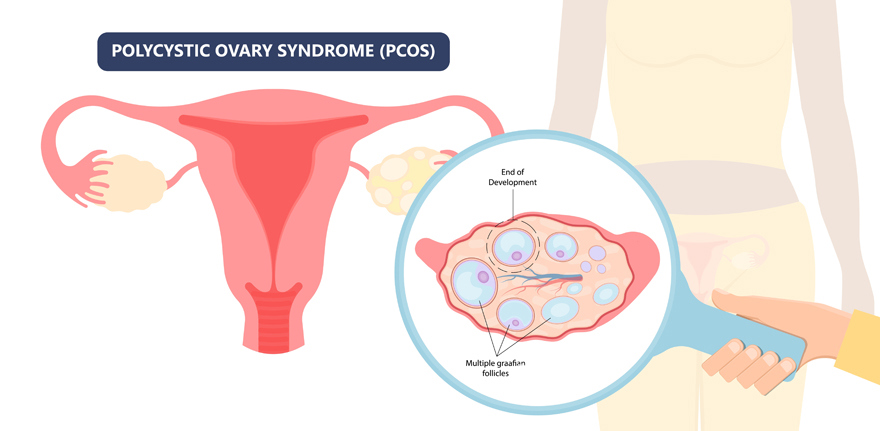
PCOS is a hormonal condition characterized by excess androgens, insulin resistance, and irregular ovulation. It often presents as:
Irregular or absent periods
Anovulation (no egg release)
Difficulty conceiving
Increased risk of miscarriage, gestational diabetes, and preeclampsia
Managing PCOS requires a holistic approach, including lifestyle changes, medications to induce ovulation, and sometimes insulin-sensitizing treatments like metformin.
4. Elevated Prolactin (Hyperprolactinemia)
Prolactin, the hormone responsible for milk production, can interfere with fertility if elevated outside of pregnancy. It suppresses FSH and LH, disrupting ovulation and the menstrual cycle.
Causes include stress, medications, or pituitary tumors (prolactinomas). Symptoms may include:
Irregular or absent periods
Unexplained galactorrhea (milk discharge not related to childbirth)
Treatment often involves dopamine agonists like cabergoline or bromocriptine to restore balance and support ovulation.
5. Insulin Resistance and Cortisol Dysregulation
Women with insulin resistance—common in PCOS and metabolic syndrome—have higher levels of circulating insulin, which can:
Interfere with ovarian function
Increase androgen production
Affect egg quality
Chronic stress and elevated cortisol levels can also disrupt the hypothalamic-pituitary-ovarian (HPO) axis, leading to irregular cycles or luteal phase defects.
Diagnosing Hormonal Imbalances at Second Spring
At our clinic, we use a multi-dimensional approach to understand hormonal health. Our process includes:
1. Blood Hormone Panels
LH, FSH, Estradiol (E2)
Progesterone (day 21 or 7 days post-ovulation)
TSH, Free T3, Free T4, and thyroid antibodies
Prolactin
AMH (Anti-Mullerian Hormone)
Testosterone, DHEAS, and fasting insulin
2. Ultrasound Imaging
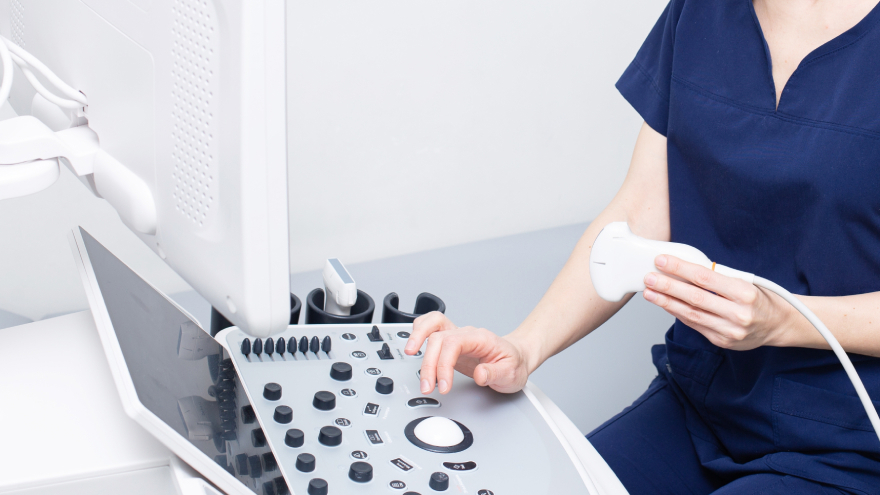
Transvaginal ultrasound allows us to assess ovarian follicles, endometrial lining, and detect PCOS or uterine abnormalities.
3. Ovulation Tracking
Using blood tests and cycle monitoring, we determine whether and when ovulation is occurring.
4. Lifestyle and Symptom Assessment
We take into account energy levels, stress, sleep patterns, weight fluctuations, and other symptoms to understand how hormonal imbalances may be affecting your body.
This comprehensive evaluation allows Dr. Seon-Hwa Jeong to design a personalized treatment plan tailored to your unique hormonal profile and reproductive goals.
Treatment Options for Hormonal Imbalances
Hormonal treatments vary depending on the specific diagnosis and whether you're actively trying to conceive. At Second Spring Women’s Clinic, we offer a wide range of safe, minimally invasive options:
Progesterone Therapy
Used to support implantation and early pregnancy in women with luteal phase deficiency or history of miscarriage.
Thyroid Regulation
Hypothyroidism is treated with levothyroxine, while hyperthyroidism may require antithyroid medications. We monitor levels carefully throughout pregnancy.
PCOS Management
Weight management and exercise
Ovulation induction with Letrozole or Clomiphene
Insulin-sensitizing agents (Metformin)
Nutritional counseling
Prolactin Regulation
Dopamine agonists to reduce prolactin levels
MRI scans if pituitary tumors are suspected
Stress and Cortisol Management
Lifestyle coaching
Mindfulness-based therapies
Acupuncture and herbal support when appropriate
Our integrative approach ensures that every aspect of your hormonal health is supported, naturally and effectively.
Monitoring During Pregnancy After Hormonal Treatment
If you’ve undergone hormonal therapy or correction before conceiving, regular monitoring during pregnancy is essential. Our follow-up includes:
Serial hCG and progesterone testing in the early weeks
Ultrasound monitoring to confirm viability and track fetal growth
Thyroid testing every trimester for patients with thyroid disorders
Glucose and insulin testing for those with PCOS or insulin resistance
These precautions help ensure that your body maintains the hormonal balance needed to support a thriving pregnancy.
Your Next Step: Take Control of Your Hormonal Health
Hormonal imbalances can feel overwhelming, especially when they affect your ability to conceive or result in pregnancy loss. But the good news is that most hormonal issues are highly treatable with the right care.
Whether you’re just starting to explore fertility options or have had difficulty conceiving or maintaining pregnancy, we’re here to help. Dr. Seon-Hwa Jeong and the team at Second Spring Women’s Clinic are passionate about combining medical excellence with personalized, respectful care.
We understand that every woman’s body is different. That’s why we don’t believe in one-size-fits-all solutions. With advanced reproductive endocrinology expertise and a compassionate touch, we walk with you through every phase of your journey.
Second Spring Women’s Clinic
Specialists in Women’s Hormonal & Reproductive Health | Gangnam, Seoul
Multilingual Consultations in Korean & English
Comprehensive Hormone Testing | Personalized Fertility Support | Advanced Gynecological Care
Contact us today to schedule your consultation and begin your journey toward hormonal balance and a healthy pregnancy.