Women's Healthcare Guided by an Experienced OB/GYN Specialist in Seoul
en-US
How Often Should You Get IV Therapy? A Personalized Guide
Discover how often to get IV therapy with our personalized guide. Learn benefits, ideal frequency, and tips for maximizing your wellness.
How Often Should You Get IV Therapy? A Personalized Guide
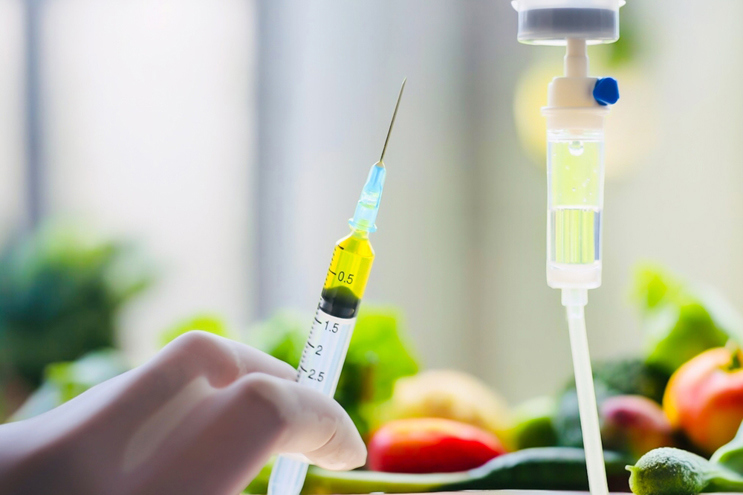
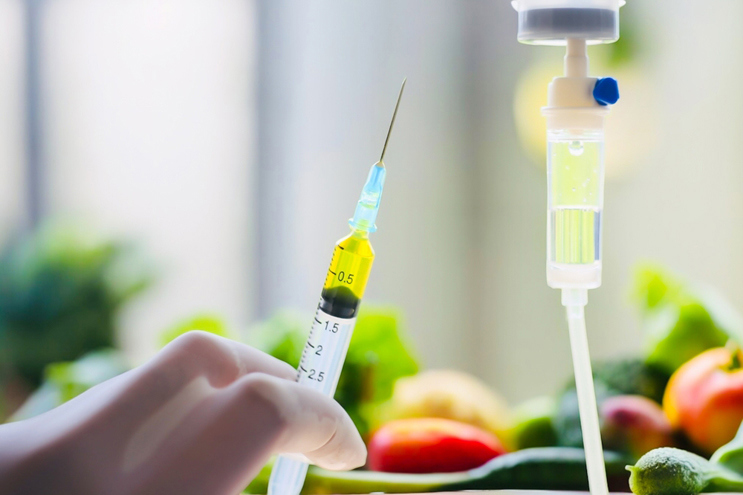
In the past, intravenous (IV) therapy was mostly reserved for hospital settings—used to deliver fluids, medications, and nutrients to patients in critical need. But in recent years, IV therapy has found a new role in the world of wellness, preventive medicine, and personalized healthcare. From boosting energy and enhancing skin health to supporting recovery after childbirth or surgery, IV therapy offers a direct, efficient way to replenish the body’s essential resources.
At Second Spring Women’s Clinic in Gangnam, we integrate IV therapy into a comprehensive women’s health program. Whether a patient is preparing for pregnancy, recovering postpartum, managing menopause symptoms, or looking for an immune boost during flu season, IV therapy can play a valuable role.
One question patients often ask is:
“How often should I get IV therapy?”
The short answer: It depends—on your health goals, your body’s needs, and your lifestyle. The long answer? Let’s dive deep and explore.
Understanding IV Therapy
What is IV therapy?
IV therapy involves delivering fluids, vitamins, minerals, antioxidants, or other therapeutic substances directly into your bloodstream through a vein. This method bypasses the digestive system, ensuring near-100% absorption of nutrients.
When you take a vitamin orally, your digestive system and liver filter it before it reaches your cells—a process known as the “first-pass effect.” IV therapy avoids this, making it much faster and more efficient.
Why is it popular in wellness and women’s health?
Because women’s bodies go through unique physiological demands—menstruation, pregnancy, childbirth, breastfeeding, menopause—nutrient needs can change drastically over a lifetime. IV therapy offers a way to meet those needs quickly, especially when oral intake alone is insufficient.
The Benefits of IV Therapy for Women
Hydration at a Cellular Level
Dehydration can happen subtly—from long flights, hot weather, or even coffee consumption. IV fluids restore hydration quickly, which supports skin elasticity, joint lubrication, and cognitive clarity.Nutrient Optimization
Whether it’s vitamin C for immunity, B-complex for energy, or magnesium for muscle relaxation, IV therapy can deliver concentrated doses that diet alone may not achieve.Immune System Boost
High-dose vitamin C and zinc IVs are popular before travel or during seasonal flu outbreaks.Skin and Hair Health
Antioxidants like glutathione can brighten the complexion, reduce oxidative damage, and support collagen production.Postpartum & Surgical Recovery
After childbirth or gynecological procedures, IV therapy can help replenish depleted iron, reduce fatigue, and promote tissue healing.Menopause Symptom Relief
Hormonal changes during menopause can lead to fatigue, brain fog, and muscle weakness. Targeted IV blends may ease these transitions.
How Often Should You Get IV Therapy?

There’s no “magic” universal schedule. Instead, we determine frequency based on several key factors.
1. Your Health Goals
General Wellness Maintenance
If you’re healthy and simply want to sustain energy and skin vitality, a monthly session is often enough.Immune Support
During high-risk periods—like cold and flu season or before travel—you might benefit from weekly or biweekly sessions.Performance & Recovery
Athletes or those with intense physical schedules may use IV therapy 1–2 times a week around events or heavy training.Recovery from Illness or Surgery
More frequent therapy may be recommended temporarily until you reach recovery milestones.
2. Lifestyle Demands
High-Stress Jobs
Chronic stress depletes B vitamins and magnesium, affecting mood and energy.Frequent Travel
Air travel can lead to dehydration and immune suppression; pre- or post-flight IV sessions can help.Intensive Workouts
Regular strenuous activity increases nutrient turnover, making more frequent replenishment useful.
3. Medical or Nutritional Needs
Some patients have chronic nutrient deficiencies due to absorption disorders or specific health conditions. For example:
Iron-deficiency anemia may require periodic iron infusions.
Chronic fatigue syndrome patients often benefit from more regular infusions of vitamins and minerals.
Common IV Therapy Schedules
While personalization is essential, here are general guidelines:
Goal | Frequency | Duration |
|---|---|---|
General wellness | Once every 4 weeks | Ongoing |
Immune boost | Weekly or biweekly during high-risk seasons | 1–3 months |
Post-surgery recovery | 2–3 times weekly, tapering to monthly | 2–6 weeks |
Athletic performance | 1–2 times weekly around training peaks | Varies |
Chronic conditions | Weekly or biweekly | Long-term under medical supervision |
How We Personalize IV Therapy at Second Spring Women’s Clinic
At our clinic, we never rely on generic “IV drips for everyone.” Instead, we follow a four-step personalization process:
Comprehensive Health Assessment
We review your medical history, current symptoms, medications, and lifestyle. Lab testing may be done to check vitamin, mineral, and hormone levels.Custom Formulation
We select nutrients and dosages based on your exact needs—whether that’s antioxidant support, hydration, or hormone balance aid.Initial Trial Phase
We recommend a short initial schedule (e.g., weekly for 4 weeks) to gauge your response.Ongoing Adjustment
We adapt your frequency based on how your body responds, life changes (such as pregnancy), or seasonal demands.
Special Women’s Health Applications

Fertility & Preconception
For women preparing for pregnancy or undergoing fertility preservation, nutrient optimization is critical. IV therapy can help ensure adequate folate, antioxidants, and minerals to support egg health.
Pregnancy Support (With Medical Guidance)
Some women experience severe nausea (hyperemesis gravidarum) and need IV hydration or nutrient support. In these cases, safety and formulation adjustments are essential.
Postpartum Recovery
Childbirth can deplete iron, vitamin B12, and hydration. Postnatal IV therapy can accelerate recovery and help new mothers cope with fatigue.
Menopause & Hormonal Shifts
During menopause, changing estrogen levels can affect skin, bones, and mood. IV therapy with antioxidants, amino acids, and minerals may help stabilize symptoms.
Surgical & Aesthetic Procedure Recovery
After vaginal rejuvenation or labiaplasty, IV therapy can reduce inflammation, speed healing, and support tissue regeneration.
Safety and Risks
When done in a medical setting by qualified professionals, IV therapy is safe. However, as with any medical procedure, there are considerations:
Risk of infection at the IV site if hygiene is not maintained.
Vein irritation or bruising.
Possible allergic reaction to ingredients.
Risk of nutrient overload if not monitored.
Important:
Avoid unlicensed “drip bars” or home services without medical oversight.
Always disclose medications, supplements, and health conditions to your provider.
Certain conditions (e.g., kidney or heart disease) require careful formulation adjustments.
The Risk of Overuse
Just as too little nutrition can harm your health, excessive or overly frequent IV therapy can cause imbalances. Potential risks of overuse include:
Accumulation of fat-soluble vitamins (A, D, E, K) beyond safe limits.
Electrolyte imbalances.
Reduced body adaptation to obtaining nutrients from diet.
At Second Spring Women’s Clinic, our goal is to supplement, not replace healthy eating, hydration, and lifestyle habits.
A Realistic Example Schedule
Here’s an example of how a patient’s IV therapy frequency might change over a year:
January–February: Weekly immune-boost IVs to ward off seasonal illnesses.
March–May: Monthly maintenance for energy and skin health.
June–July: Biweekly hydration IVs during hot weather and travel season.
August–September: Post-vacation antioxidant IVs to recover from sun exposure.
October–December: Weekly or biweekly immune and hydration support before the holiday season.
The Second Spring Women’s Clinic Approach
We combine advanced formulations, gentle administration techniques, and a strong emphasis on comfort. Our patients appreciate:
Private treatment rooms for a relaxing experience.
Custom nutrient blends—never generic “one size fits all” drips.
Integration with other treatments like fertility preservation or surgical recovery plans.
Ongoing monitoring so therapy evolves with your health needs.
Final Takeaways
There’s no universal answer to “how often” you should get IV therapy—it depends on your goals, lifestyle, and health status.
For general wellness, once a month may be enough.
For recovery or acute needs, weekly or more frequent sessions might be necessary—temporarily.
Always have IV therapy in a licensed medical setting with proper evaluation.
At Second Spring Women’s Clinic, we personalize IV therapy to support women at every stage of life—from reproductive years to menopause and beyond.