Women's Healthcare Guided by an Experienced OB/GYN Specialist in Seoul
en-US
HPV & Cervical Cancer Prevention in Korea | Second Spring Clinic
Learn how to prevent cervical cancer with HPV screening, vaccination, and expert care from Second Spring Women’s Clinic in Seoul.
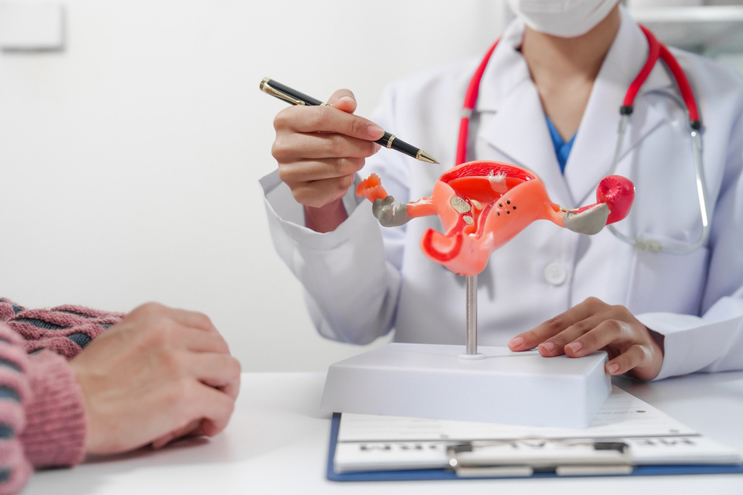
Protecting Women’s Health: Understanding HPV and Cervical Cancer in Korea

Cervical cancer remains one of the most preventable yet often overlooked threats to women’s health. In South Korea alone, hundreds of women are diagnosed with this disease each year, the majority of cases linked to high-risk strains of the human papillomavirus (HPV). Yet, with regular screening, early intervention, and access to vaccines, this cancer is largely avoidable.
At Second Spring Women’s Clinic in Gangnam, Seoul, our mission goes beyond treatment—we strive to empower women through personalized, preventive care rooted in the latest medical science and real-world patient experience.
What Is HPV and Why Does It Matter?
HPV is the most prevalent sexually transmitted infection worldwide, and it affects up to 80% of sexually active women at some point. While most HPV infections resolve without treatment, persistent high-risk types—especially HPV 16 and 18—can lead to abnormal cervical cell changes, known as cervical dysplasia, that may eventually develop into cancer.
"Even a single sexual encounter can transmit HPV," explains Dr. Seon-Hwa Jeong, our board-certified gynecologist. "That’s why early education and screening are crucial—even for women who consider themselves low-risk."
HPV spreads through intimate skin contact and often shows no symptoms for years. That silence underscores the importance of routine screenings like Pap smears and HPV DNA tests to detect precancerous changes before they escalate.
The HPV–Cervical Cancer Risk
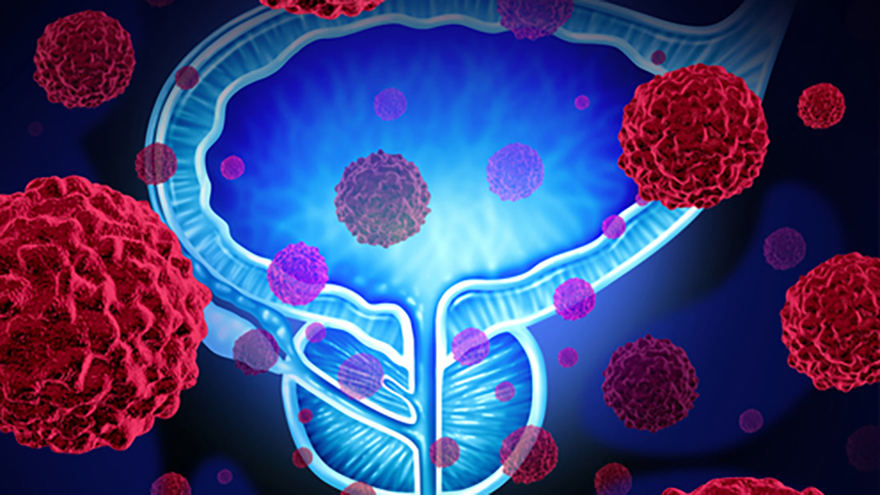
HPV isn’t just a common virus—it’s the driving force behind nearly all cervical cancer cases. When high-risk HPV integrates into cervical cells, it can disrupt cellular DNA, triggering uncontrolled growth. This process can take 10–15 years, providing a long—but often missed—window for preventive action.
Thankfully, modern screening allows us to detect these cellular changes early. At Second Spring, we use advanced diagnostic tools, including genotyping and colposcopy, to create screening plans tailored to each patient’s age, sexual history, and risk level.
Early Warning Signs: What to Watch For
Cervical cancer often develops silently. But when symptoms do occur, they may include:
Unusual vaginal bleeding (between periods, after sex, or post-menopause)
Foul-smelling or persistent discharge
Pelvic pain or discomfort during intercourse
Longer or heavier periods
Advanced cervical cancer can also cause difficulty urinating or defecating, fatigue, or swelling in the legs. Because early-stage cancer is often asymptomatic, regular exams remain essential—even if you feel perfectly healthy.
Screening Options: What You Need to Know
Routine screening remains the best defense. Here's how:
Pap smear: Recommended every 3 years starting at age 21 to detect abnormal cervical cells.
HPV DNA test: Detects high-risk HPV types; ideal for women over 30 as a standalone or co-test with Pap.
Colposcopy & biopsy: If results are abnormal, these follow-up tests offer a closer examination.
Our clinic offers these procedures with minimal discomfort, using the latest technology to provide clarity and peace of mind.
The HPV Vaccine: A Powerful Preventive Tool
The HPV vaccine is a proven way to stop cervical cancer before it starts. Ideally administered before sexual activity (ages 11–12), the vaccine is still beneficial up to age 45.
With more than 270 million doses administered globally, the vaccine has dramatically reduced HPV infections and precancerous lesions. At Second Spring, we offer the full vaccine series with personalized counseling to help patients make informed choices.
Who’s at Higher Risk?
HPV is widespread, but certain factors can increase the likelihood of cervical cancer:
Early sexual activity or multiple partners
Smoking
Long-term use of birth control
A weakened immune system (e.g., HIV)
Family history of cervical cancer
During your consultation, our team assesses these risks and builds a prevention plan just for you.
Cervical Dysplasia: Not Cancer—But a Warning
Dysplasia means abnormal cells are present on the cervix. It’s classified as:
LSIL (low-grade): Often clears on its own
HSIL (high-grade): Needs closer monitoring or treatment
We use non-invasive therapies like cryotherapy or laser to remove affected tissue, always considering your fertility goals.
Cervical Cancer Stages and Treatment

Cervical cancer progresses through defined stages:
Stage 0: Non-invasive, pre-cancer
Stage I–IV: Spanning from localized to widespread cancer
Treatment options depend on the stage and your reproductive plans:
Surgery (e.g., hysterectomy)
Radiation and chemotherapy
Targeted or immunotherapy (for advanced cases)
Early detection increases treatment success dramatically. At Second Spring, we offer expert oncology referrals and fertility-preserving treatments whenever possible.
HPV’s Broader Impact on Women’s Health
Beyond cervical cancer, HPV can lead to:
Vulvar, vaginal, anal, and oropharyngeal cancers
Fertility complications from cervical tissue damage or treatment
Our clinic offers fertility preservation services for women undergoing HPV-related treatments, ensuring your future remains in focus.
Prevention Strategies That Work
Besides vaccination, prevention includes:
Practicing safe sex (condoms, dental dams)
Quitting smoking
Routine screenings
Maintaining overall health through nutrition and stress management
We provide one-on-one coaching to help patients adopt habits that reduce HPV risk and promote long-term wellness.
Global and Local Efforts in Prevention
The WHO has pledged to eliminate cervical cancer globally by 2030 through universal access to vaccines and screening. In Korea, rising vaccine rates and improved screening access are already driving positive change.
Second Spring supports this movement by offering multilingual services for local and international patients, ensuring that no woman is left behind.
Education and Outreach: Second Spring’s Community Mission
Raising awareness is just as vital as offering treatment. That’s why Second Spring actively participates in public health education through community workshops, university seminars, and online content. We collaborate with local schools and universities in Seoul to provide HPV education tailored for teens, young adults, and parents.
We also host annual free screening days for underserved populations in partnership with NGOs, because access to care should never depend on income.
Addressing Emotional Wellness During HPV Diagnosis
We understand that an HPV or cervical dysplasia diagnosis can be emotionally overwhelming. Second Spring Women’s Clinic offers integrated counseling services where women can openly express their concerns and fears in a non-judgmental space.
Our mental health support includes one-on-one therapy, peer support groups, and guided education on managing stress, fertility anxiety, or relationship dynamics influenced by health issues. This holistic approach ensures you’re cared for emotionally and physically.
Partner Involvement: A Shared Responsibility
While HPV primarily affects the cervix, preventing its spread involves all genders. We encourage male partners to consider vaccination and STI screening. Understanding and supporting each other’s health can improve relationship trust and reduce transmission risk.
We offer couples counseling and joint consultations to help partners make informed decisions together about prevention, treatment, and future planning.
Your First Visit: What to Expect
New patients at Second Spring receive a personalized intake assessment. We review your medical history, current lifestyle, vaccination status, and reproductive goals before recommending next steps.
Typical services during a visit may include:
Pap test and HPV screening
Pelvic ultrasound
Vaccination consultation
Fertility counseling
We strive to make each visit informative and empowering, ensuring every woman walks away confident in her healthcare choices.
Why Early Action Matters More Than Ever
South Korea is witnessing a gradual cultural shift—women are becoming more proactive about reproductive health. But myths, stigma, and misinformation still exist. That’s why starting with awareness and evidence-based care is the foundation of everything we do.
By taking action early—whether that’s a first screening, completing a vaccine series, or simply starting a conversation—women can reclaim control of their bodies and futures.
Why Choose Second Spring Women’s Clinic?
Located in Gangnam, our clinic combines medical excellence with a compassionate touch:
Led by Dr. Seon-Hwa Jeong: A seasoned specialist in women’s health
Advanced diagnostics: From Pap smears to colposcopy
Fertility-conscious care: We protect your reproductive future
Tailored approach: Every care plan is designed around your needs
Holistic wellness: Mental health and partner inclusion are part of our standard of care
Global patient support: Bilingual staff and teleconsultation available
Have Questions? We’re Here to Help
Can HPV go away on its own? Yes—most infections clear naturally, but high-risk strains can linger, so screening is essential.
Do I still need screening after vaccination? Absolutely. The vaccine doesn't cover all cancer-causing HPV types.
Can I get HPV again? Yes. Immunity to one type doesn’t guarantee protection from others, so preventive care is ongoing.
What makes Second Spring different? We deliver science-backed care with warmth and respect, combining global standards with Korean cultural sensitivity.
Can men get the HPV vaccine in Korea? Yes. The vaccine is approved for boys and men, and we strongly recommend it for partner protection.