Women's Healthcare Guided by an Experienced OB/GYN Specialist in Seoul
en-US
HPV & Pap Smears: Do You Still Need Regular Screenings After the Vaccine?
Got the HPV vaccine? Discover why regular Pap smears still matter. Learn how screenings help detect cervical cancer early—stay informed, stay protected.
Introduction
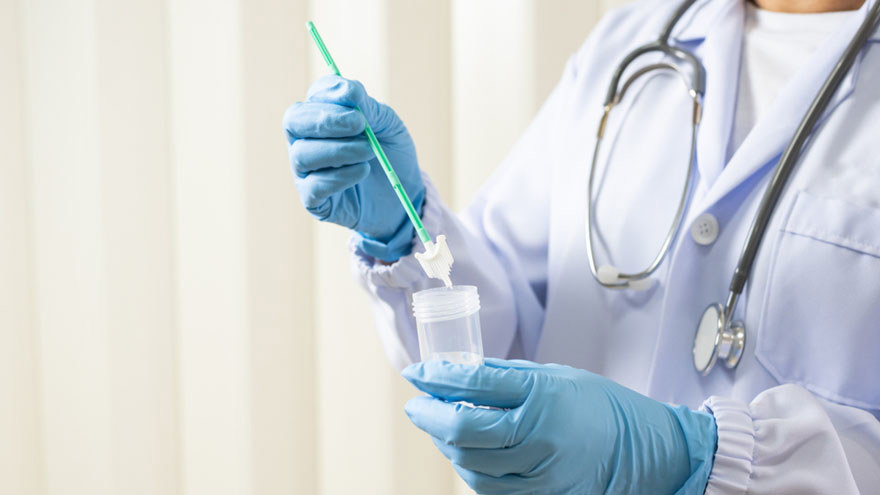
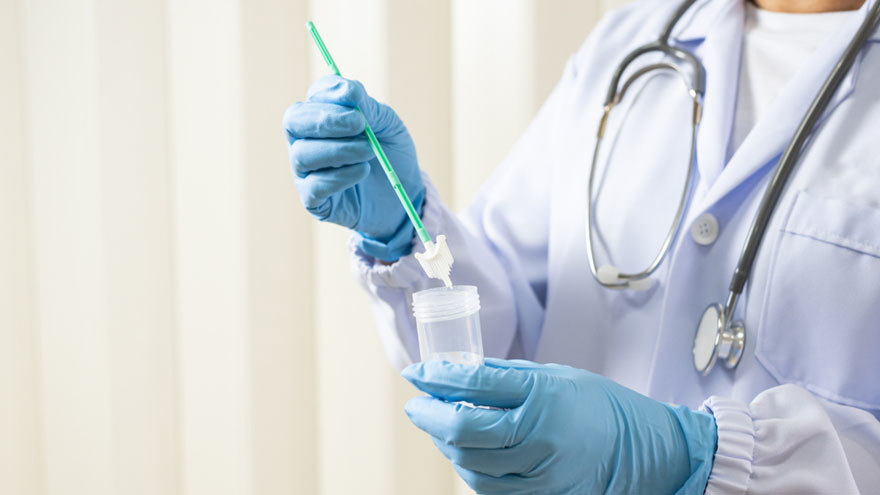
The HPV (Human Papillomavirus) vaccine has been a major breakthrough in preventing cervical cancer and other HPV-related diseases. But even if you’ve received the vaccine, you may be wondering: Do I still need regular Pap smears or HPV screenings?
At Second Spring Women’s Clinic, we believe that prevention and early detection are the keys to lifelong women’s health. Here’s what you need to know.
Why the HPV Vaccine Matters
The HPV vaccine has transformed the landscape of cervical cancer prevention. Approved for use in many countries around the world, including South Korea, the vaccine is recommended for preteens and young adults, typically between the ages of 9 and 26. However, catch-up vaccinations may be available up to age 45, depending on personal risk factors.
Key Benefits of the HPV Vaccine:
Protects against high-risk strains: The vaccine targets the most dangerous HPV strains, particularly types 16 and 18, which cause about 70% of cervical cancer cases globally.
Prevents genital warts: It also covers low-risk types like HPV 6 and 11, which are responsible for about 90% of genital warts.
Reduces the incidence of precancerous lesions: Clinical studies show a significant decrease in cervical intraepithelial neoplasia (CIN), especially high-grade lesions (CIN 2/3), in vaccinated populations.
Contributes to herd immunity: Widespread vaccination indirectly protects unvaccinated individuals by reducing the overall prevalence of high-risk HPV strains.
Despite its powerful benefits, the HPV vaccine is not a cure-all. Understanding its limitations is essential to making informed decisions about your cervical health.
Why Screenings Are Still Necessary
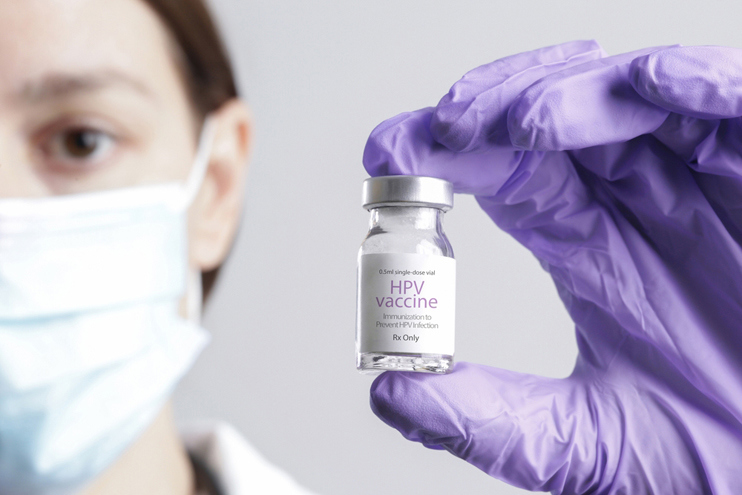
Many women assume that vaccination replaces the need for routine cervical cancer screenings. However, Pap smears and HPV testing remain vital for several key reasons:
1. The vaccine doesn’t cover all HPV types.
There are over 100 known types of HPV, with around 14 considered high-risk for causing cancer. While the most advanced vaccines (like Gardasil 9) protect against 9 major strains, others remain uncovered. Some rare types can still cause cervical and other genital cancers.
Screening ensures these uncommon but potentially dangerous infections are not missed.
2. Not everyone is vaccinated before exposure.
The ideal time to receive the vaccine is before the onset of sexual activity, when there is minimal or no exposure to HPV. For women vaccinated later in life, there’s a chance they may have already encountered high-risk HPV strains. In such cases, routine Pap smears and co-testing are essential for monitoring cervical cell changes.
3. Pap smears detect more than HPV.
A Pap test (also known as a Pap smear) involves collecting cervical cells to check for abnormalities that may lead to cancer. While HPV testing specifically detects viral DNA, a Pap test can identify precancerous and abnormal cells even if HPV is not present.
This distinction is critical because some cellular abnormalities may arise independently of HPV infection, particularly in postmenopausal women or those with other gynecological risk factors.
4. Long-term protection is still being studied.
Although studies show that the HPV vaccine offers durable protection for at least 10-15 years, long-term immunity is still being researched. Booster shots may be needed in the future, and routine screenings ensure continuous monitoring.
Furthermore, rare cases of breakthrough infection have been documented, reinforcing the importance of a dual approach: vaccination and regular screening.
5. Cervical cancer can be asymptomatic in early stages.
Cervical cancer often develops without noticeable symptoms in its early stages. Regular screenings are designed to catch abnormal changes before they progress to cancer, making them one of the most effective tools in women’s preventive healthcare.
Current Recommendations
Understanding when and how often to get screened can be confusing. Here are the general guidelines followed in most countries, including South Korea:
Women aged 21 to 29:
Pap smear every 3 years if results are normal.
HPV testing is not typically done unless a Pap smear result is abnormal.
Women aged 30 to 65:
Co-testing (Pap + HPV) every 5 years or Pap smear alone every 3 years.
If HPV is found without abnormal cells, more frequent monitoring may be recommended.
Women over 65:
Screening can often be stopped if there has been a consistent history of normal results over the past 10 years and no new risk factors are present.
Additional considerations:
Women with a history of cervical dysplasia or cancer may need more frequent screenings.
Those with weakened immune systems (e.g., due to HIV or immunosuppressive therapy) may also require earlier or more regular testing.
At Second Spring Women’s Clinic, we tailor these guidelines to your individual health history, risk factors, and lifestyle.
Our Approach at Second Spring Women’s Clinic

Located in the heart of Gangnam, Seoul, Second Spring Women’s Clinic offers expert gynecological care with a focus on prevention, early detection, and minimally invasive treatments. Dr. Seon-Hwa Jeong and her experienced medical team provide compassionate, personalized care to support each woman's long-term health journey.
What You Can Expect:
Customized screening plans based on your age, vaccination history, medical background, and family history.
Advanced diagnostic tools, including high-precision Pap and HPV co-testing, colposcopy, and molecular testing.
Comfortable, confidential environment where your concerns are always heard.
Multilingual support in Korean and English for international patients living or working in Seoul.
Whether you're in your 20s just beginning regular screenings or in your 40s navigating perimenopausal changes, our team is here to guide you every step of the way.
Frequently Asked Questions
I got all my HPV shots. Can I skip my Pap smear?
No. While the vaccine offers strong protection, it doesn’t cover all high-risk HPV types. Regular Pap smears and/or HPV testing are still necessary.
What if I’m over 30 and have had normal results for years?
That’s great! You may be eligible for less frequent co-testing (every 5 years), but screenings shouldn’t be stopped unless advised by your doctor.
Can HPV screening detect other gynecological cancers?
No. HPV and Pap tests are specific to cervical cancer detection. They do not detect uterine, ovarian, or vulvar cancers. Other tests and imaging are required for those.
How long does a Pap smear take? Is it painful?
The procedure takes just a few minutes and is typically painless, though some women may feel mild discomfort. At Second Spring, we prioritize gentle techniques to ensure your comfort.
Can I get tested during my period?
It’s best to schedule your screening when you're not menstruating, as blood can interfere with test accuracy. The ideal time is about 10 to 20 days after the start of your last period.
Bottom Line: Protecting Your Health Takes a Dual Approach
Even if you’ve received the HPV vaccine, regular cervical cancer screenings remain essential. Vaccination significantly reduces your risk, but it's not a substitute for Pap smears or HPV testing.
At Second Spring Women’s Clinic, we advocate for a proactive approach to your reproductive health. With personalized screening schedules, state-of-the-art diagnostics, and expert gynecological care, we help you stay healthy and informed at every stage of life.
Don’t wait for symptoms. Prevention starts with a simple test.
Book your consultation today at Second Spring Women’s Clinic in Gangnam, Seoul, and take the next step toward protecting your future.