Women's Healthcare Guided by an Experienced OB/GYN Specialist in Seoul
en-US
HPV Vaccine & Sexual Health: Why It’s Important for Women of All Ages
Discover why the HPV vaccine is vital for women of all ages. Learn its role in sexual health, cancer prevention, and long-term protection.
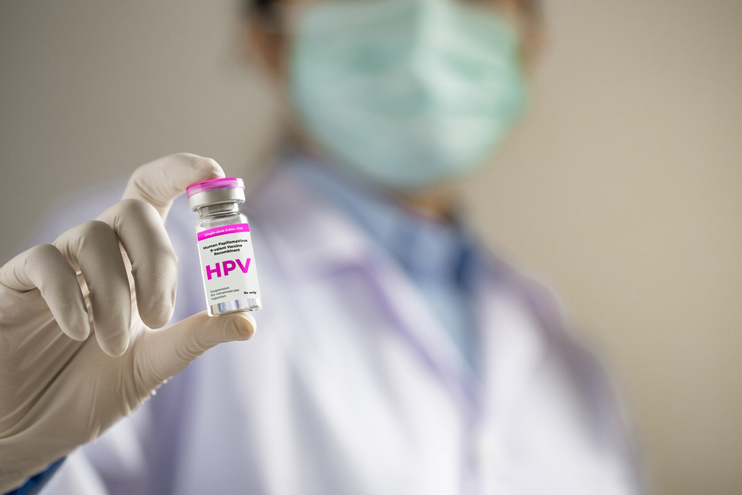
HPV Vaccine & Sexual Health: Why It’s Important for Women of All Ages
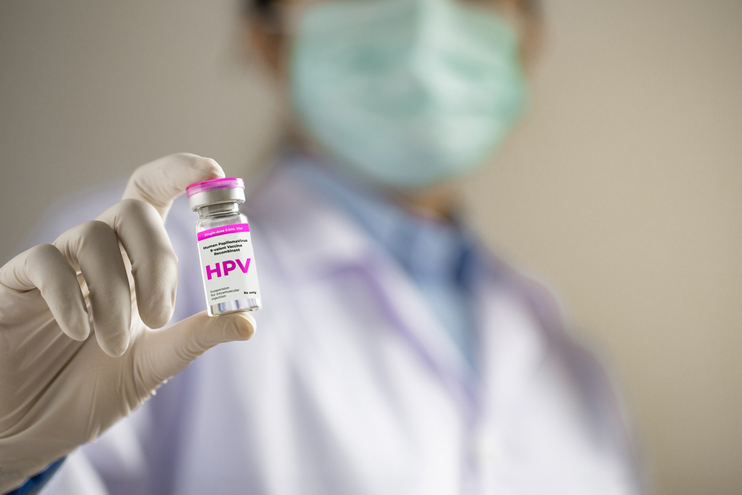
Sexual health is a vital part of a woman’s overall well-being, influencing physical, emotional, and reproductive health throughout her life. One of the most common—and yet preventable—threats to women’s sexual health is the Human Papillomavirus (HPV). Despite being widespread and often silent, HPV is the leading cause of cervical cancer and a major contributor to other genital and oropharyngeal cancers.
Fortunately, science has provided us with a powerful tool for prevention: the HPV vaccine. At Second Spring Women’s Clinic in Gangnam, Seoul, we emphasize not only advanced gynecological treatments but also the importance of proactive prevention—and the HPV vaccine is one of the most effective ways to protect your future.
In this article, we’ll explore what HPV is, why the vaccine matters at every stage of life, and how it fits into a modern, empowered approach to women’s sexual health.
What Is HPV?
Human Papillomavirus (HPV) refers to a group of more than 150 related viruses. These viruses are primarily transmitted through sexual contact—vaginal, anal, and oral—and are so common that most sexually active individuals will contract at least one type of HPV in their lifetime.
There are two main categories of HPV:
Low-risk HPV types, which can cause genital warts.
High-risk HPV types, which can lead to cervical, vulvar, vaginal, anal, penile, and throat cancers.
Most HPV infections go away on their own. However, when the virus persists—particularly the high-risk strains—it can cause long-term complications, including precancerous changes in cervical cells, which, if left untreated, may develop into cancer.
HPV & Cervical Cancer: The Global Link
HPV is responsible for over 95% of cervical cancer cases worldwide. Cervical cancer ranks as the fourth most common cancer in women globally, and in South Korea, it remains a significant public health issue despite the availability of screening and vaccination.
Early detection through Pap smears and HPV DNA testing has made cervical cancer more preventable than ever. However, prevention through vaccination—especially before exposure to the virus—offers a more proactive and powerful defense.
What Is the HPV Vaccine?
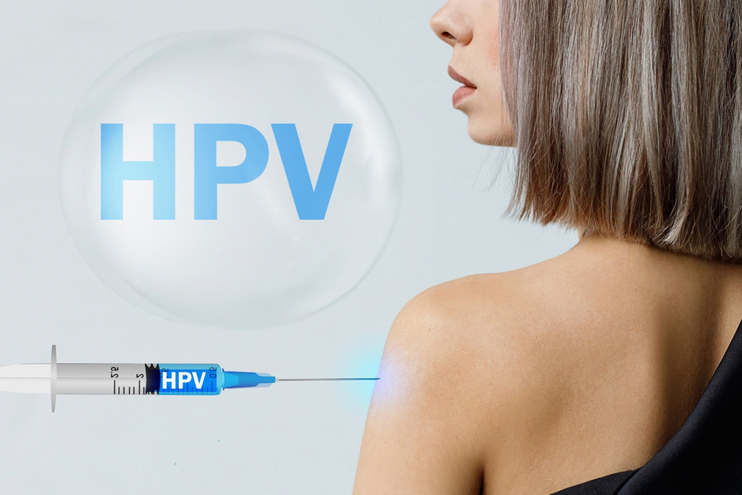
The HPV vaccine is designed to protect against the most common cancer-causing and wart-causing types of the virus. Currently, the most widely used vaccine is Gardasil 9, which protects against nine HPV types, including types 16 and 18 (responsible for 70% of cervical cancers) and types 6 and 11 (which cause 90% of genital warts).
The vaccine works by stimulating the immune system to produce antibodies that will recognize and fight the virus if the body is exposed in the future. It does not treat existing HPV infections but provides long-lasting protection when given before exposure.
Who Should Get the HPV Vaccine?
The World Health Organization and many health authorities, including Korea's CDC, recommend HPV vaccination for:
Girls and boys aged 9 to 14 (ideal for strongest immune response).
Women and men up to age 26 who have not been previously vaccinated.
Adults aged 27–45 may also benefit from vaccination depending on risk factors and lifestyle.
At Second Spring Women’s Clinic, we see patients at all life stages, and we believe it’s never too late to have a conversation about the HPV vaccine—especially if you’re entering a new relationship, have had limited prior vaccination access, or simply want added protection.
Why the HPV Vaccine Is Important for Women of All Ages

1. Adolescents and Young Women: Prevention at the Right Time
The ideal time to get the HPV vaccine is before the onset of sexual activity, as the body mounts the strongest immune response and has not yet been exposed to the virus.
Recommended Age: 9–14 years (two-dose series)
Catch-up Age: 15–26 years (three-dose series)
Vaccinating during adolescence prevents up to 90% of HPV-related cancers, especially when administered before first sexual contact. Parents may feel uneasy discussing sexual health at this age, but vaccinating early is not about encouraging sex—it’s about empowering future health.
At Second Spring, we offer gentle, age-appropriate consultations for young women and families navigating this decision.
2. Women in Their 20s and 30s: A Time of Transition
For many women, the 20s and 30s are a time of career building, relationship exploration, and family planning. Even if you’re already sexually active, the vaccine can still provide protection against types of HPV you haven’t yet encountered.
In Korea, more women are choosing to delay childbirth, making it even more essential to protect reproductive health early on. The HPV vaccine helps reduce the risk of future complications that may affect pregnancy or fertility.
At Second Spring Women’s Clinic, we incorporate HPV vaccination into preconception counseling, STD screening, and annual gynecological check-ups, ensuring that your reproductive plans are protected and supported.
3. Women Over 30 and Beyond: It’s Not Too Late
While the vaccine is most effective before exposure, studies show that women up to age 45 can still benefit from vaccination, especially if they:
Are re-entering the dating world.
Have had few prior sexual partners.
Have not previously received the full vaccine series.
Wish to reduce their risk of cervical cancer as they age.
At this stage, many women are also more health-conscious and proactive. Pairing the vaccine with regular HPV screening and Pap tests offers a powerful dual protection.
At Second Spring, we see women who are divorced, widowed, or in new relationships later in life. We treat every patient with respect, confidentiality, and compassion, providing guidance that’s tailored to their evolving lifestyle.
Dispelling Myths About the HPV Vaccine
“I’m married, so I don’t need the vaccine.”
Even in monogamous relationships, HPV can be present from past exposures. Vaccination provides peace of mind and future protection.
“I’m too old to benefit from it.”
Even if you’re over 26, vaccination may still be beneficial depending on your risk profile. Talk to your doctor to evaluate your options.
“I don’t need it if I already have HPV.”
The vaccine does not treat existing infections but can protect you from other high-risk HPV strains you haven’t yet encountered.
“The vaccine isn’t safe.”
HPV vaccines have been extensively studied and are proven safe and effective, with millions of doses administered worldwide.
The Role of Clinics Like Second Spring in HPV Prevention
At Second Spring Women’s Clinic, our mission is to help women take control of their health at every age. HPV prevention is a critical part of our gynecological care model, and we offer:
Personalized vaccine consultations with Dr. Seon-Hwa Jeong and her expert team.
HPV DNA testing to assess current risk.
Pap smears and colposcopy for early detection of abnormal cells.
Fertility-preserving treatments for women diagnosed with HPV-related changes.
Post-vaccine checkups to ensure full coverage and peace of mind.
Conclusion: Take Control of Your Sexual Health
The HPV vaccine is more than a shot—it’s an investment in your future. It protects your reproductive health, reduces your cancer risk, and empowers you to make informed decisions about your body.
Whether you’re a teenager, a young professional, or a woman entering a new chapter of life, it’s never too early—or too late—to prioritize prevention. At Second Spring Women’s Clinic, we are here to support you with the latest medical care, a compassionate team, and a personalized approach that sees you as a whole person.