Women's Healthcare Guided by an Experienced OB/GYN Specialist in Seoul
en-US
HPV Vaccine Before Pregnancy: Is It Safe?
Planning a pregnancy? Learn why getting the HPV vaccine before conceiving is safe and beneficial for your reproductive health.
Should You Get the HPV Vaccine Before Pregnancy? Insights for Women Planning to Conceive
HPV (human papillomavirus) is one of the most common sexually transmitted infections worldwide. While many cases resolve without symptoms, persistent infection with high-risk strains can lead to cervical cancer and other malignancies, including those of the throat and genitals. In South Korea, cervical cancer remains a major health concern, making prevention through vaccination increasingly important.
If you're planning to become pregnant, you might wonder whether it's safe—or even recommended—to get the HPV vaccine during this time. Let's explore what the latest medical guidance and real-world clinical experience say.
Understanding the HPV Vaccine
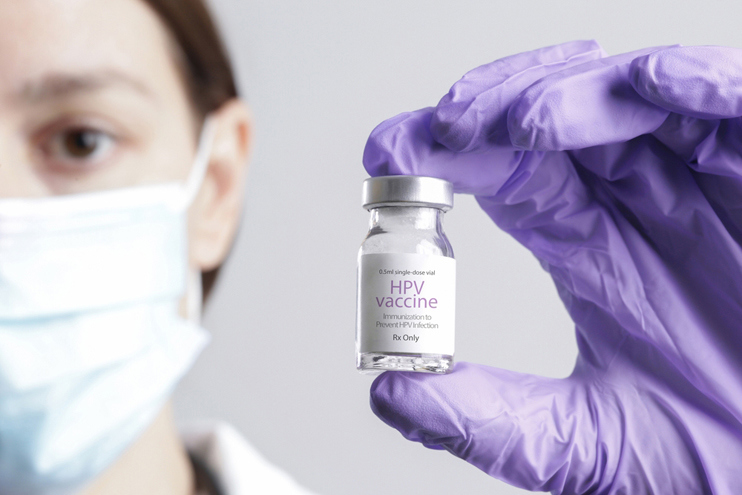
The HPV vaccine protects against the most dangerous strains of the virus, especially HPV types 16 and 18, which are linked to approximately 70% of cervical cancer cases. Newer versions, like Gardasil 9, also offer protection against additional types.
This vaccine is typically administered in two to three doses over a six-month period, depending on age and medical history. While it's best given before sexual debut, vaccination remains beneficial up to age 45. Importantly, the vaccine does not contain live virus, meaning it cannot cause infection.
Dr. Seon-Hwa Jeong, OB-GYN at Second Spring Women’s Clinic in Seoul, notes: "We regularly advise women in their 20s and 30s to complete HPV vaccination before pregnancy. It’s a key part of reproductive health planning."
Trying to Conceive: Is the HPV Vaccine Safe?
Yes, receiving the HPV vaccine while trying to conceive is considered safe. There is no evidence linking it to fertility issues, menstrual irregularities, or harm to reproductive organs.
Here’s why pre-pregnancy vaccination is encouraged:
Protects long-term reproductive health: Prevents complications related to HPV, including pre-cancerous cervical changes.
Reduces future cancer risk: A proactive step in lowering the lifetime risk of cervical and other HPV-related cancers.
Does not impair fertility: Global studies and data from the Korean CDC confirm no negative effects on conception or pregnancy outcomes.
What If You Get Vaccinated and Then Find Out You're Pregnant?
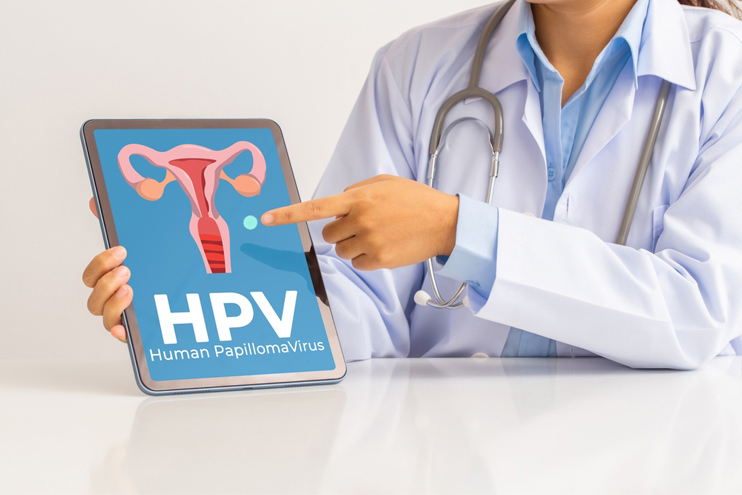
It happens more often than you'd think. Many women receive the vaccine and then discover they're expecting. Current research, including FDA and WHO safety reviews, shows no evidence of increased miscarriage, birth defects, or developmental delays from inadvertent vaccination during early pregnancy.
That said, ongoing doses are typically deferred until after delivery. Inform your provider so your prenatal care can reflect the most updated recommendations.
Why Timing Matters
For optimal protection, aim to complete the HPV vaccine series before pregnancy. This allows your immune system to build full resistance and eliminates the need to pause the series during gestation.
If you’re early in the process of trying to conceive, consider spacing the vaccine doses accordingly. Your OB-GYN can help tailor a schedule that fits your conception timeline.
HPV Vaccine Timing and Fertility Preservation
For women undergoing fertility treatments such as IVF or egg freezing, pre-treatment vaccination may be recommended. Clinics in South Korea increasingly integrate HPV vaccination into fertility care plans, especially for patients with a history of abnormal Pap smears.
"As reproductive specialists, we consider HPV immunity a foundational aspect of preconception health," explains Dr. Jeong. "It's not just about cancer prevention—it's about preparing the body for a healthy pregnancy."
Local Perspective: HPV in South Korea
South Korea offers the HPV vaccine as part of its national immunization program, including free doses for eligible teens. Yet, adult women—especially those planning a family—may not have completed the series.
Korean studies echo international findings: completing HPV vaccination is linked to a marked reduction in cervical abnormalities detected on Pap smears and HPV tests.
Additionally, cultural factors in Korea—such as delayed marriage and childbirth, as well as stigmas around discussing STIs—can influence vaccination rates. Educational campaigns and OB-GYN guidance are crucial in addressing these gaps.
Is It Worth Getting Vaccinated After Giving Birth?
Absolutely. If you weren’t able to get vaccinated before or during pregnancy, the postpartum period is an ideal time to start or complete the series. Breastfeeding does not interfere with vaccine efficacy or safety.
Mothers can begin the vaccine series at their postpartum follow-up appointment, which aligns well with other wellness strategies, including contraception counseling and cervical screening.
Real Stories from Patients at Second Spring Women’s Clinic
One patient, a 32-year-old teacher from Seoul, shared her story: "I delayed getting the HPV vaccine in my 20s. When I started planning for pregnancy, my OB-GYN recommended I get vaccinated first. It gave me peace of mind knowing I was doing something proactive for my future baby."
Another patient undergoing IVF treatment added, "I didn’t realize how important HPV vaccination was until I saw the abnormal Pap result. Luckily, we caught it early. Now I’ve completed the vaccine series and feel much more secure."
How to Prepare for the HPV Vaccine While Trying to Conceive
Here are a few preparation tips for women planning pregnancy:
Schedule a preconception check-up: Ask your provider about your vaccination history.
Review Pap smear and HPV test results: Address any abnormalities before conceiving.
Plan your vaccine timeline: Ensure enough time for all doses before pregnancy.
Discuss other vaccinations: Include MMR, Tdap, and flu shots in your pre-pregnancy health plan.
Frequently Asked Questions
Does the HPV vaccine affect egg quality or ovulation? No. Studies confirm no impact on ovarian function or fertility hormones.
Can I conceive immediately after my last vaccine dose? Yes, though some doctors advise waiting a month for peace of mind.
Is the vaccine safe if I have underlying health conditions? Generally, yes—but check with your provider, especially if you're immunocompromised.
Can I delay vaccination until after delivery? Yes, but you'll be unprotected during pregnancy. Weigh the benefits and risks with your OB-GYN.
Will the vaccine protect my baby too? Indirectly, yes. By lowering maternal HPV risk, you reduce potential birth complications from HPV lesions.
Comparing HPV Vaccines: Gardasil vs. Cervarix
In South Korea, Gardasil 9 is the most commonly administered HPV vaccine due to its broader strain coverage. Cervarix, while effective against HPV 16 and 18, does not cover genital warts or additional cancer-causing types.
Talk with your OB-GYN about which option suits your health goals, medical history, and availability.
Why Choose Second Spring Women’s Clinic?
Located in the heart of Gangnam, Second Spring Women’s Clinic specializes in women’s preventive health, fertility care, and individualized pregnancy planning. Dr. Seon-Hwa Jeong and her team offer science-backed guidance on HPV vaccination as part of a broader preconception strategy.
What sets us apart:
Bilingual services for international patients
In-clinic HPV testing and screening
Integrated care: fertility, OB-GYN, and preventive medicine
Flexible scheduling and patient-centered counseling
Whether you’re starting your fertility journey or simply want to protect your reproductive future, we’re here to support your goals with compassion and expertise.
Final Takeaway
The HPV vaccine is a safe, scientifically supported choice for women planning to conceive. By getting vaccinated before pregnancy, you take a powerful step toward protecting your long-term health—and potentially your baby’s, too.
Take action today. Schedule a consultation with your provider or visit Second Spring Women’s Clinic to discuss your vaccination plan.