Women's Healthcare Guided by an Experienced OB/GYN Specialist in Seoul
en-US
HPV Vaccine for Adult Women: Why It’s Never Too Late
Learn why the HPV vaccine is still beneficial for adult women. Protect your health and reduce cancer risk—it's never too late to get vaccinated!
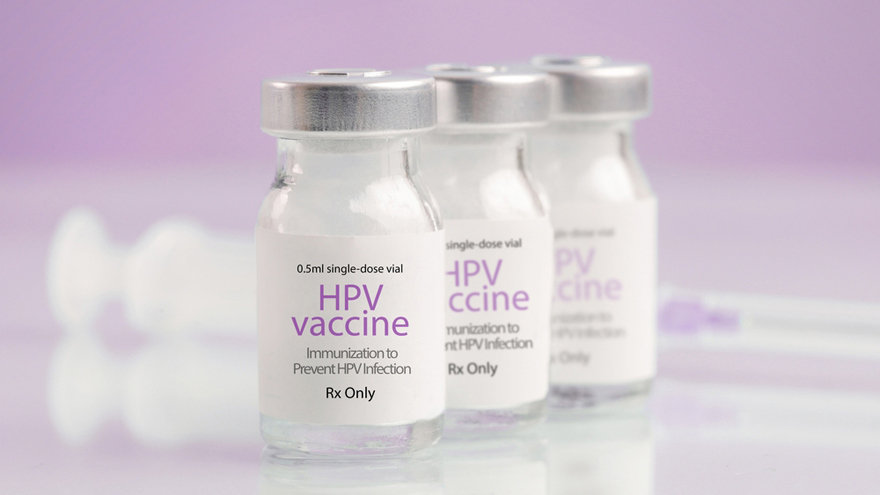
HPV Vaccine for Adult Women: Why It’s Never Too Late
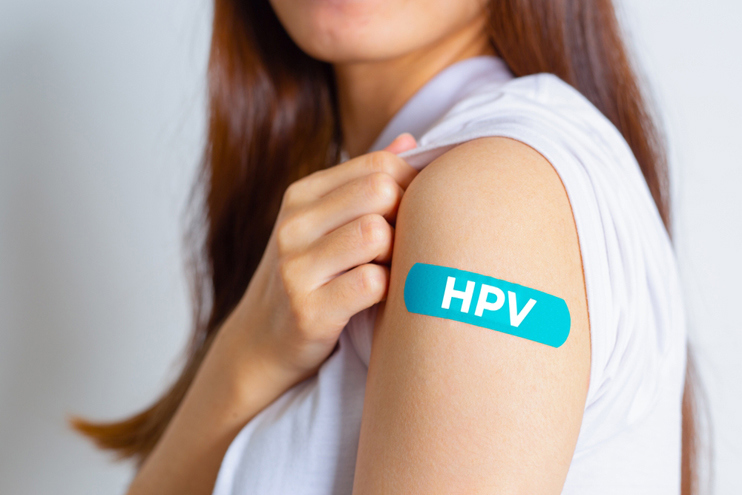
When people think of the human papillomavirus (HPV) vaccine, it’s often associated with teenagers or young adults in their early twenties. However, the benefits of HPV vaccination extend well beyond adolescence. For many adult women, especially those in their 30s, 40s, and even 50s, it’s time to revisit the question: Is it too late to get the HPV vaccine? The answer, backed by growing research and expert medical consensus, is a clear no. At Second Spring Women’s Clinic in Gangnam, Seoul, we believe that protecting your health should never come with an expiration date.
Understanding HPV and Its Risks
HPV is the most common sexually transmitted infection in the world. Nearly all sexually active people will contract at least one strain of HPV at some point in their lives. While many strains are harmless and clear on their own, some high-risk types are known to cause:
Cervical cancer
Vaginal and vulvar cancers
Anal and oropharyngeal (throat) cancers
Genital warts
In women, HPV is responsible for nearly all cases of cervical cancer, making prevention and early detection essential.
How HPV Spreads
HPV is transmitted primarily through skin-to-skin contact during sexual activity—not just through intercourse. Because it's often asymptomatic, many people carry and transmit HPV without knowing it. This makes it difficult to avoid, even in monogamous or long-term relationships.
What Does the HPV Vaccine Do?
The HPV vaccine works by training the immune system to recognize and fight specific strains of the virus before they can establish an infection. The most common vaccine brands (like Gardasil 9) protect against nine types of HPV, including:
HPV types 16 and 18, which cause about 70% of cervical cancers
HPV types 6 and 11, which cause 90% of genital warts
Five additional high-risk types (31, 33, 45, 52, and 58)
Initially, the vaccine was targeted at preteens and young adults, as it is most effective before any exposure to HPV. But that doesn't mean it's not helpful later.
New Guidelines for Adult Women
Medical guidelines have evolved with new evidence. In South Korea, and around the world, experts are increasingly recognizing that vaccination beyond the age of 26 can still offer protection—especially for women who haven’t been exposed to all vaccine-covered HPV strains.
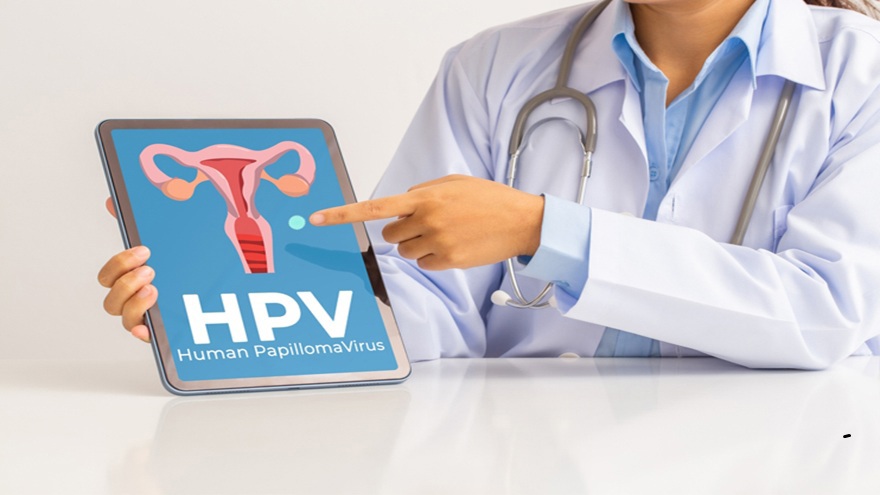
Who Can Benefit?
According to the U.S. Centers for Disease Control and Prevention (CDC) and similar organizations globally:
Women aged 27–45 can consider the HPV vaccine after discussing potential benefits with their healthcare provider.
Women over 45 may also be considered for off-label use of the vaccine in certain circumstances, such as if they are entering a new relationship, have a weakened immune system, or want to minimize future cancer risks.
At Second Spring Women’s Clinic, we conduct thorough consultations to help determine if HPV vaccination is right for you, regardless of your age.
Key Reasons Adult Women Should Consider the HPV Vaccine
1. You May Not Have Been Exposed to All HPV Types
Even if you’ve been sexually active for years, there’s a good chance you haven’t encountered all the high-risk HPV strains. The vaccine doesn’t treat existing infections, but it can still prevent new infections, especially with types not yet encountered.
2. Immunity Is Still Possible in Adulthood
While younger immune systems respond more robustly to the vaccine, adult women still develop effective protection—especially with the latest 9-valent vaccines. You don’t need to be in your teens or twenties to benefit.
3. Changes in Relationships
Life brings change. Divorce, widowhood, or entering new relationships later in life can increase your risk of HPV exposure. Vaccination is a proactive way to protect yourself as your life evolves.
4. Cervical Cancer Risk Increases with Age
Although cervical cancer can take years to develop, many diagnoses occur in women in their 30s, 40s, and 50s. Preventing persistent HPV infection now can reduce your cancer risk later.
5. It Complements Routine Screening
Even if you're undergoing regular Pap smears and HPV tests, vaccination adds an extra layer of protection. It doesn’t replace screening, but it significantly lowers your risk of developing precancerous changes.
HPV Vaccination and Fertility
One common concern among women of reproductive age is whether the HPV vaccine affects fertility. The good news? It does not. In fact, by reducing the risk of cervical and reproductive tract infections, the vaccine may protect fertility in the long run.
At Second Spring Women’s Clinic, which specializes in fertility preservation and women’s reproductive health, we often recommend the HPV vaccine as part of a comprehensive preconception or fertility plan.
What to Expect: HPV Vaccination Process for Adults
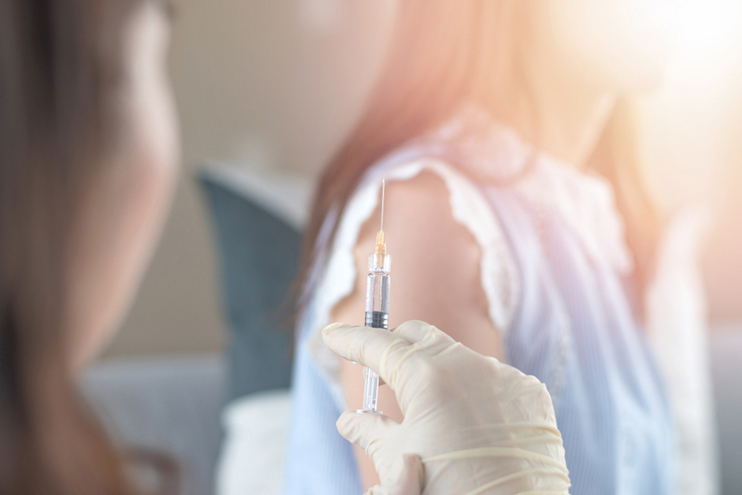
1. Initial Consultation
You'll meet with Dr. Seon-Hwa Jeong, our lead OB-GYN, or another member of our expert team for a one-on-one consultation. We'll review your health history, sexual activity, previous Pap results, and vaccination history.
2. Dosing Schedule
The vaccine is administered in a series of two or three doses over six months, depending on your age and health status.
Under age 15: 2 doses, 6–12 months apart
15 and older: 3 doses (at 0, 1–2, and 6 months)
3. Minimal Side Effects
Side effects are typically mild and may include:
Soreness at the injection site
Mild fever
Fatigue or headache
No major long-term side effects have been linked to the vaccine in large-scale studies.
Myths and Misconceptions About Adult HPV Vaccination
“I’m too old—it won’t work.”
False. While the vaccine is most effective before exposure, partial protection is still valuable even after years of sexual activity.
“I’ve already had HPV or genital warts, so there’s no point.”
False. The vaccine protects against multiple strains. Prior infection with one type doesn’t mean you're protected from others.
“I’m in a monogamous relationship, so I don’t need it.”
Possibly, but not always. You might have been exposed before the relationship began. Also, changes in relationships can happen.
Why Second Spring Women’s Clinic Recommends It?
At Second Spring Women’s Clinic, we prioritize preventative and personalized care. The HPV vaccine is one of the safest and most effective tools in modern gynecology. We view it not just as a vaccine—but as a long-term investment in your health.
Our clinic is known for:
Evidence-based treatments
Patient-first approach
Continuous post-care follow-ups
Special expertise in women’s disease prevention and fertility
We make sure you understand all your options and how HPV vaccination can integrate into your broader health plan.
Frequently Asked Questions (FAQs)
Q: Can I get the vaccine if I’ve had abnormal Pap smears?
A: Yes. In fact, vaccination can reduce your risk of future HPV infections and further abnormalities.
Q: Is it covered by insurance in Korea?
A: In most cases, HPV vaccination for adults is not covered, but we offer affordable and transparent pricing options.
Q: Can the vaccine help me if I’m already sexually active?
A: Yes. It may not treat existing infections, but it can prevent new ones. This is especially valuable for women with multiple or new partners.
Final Thoughts: Protecting Yourself at Every Stage
No matter your age, taking charge of your health is always the right decision. The HPV vaccine for adult women offers a practical, powerful way to reduce your cancer risk, protect your reproductive health, and ensure peace of mind.
At Second Spring Women’s Clinic, we see adult women every day who are learning it’s not too late to invest in themselves. Whether you’re focused on fertility, preventative care, or just want to stay informed, we’re here to support you with compassionate, expert care.
Ready to Talk About HPV Protection?
Schedule your personalized consultation with Dr. Seon-Hwa Jeong at Second Spring Women’s Clinic in Gangnam today. Let’s create a health plan that’s tailored to you—at any stage of life.