Women's Healthcare Guided by an Experienced OB/GYN Specialist in Seoul
en-US
HPV Vaccine for Women in South Korea | Second Spring Clinic
Discover how the HPV vaccine protects women of all ages. Get expert care at Second Spring Women’s Clinic in South Korea. Book your visit today.
Understanding HPV: More Than Just a Virus
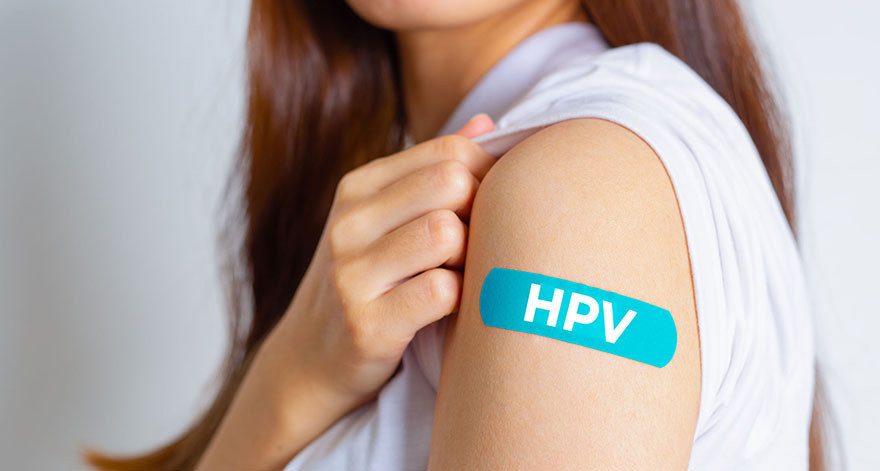
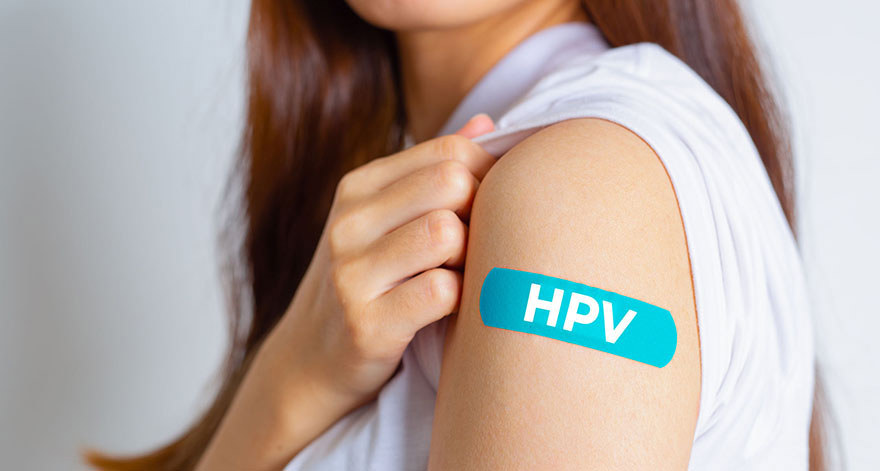
Human papillomavirus (HPV) is a remarkably common virus, and yet it remains poorly understood by many. Comprising over 200 related strains, HPV affects the skin and moist membranes lining various parts of the body. Some types cause benign warts, while others are high-risk and can lead to cancer. The most concerning strains, HPV 16 and 18, are responsible for about 70% of cervical cancer cases worldwide.
HPV spreads primarily through intimate skin-to-skin contact, often during vaginal, anal, or oral sex. Because many HPV infections are asymptomatic, it is possible to transmit the virus without knowing. At Second Spring Women’s Clinic, we frequently encounter women diagnosed with HPV for the first time during routine screenings—many of whom had no idea they were at risk.
According to the Korea Centers for Disease Control and Prevention (KCDC), cervical cancer is one of the top five cancers affecting South Korean women in their reproductive years. That alarming fact underscores why increasing HPV vaccine awareness and accessibility is a public health priority.
Why the HPV Vaccine Matters at Every Age
HPV vaccination is most effective when administered before a person becomes sexually active. That’s why the World Health Organization recommends starting vaccination as early as age 9. However, many women miss this window and may not realize that the vaccine can still provide substantial protection later in life.
"We’ve had patients in their early 40s who assumed they were too old for the vaccine, but after a discussion about their sexual health and screening history, we determined it could still benefit them," says Dr. Minji Park, a board-certified OB-GYN at Second Spring Women’s Clinic.
Expanded Guidelines and Considerations
While the standard age range for HPV vaccination is 9 to 26, guidelines now permit vaccination up to age 45. The U.S. FDA approved Gardasil 9 for this extended age group in 2018, a move echoed by countries including South Korea. Women over 26 are encouraged to discuss their risk profile with a healthcare provider to determine if vaccination is appropriate.
Dr. Park emphasizes individualized care: "The decision isn’t about age alone—it’s about lifestyle, medical history, and exposure risk. We tailor every recommendation to the person in front of us."
Groups That Benefit Most from the Vaccine:
Adolescents (9-14): Highest efficacy, fewer doses needed.
Young adults (15-26): Still highly effective; standard three-dose schedule.
Adults (27-45): Benefit based on risk factors and exposure history.
Women with immune suppression: Especially important for those with HIV or undergoing immunosuppressive therapy.
Women re-entering dating post-divorce: A group often overlooked but still at risk.
HPV Vaccine Types and Dosing
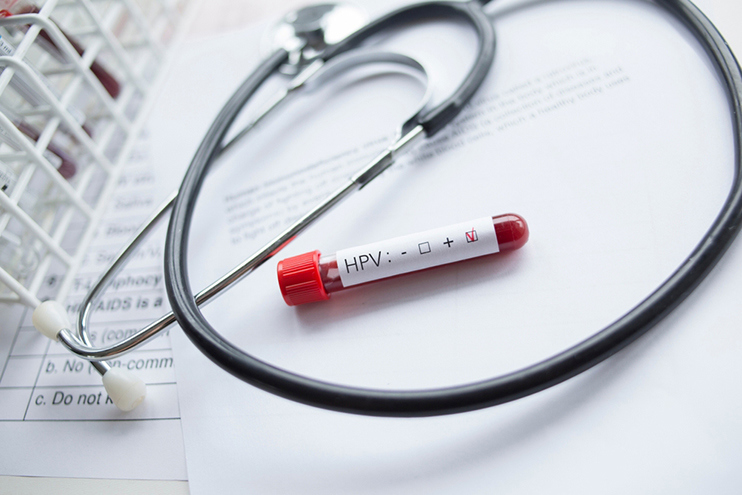
The two primary HPV vaccines available globally are Gardasil and Gardasil 9. In South Korea, Gardasil 9 is the more commonly used formulation, offering protection against nine HPV strains. These include types 6 and 11 (which cause 90% of genital warts) and types 16, 18, 31, 33, 45, 52, and 58—linked to cervical, vaginal, vulvar, anal, and oropharyngeal cancers.
Dosing Recommendations:
Ages 9-14: Two doses, 6-12 months apart.
Ages 15-45 or immunocompromised: Three doses over six months.
Second Spring Women’s Clinic offers tailored scheduling to make it easier for busy women to complete the series. We also provide reminder calls to ensure no dose is missed.
Vaccine Effectiveness and Long-Term Protection
A landmark study published in The Lancet followed over 1.7 million women and confirmed that vaccinated individuals had an 88% lower risk of developing cervical cancer compared to those unvaccinated. Other studies confirm that protection from the vaccine lasts at least 10 years, with strong indications that it may be lifelong.
A recent South Korean study in Yonsei Medical Journal showed a measurable decline in HPV prevalence and genital wart diagnoses among vaccinated age groups. This growing body of data supports the value of expanding access to adult vaccination.
Understanding Side Effects and Safety Profile
Most people experience only mild, short-lived side effects, such as:
Soreness, redness, or swelling at the injection site
Headache or low-grade fever
Dizziness or fainting (particularly among adolescents)
Serious side effects, such as allergic reactions, are extremely rare. In South Korea and worldwide, post-vaccine surveillance programs have not identified any causal link between the HPV vaccine and long-term health problems. Major institutions like the WHO, CDC, and Korean Society of Obstetrics and Gynecology strongly support the vaccine’s safety.
Debunking Myths That Discourage Vaccination
Despite overwhelming evidence, misinformation remains a barrier. Common myths include:
Myth: The HPV vaccine encourages promiscuity. Fact: Studies show no change in sexual behavior after vaccination. The vaccine is about cancer prevention, not lifestyle judgment.
Myth: It's only for women. Fact: While this article focuses on women, boys and men can also benefit. Male vaccination reduces the spread of the virus and prevents certain cancers.
Myth: Once you're sexually active, it's too late. Fact: You can still gain protection from strains you haven't encountered. Even partial protection is better than none.
Myth: The vaccine affects fertility. Fact: There is no scientific evidence linking the HPV vaccine to infertility. In fact, by preventing cervical disease, it may help protect fertility in the long term.
Complementary Screening: A Dual Defense
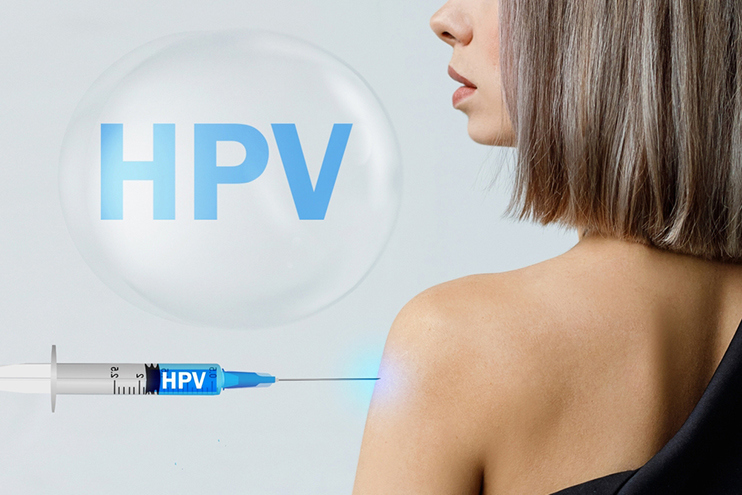
While the vaccine dramatically lowers cancer risk, it doesn’t cover all cancer-causing strains. That’s why regular cervical cancer screening remains essential. At Second Spring, we recommend:
Pap smears every 3 years starting at age 21
HPV testing every 5 years starting at age 30
Combining these screenings with vaccination offers the best defense against cervical cancer.
South Korea’s HPV Vaccination Landscape
Since 2016, the Korean government has provided free HPV vaccination for girls aged 12 through its National Immunization Program. This proactive policy has led to a significant uptick in vaccine uptake among younger age groups.
However, adult women must often seek vaccination privately. At Second Spring Women’s Clinic, we see many women in their late 20s and early 30s who were ineligible for the national program but are eager to protect their health now. We offer:
English-speaking staff
Discreet, one-on-one consultations
Flexible appointment times for working professionals
Real Stories from the Clinic
One patient, 35-year-old Kim S., shared: "I was hesitant because I thought the vaccine was just for teenagers. But after my friend was diagnosed with HPV-related changes, I decided to get informed. The doctors at Second Spring answered every question. I feel relieved knowing I took this step."
Another patient, a 42-year-old expat, noted: "Finding a clinic with English-speaking doctors who really understand women’s health issues made all the difference. They explained the risks and benefits clearly, and I never felt rushed."
Beyond Vaccination: Promoting Sexual Health Literacy
HPV vaccination is a cornerstone of cancer prevention, but it is just one part of a broader conversation about sexual health. At Second Spring, we strive to empower women with the knowledge to make informed choices. We provide education on:
Condom use and HPV transmission
STI screening schedules
Safe sex practices at every age
Our goal is to remove stigma and open the door to honest, informed discussions.
Insurance and Cost in South Korea
HPV vaccination is not currently covered for adult women by South Korea’s National Health Insurance Service. At Second Spring Women’s Clinic, we aim to keep it as affordable as possible, offering:
Transparent pricing
Package deals for multi-dose schedules
Receipts for potential reimbursement with private insurance
Looking Ahead: The Future of HPV Prevention
Exciting developments are on the horizon. Researchers are working on therapeutic HPV vaccines designed to treat existing infections and pre-cancerous lesions. Meanwhile, broader public health campaigns are increasing vaccine awareness among adult women and marginalized groups.
Dr. Park concludes: "The conversation about HPV prevention shouldn’t end at age 26. Every woman deserves access to accurate information and safe, effective protection."
Take the Next Step with Confidence
At Second Spring Women’s Clinic, your health is our mission. Whether you’re 14 or 44, understanding your options for HPV prevention could change your life. We welcome patients of all backgrounds, including expats and travelers, with personalized care that goes beyond the basics.
Schedule Your HPV Vaccine Consultation Today
Knowledge is power—and protection. Contact us today to schedule a consultation. Let’s talk about what the HPV vaccine can mean for your future.