Women's Healthcare Guided by an Experienced OB/GYN Specialist in Seoul
en-US
HPV Vaccine Side Effects: What’s Normal & What’s Not?
Discover common and rare HPV vaccine side effects. Learn what’s normal, what’s not, and when to seek help. Stay informed—read the full guide now!
Introduction
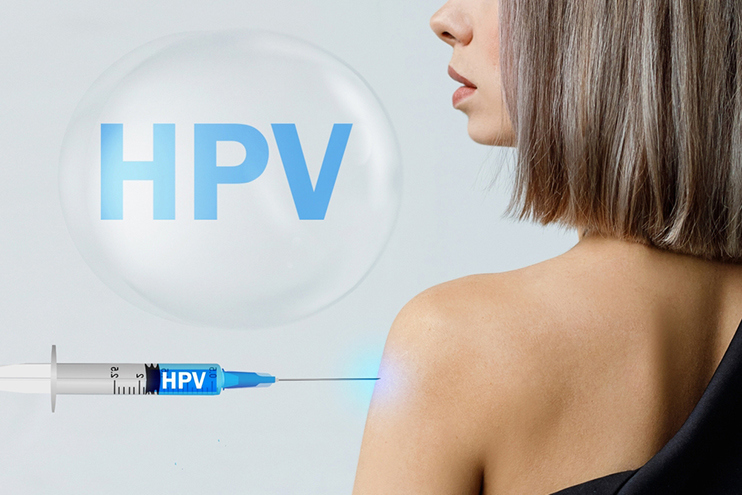
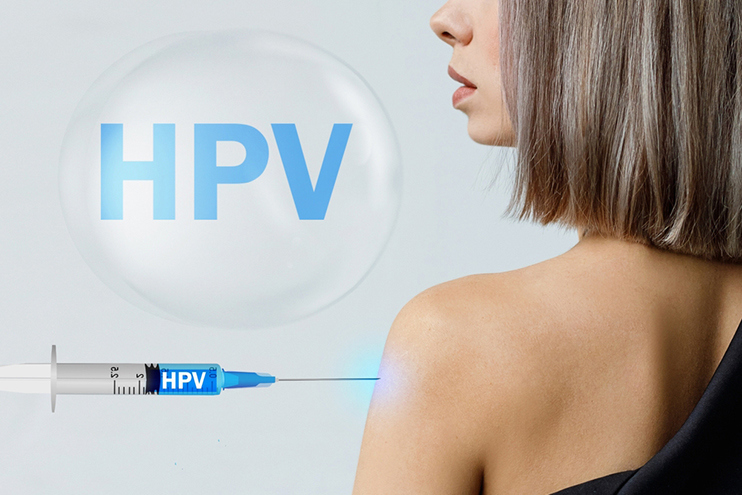
The human papillomavirus (HPV) vaccine is one of the most effective tools we have to prevent cervical cancer, genital warts, and several other HPV-related cancers that affect both women and men. Since its approval, the vaccine has been widely studied, with millions of doses given worldwide, proving both its safety and effectiveness.
At Second Spring Women’s Clinic in Gangnam, Seoul, many of our patients are interested in receiving the HPV vaccine but often ask: “What side effects should I expect?” and “When should I be concerned?”
This article explains what’s normal after HPV vaccination, what’s less common but still safe, and when you should seek medical attention. Our goal is to provide clear, evidence-based information so you can feel confident and reassured before and after your vaccination.
Common, Normal Side Effects
Like most vaccines, the HPV vaccine can cause mild and temporary side effects. These are not a sign of danger but rather an indication that your body is building immunity against HPV. Most people tolerate the vaccine very well, and when side effects do occur, they usually resolve within a few days.
1. Injection Site Reactions
The most common side effect is discomfort where the vaccine is injected, typically the upper arm.
Pain or soreness at the injection site is reported by up to 80% of recipients.
Redness, mild swelling, or tenderness may appear within a few hours.
These symptoms usually resolve within 24–72 hours.
Patient tip: Applying a cool compress, lightly moving your arm, or taking a mild pain reliever (like acetaminophen) can ease discomfort.
2. Low-Grade Fever
A slight fever is your immune system’s way of signaling that it is responding to the vaccine.
Usually stays below 38°C (100.4°F).
Lasts only 1–2 days.
Rarely interferes with daily activities.
3. Headache, Fatigue, or Body Aches
Some patients experience mild headaches, fatigue, or muscle soreness after vaccination.
This is common in younger patients and usually passes within 24–48 hours.
Rest, hydration, and balanced meals help recovery.
4. Dizziness or Fainting
Younger people, especially teenagers, are more prone to fainting shortly after injections. This is more related to needle anxiety than the vaccine itself.
Clinics, including ours, recommend sitting for at least 15 minutes after vaccination.
Lying down during the shot may also reduce the risk of dizziness.
5. Temporary Muscle or Joint Discomfort
Mild muscle or joint pain can occur but is temporary and harmless.
Summary: These side effects are mild, expected, and short-lived. They are not cause for alarm and typically require no special treatment.
Less Common but Possible Reactions

Although most people only experience mild symptoms, there are some less common reactions that you may notice. These are usually still safe but should be monitored.
1. Moderate Fever
A fever above 38.5°C (101.3°F) may occur in a small percentage of patients.
Though uncomfortable, it is typically harmless.
Over-the-counter fever reducers and adequate hydration are usually enough.
2. Gastrointestinal Upset
Some people may feel nausea, mild abdominal cramps, or occasional vomiting.
These symptoms generally pass within 24 hours.
Eating light, easy-to-digest meals and drinking fluids can help.
3. Stronger Injection Site Reactions
Sometimes, the redness or swelling at the injection site may be more pronounced.
Bruising or visible marks may appear but resolve naturally.
Warm compresses can help reduce swelling if it becomes bothersome.
Summary: These side effects are less common and typically short-lived. If they persist beyond a few days, consult your doctor for reassurance.
When to Seek Medical Attention

The HPV vaccine is considered very safe, with serious side effects being extremely rare. However, it is important to know when to seek medical help.
1. Severe Allergic Reactions (Anaphylaxis)
Although extremely rare (less than 1 in a million doses), severe allergic reactions can occur. Watch for:
Difficulty breathing
Swelling of the face, lips, or throat
Widespread hives or severe rash
Dizziness, rapid heartbeat, or sudden weakness
If any of these occur, seek emergency medical care immediately.
2. Persistent High Fever
A fever above 39°C (102.2°F) that does not improve after a day or two should be evaluated by a doctor.
3. Severe or Worsening Pain at the Injection Site
If you notice increasing redness, swelling, or warmth at the injection site, it could indicate infection, which requires medical assessment.
4. Rare Neurological Symptoms
Extremely rare reports include fainting-related injuries, vision changes, or neurological symptoms. If these occur, seek medical care right away.
Summary: While these reactions are very rare, being informed helps you act quickly if needed.
Our Approach at Second Spring Women’s Clinic
At Second Spring Women’s Clinic in Gangnam, we provide more than just vaccinations—we offer personalized, supportive care before, during, and after your HPV vaccine appointment.
Here’s how we support you:
Pre-Vaccine Counseling: We review your health history, allergies, and any prior experiences with vaccines.
Safe Administration: Vaccines are administered in a comfortable setting, with careful monitoring afterward.
Clear Aftercare Guidance: Before you leave, we explain what to expect and how to handle minor side effects.
Follow-Up Support: If you have concerns after vaccination, we are always available to answer questions and provide reassurance.
Dr. Seon-Hwa Jeong, a board-certified OB-GYN with extensive expertise in women’s health and preventive care, ensures that every patient receives care tailored to their individual needs.
Key Takeaway
The HPV vaccine is safe, effective, and one of the most important steps you can take to protect your reproductive health.
Most common side effects: Mild soreness, fatigue, or low fever.
Duration: Usually just 1–3 days.
Serious side effects: Extremely rare, but it’s important to recognize warning signs.
At Second Spring Women’s Clinic, we believe informed patients make confident choices. By knowing what’s normal and what’s not, you can feel reassured as you take this proactive step in protecting your long-term health.
Quick Facts for Patients
HPV vaccination prevents up to 90% of cervical cancer cases linked to high-risk HPV strains.
The vaccine is most effective when given before sexual activity begins, but it can benefit women at almost any age.
Three doses are recommended for maximum protection in adults, though younger teens often require only two.
Side effects are usually mild and temporary, with serious complications being extremely rare.