Women's Healthcare Guided by an Experienced OB/GYN Specialist in Seoul
en-US
Hysterectomy Alternatives: Expert Gynecological Care in Seoul
Explore uterus-preserving treatments for fibroids and endometriosis at Second Spring Women’s Clinic, led by Dr. Seon-Hwa Jeong in Seoul.
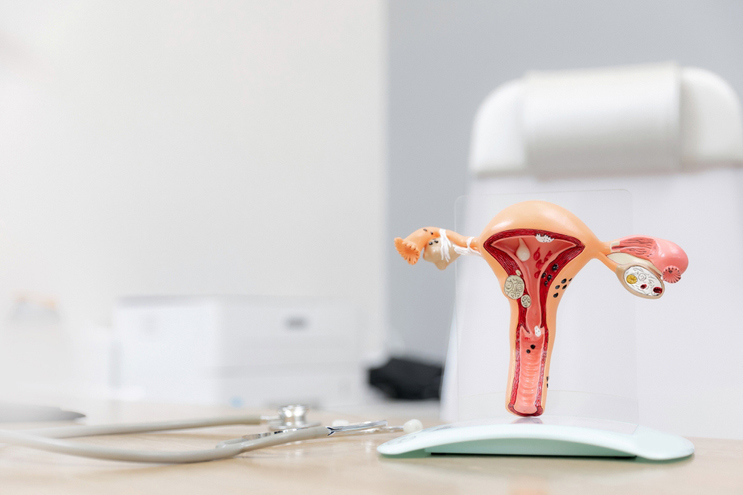
Rethinking Hysterectomy—What Every Woman Should Know About Alternatives
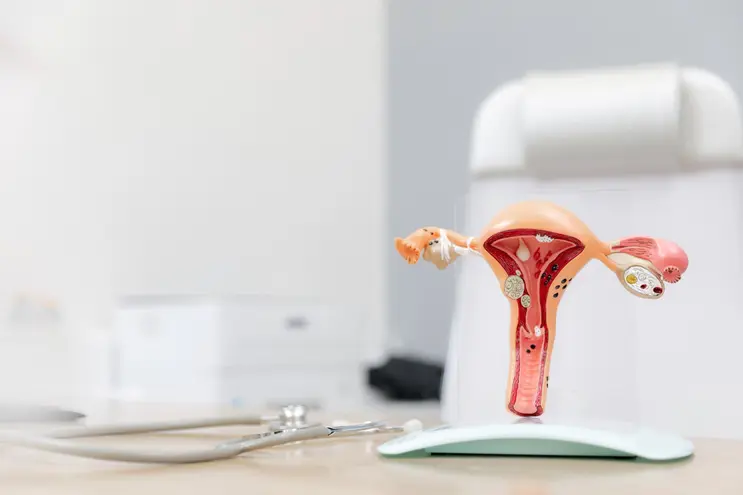
When faced with a serious gynecological condition, many women are presented with hysterectomy as a primary treatment option. This major surgery, which involves removing the uterus, can bring profound relief for chronic symptoms like pelvic pain, abnormal bleeding, or complications caused by fibroids and endometriosis. However, a hysterectomy is not always the only solution. Increasingly, women in Seoul and around the world are exploring less invasive, uterus-preserving alternatives—many of which offer comparable relief with fewer risks.
At the forefront of this shift is Dr. Seon-Hwa Jeong of Second Spring Women’s Clinic in Seoul. With a strong focus on minimally invasive care and fertility preservation, Dr. Jeong and her team help women make informed, confident decisions about their reproductive health.
Understanding Hysterectomy: What It Involves
A hysterectomy is a surgical procedure to remove the uterus. Depending on the patient's condition, the procedure may also include the removal of the cervix, ovaries, fallopian tubes, and surrounding tissues. There are several types of hysterectomy, including:
Total hysterectomy: Removes both the uterus and cervix.
Subtotal (partial) hysterectomy: Removes the uterus but leaves the cervix intact.
Radical hysterectomy: Typically performed in cancer cases, this removes the uterus, cervix, the upper part of the vagina, and surrounding tissues.
Surgical approaches vary and include abdominal incisions, vaginal access, or more modern laparoscopic and robotic-assisted techniques. Each approach carries different recovery timelines and risks.
Common Medical Reasons for a Hysterectomy
Hysterectomy is generally recommended for conditions that don’t respond well to medication or less invasive treatments. These include:
Uterine fibroids: Benign tumors that may cause heavy menstrual bleeding, pelvic pain, or pressure on the bladder or rectum.
Endometriosis: A chronic condition where uterine-like tissue grows outside the uterus, leading to pain, infertility, and inflammation.
Gynecological cancers: Uterine, cervical, or ovarian cancers may require a hysterectomy to prevent the spread of disease.
Chronic pelvic pain: When persistent pain disrupts daily life and no other treatments are effective.
Heavy menstrual bleeding: When excessive bleeding fails to improve with medical management.
Benefits and Drawbacks of Hysterectomy
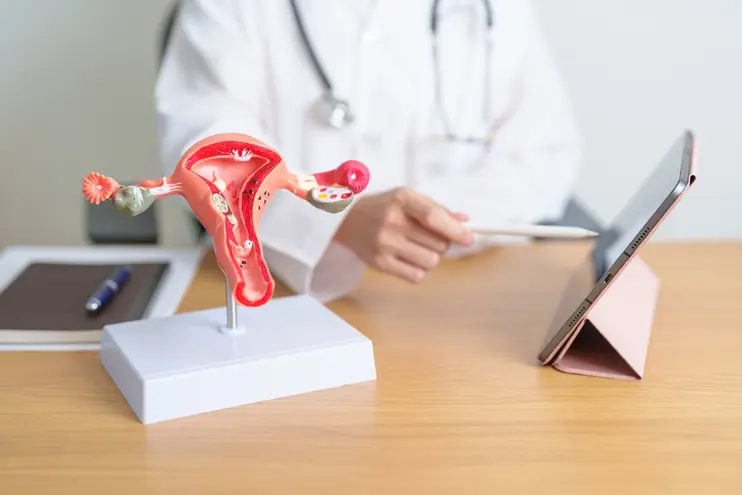
For many women, a hysterectomy offers permanent relief. It can eliminate debilitating symptoms and drastically improve quality of life. Some of the notable benefits include:
Permanent cessation of periods
Long-term relief from chronic pain or bleeding
Elimination of risk for uterine or cervical cancers
Yet, this procedure is irreversible and can have physical and emotional consequences. Potential risks and considerations include:
Surgical complications: Including infection, blood loss, or damage to surrounding organs.
Hormonal effects: If the ovaries are removed, menopause begins immediately, often with intense symptoms.
Emotional and psychological impacts: Many women report feeling a sense of loss, particularly those who hoped to have children.
Changes in sexual function: Some women experience decreased libido or vaginal dryness post-surgery.
Dr. Jeong emphasizes that while hysterectomy can be life-changing for the right patient, it should not be the default first step. Non-surgical and minimally invasive options deserve full consideration.
Alternatives to Hysterectomy: Empowering Women With Options
Many conditions that once required a hysterectomy can now be treated using uterus-sparing alternatives. These options aim to manage or eliminate symptoms while preserving fertility and bodily integrity. Here are some of the most effective non-surgical and minimally invasive treatments:
Myomectomy
This surgical procedure removes fibroids without taking out the uterus. It’s particularly valuable for women who wish to maintain fertility. Depending on the size and location of the fibroids, myomectomy may be performed through open surgery, laparoscopic techniques, or robotic-assisted methods. While fibroids can recur, many women experience years of symptom relief following the procedure.
Uterine Artery Embolization (UAE)
UAE is a minimally invasive procedure that shrinks fibroids by blocking their blood supply. Through a small incision in the groin, a catheter delivers embolic agents directly to the uterine arteries, cutting off circulation to the fibroids. As they shrink, symptoms typically improve. Most women recover within a week. However, UAE may not be ideal for women planning pregnancy, as it can potentially impact uterine function.
Endometrial Ablation
Designed for women with heavy menstrual bleeding, endometrial ablation removes or destroys the lining of the uterus. This outpatient procedure is done using heat, cold, or electrical energy. While it doesn’t involve cutting or lengthy recovery, it is not recommended for women who still wish to have children. Many women experience significant symptom improvement, and some stop menstruating altogether.
Hormone Therapy

For conditions like endometriosis and fibroids, hormonal treatment can help shrink tissue and control symptoms. Common options include birth control pills, progestin-releasing IUDs, and medications like GnRH agonists. While not curative, these treatments can provide substantial relief and are especially useful for delaying or avoiding surgery.
Laparoscopic Excision for Endometriosis
This technique removes endometriotic tissue while preserving reproductive organs. It is preferred over ablation for treating endometriosis because it targets the root cause rather than just the surface symptoms. Recovery is shorter than traditional surgery, and many patients experience long-term pain relief and improved fertility outcomes.
Emotional and Psychological Factors
Surgical decisions, particularly those involving reproductive organs, carry deep emotional weight. The idea of losing the uterus can feel like losing a part of one’s identity, especially for those who associate it with femininity or future family plans. Dr. Jeong routinely addresses these emotional concerns during consultations, encouraging patients to share fears and expectations.
Women may also experience anxiety, depression, or mood swings—especially if the ovaries are removed, leading to sudden menopause. At Second Spring Women’s Clinic, psychological support is integrated into treatment plans. This includes access to mental health professionals, support groups, and one-on-one counseling to help patients navigate emotional transitions.
Fertility Preservation Strategies
For women considering a hysterectomy but hoping to have children in the future, early planning is key. Fertility preservation techniques can make biological parenthood possible, even after uterus removal. Options include:
Egg freezing: Ideal for women who wish to preserve fertility before undergoing hormone therapy or surgery.
Embryo freezing: Combines eggs with sperm before freezing, offering higher success rates.
Ovarian tissue cryopreservation: An emerging method that involves freezing and later re-implanting ovarian tissue.
Women may also consider surrogacy if pregnancy becomes impossible after treatment. Dr. Jeong and her team provide comprehensive counseling on these options, helping patients balance health priorities with future family goals.
Making an Informed Decision
Choosing the right treatment involves more than just clinical data. Dr. Jeong encourages patients to evaluate:
Their age and stage of life
Desire for future pregnancies
Symptom severity and response to past treatments
Recovery time and lifestyle limitations
Emotional readiness for a permanent change
Patients are given time, space, and support to process their options. In some cases, a stepwise approach is recommended: trying non-surgical options first and reserving surgery as a last resort if symptoms persist.
Why Second Spring Women’s Clinic?
Situated in central Seoul, Second Spring Women’s Clinic combines advanced gynecological expertise with a deeply patient-centered approach. Under the leadership of Dr. Seon-Hwa Jeong, the clinic is distinguished by:
Specialization in minimally invasive and non-surgical treatments
Advanced technology, including robotic-assisted surgery
Personalized care plans that consider fertility, lifestyle, and emotional well-being
Integrated support services, including mental health and fertility counseling
Dr. Jeong is widely recognized for her meticulous attention to detail and commitment to helping women make fully informed decisions. Her philosophy is simple: "Women deserve all the facts—and all the choices—when it comes to their reproductive health."
Conclusion: Your Health, Your Choice
Deciding whether to undergo a hysterectomy is a deeply personal and often complex process. The good news is that alternatives are available—and increasingly effective. Whether you are managing fibroids, navigating endometriosis, or exploring fertility-preserving options, Second Spring Women’s Clinic is here to guide you.
Through thoughtful evaluation, compassionate care, and leading-edge treatment, you can move forward with confidence—knowing that your health decisions are truly your own.