Women's Healthcare Guided by an Experienced OB/GYN Specialist in Seoul
en-US
Irregular Periods After 40? Here’s What You Need to Know
Discover what causes irregular periods after 40, when to seek help, and how perimenopause might be impacting your cycle.
Navigating Irregular Periods in Your 40s: What You Need to Know

As women move through their 40s, many start to notice unexpected changes in their menstrual cycles. For some, periods become irregular, with skipped months, heavier or lighter flow, or unpredictable timing. These shifts often mark the start of perimenopause—the years-long transition leading up to menopause—but not always. Understanding the nuances behind these changes can help you stay informed and in control of your health.
What Happens to Your Cycle After 40?
Dr. Seon-Hwa Jeong, founder of Second Spring Women’s Clinic, explains that the menstrual cycle becomes more variable in midlife due to declining ovarian function. “We see more hormonal surges and dips during this stage,” she says. “Estrogen and progesterone don’t follow the predictable patterns they once did.”
This hormonal rollercoaster can result in cycles that are longer, shorter, or missed entirely. Periods might be heavier one month and barely noticeable the next. While these changes are typically part of the natural aging process, some signs warrant closer evaluation.
Hormonal changes can also make ovulation less regular, increasing the chances of anovulatory cycles—cycles where no egg is released. This can contribute to unpredictable bleeding and fertility concerns.
When Is Irregular Too Irregular?
Irregular periods generally refer to shifts in cycle timing, duration, or flow that deviate from your usual pattern. While occasional inconsistency is expected, ongoing irregularities accompanied by severe symptoms may indicate more than just perimenopause. Dr. Jeong often sees patients whose symptoms were early signs of treatable conditions like fibroids, thyroid issues, or endometriosis.
Common Types of Irregularities:
Skipped periods without explanation
Heavy menstrual flow needing frequent product changes
Cycles shorter than 21 or longer than 35 days
Spotting between periods or after sex
Tracking your cycle using an app or journal can be helpful when discussing changes with your gynecologist.
Is Perimenopause to Blame?
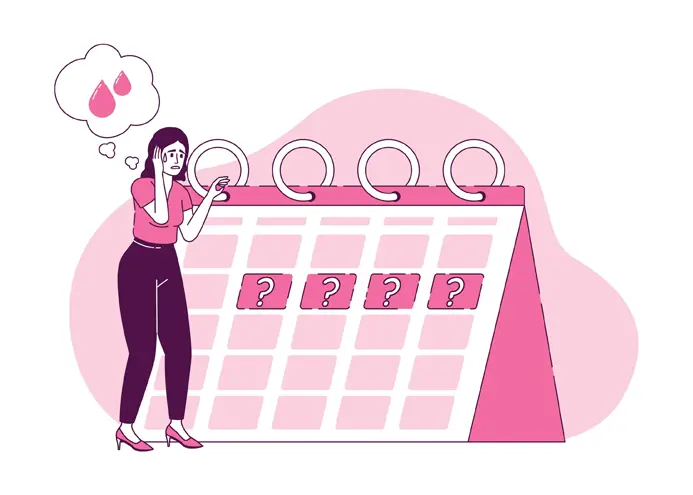
In many cases, yes—but not always. Perimenopause can start in your late 30s or early 40s and last up to a decade. During this time, ovulation becomes inconsistent, leading to estrogen-dominant or low-progesterone states, which affect both mood and menstruation.
Other signs of perimenopause include:
Hot flashes and night sweats
Sleep issues
Irritability and mood swings
Changes in libido
If these symptoms sound familiar, your irregular periods are likely part of this hormonal transition. Still, confirmation through blood work or symptom tracking can guide treatment.
Don’t Dismiss Underlying Conditions
While many menstrual changes are benign, some may indicate more serious concerns:
Uterine fibroids: Common in midlife, these benign growths can cause prolonged or heavy bleeding.
Endometriosis: Persistent pain and bleeding outside regular cycles may point to this condition.
Thyroid dysfunction: Both hyper- and hypothyroidism can disrupt cycles.
Polycystic Ovary Syndrome (PCOS): Though often diagnosed earlier, PCOS can persist or emerge in midlife.
Polyps or cancer: Rare but serious, irregular bleeding—especially post-menopause—warrants immediate evaluation.
“Your period is a vital sign,” says Dr. Jeong. “It tells us a lot about what’s going on internally.”
Real Patients, Real Stories
Take Lina, 44, who came to Second Spring after noticing her once-clockwork periods had become erratic and painful. After diagnostic imaging, doctors found fibroids. “I thought it was just age, but I’m glad I asked questions,” she said. Her treatment plan included a minimally invasive procedure and lifestyle changes that helped regulate her cycle.
Then there’s Monica, 47, who thought her worsening mood swings and irregular bleeding were just part of getting older. Blood tests revealed a thyroid imbalance. With treatment, her symptoms improved dramatically within a few weeks.
How Do Doctors Treat Irregular Periods?
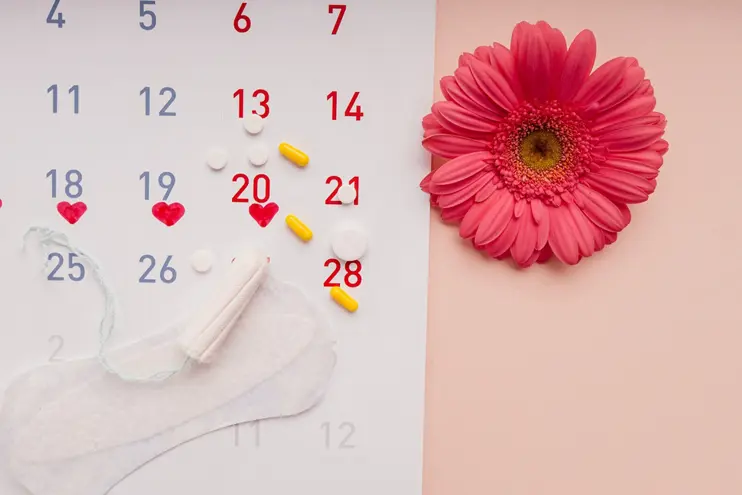
There’s no one-size-fits-all solution, but treatments aim to ease symptoms and address root causes.
Common options include:
Hormone therapy to balance estrogen/progesterone levels
Progestin-only treatments for heavy flow
Intrauterine devices (IUDs) that reduce or stop periods
Endometrial ablation to decrease heavy bleeding
Surgery for fibroids or polyps when necessary
Dr. Jeong emphasizes shared decision-making: “We listen closely and tailor plans to each woman’s goals—whether that’s preserving fertility, eliminating discomfort, or improving quality of life.”
In some cases, a watch-and-wait approach may be recommended if symptoms are mild and manageable. But ongoing dialogue with your doctor ensures the plan evolves with your needs.
Emotional Health Matters Too
Hormonal changes can take a toll emotionally as well. Many women report increased anxiety, mood swings, and even depression during this life phase. Feeling out of sync with your body can trigger self-doubt or stress.
Coping tips include:
Practicing mindfulness or yoga
Talking to a therapist or support group
Journaling symptoms and emotions
Prioritizing sleep and physical activity
Dr. Jeong notes, “Validating emotional symptoms is just as important as treating physical ones. Mental health and hormones are deeply connected.”
Supporting Your Cycle Through Lifestyle
Lifestyle changes can’t stop perimenopause, but they can lessen the impact:
Eat a hormone-friendly diet rich in fiber, healthy fats, and phytoestrogens (like flaxseeds and soy)
Exercise regularly to balance hormones and reduce stress
Limit alcohol and caffeine, which can intensify symptoms
Stay hydrated to ease bloating and fatigue
Supplements like magnesium, vitamin D, and B-complex may also help manage symptoms—though it’s best to consult your provider before starting any new regimen.
Why Regular Checkups Matter More Than Ever
Annual exams are essential for catching changes early. At Second Spring, women over 40 receive comprehensive evaluations that go beyond the routine. This includes pelvic exams, ultrasounds if needed, hormone testing, and personalized guidance.
“These visits are about more than Pap smears,” says Dr. Jeong. “They’re our opportunity to look at the big picture—hormones, emotional health, cancer risk, and quality of life.”
Your gynecologist can also help you anticipate what’s next. Knowing when you’re approaching menopause, and how your symptoms may evolve, reduces anxiety and allows for proactive planning.
Take Control of the Transition
Irregular periods may be a natural part of your 40s, but that doesn’t mean you should suffer in silence. With expert support and informed choices, you can navigate this chapter feeling confident and cared for.
Second Spring Women’s Clinic offers holistic, compassionate care for every stage of the perimenopausal journey. Book an appointment today to start the conversation—and take the next step toward understanding your changing body.
Final Thoughts: What You Deserve to Know
Your 40s can be a time of empowerment and reflection, not just hormonal upheaval. By understanding the signals your body sends—and acting on them—you reclaim control over your reproductive health. Whether you’re adjusting to new symptoms or still trying to make sense of irregular cycles, you’re not alone.
With providers like Dr. Jeong who blend clinical precision with compassionate listening, you can confidently move through this stage with clarity and care.