Women's Healthcare Guided by an Experienced OB/GYN Specialist in Seoul
en-US
Irregular Periods: Pinpointing the Cause with Precision
Struggling with irregular periods? Learn how advanced diagnostics help pinpoint the exact cause for effective treatment and hormonal balance. Find answers now!
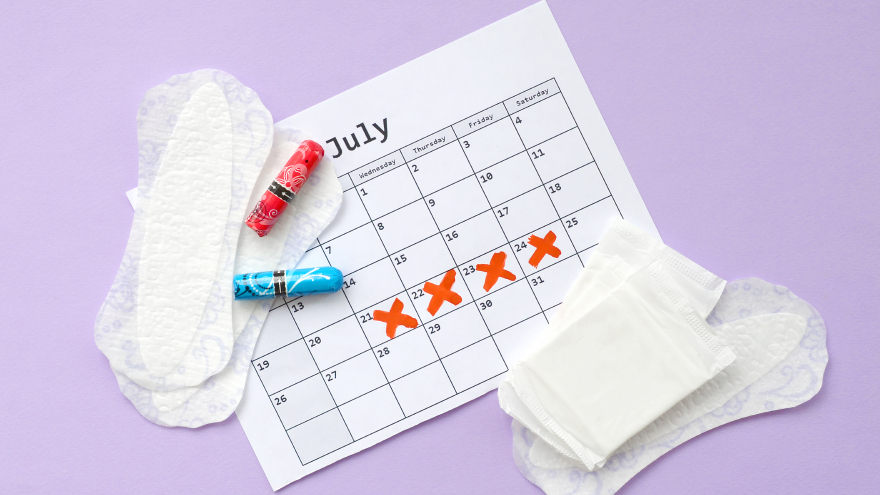
Irregular Periods: Pinpointing the Cause with Precision
At Second Spring Women’s Clinic, located in the heart of Gangnam, Seoul, we understand how frustrating and worrisome irregular periods can be. For many women, menstruation is a monthly indicator of their overall health. When your period becomes unpredictable, too heavy or light, or disappears altogether, it can be a sign of an underlying condition that deserves careful attention. While occasional fluctuations are normal, persistent irregularities require a deeper and more precise medical approach.
Led by board-certified OB-GYN Dr. Seon-Hwa Jeong, our clinic specializes in uncovering the exact causes of menstrual irregularities using advanced diagnostics and personalized treatment plans. This article explores the common causes of irregular periods, how we evaluate them with clinical precision, and what steps you can take to restore hormonal and reproductive balance.
Understanding What Constitutes an Irregular Period
To start, it's important to define what qualifies as an irregular menstrual cycle. A typical menstrual cycle lasts between 21 and 35 days, with menstruation usually lasting three to seven days. Anything outside this range may be considered irregular. This can include:
Cycles that vary significantly in length month-to-month
Missing periods for three or more months (amenorrhea)
Bleeding that is extremely heavy (menorrhagia) or unusually light (hypomenorrhea)
Spotting between periods
Periods that come more frequently than every 21 days or less often than every 35 days
For some women, irregular periods can also come with additional symptoms such as acne, excessive hair growth, pelvic pain, or weight fluctuations. These signs are essential clues that help us determine the root cause of your menstrual issues.
Common Causes of Irregular Periods: A Closer Look

1. Hormonal Imbalances
Hormones control every aspect of the menstrual cycle. Even a slight imbalance can disrupt ovulation and change the timing or flow of your period. Some common hormonal conditions include:
Polycystic Ovary Syndrome (PCOS): One of the most frequent causes of irregular periods. Women with PCOS often have elevated androgen levels and may not ovulate regularly.
Thyroid Dysfunction: An underactive (hypothyroidism) or overactive thyroid (hyperthyroidism) can cause changes in your menstrual cycle.
Hyperprolactinemia: Elevated levels of prolactin, a hormone produced by the pituitary gland, can suppress ovulation.
Insulin Resistance: Often associated with PCOS, it can interfere with normal hormone regulation.
2. Lifestyle and Environmental Factors
Your daily habits and stress levels can significantly affect your menstrual health.
Chronic Stress: High cortisol levels from long-term stress can suppress the hypothalamic-pituitary-ovarian (HPO) axis, disrupting your cycle.
Intense Exercise: Athletes or those engaging in high-intensity training may experience amenorrhea due to low body fat and energy expenditure.
Rapid Weight Loss or Gain: Extreme dietary changes can impact estrogen production, leading to cycle irregularities.
Travel and Sleep Disruption: Shifts in circadian rhythm can temporarily affect your hormone balance.
3. Gynecological Conditions
Several structural or pathological conditions can lead to irregular bleeding or amenorrhea:
Uterine Fibroids: Non-cancerous growths in the uterus that can cause heavy and prolonged bleeding.
Endometriosis: A condition where tissue similar to the uterine lining grows outside the uterus, often causing painful and irregular periods.
Ovarian Cysts: Fluid-filled sacs that can interfere with ovulation and menstrual timing.
Asherman’s Syndrome: Scar tissue in the uterus, often from surgery, leading to missed or light periods.
4. Perimenopause and Menopause
For women in their late 30s or 40s, irregular periods can be part of the natural transition toward menopause, known as perimenopause. During this stage, fluctuations in estrogen and progesterone levels can lead to changes in cycle length, flow, and associated symptoms such as hot flashes or mood swings.
5. Medications and Birth Control
Certain contraceptives and medications can alter your menstrual cycle:
Hormonal Birth Control: Pills, patches, injections, and IUDs may lighten or stop periods completely.
Antipsychotics, Antidepressants, and Chemotherapy Drugs: These can impact hormone levels and interfere with normal menstruation.
Our Diagnostic Approach: Precision and Personalization
At Second Spring Women’s Clinic, we don’t believe in guesswork when it comes to your health. Our diagnostic process is tailored to each patient and combines modern medical technology with one-on-one consultations to understand your full medical history, lifestyle, and goals.
Step 1: Comprehensive Consultation
Your initial visit includes an in-depth discussion with Dr. Jeong about your menstrual history, symptoms, and any related health concerns. We consider factors such as:
Age and reproductive goals
Family history of hormonal or reproductive disorders
Stress levels, diet, and exercise habits
Medication use and previous surgeries
Step 2: Advanced Diagnostic Testing
We employ a range of tests to uncover the root cause of your irregular periods:
Hormone Blood Panels: Assess levels of estrogen, progesterone, FSH, LH, prolactin, and thyroid hormones.
Ultrasound Imaging: Transvaginal ultrasound helps visualize the ovaries, uterus, and endometrial lining for any abnormalities.
Ovarian Reserve Testing: AMH (Anti-Mullerian Hormone) testing helps assess fertility potential and egg reserve.
Pelvic Examination: Helps detect structural abnormalities or signs of infections.
Endometrial Biopsy: May be performed if there is concern about abnormal uterine bleeding or endometrial health.
Creating a Personalized Treatment Plan
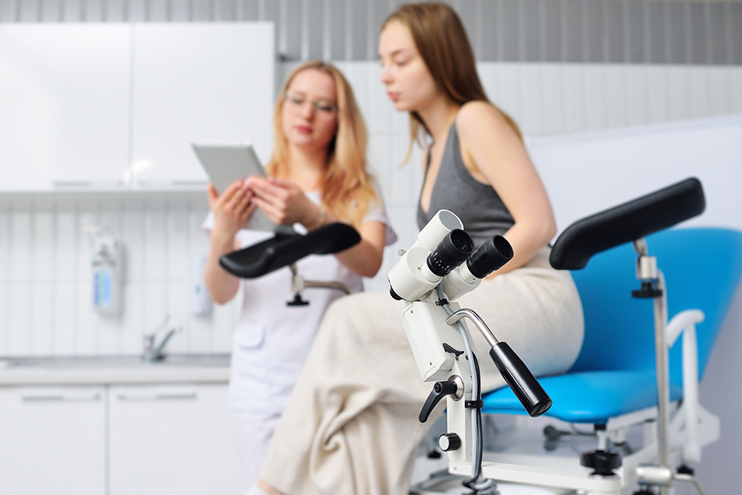
Once we identify the underlying issue, we develop a treatment plan that aligns with your lifestyle and health goals. Treatments may include:
1. Hormonal Therapies
Oral contraceptives or hormone regulation pills to balance estrogen and progesterone
Thyroid medication for hypo- or hyperthyroidism
Prolactin-lowering medications if hyperprolactinemia is the cause
2. Lifestyle Adjustments
Nutritional Counseling: Addressing deficiencies, improving overall diet, and regulating blood sugar
Stress Management Techniques: Including mindfulness, acupuncture, and sleep therapy
Exercise Plans: Tailored to support hormonal balance rather than disrupt it
3. Fertility Support and Preservation
For patients concerned about their ability to conceive, we offer:
Ovulation induction therapy
Egg freezing and fertility preservation programs
Monitoring and support during conception attempts
4. Minimally Invasive Procedures
Our clinic is renowned for advanced gynecologic procedures, including:
3D Laser Labia Surgery and Vaginal Rejuvenation: Addressing aesthetic and functional concerns
Hysteroscopic surgery for fibroid or polyp removal
Laparoscopic procedures for endometriosis and cyst management
Why Timely Evaluation Matters?
Ignoring irregular periods can delay the diagnosis of serious health conditions like PCOS, thyroid disease, or even early signs of reproductive cancers. Additionally, untreated menstrual irregularities can lead to infertility, osteoporosis (due to low estrogen), and metabolic complications.
At Second Spring Women’s Clinic, we believe that early intervention is key. Our proactive, detail-oriented approach empowers women to make informed choices and regain control over their hormonal health.
Our Philosophy: Precision, Compassion, and Continued Support
Dr. Seon-Hwa Jeong is not only a leader in women's health diagnostics but also a compassionate partner in your wellness journey. Our clinic doesn’t stop at diagnosis. We offer continuous follow-up, treatment monitoring, and holistic support for every stage of womanhood—from adolescence to postmenopause.
Patients choose us because we provide:
Advanced diagnostic tools
A personalized, evidence-based approach
Expertise in both medical and aesthetic gynecology
Multilingual care in Korean and English
Take the Next Step Toward Clarity and Control
If you're struggling with irregular periods, know that you're not alone—and you don't have to settle for uncertainty. At Second Spring Women’s Clinic, we help women like you find answers, receive expert care, and restore hormonal balance with precision.
Whether you're managing PCOS, entering perimenopause, or just seeking clarity, our clinic is here to support your journey.
Schedule your consultation today and experience care that listens, investigates, and heals—because every woman deserves to understand her body, feel confident, and live in balance.
Second Spring Women’s Clinic
Your Partner in Advanced Gynecological Health
Gangnam, Seoul
Multilingual Support | Personalized Care | Precision Medicine