Women's Healthcare Guided by an Experienced OB/GYN Specialist in Seoul
en-US
Is the HPV Vaccine Safe? Debunking Common Myths & Concerns
Is the HPV vaccine safe? Learn the facts as we debunk common myths, address safety concerns, and highlight its role in cancer prevention.
Is the HPV Vaccine Safe? Debunking Common Myths & Concerns
Human Papillomavirus (HPV) is one of the most common sexually transmitted infections worldwide, affecting both men and women. While most HPV infections clear on their own, certain strains are known to cause cervical cancer, genital warts, and other cancers including those of the anus, penis, and throat. To combat this, the HPV vaccine was developed—an innovation that has significantly reduced HPV-related disease rates globally.
Yet despite overwhelming scientific evidence supporting its safety and effectiveness, misinformation continues to circulate, leaving many patients uncertain about whether to receive the vaccine. At Second Spring Women’s Clinic in Gangnam, Seoul, we often meet women and families who are hesitant about HPV vaccination due to lingering fears or myths.
In this article, we will thoroughly examine the safety of the HPV vaccine, address common myths, and help you make an informed decision about protecting your health.
Why the HPV Vaccine Matters
The HPV vaccine is designed to protect against the most dangerous strains of HPV, particularly types 16 and 18, which are responsible for about 70% of cervical cancers. It also protects against strains causing genital warts (types 6 and 11). By preventing infection before exposure, the vaccine drastically reduces the risk of cervical cancer and other HPV-related diseases later in life.
Cervical cancer is the fourth most common cancer among women worldwide, and in Korea, thousands of women are diagnosed every year. With vaccination, the burden of this disease can be significantly reduced.
Myth 1: “The HPV vaccine isn’t safe.”
Fact: The HPV vaccine has been extensively studied and is considered very safe.
Since its introduction in 2006, over 500 million doses of HPV vaccines have been administered worldwide.
Major health authorities—including the World Health Organization (WHO), the U.S. Centers for Disease Control and Prevention (CDC), and the Korean Centers for Disease Control (KCDC)—have all confirmed its strong safety profile.
Side effects are generally mild, such as arm soreness, redness at the injection site, mild fever, or headache. These usually resolve within a few days.
Severe allergic reactions are extremely rare (about 1 in a million doses), and vaccination centers, including ours at Second Spring Women’s Clinic, are fully equipped to handle such emergencies.
Myth 2: “The HPV vaccine causes infertility.”
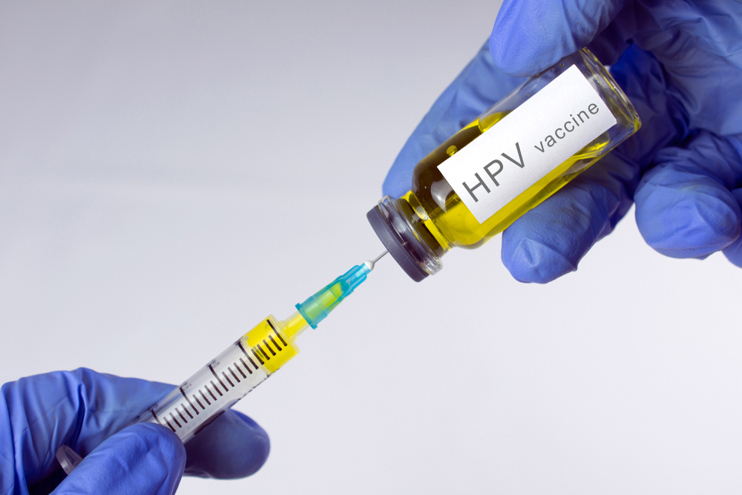
Fact: There is no evidence that the HPV vaccine affects fertility.
This myth likely arose from confusion with temporary fainting or delayed menstruation after vaccination, which are not linked to infertility. In fact, by preventing cervical cancer and precancerous changes in the cervix, the HPV vaccine protects fertility. Women who undergo surgery or radiation for cervical cancer often face difficulty conceiving or carrying a pregnancy. Thus, vaccination is a safeguard for future reproductive health.
Myth 3: “The HPV vaccine is unnecessary if I practice safe sex.”
Fact: Even with safe sex practices, HPV can still be transmitted.
Condoms reduce—but do not eliminate—the risk of HPV transmission, because the virus spreads through skin-to-skin genital contact. Studies show that up to 80% of sexually active individuals will be exposed to HPV at some point in their lives.
The vaccine offers the most reliable protection. It is recommended that both men and women receive the vaccine before becoming sexually active, ideally between the ages of 9 and 14, but it can still provide protection for adults up to age 45.
Myth 4: “I don’t need the vaccine because I’m already an adult.”
Fact: Adults can still benefit from vaccination.
While it’s true that the vaccine is most effective when given before HPV exposure, adults who may not have been exposed to all the strains covered by the vaccine can still gain significant protection. For women, the Korean Society of Obstetrics and Gynecology recommends vaccination up to age 45.
At Second Spring Women’s Clinic, we often recommend vaccination during fertility consultations or menopause care as part of long-term preventive health.
Myth 5: “The HPV vaccine causes dangerous long-term side effects.”
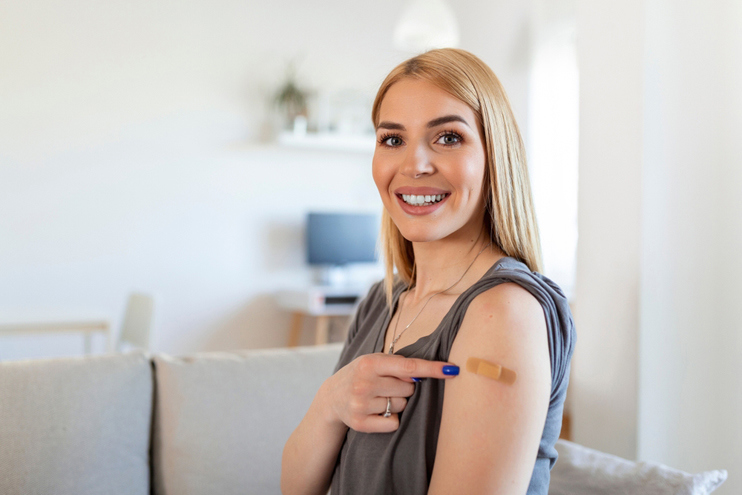
Fact: Extensive studies show no link between the HPV vaccine and chronic illnesses.
More than 15 years of safety monitoring have found no evidence that the vaccine causes autoimmune diseases, neurological disorders, or chronic pain syndromes. Concerns about conditions such as Guillain-Barré syndrome, chronic fatigue, or postural orthostatic tachycardia syndrome (POTS) have been carefully investigated and debunked by large population studies.
If long-term risks existed, they would have been evident by now given the massive number of vaccinated individuals worldwide. Instead, data consistently show the vaccine prevents cancer safely.
Myth 6: “The HPV vaccine encourages risky sexual behavior.”
Fact: Research does not support this claim.
Some parents worry that vaccinating adolescents against HPV might lead to earlier sexual activity or riskier behavior. Multiple studies, however, show no change in sexual practices among vaccinated individuals compared to those who were not vaccinated.
The HPV vaccine is about cancer prevention, not about sexual choices. Framing it in terms of protecting health helps families make the decision without unnecessary stigma.
Common Concerns About the HPV Vaccine
Concern 1: “What if my child faints after vaccination?”
Fainting after any injection, especially among teenagers, is not unusual and is generally due to anxiety rather than the vaccine itself. At our clinic, we recommend patients sit or lie down for about 15 minutes after vaccination to prevent injuries from fainting.
Concern 2: “Can the vaccine interact with other vaccines?”
The HPV vaccine can safely be given alongside other vaccines such as hepatitis B, meningococcal, or influenza shots.
Concern 3: “Is the vaccine effective if I’ve already been diagnosed with HPV?”
The vaccine does not treat existing HPV infections, but it can still protect against other strains you haven’t encountered. Women diagnosed with HPV-related conditions can still benefit from completing the vaccine series.
The Evidence: HPV Vaccine Saves Lives
Countries with high vaccination rates are already seeing dramatic improvements:
In Australia, cervical cancer is predicted to become virtually eliminated by 2035 thanks to nationwide HPV vaccination.
In Korea, HPV vaccination is part of the National Immunization Program, with free vaccines available for girls aged 12–17 and catch-up programs for young women.
Studies show up to 90% reduction in HPV infections among vaccinated populations, leading to fewer cases of cervical precancer.
The data is clear: the HPV vaccine is a cornerstone of women’s health prevention.
What to Expect When Receiving the HPV Vaccine
At Second Spring Women’s Clinic, we provide the HPV vaccine in a comfortable, private setting. Here’s what to expect:
Consultation: We review your medical history, age, and sexual health background to recommend the appropriate vaccine type (bivalent, quadrivalent, or 9-valent).
Vaccination Schedule: Typically, two doses are given for those under 15 years, while three doses are required for older individuals.
Monitoring: After the injection, we monitor you for 15–20 minutes for your safety.
Follow-Up: Our team provides reminders for your next doses and answers any concerns.
This personalized approach ensures that vaccination is safe, stress-free, and aligned with your long-term health goals.
Beyond Vaccination: Comprehensive HPV Care
At Second Spring Women’s Clinic, vaccination is just one aspect of HPV prevention. We also provide:
Regular cervical cancer screenings (Pap smear & HPV DNA testing)
Fertility preservation counseling for women undergoing HPV-related treatments
Vaginal health and rejuvenation therapies for women affected by HPV-related changes
Holistic menopause and wellness care
By combining vaccination with ongoing gynecological care, we help women of all ages maintain their health and confidence.
Final Thoughts
The HPV vaccine is one of the greatest advances in women’s health prevention, proven to be both safe and effective. Myths about infertility, long-term illness, or risky behavior are not supported by scientific evidence. Instead, the vaccine offers a powerful shield against cervical cancer and other HPV-related diseases.
At Second Spring Women’s Clinic in Gangnam, led by Dr. Seon-Hwa Jeong, we are committed to empowering women with accurate information and advanced care. If you are considering the HPV vaccine for yourself or your child, we encourage you to schedule a consultation with our team. Together, we can ensure a healthier, safer future—free from HPV-related disease.