CLINICAL ARTICLE · SECOND SPRING WOMEN'S CLINIC
IUD vs. Implant: Key Differences Explained
IUD vs. implant—what’s the difference? Compare effectiveness, side effects, and convenience to choose what’s best for you. Get the facts—learn more now!
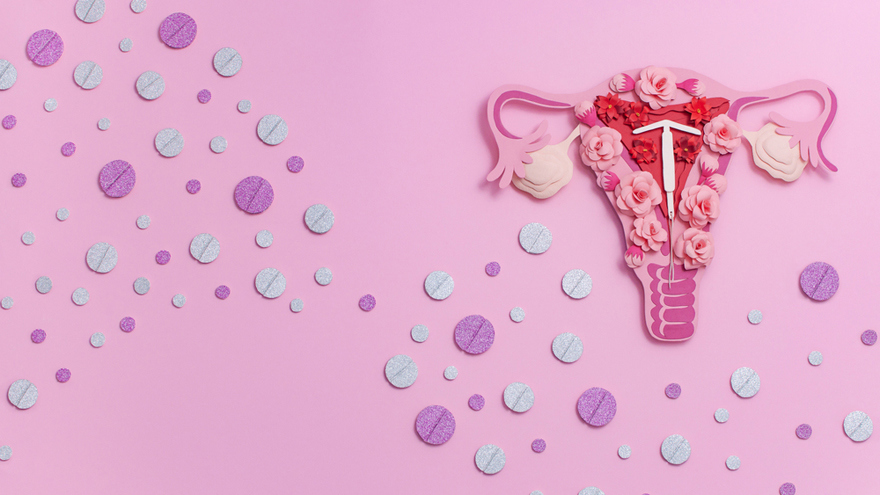
In-Depth Medical Guide
IUD vs. Implant: A Comprehensive Guide to Long-Acting Contraceptive Options
Choosing the right birth control method is a deeply personal decision. At Second Spring Women’s Clinic in Gangnam, Seoul, we understand that each woman has unique health needs, lifestyle factors, and reproductive goals. That’s why we specialize in offering evidence-based, personalized guidance on all contraceptive options — including two of the most effective long-acting reversible contraceptives (LARC): the IUD (intrauterine device) and the contraceptive implant.
If you’re considering a long-term birth control method that doesn’t require daily attention, this guide will help you understand the key differences between the IUD and the implant, so you can make an informed and confident choice.
Understanding the Basics
What Is an IUD?
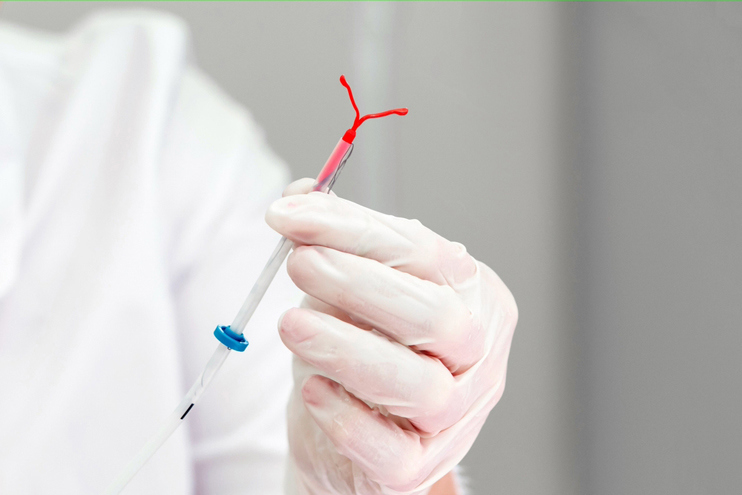
An IUD is a small, T-shaped device inserted into the uterus to prevent pregnancy. It is available in two types:
Hormonal IUDs (e.g., Mirena, Kyleena, Jaydess): These release progestin, a hormone that thickens cervical mucus, thins the uterine lining, and may prevent ovulation.
Copper IUDs (e.g., Paragard): These are hormone-free and use copper to create an environment that is toxic to sperm.
What Is an Implant?
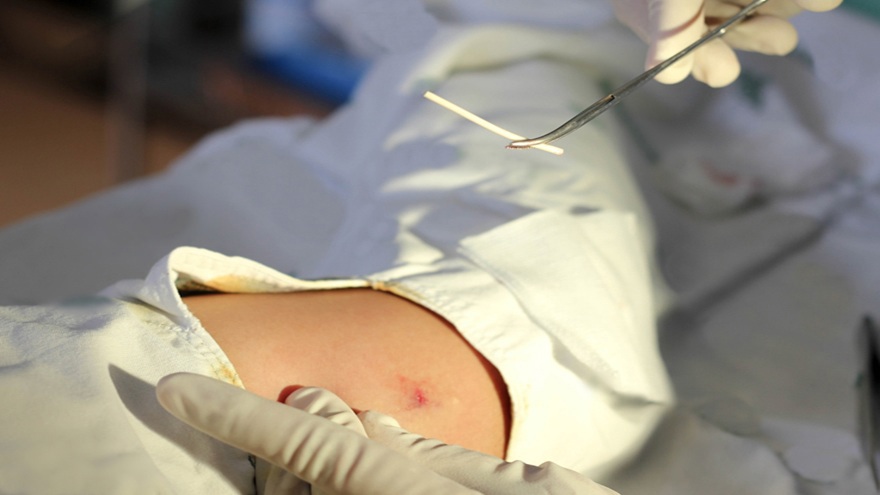
The contraceptive implant (e.g., Nexplanon) is a tiny, flexible rod, about the size of a matchstick, inserted just under the skin of your upper arm. It releases a steady, low dose of progestin into your bloodstream, which primarily prevents ovulation and thickens cervical mucus.
Effectiveness: Among the Best
Both the IUD and the implant are more than 99% effective at preventing pregnancy. Once placed, they require no daily action from you, making them ideal for busy lifestyles or anyone who prefers a "set-it-and-forget-it" option.
Method | Effectiveness | Duration |
|---|---|---|
Hormonal IUD | >99% | 3–8 years |
Copper IUD | >99% | Up to 10 years |
Implant | >99% | Up to 3 years |
At Second Spring, all LARC methods are inserted by our experienced OB-GYN, Dr. Seon-Hwa Jeong, ensuring precise placement and minimized discomfort.
How They Work?
Hormonal IUD:
Releases levonorgestrel (a form of progestin) into the uterus.
Thickens cervical mucus to block sperm.
Thins the uterine lining to reduce the chance of implantation.
In some users, suppresses ovulation.
Copper IUD:
No hormones.
Copper ions interfere with sperm movement and egg fertilization.
Also prevents implantation.
Implant:
Releases etonogestrel (a type of progestin) systemically.
Primarily prevents ovulation.
Also thickens cervical mucus and thins the uterine lining.
Insertion Procedure
IUD Insertion:
Performed in-clinic and usually takes less than 10 minutes.
The device is inserted through the cervix into the uterus.
You may experience mild cramping or discomfort during the procedure.
At Second Spring, we offer gentle techniques and local anesthesia for patient comfort.
Implant Insertion:
A small area on your upper arm is numbed with local anesthetic.
The implant is inserted using a special applicator.
The procedure takes only a few minutes and leaves no visible scar, though a tiny mark may remain.
Both procedures are performed safely and efficiently by Dr. Jeong, who has extensive experience in minimally invasive gynecologic procedures.
Side Effects & Menstrual Changes
Hormonal IUD:
Many users experience lighter or no periods after a few months.
Some may have irregular spotting at first.
Rarely, hormonal side effects like breast tenderness or mood changes may occur.
Copper IUD:
Periods may become heavier or more painful, especially in the first few months.
No hormonal side effects.
Implant:
Can cause irregular bleeding, especially in the first 6–12 months.
Some women stop menstruating altogether.
Hormonal side effects such as acne, headaches, or mood swings may occur but are typically mild.
At Second Spring, we monitor your response closely and provide solutions for any side effects that arise, including managing irregular bleeding or adjusting your method if needed.
Fertility After Removal
One of the most reassuring aspects of both the IUD and implant is that fertility returns quickly after removal.
IUD: Most women begin ovulating within a few weeks after removal.
Implant: Ovulation typically resumes within 1–3 weeks.
This makes both options ideal for women who may wish to conceive in the future but want reliable contraception in the meantime.
Who Should Consider Each Option?
You Might Prefer an IUD If:
You want long-term protection (up to 10 years).
You prefer a hormone-free option (copper IUD).
You don’t mind a device inside your uterus.
You want lighter or no periods (with hormonal IUDs).
You Might Prefer an Implant If:
You want a hormonal method without estrogen.
You’d rather not have a device in your uterus.
You want a discreet, under-the-skin option.
You want contraception for up to 3 years with easy removal.
At Second Spring Women’s Clinic, we take time to understand your medical history, cycle patterns, and lifestyle to guide you toward the most suitable option. Our personalized consultations include a thorough contraceptive counseling session led by Dr. Seon-Hwa Jeong, who is known for her expertise in reproductive health and fertility preservation.
Safety and Risks
Both methods are considered very safe for most healthy women. However, as with all medical treatments, there are some risks:
IUD Risks:
Uterine perforation (very rare, ~1 in 1,000 insertions).
Expulsion (device falls out) in ~2–10% of cases.
Risk of infection shortly after insertion.
Implant Risks:
Possible local irritation or infection at insertion site.
In very rare cases, migration of the implant under the skin.
These risks are extremely rare, especially when the procedure is performed by an experienced doctor. At Second Spring, we prioritize precision, safety, and follow-up care, ensuring your comfort and well-being at every step.
Myths and Misconceptions
It’s natural to have concerns about LARC methods. Let’s address a few common myths:
“IUDs cause infertility.”
False. IUDs do not affect long-term fertility. Once removed, most women conceive normally.“Implants are visible and bulky.”
False. The implant is small, discreet, and usually not visible — only slightly palpable under the skin.“You can’t use an IUD if you haven’t had children.”
False. Both IUDs and implants are safe and appropriate for young women and those who haven’t had children, depending on individual anatomy and medical history.“You need to ‘rest’ your body between methods.”
False. There’s no need to take a break between birth control methods unless advised by your doctor.
If you have specific concerns, we’re here to offer honest, science-based answers tailored to your situation.
Cost and Accessibility in Korea

In South Korea, IUDs and implants are not always covered by national health insurance, but many private clinics, including Second Spring, offer affordable packages, especially as part of fertility preservation or women’s wellness programs.
We are happy to provide detailed cost estimates and financing options during your consultation.
Our Approach at Second Spring Women’s Clinic
At Second Spring Women’s Clinic, our commitment is to empower women with accurate information and compassionate care. Dr. Seon-Hwa Jeong’s expertise in fertility preservation, reproductive endocrinology, and minimally invasive procedures ensures that every patient receives world-class gynecological care in a welcoming, modern environment.
Whether you choose an IUD, implant, or another method, you’ll receive:
One-on-one counseling
Expert insertion and removal procedures
Ongoing support for side effects or questions
Personalized follow-up care
Final Thoughts
Both IUDs and implants are highly effective, low-maintenance forms of contraception with excellent safety profiles. The right choice depends on your individual preferences, medical history, and future fertility goals.
If you’re ready to explore your options, we invite you to book a private consultation at Second Spring Women’s Clinic in Gangnam. Our team is here to help you make the best choice for your health, your body, and your life.
About Our Clinical Editorial Standards
Supervised by Dr. Seon-Hwa Jeong
All medical articles are reviewed for anatomical and clinical accuracy by our Board-Certified OB-GYN Specialist.
Tailored for International Patients
Includes practical guidance on consultation flow, same-day discharge, and recovery while visiting Seoul.
Private Follow-Up Available
Have questions about your personal symptoms? Message our coordinator directly on WhatsApp or LINE.
PRIVATE 1-ON-1 CONSULTATION · APGUJEONG, SEOUL
Begin Your Second Spring with Confidential Specialist Care
Connect with our international patient concierge via WhatsApp, LINE, or online inquiry. Every consultation is conducted 1-on-1 with Board-Certified OB-GYN Specialist Dr. Seon-Hwa Jeong in a serene, private setting.