Women's Healthcare Guided by an Experienced OB/GYN Specialist in Seoul
en-US
IV Hydration Therapy for Morning Sickness: Is It Safe for Pregnant Women?
Learn how IV hydration therapy helps relieve morning sickness, its safety for pregnant women, and when it’s recommended during pregnancy.
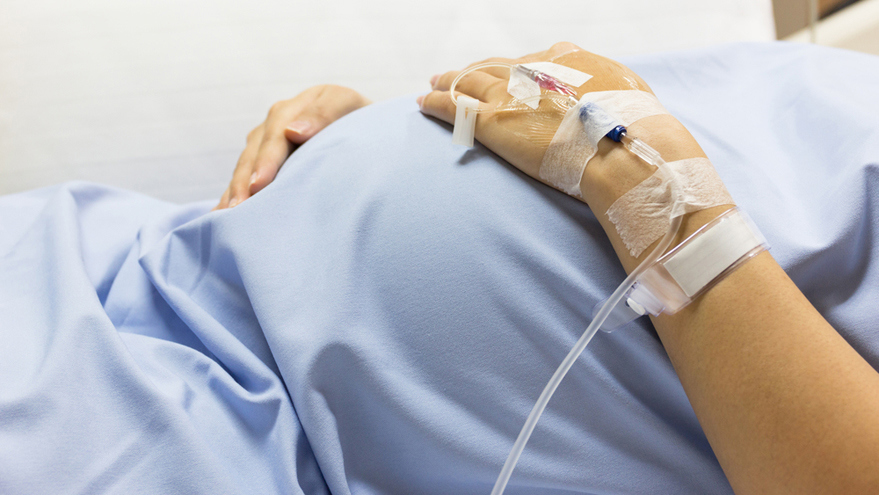
IV Hydration Therapy for Morning Sickness: Is It Safe for Pregnant Women?
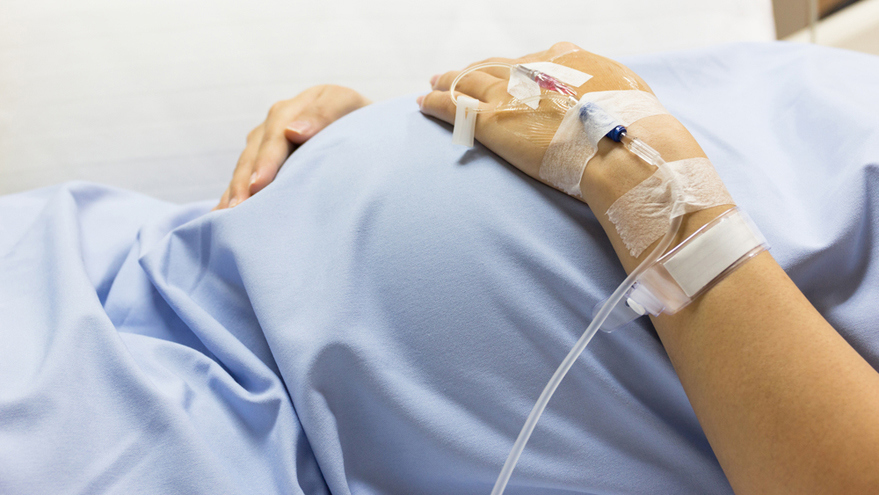
Morning sickness is a common and often challenging part of early pregnancy. Characterized by nausea, vomiting, and fatigue, it typically begins around the sixth week of pregnancy and may last through the first trimester—or longer for some women. While mild nausea can often be managed with diet and lifestyle adjustments, severe symptoms may require medical intervention. One increasingly discussed option is IV hydration therapy. But is it truly safe and effective for pregnant women?
At Second Spring Women’s Clinic in Gangnam, we understand the physical and emotional toll morning sickness can take. Led by Dr. Seon-Hwa Jeong, our clinic offers patient-centered care grounded in both safety and innovation. In this article, we’ll explore what IV hydration therapy is, when it’s appropriate for pregnancy-related nausea, and what precautions ensure it’s done safely.
What is IV Hydration Therapy?
IV hydration therapy involves delivering fluids, electrolytes, vitamins, and sometimes medications directly into the bloodstream via an intravenous (IV) line. It’s commonly used to treat dehydration, fatigue, and nutrient deficiencies in various clinical settings.
In the context of pregnancy, IV therapy is primarily used when a woman is too dehydrated from persistent vomiting to keep fluids or nutrients down. This is especially important in cases of hyperemesis gravidarum (HG)—a severe form of morning sickness that affects approximately 0.5% to 2% of pregnant women.
Why is Hydration Important During Pregnancy?
Pregnant women require more fluids to support increased blood volume, amniotic fluid, and fetal circulation. When morning sickness leads to frequent vomiting or inability to eat and drink, dehydration can set in quickly.
Signs of dehydration in pregnancy may include:
Dry mouth and lips
Dark yellow urine or reduced urination
Dizziness or lightheadedness
Fatigue and headaches
Rapid heart rate
Left unaddressed, dehydration can negatively affect both the mother and the baby. It may lead to electrolyte imbalances, decreased placental perfusion, or even hospitalization. IV hydration is a tool to rapidly correct fluid deficits and restore well-being.
What Does IV Therapy for Morning Sickness Typically Include?

At Second Spring Women’s Clinic, a tailored approach is taken for each patient, ensuring any therapy aligns with her symptoms, stage of pregnancy, and medical history. A typical IV therapy formulation for morning sickness may include:
Normal saline or lactated Ringer’s solution: To replace fluid volume.
Electrolytes (e.g., potassium, magnesium): To correct imbalances caused by vomiting.
Vitamin B6: Often used as a first-line treatment for pregnancy nausea.
Dextrose (glucose): To provide quick energy, especially if the patient hasn’t eaten.
Antiemetic medications: Such as ondansetron or metoclopramide, administered with caution and only if needed.
Each component is carefully selected to be safe for pregnancy, with the goal of replenishing the mother’s system without unnecessary exposure to medications.
Is IV Hydration Therapy Safe for Pregnant Women?
Yes—when administered by qualified healthcare professionals and for the right indications, IV hydration therapy is generally safe for pregnant women.
At our clinic, Dr. Seon-Hwa Jeong oversees all treatments to ensure safety protocols are followed. Key considerations include:
1. Medical Assessment First
Not all nausea requires IV therapy. We begin with a thorough consultation and physical assessment to determine the severity of dehydration and the underlying cause of symptoms.
2. Minimally Invasive, Precision-Based Approach
At Second Spring, we prioritize minimally invasive care. The IV is placed with skill and gentleness, using soft-touch techniques to minimize discomfort. We monitor vital signs and response to fluids in real-time.
3. Safe Medication Choices
If anti-nausea medication is used, only pregnancy-safe options with established safety profiles are chosen. We carefully weigh the benefits against potential risks, especially in the first trimester.
4. Short-Term, Targeted Use
IV hydration therapy is not intended as a long-term solution but as a short-term support measure to stabilize a woman’s condition. Once oral intake becomes possible, we shift back to dietary management and oral supplementation.
Who Might Benefit Most from IV Hydration Therapy?

IV hydration is typically reserved for cases where oral hydration is insufficient. This includes:
Women with hyperemesis gravidarum
Severe dehydration confirmed by lab tests or clinical symptoms
Weight loss over 5% of pre-pregnancy body weight
Inability to keep down food or liquids for more than 24–48 hours
Fatigue or dizziness from fluid and electrolyte loss
If you’re vomiting multiple times a day, feel too weak to function, or notice dark, scant urine, it’s time to speak with a doctor. You don’t have to endure these symptoms alone.
Alternatives to Consider First
For women with milder symptoms, less invasive strategies may suffice:
Small, frequent meals rich in complex carbs and proteins
Ginger tea or candies (shown in studies to reduce nausea)
Vitamin B6 and doxylamine supplements
Acupressure bands for wrist pressure points
Avoiding triggers like strong smells or spicy foods
IV therapy is a step-up option—not the first step. At Second Spring, we always begin with conservative measures, escalating only when necessary.
Are There Risks or Side Effects?
Like any medical procedure, IV therapy carries minimal but possible risks:
Bruising or discomfort at the insertion site
Infection (rare, especially with sterile technique)
Electrolyte imbalances if not properly monitored
Allergic reactions to medications, if administered
These risks are low when IV therapy is provided in a controlled medical environment—not at home or in unregulated “IV lounges.” At our clinic, we maintain hospital-grade standards of safety, sanitation, and equipment.
The Second Spring Approach to Morning Sickness
At Second Spring Women’s Clinic, we see morning sickness not just as a symptom, but as a unique experience for each woman. Some may experience it as a mild annoyance, while others feel completely incapacitated. We treat each case with empathy, expertise, and careful attention to medical detail.
Our clinic offers:
On-site IV hydration services in a calm, private setting
One-on-one consultations with Dr. Jeong to assess safety
Holistic options including nutritional counseling and herbal support
Ongoing follow-up, even after symptoms improve
We understand that early pregnancy is filled with both excitement and uncertainty. Our goal is to support you through all stages—so that you feel confident, healthy, and heard.
Conclusion: Should You Consider IV Therapy?
If morning sickness is preventing you from eating, drinking, or functioning normally—and other strategies haven’t worked—IV hydration therapy can be a safe and effective option under medical supervision. It’s not just about restoring fluids; it’s about helping you regain comfort, strength, and peace of mind.
At Second Spring Women’s Clinic, we’re here to walk with you through each challenge of pregnancy with evidence-based care and personal attention. Whether you need a simple dietary adjustment or a short course of IV fluids, we offer solutions tailored to your unique body and journey.