Women's Healthcare Guided by an Experienced OB/GYN Specialist in Seoul
en-US
IV Therapy for Chronic Fatigue: Does It Really Work?
Discover how IV therapy may help relieve chronic fatigue, boost energy, and restore wellness with science-backed insights.
IV Therapy for Chronic Fatigue: Does It Really Work?
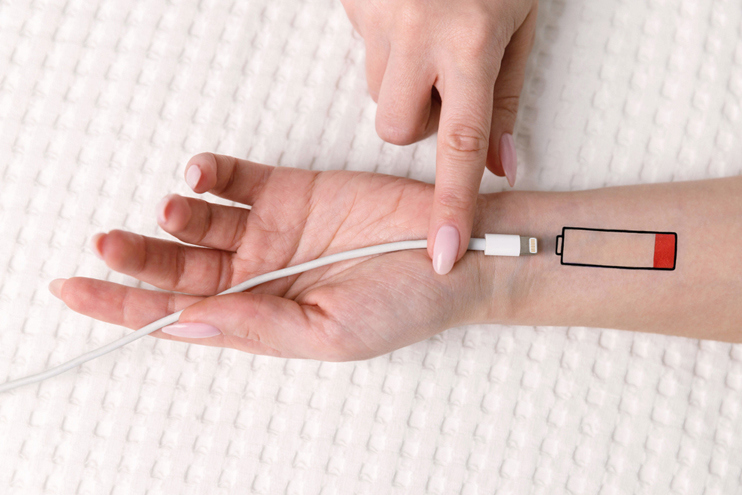
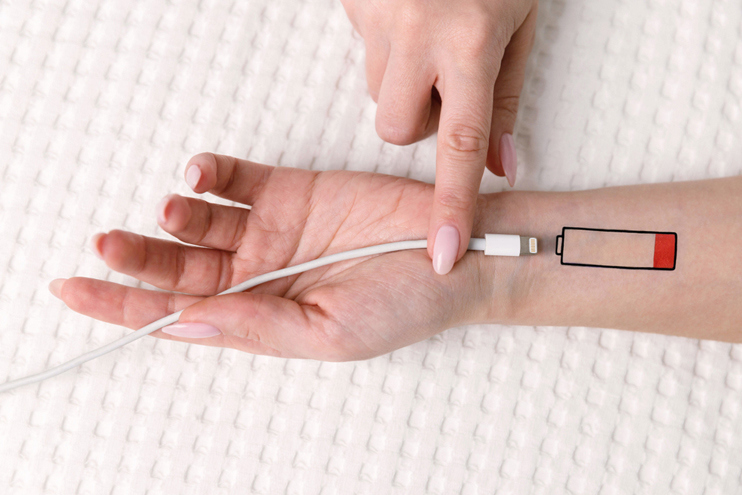
Feeling tired after a late night or a busy week is one thing—but living with persistent, overwhelming fatigue that rest doesn’t fix is quite another. For women dealing with conditions like Chronic Fatigue Syndrome (CFS), post-viral fatigue, fibromyalgia, or lingering exhaustion after illness, everyday life can feel like climbing uphill with no summit in sight.
While standard medical approaches—improving sleep habits, gentle physical activity, and targeted medications—can help, many people continue to search for something more effective. One treatment that has been generating interest globally, including here in Korea, is IV (intravenous) nutrient therapy.
But is it worth the hype? Let’s explore the science, the possibilities, and the limitations so you can make an informed choice.
What is IV Therapy?
IV therapy delivers vitamins, minerals, antioxidants, and sometimes amino acids directly into your bloodstream through a drip. This method bypasses the digestive system, which means nutrients can be absorbed faster and in higher concentrations than oral supplements allow.
Common IV Formulas for Fatigue
Myers’ Cocktail – Magnesium, calcium, B vitamins, vitamin C
High-dose Vitamin C infusions – Potential antioxidant and immune support
B12 shots or drips – Often used if deficiency is present
Glutathione infusions – An antioxidant blend aimed at cellular repair
At Second Spring Women’s Clinic, while we specialize in women’s health, we recognize that whole-body wellness—including energy balance—is essential to recovery from many gynecological or hormonal conditions. IV therapy can be considered as part of a broader treatment plan when appropriate.
Why Women Consider IV Therapy for Chronic Fatigue
Many women who come to us share similar stories: multiple medical consultations, extensive lab tests, dietary adjustments, and still, the exhaustion lingers.
The appeal of IV therapy comes from a few key ideas:
Rapid Nutrient Delivery – For those with poor absorption due to gut issues or chronic illness, IV therapy bypasses this barrier.
Immediate Hydration – Fluids delivered intravenously can help if dehydration plays a role in fatigue.
Customizable Treatment – Formulas can be tailored based on blood work and symptoms.
Holistic Appeal – It feels like a natural boost rather than another prescription pill.
The Science So Far
Here’s where things get more nuanced. IV therapy has been studied for decades in different contexts, but high-quality research specific to chronic fatigue is still limited.
Myers’ Cocktail: A small study in fibromyalgia patients showed mild improvement in fatigue, but larger trials are lacking.
Vitamin B12: Proven to improve energy in individuals with a deficiency, but effects are minimal for those with normal levels.
Vitamin C: Some studies suggest reduced fatigue in workplace and illness-related settings, but results aren’t consistent.
Glutathione: Laboratory research suggests benefits in reducing oxidative stress (linked to fatigue), but clinical data is preliminary.
Bottom line: While some women experience real improvement, science hasn’t confirmed it works for everyone.
How Might IV Therapy Help?

Even without definitive proof, there are plausible biological mechanisms:
Correcting Deficiencies
Women with heavy menstrual cycles, certain hormonal conditions, or digestive disorders may be low in iron, B12, magnesium, or vitamin D—nutrients crucial for energy.Supporting Mitochondrial Health
The mitochondria are your cells’ “power plants.” Nutrients like B vitamins, magnesium, and CoQ10 are essential for efficient energy production.Reducing Oxidative Stress
Antioxidants (vitamin C, glutathione) can help neutralize free radicals, which may contribute to fatigue.Placebo and Care Effect
Never underestimate the power of being cared for—hydration, relaxation during the drip, and the perception of doing something positive for your health can contribute to feeling better.
Potential Risks and Downsides
Even though IV therapy is generally safe in qualified hands, it’s important to understand the risks:
Infection or vein irritation
Electrolyte imbalances if nutrient doses aren’t carefully calculated
Allergic reactions (rare but possible)
Cost – Often not covered by insurance, and results may be temporary
Over-supplementation – High doses of some vitamins (like vitamin C) can cause side effects in sensitive individuals
At Second Spring Women’s Clinic, patient safety comes first. We only offer IV therapy after a thorough medical review, ensuring the ingredients and doses match each patient’s individual needs.
Who Might Benefit the Most?

Based on current research and clinical experience, IV therapy may be worth considering for women who:
Have documented vitamin or mineral deficiencies
Suffer from absorption issues due to gastrointestinal conditions
Need rapid nutrient replenishment after illness or surgery
Experience post-viral fatigue (including after COVID-19)
Are undergoing recovery from hormonal or gynecological treatments where nutrient needs are increased
It’s not recommended as a one-size-fits-all “energy cure” but rather as part of a targeted, personalized plan.
Integrating IV Therapy Into a Chronic Fatigue Care Plan
If you’re exploring IV therapy, here’s the safest, most effective way to do it:
Get Proper Testing
Blood work should guide your treatment—not guesswork. At our clinic, we check nutrient levels, inflammation markers, and relevant hormone profiles.Work with Qualified Professionals
This ensures correct dosing, sterile technique, and appropriate monitoring.Track Your Response
Keep a symptom diary to evaluate changes over time.Combine with Lifestyle and Medical Strategies
Address sleep quality, nutrition, stress management, and underlying medical conditions.Regularly Reassess
What works at one stage may need adjusting later. Continuous monitoring ensures you’re not over- or under-treating.
Patient Perspective: “It Gave Me My Afternoons Back”
One of our patients, a 42-year-old businesswoman, came to Second Spring Women’s Clinic after a long recovery from pneumonia. She described her energy as “half-battery mode” all day. After blood tests revealed low B12 and borderline low magnesium, we began a tailored IV protocol alongside dietary improvements. Within three weeks, she reported she could “get through an afternoon without staring at the clock.”
Was it all due to IV therapy? Perhaps not entirely—but the combination of targeted nutrients, hydration, and holistic care helped her body find balance again.
The Verdict
IV therapy for chronic fatigue holds promise—especially for women with specific nutrient deficiencies or absorption problems—but it is not a miracle cure. The benefits may be significant for some, modest for others, and absent for a few. The key is individualization.
At Second Spring Women’s Clinic, we see IV therapy as one tool among many—best used in harmony with comprehensive women’s health care, from hormone balance to recovery after gynecological procedures. Energy is not just about nutrients—it’s about the entire ecosystem of your health.