Women's Healthcare Guided by an Experienced OB/GYN Specialist in Seoul
en-US
IVF and Miscarriage: What You Need to Know
Learn what you need to know about IVF and miscarriage, including causes, prevention, and support options. Empower your journey to parenthood—read more now!
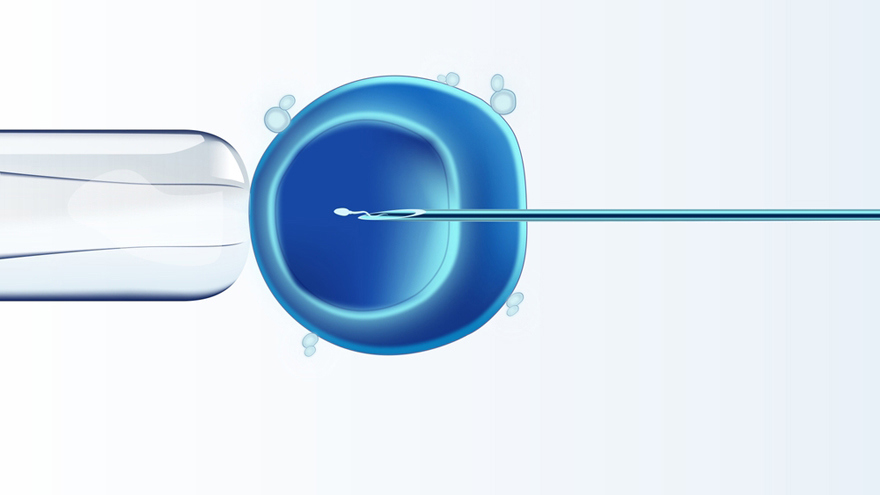
IVF and Miscarriage: What You Need to Know
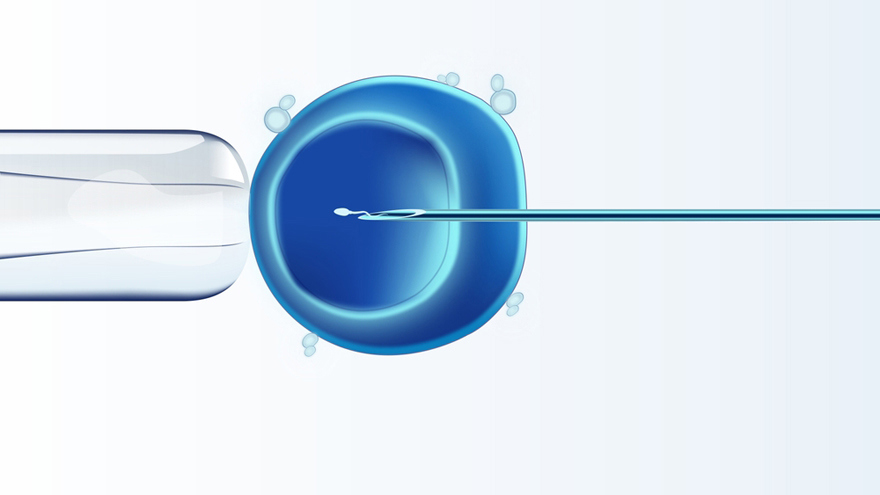
At Second Spring Women’s Clinic in Gangnam, we understand that the journey to parenthood is often filled with emotional highs and lows—especially for those undergoing in vitro fertilization (IVF). IVF has given hope to countless couples struggling with infertility, yet it also comes with its own set of challenges. When a miscarriage occurs after an IVF cycle, the pain can feel even more intense due to the physical, emotional, and financial investments made along the way.
In this comprehensive guide, we will explore the complex relationship between IVF and miscarriage, why it happens, how you can reduce your risk, and the personalized support Second Spring offers to help you heal and move forward.
Is Miscarriage More Common After IVF?
Contrary to common perception, IVF itself does not significantly increase the risk of miscarriage. However, the factors that lead a couple to pursue IVF in the first place—such as age, underlying medical conditions, or reproductive disorders—can contribute to higher miscarriage risk.
Statistics show:
Women under 35 undergoing IVF have a miscarriage rate of about 15-20%.
Women aged 35-39 face a risk of around 20-25%.
For women over 40, the rate can exceed 35-50%.
These numbers are similar to miscarriage rates in naturally conceived pregnancies, and they primarily reflect age-related decline in egg quality and chromosomal integrity. It’s important to note that IVF itself is not the cause of most miscarriages, but rather, a tool used to conceive in already high-risk situations.
At Second Spring, we take time to educate patients about what to expect, how to prepare for a healthy pregnancy, and how to manage each phase of the IVF journey with clarity and care.
Why Does Miscarriage Happen After IVF?
Understanding the potential causes of miscarriage after IVF can help in both prevention and emotional healing. Below are some of the most common contributing factors:
1. Chromosomal Abnormalities
This is the leading cause of miscarriage in both natural and IVF pregnancies. When an embryo has too many or too few chromosomes (aneuploidy), it often fails to develop properly. The likelihood of chromosomal abnormalities increases with maternal age.
What helps: Preimplantation Genetic Testing for Aneuploidy (PGT-A) allows us to identify chromosomally normal embryos before transfer, reducing the risk of miscarriage.
2. Uterine Abnormalities
The uterus must provide a stable and nourishing environment for implantation and growth. Conditions such as:
Fibroids or polyps
Uterine septum
Thin endometrial lining
Scar tissue (Asherman’s syndrome)
can disrupt implantation or restrict blood flow to the embryo.
Our approach: At Second Spring, we utilize 3D ultrasound and hysteroscopy to detect and correct such abnormalities using minimally invasive techniques.
3. Hormonal Imbalances
Hormones play a vital role in early pregnancy. Low levels of progesterone, thyroid dysfunction, or insulin resistance (especially in PCOS) can lead to miscarriage if left unaddressed.
Our approach: We conduct comprehensive hormonal evaluations and offer natural hormone support, including bioidentical progesterone therapy and thyroid correction.
4. Autoimmune or Blood Clotting Disorders
Some women may experience recurrent miscarriages due to autoimmune conditions such as:
Antiphospholipid syndrome (APS)
Elevated natural killer (NK) cell activity
Undiagnosed clotting disorders
These conditions can interfere with placental development and oxygen delivery to the embryo.
Our solution: When appropriate, we may introduce low-dose aspirin, heparin, or immunomodulatory therapies to support healthy implantation.
5. Lifestyle and Environmental Factors
Even with IVF, lifestyle can significantly affect pregnancy outcomes. Factors such as:
Smoking or alcohol use
Exposure to toxins
Nutritional deficiencies
Obesity or underweight
Chronic stress or lack of sleep
can raise miscarriage risk.
Our advice: We guide our patients through preconception planning, including detoxification, tailored nutrition, stress reduction, and healthy sleep routines to create optimal conditions for pregnancy.
Emotional Impact of IVF-Related Miscarriage

A miscarriage after IVF is not just a physical loss. It often carries a deeper emotional impact due to the anticipation, effort, and sometimes years of waiting. Some women describe it as a "double loss"—the pregnancy, and the dream they worked so hard to achieve.
Common emotional reactions include:
Shock and disbelief
Deep sadness or grief
Anxiety about trying again
Fear of failure
Depression or guilt
Partners may experience grief differently, sometimes feeling helpless or disconnected. The emotional aftermath can test even the strongest relationships.
At Second Spring, we strongly believe that emotional healing is just as important as physical recovery. Our clinic offers counseling services in both Korean and English, with compassionate professionals trained in fertility-related grief and trauma.
How Second Spring Supports You After Miscarriage?
Dr. Seon-Hwa Jeong leads our clinic with a patient-first philosophy, blending advanced reproductive technology with personalized care and emotional support. If you experience a miscarriage after IVF, we offer:
1. Medical Evaluation and Recovery
Ultrasound and blood tests to monitor complete recovery
Hormone and thyroid assessments
Investigation of uterine or anatomical factors
2. Recurrent Pregnancy Loss (RPL) Panel
Tests for immune, genetic, clotting, and hormonal issues
Review of lifestyle and nutritional contributors
3. Personalized IVF Protocols
Adjustment of stimulation protocols, transfer timing, and hormone support
Use of PGT-A to select the healthiest embryos
4. Emotional and Mental Health Support
Private grief counseling for individuals and couples
Support groups and online resources
Mind-body programs including acupuncture, meditation, and journaling
Our holistic approach ensures that every part of you—body, mind, and heart—is supported during the healing process.
Reducing the Risk of Future Miscarriages
While no fertility clinic can guarantee a pregnancy outcome, there are many steps we can take to lower the risk of miscarriage in future IVF cycles:
1. Genetic Testing
PGT-A helps ensure only chromosomally healthy embryos are selected for transfer.
2. Endometrial Preparation
Optimizing the uterine lining through hormonal support, nutritional changes, or endometrial receptivity analysis (ERA).
3. Lifestyle Optimization
Weight management, smoking cessation, reduced caffeine, balanced nutrition, and targeted supplements (such as CoQ10, folate, and omega-3s).
4. Treating Underlying Conditions
Addressing PCOS, thyroid dysfunction, endometriosis, or autoimmune issues through integrative care.
5. Stress Reduction
Techniques like yoga, acupuncture, counseling, and breathing exercises can significantly reduce stress, which in turn improves hormonal balance.
At Second Spring, every treatment plan is uniquely designed after a detailed consultation and evaluation. We never use a one-size-fits-all approach because your fertility journey is as individual as you are.
When Should You Seek Help?

We recommend seeing a fertility specialist if:
You have had two or more miscarriages (with or without IVF)
You are over the age of 35 and trying to conceive
You have known reproductive conditions such as PCOS or fibroids
You experience irregular cycles, hormonal symptoms, or unexplained infertility
You feel emotionally overwhelmed by the fertility journey
Even if you are early in your journey or planning ahead, getting the right support early can prevent unnecessary complications and emotional distress.
You Are Not Alone
Experiencing a miscarriage after IVF is not a reflection of failure or inadequacy. It is a heartbreaking, but unfortunately common, experience for many women and couples navigating infertility. What matters most is how you are supported afterward—physically, emotionally, and medically.
At Second Spring Women’s Clinic, we walk with you through every step of your fertility journey. We are here to listen, heal, and help you move forward with renewed hope. Whether it’s preparing for your next IVF cycle, healing after a loss, or exploring fertility preservation options, our team is by your side.
Contact us today to schedule a consultation, learn about our IVF program, or access our emotional wellness services. You deserve expert care and compassionate support, every step of the way.