Women's Healthcare Guided by an Experienced OB/GYN Specialist in Seoul
en-US
Managing Menstrual Migraines with Hormone Balancing
Managing menstrual migraines with hormone balancing—learn how hormonal shifts trigger migraines, effective treatments, and relief strategies. Learn more today.

Managing Menstrual Migraines with Hormone Balancing: A Holistic Approach from Second Spring Women’s Clinic, Gangnam
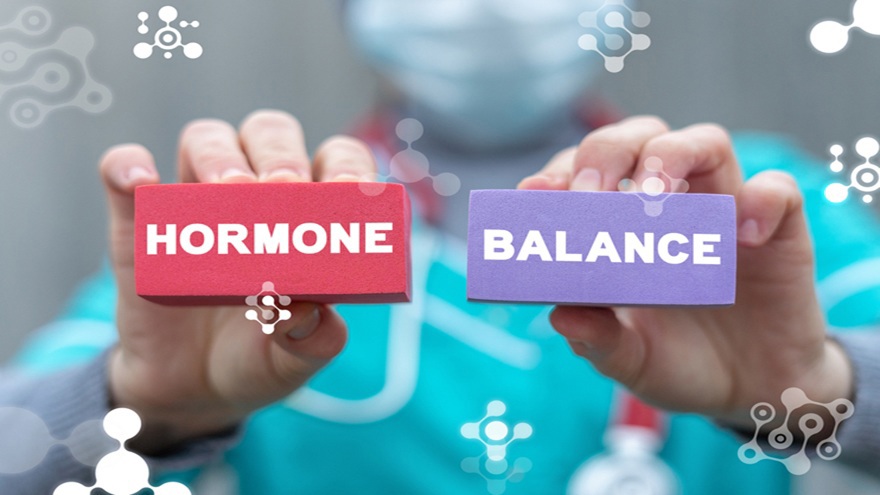
Menstrual migraines are a debilitating and often overlooked health issue that affects a significant percentage of women during their reproductive years. For many, these hormonally triggered headaches can feel like an inescapable part of the monthly cycle, diminishing quality of life, interfering with work or school, and disrupting emotional well-being. At Second Spring Women’s Clinic in Gangnam, Seoul, we understand the profound impact that menstrual migraines can have, and we are committed to providing evidence-based, personalized care that targets the root hormonal imbalances behind them.
What Are Menstrual Migraines?
Menstrual migraines are a specific subtype of migraine that are closely linked to hormonal changes in the menstrual cycle. While migraines in general can be triggered by a variety of factors (such as stress, lack of sleep, or dietary triggers), menstrual migraines are distinguished by their timing and hormonal origin.
They usually occur in the perimenstrual window—typically two days before to three days after the onset of menstruation. For some women, migraines may also appear during ovulation when there is another significant hormonal fluctuation. The International Headache Society categorizes menstrual migraines as:
Pure menstrual migraine: migraines occur only around menstruation
Menstrually related migraine: migraines occur around menstruation but also at other times during the cycle
These headaches are generally more severe, longer lasting, and less responsive to standard migraine treatments than non-menstrual migraines.
What Do Menstrual Migraines Feel Like?
Symptoms of menstrual migraines can vary from woman to woman, but commonly include:
Throbbing or pulsating pain, usually on one side of the head
Moderate to severe pain that worsens with movement
Sensitivity to light, sound, or smells
Nausea and vomiting
Aura, in some cases (visual disturbances, flashing lights, or tingling in face/hands)
Fatigue, brain fog, and irritability
These migraines can last anywhere from 4 to 72 hours, and in some cases, longer. The predictability of their onset often gives women a clear link to their menstrual cycle, but understanding why they happen requires looking at the underlying hormonal patterns.
The Role of Hormones in Menstrual Migraines
The menstrual cycle is governed by a complex interplay of hormones, primarily estrogen and progesterone. These hormones influence not only the reproductive system but also brain chemistry, including the regulation of serotonin, a neurotransmitter involved in mood and pain perception.
In the days leading up to menstruation, levels of estrogen sharply drop. This sudden decline is believed to be a key trigger for menstrual migraines. Estrogen has a protective effect on the brain, stabilizing blood vessels and supporting serotonin levels. When estrogen drops too quickly, it can:
Cause blood vessels in the brain to dilate or constrict, leading to the pain of a migraine
Lower serotonin levels, increasing pain sensitivity and emotional vulnerability
Amplify inflammatory responses, making migraines more severe
In some women, progesterone withdrawal also contributes to migraine onset, especially in those sensitive to hormonal fluctuations. This is why perimenopause, PCOS, thyroid disorders, and postpartum hormone shifts can all be associated with worsening migraine symptoms.
What Causes Hormonal Imbalance?
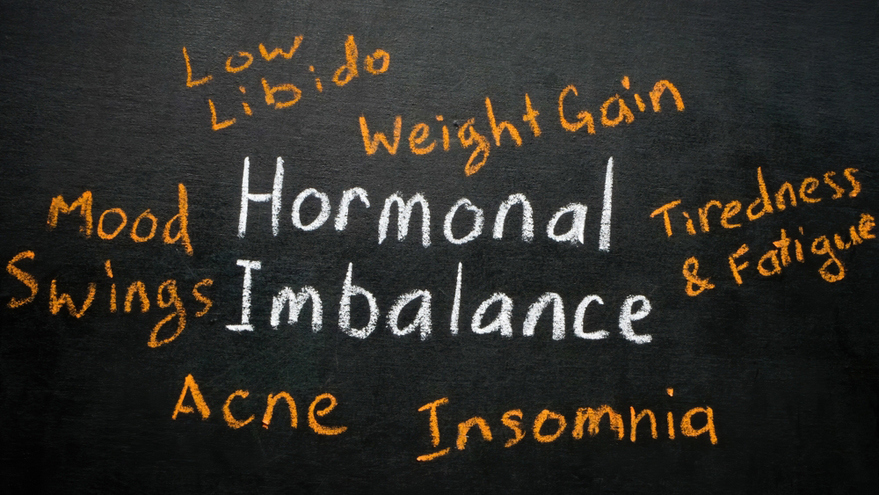
Many factors can cause or worsen the hormone fluctuations that lead to menstrual migraines:
Chronic stress: Affects the hypothalamic-pituitary-ovarian (HPO) axis, disrupting hormonal signaling
Poor sleep: Reduces melatonin and interferes with estrogen metabolism
Diet and weight changes: Can influence insulin resistance and estrogen levels
Medical conditions: PCOS, endometriosis, thyroid dysfunction, and premature ovarian insufficiency
Contraceptive use: Starting, stopping, or switching methods can cause hormonal instability
Perimenopause: As women approach menopause, cycles become more irregular, and estrogen drops more unpredictably
At Second Spring Women’s Clinic, we take all of these factors into account to develop a comprehensive, individualized care plan.
Diagnosis: Understanding Your Hormonal Landscape
Our approach to menstrual migraines begins with a detailed diagnostic process. At Second Spring Women’s Clinic, we recognize that no two women are alike. To uncover the root hormonal issues, we perform:
Comprehensive medical and menstrual history review, including a symptom calendar
Hormone testing at specific cycle days (including estrogen, progesterone, LH, FSH, prolactin, testosterone, DHEA, TSH)
Ultrasound examination of ovaries and uterus to check for PCOS or other abnormalities
Migraine tracking tools to document patterns, triggers, and cycle correlations
This data-driven approach helps us identify whether hormonal irregularities are at the core of your migraines and whether other gynecological or endocrine conditions may be contributing.
Treatment Strategies: Restoring Hormonal Balance
Once a diagnosis is established, our team develops a personalized treatment plan. The goal is not just to suppress migraine symptoms, but to stabilize the hormonal environment that is triggering them. Here are the key strategies we employ:
1. Hormonal Stabilization Therapies
Estrogen Supplementation: For women with predictable migraines, low-dose estrogen patches or gels can be used during the late luteal phase (7-10 days before menstruation) to blunt the estrogen drop.
Hormonal Contraceptives: Continuous or extended-cycle birth control pills can reduce hormonal fluctuations and menstrual frequency, thereby minimizing migraine episodes.
Progesterone Support: Natural bioidentical progesterone, either oral or vaginal, can support hormonal balance, especially in perimenopausal women or those with luteal phase defects.
PCOS Management: For patients with PCOS, treatment to regulate ovulation and reduce androgen levels can help establish more consistent cycles and reduce migraine severity.
2. Targeted Nutritional Supplementation
Magnesium: Proven to reduce migraine frequency and severity, especially in menstruating women
Vitamin B2 (riboflavin): Shown in clinical trials to reduce migraine days per month
Coenzyme Q10: Supports mitochondrial function and energy metabolism in the brain
Omega-3 fatty acids: Help reduce inflammation and stabilize mood
These supplements are often recommended alongside dietary adjustments to support hormonal balance and reduce inflammation.
3. Lifestyle and Stress Management
Sleep hygiene: Maintaining consistent, high-quality sleep is essential for hormonal regulation and migraine prevention.
Mind-body therapies: Practices such as yoga, meditation, and breathing techniques can reduce stress-induced hormonal disruptions.
Dietary optimization: Avoiding common dietary migraine triggers (caffeine, alcohol, aged cheeses, processed foods) while incorporating hormone-supportive foods (leafy greens, whole grains, healthy fats)
Hydration: Dehydration can trigger both migraines and hormonal imbalance; proper fluid intake is emphasized.
Integrative Therapies at Second Spring Women’s Clinic
We take pride in offering integrative care that combines conventional medical treatments with supportive therapies tailored to women’s unique needs:
Acupuncture and moxibustion: These traditional techniques are used to regulate the flow of energy (qi) and blood, which can stabilize hormones and reduce migraine frequency.
Pelvic health evaluation: Tension in pelvic muscles or congestion in pelvic veins can contribute to headaches. Addressing this through manual therapy or pelvic floor exercises may help.
Cycle-specific treatment planning: We customize care to each patient’s menstrual calendar, anticipating when interventions should be applied to prevent migraine onset.
When Should You Seek Help?
Many women tolerate menstrual migraines for years, believing they are a normal part of being female. However, if you experience any of the following, it is time to consult a specialist:
Migraines that occur consistently with your period
Headaches that interfere with work, school, or relationships
Over-the-counter medications are no longer effective
You are using excessive painkillers each month
You have additional symptoms like irregular periods, mood swings, or fertility issues
At Second Spring Women’s Clinic, we provide a safe, supportive space to talk about these concerns and create an actionable plan for lasting relief.
What Makes Our Approach Unique?

Our clinic, led by Dr. Seon-Hwa Jeong, combines deep expertise in gynecology, reproductive endocrinology, and fertility preservation to offer:
Comprehensive hormonal analysis
Minimally invasive and advanced treatment options
A patient-centered, holistic philosophy
Support in both Korean and English for local and international patients
We don’t believe in "band-aid" solutions. Instead, we aim to address the root hormonal cause, support long-term cycle health, and empower our patients with education and follow-up.
Reclaim Your Health from Menstrual Migraines
Menstrual migraines are not just about pain—they are a reflection of underlying hormonal imbalance that deserves attention and care. At Second Spring Women’s Clinic in Gangnam, we believe that every woman deserves to live free from monthly suffering.
Through careful hormonal evaluation, evidence-based therapies, and integrative support, we help our patients reduce migraine days, improve mood and energy, and take control of their reproductive health.
Book a consultation today and take the first step toward a more balanced, migraine-free life.