Women's Healthcare Guided by an Experienced OB/GYN Specialist in Seoul
en-US
Menopause and Bone Health: Korean Guide to Osteoporosis
Discover how Korean women can protect bone health during menopause with expert tips on nutrition, exercise, and hormone therapy.
Protecting Your Bones Through Menopause: A Korean Women's Guide to Bone Health
Menopause marks a powerful life transition, not just hormonally but physically—particularly when it comes to bone health. As estrogen levels drop, bone density decreases sharply, increasing the risk of osteoporosis and fractures. For many Korean women, this change can be silent but serious.
Dr. Hana Lee, a women’s health specialist at Second Spring Women’s Clinic in Seoul, explains: “We often see patients surprised by a fracture or sudden back pain, not realizing it’s related to bone loss. Early awareness is key.”
Why Menopause Causes Bone Loss
Estrogen is vital for regulating bone turnover. When levels decline during menopause, bone resorption begins to outpace new bone formation. According to Korean Osteoporosis Society data, postmenopausal women lose up to 20% of their bone mass within 5–7 years after menopause, heightening the risk of fractures in the hips, spine, and wrists.
Silent Signs to Watch For:
Persistent back or joint pain
Shrinking height or curved posture
Sudden fractures from minor impacts
Early screening using DEXA scans is crucial. Women over 50 or with a family history of osteoporosis should prioritize regular bone assessments.
Eating for Stronger Bones: Korean-Style Nutrition
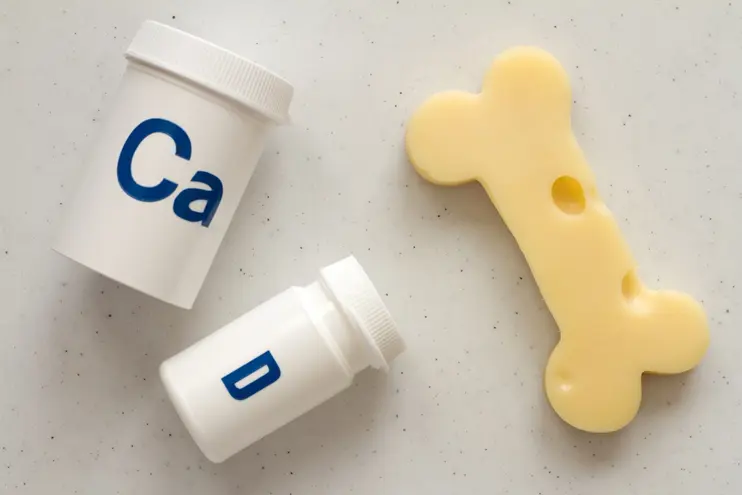
Bone health starts at the table. While calcium and vitamin D are well-known players, Korean diets offer unique strengths:
Calcium-Rich Korean Foods:
Tofu and soybean-based dishes
Bok choy (cheonggyeongchae)
Anchovies (myeolchi)
Perilla seeds and sesame seeds
Vitamin D Boosters:
Fatty fish like mackerel and sardines
Egg yolks
Time in the sun (15 minutes daily without sunscreen)
Other Bone-Supporting Nutrients:
Magnesium: Found in seaweed and brown rice
Vitamin K2: Present in fermented foods like kimchi and cheonggukjang
Phosphorus: In beans and fish
Supplements may be useful for women with deficiencies. Dr. Lee notes, “We typically recommend calcium citrate and vitamin D3 for better absorption, especially if dietary sources fall short.”
Traditional Korean Dishes That Support Bone Health
Korean cuisine naturally supports bone health thanks to its use of fermented and calcium-rich ingredients. Consider these traditional dishes:
Doenjang Jjigae (fermented soybean paste stew): Rich in magnesium and probiotics
Myeolchi Bokkeum (stir-fried anchovies): A powerhouse of calcium
Gyeran-mari (rolled omelet): A source of protein and vitamin D
Kimchi: Contains vitamin K2 for calcium metabolism
Incorporating these foods into regular meals can improve bone health while preserving cultural eating habits.
Exercise: Your Natural Bone Builder
Movement encourages new bone growth and improves balance. Combine weight-bearing exercises with resistance training for optimal results:
Effective Routines Include:
Brisk walking or hiking (a popular Korean pastime)
Stair climbing or jump rope
Resistance bands or light weights
Squats, lunges, and planks
Yoga poses like Tree and Warrior II to enhance balance
Aim for 30 minutes of weight-bearing exercise most days and 2–3 strength sessions per week.
Community Support and Group Fitness Joining group classes like yoga, tai chi, or low-impact aerobics can offer both motivation and accountability. In Seoul, many community centers offer senior-friendly fitness classes tailored to bone health.
Balance Training and Fall Prevention
Improving balance is essential in avoiding falls that can lead to fractures. Try incorporating these into your routine:
Tai Chi: Improves coordination and core stability
Single-leg stands: Enhance proprioception and leg strength
Heel-to-toe walks: Promote coordination
Even a few minutes daily can significantly lower fall risk.
Hormone Therapy and Medication Options
Estrogen-based hormone therapy can slow bone loss and reduce fracture risk, especially when started around menopause. However, it’s not for everyone.
Candidates for HT May Include Those Who:
Experience early or surgical menopause
Show significant bone density decline
Cannot maintain bone health through lifestyle alone
Risks to Consider:
Increased risk of stroke or blood clots
Breast tenderness, bloating, or mood changes
Long-term use may increase breast cancer risk
Alternatives to Estrogen Therapy:
SERMs (Selective Estrogen Receptor Modulators): Like raloxifene, mimic estrogen's benefits without some of the risks
Bisphosphonates: Slow bone breakdown (e.g., alendronate)
Denosumab: An injectable biologic therapy for high-risk women
Calcitonin: A hormone treatment that regulates calcium
At Second Spring Women’s Clinic, patients undergo a full evaluation before choosing the best approach. “It’s not one-size-fits-all,” Dr. Lee says. “Each plan is based on a woman’s overall health, preferences, and lifestyle.”
Lifestyle Upgrades for Bone Longevity
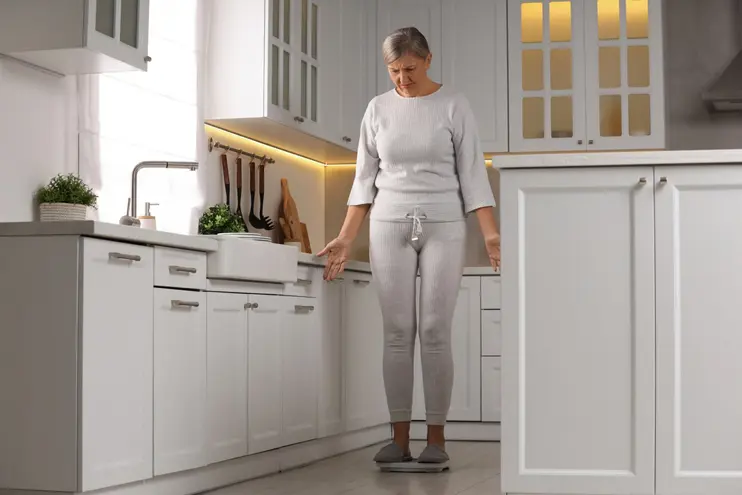
Balance Your Weight: Both excess weight and being underweight can harm bone integrity. Balanced Korean meals and regular motion can help maintain ideal weight.
Moderate Caffeine and Alcohol: Too much coffee or alcohol hinders calcium absorption and balance, increasing fall risk.
Quit Smoking: Smoking slows calcium uptake and weakens bones. Quitting now can dramatically improve outcomes.
Reduce Stress: High cortisol from chronic stress can degrade bone. Practice mindfulness, deep breathing, or join a yoga class.
Prioritize Sleep: Your body builds bone tissue during deep sleep. Aim for 7–9 hours nightly.
Bone-Friendly Supplements to Consider
Calcium & Vitamin D3: Daily staples for postmenopausal support
Collagen Peptides: Shown to support bone matrix and increase BMD
Omega-3 Fatty Acids: Found in fish oil, perilla oil, and flaxseed; reduce inflammation and support collagen synthesis
Phytoestrogens: From soy, flaxseed, and chickpeas, which may mimic estrogen
Probiotics: May aid in calcium absorption and gut health
Always consult a provider before starting any supplement, as overuse or drug interactions may pose risks.
Avoiding Fractures: Prevention in Practice
Key Risk Factors:
Family history of fractures
Sedentary lifestyle
Use of corticosteroids
Poor dietary habits
Fall Prevention Tips:
Install grab bars and improve home lighting
Clear floor clutter
Wear non-slip footwear
Use mobility aids as needed
Home Safety Checks Make your home safer by adding nightlights in hallways, securing rugs, and keeping daily-use items at an easy-to-reach height. Occupational therapists at Second Spring Women’s Clinic offer home safety evaluations as part of fall-prevention plans.
Busting Bone Health Myths
Myth: Only older women need to worry about bone health. Truth: Bone loss begins in your 30s. Prevention should start early.
Myth: Drinking milk is enough. Truth: Leafy greens, tofu, fish, and fortified foods also matter.
Myth: Once bone loss begins, it’s irreversible. Truth: Early intervention can halt or even partially reverse it.
Myth: Weight training is dangerous for older women. Truth: With proper guidance, it is one of the best ways to strengthen bones and muscles.
Culturally Rooted Bone Care
In Korea, many women naturally consume phytoestrogen-rich foods like soy and fermented dishes. These may provide gentle hormone-like effects that support bones. Integrating traditional foods with modern screening and therapy creates a holistic path forward.
Second Spring Women’s Clinic is proud to incorporate these Korean dietary traditions and global medical standards into care plans tailored to each patient.
Advancements in Osteoporosis Treatment
Medical innovations are rapidly evolving. Today, women have more choices than ever:
Anabolic Agents: Like teriparatide and abaloparatide, which build bone rather than just prevent loss
Romosozumab: A newer therapy that both builds bone and slows resorption
Personalized 3D DEXA Mapping: Now available at some Korean clinics, including Second Spring, this allows for better fracture risk prediction
Patient Story: One Woman’s Journey
Min-hee, 56, came to Second Spring after fracturing her wrist from a minor fall. A DEXA scan revealed she had early-stage osteoporosis. With support from Dr. Lee, she started a plan combining diet changes, yoga, calcium supplementation, and low-dose hormone therapy.
“Six months later, I feel stronger, more confident, and haven’t had another fall. I even started hiking again,” she says.
Her story reflects what’s possible with timely action and expert guidance.
Final Thought
Bone health during menopause is a long-term commitment—but it's one you don't have to make alone. Whether it's through diet, movement, therapy, or simply making your home safer, every choice counts.
If you're ready to take the next step in protecting your bones, the team at Second Spring Women’s Clinic offers evidence-based care rooted in Korean culture and clinical expertise.