Women's Healthcare Guided by an Experienced OB/GYN Specialist in Seoul
en-US
Menopause Anxiety & Depression: Symptoms, Causes, and Help
Discover how menopause affects mental health, from anxiety to depression. Learn symptoms, treatments, and support options from Dr. Jeong.
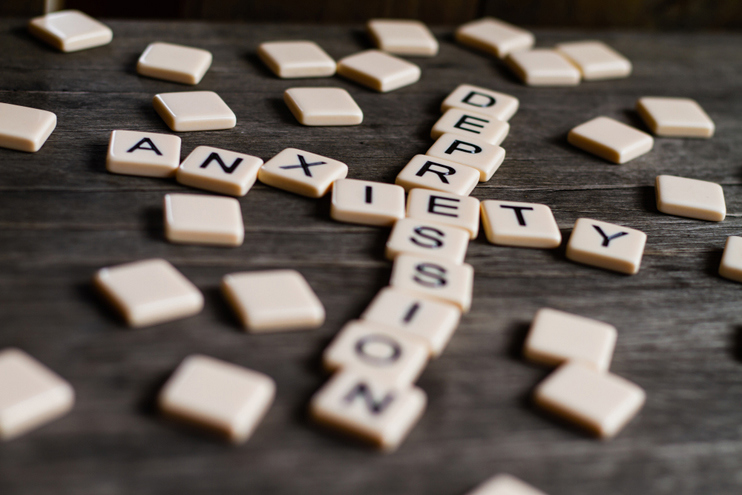
Navigating Menopause: Understanding and Managing Anxiety and Depression
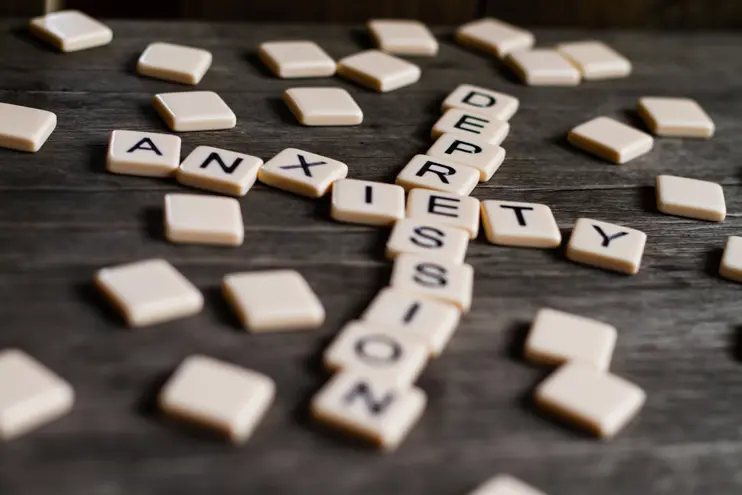
Menopause marks a significant life transition for women, often accompanied by emotional and psychological shifts that are as impactful as the physical changes. While hot flashes and hormonal fluctuations are well-known symptoms, the emotional toll—including anxiety and depression—frequently goes unaddressed.
At Second Spring Women’s Clinic, we recognize that mental health is just as vital as physical well-being during this phase. Drawing from our clinical practice and patient experiences, we aim to demystify how menopause impacts emotional health and offer guidance on effective, compassionate care.
A Closer Look at Menopause Phases and Mental Health Impact
Perimenopause (Early Transition)
This phase often starts in the early 40s, marked by fluctuating hormone levels. Patients frequently report mood instability, heightened anxiety, and difficulty sleeping. As Dr. Seon-Hwa Jeong notes, "Many women come in thinking they're under too much stress, only to learn it's hormonally driven."
Menopause (The Turning Point)
When menstruation ceases for 12 consecutive months, estrogen plummets—impacting serotonin, a key mood-regulating chemical. Depression and emotional volatility may peak during this time.
Postmenopause (Long-Term Adjustments)
Though some symptoms fade, others like brain fog or persistent anxiety can linger. Patients often describe feeling "mentally slower" or "less emotionally resilient."
Recognizing the distinct phases helps tailor mental health interventions more precisely. For example, CBT during perimenopause may prevent the escalation of anxiety into full-blown panic attacks, while postmenopausal care might focus on improving cognitive resilience through lifestyle changes and supplementation.
How Hormones Influence Mood
Estrogen and progesterone aren’t just reproductive hormones—they’re deeply tied to brain chemistry. Lower estrogen levels reduce serotonin and dopamine, while less progesterone means reduced calming effects on the brain. This chemical upheaval can manifest as:
Increased emotional sensitivity or irritability
Panic episodes and heightened stress reactions
Worsening of pre-existing anxiety or depressive disorders
Neurologically, estrogen receptors are concentrated in brain regions involved in emotion and cognition, such as the hippocampus and amygdala. This suggests the mood disruptions during menopause are not merely psychological but rooted in biochemistry. Understanding this provides emotional relief for many patients who often blame themselves.
Symptoms of Menopause-Related Anxiety

Anxiety at this stage isn’t fleeting nervousness; it can be debilitating. Women have described it as "an ever-present sense of doom" or "a storm of thoughts they can't calm." Common symptoms include:
Persistent worry and restlessness
Sleep disruption and early waking
Physical signs: palpitations, tight chest, and digestive issues
What Triggers It?
Hormonal fluctuations
Elevated cortisol (stress hormone)
Life stressors: empty nest, caregiving, job changes
Some patients experience "anticipatory anxiety," dreading symptoms like hot flashes or public embarrassment, which further fuels the cycle. This is why therapy that includes exposure and desensitization techniques can be useful.
Recognizing Menopausal Depression
Menopause-related depression differs from situational sadness. It's often described by patients as a "gray cloud" or a "loss of self."
Symptoms May Include:
Prolonged low mood or tearfulness
Lack of motivation or joy
Low self-worth and fatigue
Risk Factors:
Personal/family history of mood disorders
Severe physical menopausal symptoms
Lack of a support network
Biological changes are compounded by psychosocial shifts: aging, changes in body image, loss of fertility, and shifting roles in relationships. Together, they form a perfect storm for depression.
The Sleep-Mental Health Connection
Insomnia or poor-quality sleep during menopause can heighten emotional vulnerability. Studies, including those from the North American Menopause Society, link chronic sleep loss to an increased risk of anxiety and depression.
Contributing Factors:
Night sweats and temperature dysregulation
Declining melatonin production
Hormone-induced cortisol spikes
Tips to Improve Sleep:
Keep a consistent bedtime
Minimize screen time and stimulants
Try guided meditations or sleep-focused cognitive therapy
Sleep tracking apps and wearable technology can help patients quantify progress, enhancing engagement with behavioral change. In cases of severe disruption, a sleep study may reveal concurrent sleep apnea, particularly in women gaining weight during menopause.
Brain Fog: Cognitive Challenges During Menopause
"I walk into a room and forget why I'm there."
"I can't find the right words in meetings."
These are common complaints we hear. Declining estrogen levels disrupt brain regions tied to memory and focus. Sleep loss and high cortisol further cloud thinking.
How to Stay Sharp:
Regular physical activity (especially aerobic)
A diet rich in omega-3s, antioxidants, and leafy greens
Mental stimulation: reading, puzzles, continued learning
Patients benefit from "cognitive hygiene" practices—prioritizing one task at a time, using digital calendars, and reducing multitasking. Neuroprotective strategies such as intermittent fasting and green tea consumption also show promise.
How Long Will These Mental Health Changes Last?
Most women begin to feel emotionally balanced again as hormone levels stabilize post-menopause. However, this adjustment can take months to years, depending on the individual and the presence of co-occurring stressors.
Persistent mood changes should not be ignored. If emotional symptoms interfere with work, relationships, or self-care, it's time to consult a provider.
One study from the SWAN (Study of Women’s Health Across the Nation) cohort found that symptoms peak about one year before and two years after the final menstrual period. Timely intervention shortens the duration of distress and improves long-term outcomes.
Evidence-Based Treatments: What Works?
1. Hormone Replacement Therapy (HRT)
HRT is effective for many women but requires personalized evaluation. At our clinic, we assess cardiovascular, cancer, and clotting risk before recommending it.
2. Antidepressants and Anxiolytics
Selective serotonin reuptake inhibitors (SSRIs) or serotonin-norepinephrine reuptake inhibitors (SNRIs) are commonly prescribed. For acute anxiety, short-term benzodiazepine use may be considered.
3. Therapy and Counseling
Cognitive Behavioral Therapy (CBT) is one of the most effective interventions for mood regulation. Our therapists also offer Acceptance and Commitment Therapy (ACT) to help women redefine this life phase.
4. Integrative Approaches
We offer acupuncture, guided meditation classes, and herbal consultations. Natural remedies, such as black cohosh and ashwagandha, may help when used responsibly under supervision.
Emerging modalities include transcranial magnetic stimulation (TMS) and neurofeedback therapy, particularly for women resistant to medication. Always consult a licensed provider before pursuing alternatives.
Everyday Habits to Support Mental Health

Nutrition:
Eat anti-inflammatory foods: salmon, spinach, berries
Limit processed foods, alcohol, and caffeine
Movement:
Incorporate joyful physical activity: dancing, walking, swimming
Add strength training twice weekly for bone and mental health
Mindfulness:
Daily meditation or gratitude journaling
Breathing exercises to manage stress
Supplemental Support:
Ask about magnesium, B vitamins, and probiotics during your visit
Routine and consistency are the backbone of emotional regulation. We often suggest a wellness tracker or diary for patients to monitor their mood, symptoms, and triggers.
Community, Support, and When to Reach Out
Loneliness exacerbates emotional distress. Our patients often share that just knowing they're not alone brings immense relief.
Where to Find Support:
Peer groups: Ask us about our weekly women’s support circle
Family involvement: We offer partner education sessions
Mental health screenings: Available at each visit
Menopause is a shared journey. We encourage women to create "support pods"—small groups of friends or relatives who check in regularly. Shared wisdom can often be more reassuring than generic advice.
If you’re experiencing prolonged sadness, panic attacks, or suicidal thoughts, reach out immediately. Help is available.
Your Care Team at Second Spring Women’s Clinic
Under the leadership of Dr. Seon-Hwa Jeong, our Seoul-based clinic provides:
Hormonal assessments and HRT
Counseling and mental wellness planning
Advanced treatments like CO2 laser vaginal therapy
We understand the emotional and physical layers of menopause. Every treatment plan is built around you.
Frequently Asked Questions (FAQs)
1. Can menopause cause panic attacks?
Yes. Hormonal shifts increase anxiety sensitivity, potentially triggering panic episodes.
2. Is HRT safe for everyone?
Not always. We'll help you weigh risks and benefits based on your personal and family medical history.
3. What are the best natural options for mood balance?
Nutrition, exercise, mindfulness, and herbal supplements like St. John’s Wort or ashwagandha (with medical supervision).
4. Will these feelings ever go away?
For most women, yes. But don’t wait it out alone—treatment helps.
5. Can cognitive issues from menopause be reversed?
In many cases, yes. Brain fog often improves with hormone stabilization, sleep recovery, and brain-friendly habits.
6. How can partners support menopausal women emotionally?
Educate themselves, practice empathy, offer practical help, and encourage professional consultation.
Final Thought
You don't have to endure menopause-related anxiety or depression in silence. With the right care, you can move through this chapter feeling informed, empowered, and supported.