Women's Healthcare Guided by an Experienced OB/GYN Specialist in Seoul
en-US
Minimally Invasive Solutions for Uterine Polyps
Explore minimally invasive solutions for uterine polyps with faster recovery and effective results. Learn your treatment options and take charge of your health!
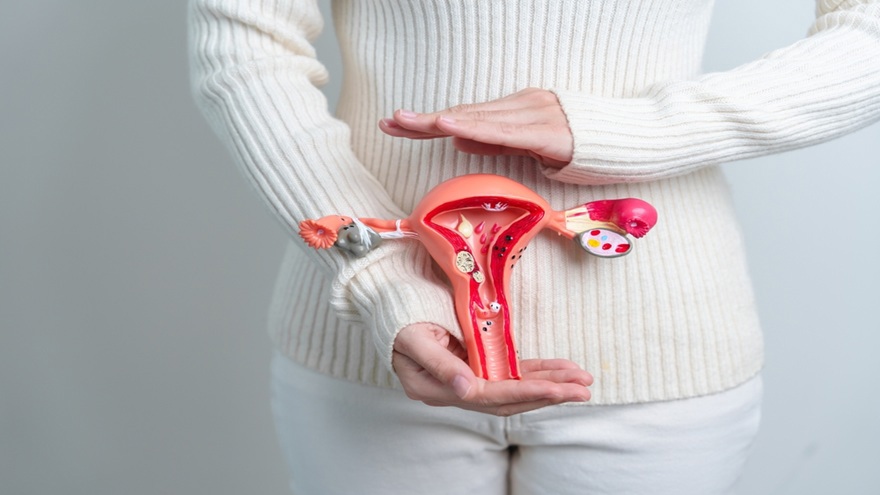
Minimally Invasive Solutions for Uterine Polyps: A Modern Approach to Gentle, Effective Care
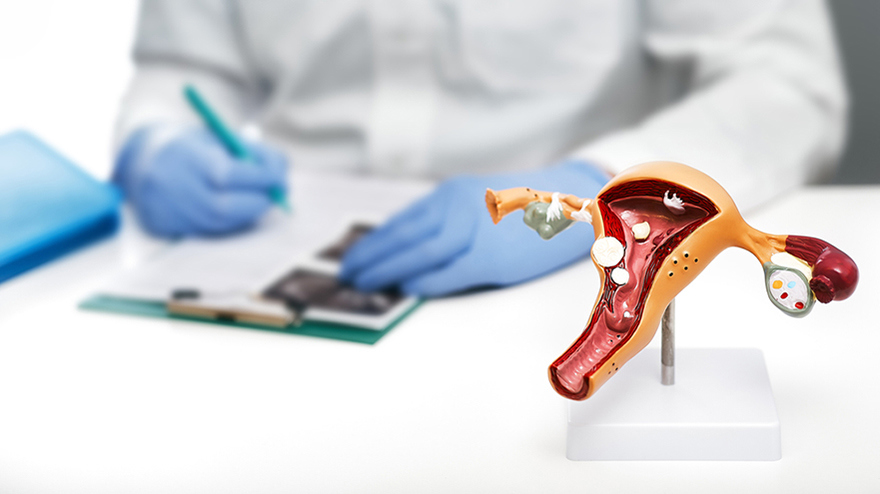
Uterine polyps are a common concern among women of reproductive and menopausal age. While often benign, these small growths in the uterus can cause symptoms like abnormal bleeding, infertility, or pelvic discomfort—and understandably lead to worry.
Fortunately, today’s gynecologic care offers minimally invasive solutions that are safe, effective, and tailored to each woman’s needs. At Second Spring Women’s Clinic in Gangnam, Seoul, we specialize in the diagnosis and treatment of uterine polyps using gentle, advanced procedures that preserve fertility, minimize recovery time, and put your comfort first.
Whether you’ve been recently diagnosed or are wondering if your symptoms may be related to uterine polyps, this guide will walk you through everything you need to know—from causes and symptoms to cutting-edge treatments available at our clinic.
What Are Uterine Polyps?
Uterine polyps, also called endometrial polyps, are soft, fleshy overgrowths of the inner lining of the uterus (the endometrium). They are typically benign (non-cancerous), but in some cases, they can lead to:
Heavy or irregular menstrual bleeding
Spotting between periods
Bleeding after menopause
Infertility or difficulty conceiving
Pelvic pressure or discomfort
They can range in size from a few millimeters to several centimeters and may be single or multiple. In some cases, polyps may protrude through the cervix into the vagina.
What Causes Uterine Polyps?
The exact cause isn’t always clear, but several factors are associated with their development:
Hormonal imbalances, particularly excess estrogen
Perimenopause or postmenopause
Obesity or being overweight
High blood pressure
Hormone therapy or tamoxifen use
Polycystic ovary syndrome (PCOS)
Most polyps are benign, but certain features—like postmenopausal bleeding or abnormal ultrasound findings—may raise concern for precancerous or cancerous changes, which is why early diagnosis and appropriate treatment are essential.
How Are Uterine Polyps Diagnosed?
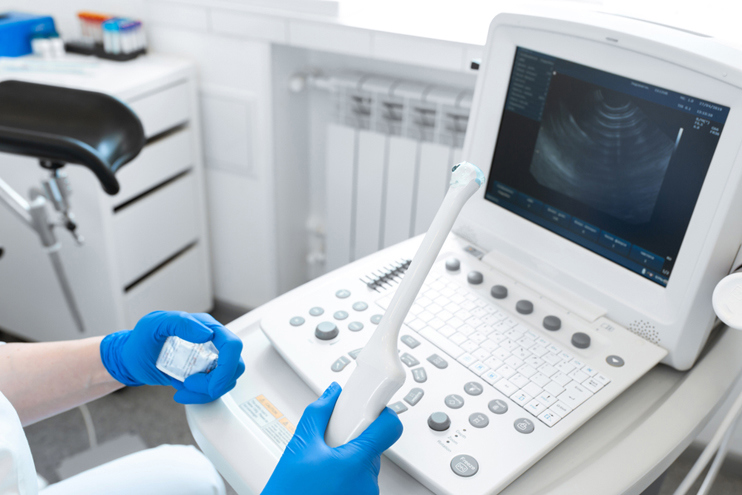
At Second Spring Women’s Clinic, we use a step-by-step approach to accurately diagnose uterine polyps with minimal discomfort.
1. Detailed Medical History & Consultation
Our first step is listening. Dr. Seon-Hwa Jeong will discuss your symptoms, menstrual history, reproductive goals, and any relevant medical background. This helps guide the diagnostic plan.
2. Transvaginal Ultrasound (TVUS)
This is the first-line imaging test to evaluate the uterus and endometrial lining. Polyps may appear as thickened or irregular areas within the endometrium.
3. Saline Infusion Sonohysterography (SIS)
For clearer visualization, a small amount of sterile saline is infused into the uterus during ultrasound. This helps outline polyps or other abnormalities inside the cavity.
4. Diagnostic Hysteroscopy
This is the gold standard for diagnosing uterine polyps. A thin camera (hysteroscope) is inserted through the cervix to directly view the uterine lining. It allows us to see polyps in real time and plan for immediate or future removal.
When Should Uterine Polyps Be Removed?
Removal may be recommended if:
You have abnormal uterine bleeding
The polyp is larger than 1 cm
You have difficulty conceiving
You’re undergoing fertility treatment (e.g., IVF)
The polyp was found after menopause
There are concerns about cancer or pre-cancer
Even small, symptom-free polyps may be removed in women pursuing pregnancy, as polyps can interfere with embryo implantation.
Minimally Invasive Treatment Options
At Second Spring Women’s Clinic, we focus on minimally invasive, uterus-preserving treatments. These allow for shorter recovery, reduced pain, and high patient satisfaction.
Here are the most effective options:
1. Hysteroscopic Polypectomy
The gold standard for removing uterine polyps
What it is:
A quick, office-based or outpatient procedure in which a thin hysteroscope is inserted through the vagina and cervix into the uterus. The polyp is visualized and removed using small instruments—often without any cuts or stitches.
Benefits:
No abdominal incisions
Uterus is preserved
Typically takes less than 30 minutes
Minimal bleeding and discomfort
Short recovery—most women return to normal activity in 1–2 days
Can improve fertility outcomes
When it’s done:
Often performed during the first half of the menstrual cycle when the endometrial lining is thin for optimal visualization.
2. D&C (Dilation and Curettage)
Rarely used alone in modern practice
What it is:
An older method where the cervix is dilated and the uterine lining is scraped with a surgical tool. While sometimes used in emergencies, it’s considered less accurate and effective than hysteroscopy, as the surgeon cannot see what is being removed.
At Second Spring, we prioritize hysteroscopic removal for safety, precision, and preservation of the uterus.
3. Advanced Laser Techniques (Available for specific cases)
Using laser energy, small polyps can be vaporized or removed with precision and minimal damage to surrounding tissues. Our clinic is equipped with state-of-the-art 3D laser systems, often used in vaginal rejuvenation or aesthetic procedures, and selectively applied to gynecologic treatment when appropriate.
What to Expect During and After Hysteroscopic Polypectomy?
Before the Procedure:
You may be asked to avoid eating or drinking for a few hours beforehand.
A mild sedative or local anesthesia may be offered for comfort.
The procedure is done at our clinic or in a partner surgical center.
During the Procedure:
A speculum is inserted, and the cervix is gently dilated.
The hysteroscope enters the uterus, and the polyp is visualized and removed.
The entire process takes 15–30 minutes.
After the Procedure:
Light cramping or spotting for 1–3 days is normal.
Most women return to work or daily activities the next day.
Avoid intercourse or tampons for about 1 week.
Pathology results (to check for abnormal cells) are usually ready within a few days.
We provide personalized aftercare and remain available for any questions or concerns during your recovery.
Fertility and Uterine Polyps
For women trying to conceive, removing polyps can:
Improve embryo implantation rates
Reduce miscarriage risk
Enhance the success of IUI or IVF cycles
If you’re planning pregnancy, we’ll time your procedure to support your fertility journey and monitor your uterine health after treatment.
Are Uterine Polyps Cancerous?
Most polyps are benign. However:
The risk of precancerous or cancerous change increases in postmenopausal women or in those with abnormal bleeding.
That’s why we send all removed polyps for pathological analysis, even if they look harmless.
If abnormal cells are found, we offer referral for additional care or advanced treatment as needed.
Early removal and testing provide both peace of mind and prevention.
Why Choose Second Spring Women’s Clinic?

At Second Spring, we combine medical expertise with personalized, minimally invasive care for every woman we see. Our approach to uterine polyp treatment is:
Patient-Centered
We listen, explain, and guide you through every step of the diagnostic and treatment journey.
Technology-Driven
From 3D ultrasound to laser hysteroscopy, we use modern tools for accurate diagnosis and gentle treatment.
Led by an Expert
Dr. Seon-Hwa Jeong, a board-certified OB-GYN with specialized training in fertility preservation and gynecologic procedures, leads your care with precision and compassion.
International-Friendly
Our clinic provides services in both Korean and English, welcoming local and international patients.
Continuity and Comfort
From your first visit to post-procedure follow-ups, we provide consistent care and emotional support.
Frequently Asked Questions
Q: Will removing a polyp hurt?
A: Most women report minimal discomfort, especially with hysteroscopic removal. We use local anesthesia and gentle techniques to ensure comfort.
Q: How long does recovery take?
A: Most patients resume normal activities within 1–2 days.
Q: Can polyps come back?
A: Yes, polyps can recur, especially in women with hormonal imbalances. Regular follow-up helps catch recurrences early.
Q: Do all polyps need to be removed?
A: Not always. Small, asymptomatic polyps may be monitored—especially in premenopausal women. But polyps with symptoms or risk factors should be removed.
Q: Will I be able to get pregnant after polyp removal?
A: Many women experience improved fertility after removal. We tailor your treatment to support your reproductive goals.
Take the Next Step: Relief Is Just a Consultation Away
Uterine polyps are common—but they don’t have to control your life. Whether you’re experiencing abnormal bleeding, trying to get pregnant, or simply want peace of mind, Second Spring Women’s Clinic offers gentle, effective solutions tailored just for you.
Located in Gangnam, Seoul
Contact us today to schedule your consultation
Fluent care in Korean and English
Let us guide you through diagnosis and treatment with compassion, clarity, and cutting-edge care.