Women's Healthcare Guided by an Experienced OB/GYN Specialist in Seoul
en-US
Natural Hormone Balance Strategies Backed by Experts
Discover real, natural ways to balance hormones with insights from endocrinologists and nutritionists. Restore energy, mood, and vitality.
Introduction

Hormones influence nearly every aspect of your health—from your mood and metabolism to energy, sleep, and reproductive function. When these powerful messengers fall out of sync, it can lead to a cascade of symptoms such as chronic fatigue, irritability, unexplained weight changes, or even more complex conditions like polycystic ovary syndrome (PCOS) or hypothyroidism.
Instead of reaching straight for pharmaceutical solutions, many are now turning to evidence-informed, natural strategies. In this article, we’ll explore effective, sustainable methods for achieving hormonal harmony—backed by nutrition science, exercise physiology, and functional medicine insights.
What Exactly Are Hormones, and Why Do They Matter?
Rather than thinking of hormones as abstract chemicals, imagine them as the body's internal Wi-Fi network—constant signals traveling from glands to organs, ensuring everything runs smoothly. Key players include estrogen, progesterone, testosterone, thyroid hormones, insulin, and cortisol.
"Your hormones act like conductors in the orchestra of your body," explains Dr. Ana Russo, a board-certified endocrinologist in Austin, TX. "When even one is off-key, the entire system feels it."
These chemical signals regulate everything from how well you burn fat, to how you handle stress, to whether your periods arrive on time. Hormonal imbalance isn’t just a women’s issue either—men, too, experience fatigue, low libido, and mood changes due to shifts in testosterone or cortisol.
Recognizing the Symptoms of Hormonal Imbalance
Symptoms can be subtle or severe. Here’s how real people describe it:
"I felt like I was constantly in a fog, like I was running on empty no matter how much I rested," says 38-year-old Kate, who was later diagnosed with adrenal fatigue.
Common warning signs include:
Low energy despite rest
Sudden weight gain or stubborn weight loss
Mood swings, irritability, or anxiety
Irregular or painful periods
Skin issues like adult acne or dryness
If these symptoms persist, don’t guess—consult a professional for hormone testing and diagnosis.
Natural Ways to Balance Hormones: What Actually Works
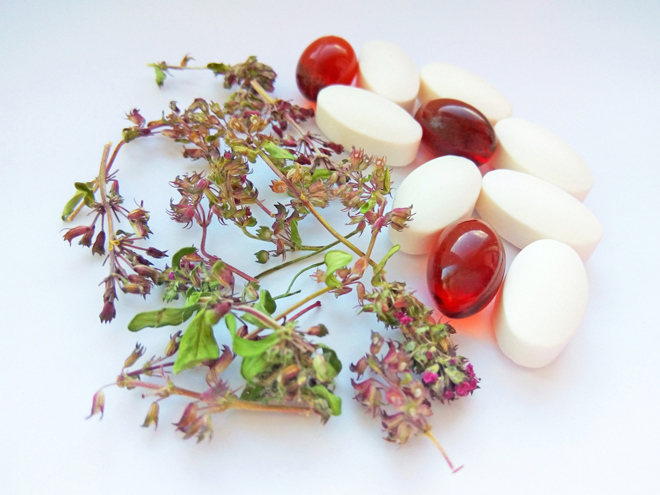
Hormonal balance is deeply tied to daily habits. Here’s how to support your body’s natural hormone production without synthetic medications.
1. Nutrition That Nourishes Hormones
Focus on anti-inflammatory foods rich in fiber, healthy fats, and clean protein. Dr. Kelly Simms, ND, a functional medicine practitioner, recommends starting with these staples:
Omega-3-rich fats (from salmon, walnuts, flaxseeds)
Cruciferous vegetables (like broccoli and kale) to aid estrogen detox
Fermented foods (such as kimchi or kefir) to improve gut and estrogen balance
High-fiber legumes and whole grains to support insulin regulation
Hydrating foods like cucumber and watermelon, which also support adrenal health
"Think of food as information for your hormones," Simms adds. "Every bite is a signal to your body."
2. Strategic Movement
Exercise doesn’t just burn calories—it recalibrates hormone production:
Strength training boosts testosterone and growth hormone.
Yoga and gentle stretching lower cortisol and balance estrogen.
HIIT workouts increase insulin sensitivity, vital for hormone health.
Walking or low-intensity cardio helps stimulate lymphatic drainage, essential for detoxifying excess estrogen.
3. Stress Recovery as a Daily Habit
Chronic stress derails your hormone system. Build in micro-recovery moments throughout your day:
10-minute morning breathwork
Walks in green spaces
Setting clear work/life boundaries
Journaling or creative expression to release mental tension
High cortisol suppresses sex hormones and thyroid function. Reclaiming calm is not indulgent—it’s foundational.
4. Sleep as Medicine
The majority of your hormone production—especially growth hormone and melatonin—happens during deep sleep.
Keep screens off 60 minutes before bed
Try magnesium or calming teas like passionflower
Aim for 7.5 to 8.5 hours consistently
Maintain a cool, dark, and quiet bedroom environment
The Hormone-Helping Power of Supplements & Herbs
Not all supplements are hype. Under guidance, certain herbs and nutrients can restore hormonal rhythm.
Ashwagandha: Balances cortisol; supports energy and mood
Maca Root: Adaptogen that may enhance libido and estrogen balance
Vitamin D3: Critical for thyroid and testosterone health
Magnesium glycinate: Eases PMS, supports adrenal repair
Probiotics: Improve estrogen metabolism and gut function
Zinc: Supports testosterone synthesis and immune function
Chasteberry (Vitex): Helps balance progesterone levels, especially in women with irregular cycles
Always consult your provider before starting new supplements, especially if you're taking medications or managing chronic conditions.
Deep Dive: Supporting Thyroid Health Naturally
The thyroid, a butterfly-shaped gland in the neck, produces hormones that affect metabolism, energy, and brain function. Common thyroid imbalances include hypothyroidism and hyperthyroidism.
Natural Support Tips:
Consume iodine-rich foods like seaweed and iodized salt (but not in excess)
Include selenium-rich foods such as Brazil nuts and sunflower seeds
Avoid raw cruciferous vegetables in excess, which can interfere with thyroid function in sensitive individuals
Manage stress with consistent self-care and adaptogens like rhodiola
Dr. Allison Becker, a naturopathic endocrinologist, explains, "The thyroid is incredibly responsive to emotional stress and nutrient deficiencies. Addressing both is key to restoring function."
Men’s Hormonal Health: Naturally Boosting Testosterone
Testosterone plays a central role in male health, influencing muscle mass, mood, libido, and motivation. Declining levels are more common with age—but lifestyle changes can help.
Natural Testosterone Support:
Strength train 3–4 times weekly
Prioritize sleep (testosterone surges during deep sleep)
Eat healthy fats (olive oil, nuts, seeds)
Maintain a healthy weight
Avoid excessive alcohol and endocrine disruptors (like BPA in plastics)
Women’s Hormonal Health: Balancing Estrogen & Progesterone
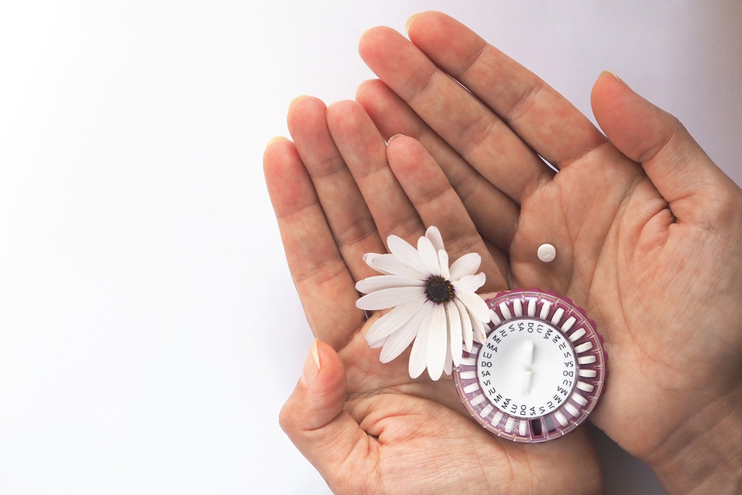
Many women experience hormonal shifts tied to their menstrual cycle, perimenopause, or conditions like PCOS. Supporting liver health and managing blood sugar are key.
Estrogen-Progesterone Balance Tips:
Support detox pathways with cruciferous vegetables and lemon water
Avoid xenoestrogens found in plastics and non-organic skincare
Consider seed cycling: rotating flax/chia and sesame/sunflower seeds based on your menstrual phase
Work with a practitioner on targeted herbs like black cohosh, red clover, or dong quai
Environmental & Lifestyle Hormone Disruptors to Avoid
Hormone disruptors are everywhere—from your kitchen to your makeup bag. Here’s how to reduce exposure:
Switch to glass or stainless steel food containers
Use organic, fragrance-free personal care products
Avoid pesticide-laden produce by choosing organic when possible
Filter your drinking water to remove heavy metals and chlorine byproducts
Real Stories, Real Results
After six months of adjusting her diet, adding maca and magnesium, and starting strength training, 35-year-old Sara from Denver reports, "My PMS vanished, I sleep better, and I feel like myself again. I didn’t realize how much my hormones were affecting everything."
Tom, 42, added iodine-rich foods and vitamin D to support his thyroid. After three months, he says, "My energy and mood are back. I had no idea food and stress were such big factors."
Personalized Hormone Support: When to Seek Expert Help
If you’ve optimized diet, sleep, and stress—and still struggle with symptoms—testing can reveal root causes. A qualified integrative practitioner can assess hormone panels, thyroid function, and nutrient deficiencies.
"I finally understood why I couldn’t lose weight—it wasn’t just willpower. My thyroid levels were low, and I needed more than kale and cardio," shares Tom, a 42-year-old patient treated for hypothyroidism.
Don’t wait to feel better. Lab testing and expert guidance can fast-track your hormone recovery.
Conclusion
Balancing your hormones naturally is not about chasing perfection. It’s about creating an environment where your body can heal, adapt, and thrive. With the right foods, movement, rest, and support, you can restore the hormonal foundation of your health—without drastic measures.
Remember, there’s no one-size-fits-all solution. Personalized guidance, consistent self-care, and a willingness to explore root causes can make all the difference. By taking daily steps—no matter how small—you can shift your body toward balance, vitality, and long-term wellness.