Women's Healthcare Guided by an Experienced OB/GYN Specialist in Seoul
en-US
Ovarian Cysts: Symptoms, Types & Treatment in Korea
Discover how to recognize, manage, and treat ovarian cysts. Insights from South Korea's Second Spring Women’s Clinic. When to relax and when to worry.
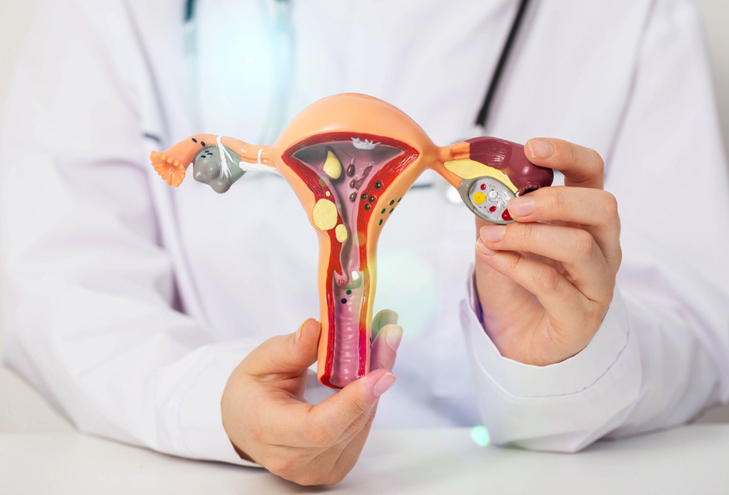
Understanding Ovarian Cysts: What Women in South Korea Should Know
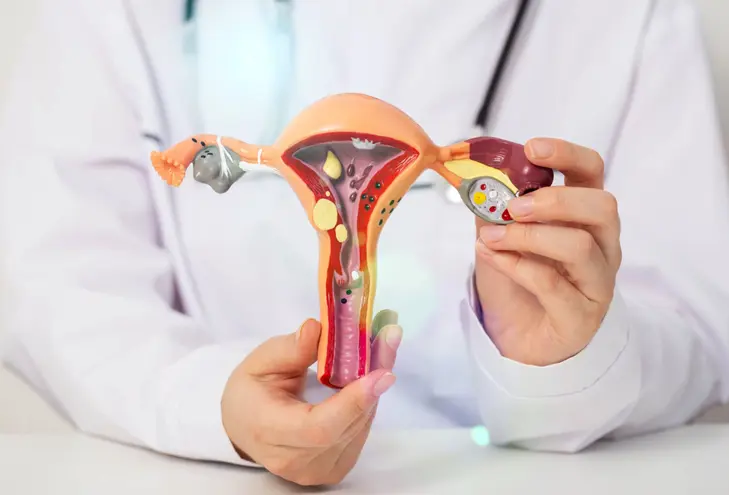
Ovarian cysts are small, fluid-filled sacs that develop on or within an ovary. While most are harmless and resolve on their own, some can cause significant discomfort or signal deeper health issues. In South Korea, where access to routine gynecological care is widely available, early detection plays a critical role in managing these conditions effectively.
"We see ovarian cysts frequently in our clinic—many are benign, but the key is proper evaluation," says Dr. Seon-Hwa Jeong, lead gynecologist at Second Spring Women’s Clinic in Gangnam. "Each case is different, and treatment should reflect that."
What Exactly Are Ovarian Cysts?
Cysts often form as part of the natural menstrual cycle. When a follicle (the sac that holds an egg) doesn’t release the egg or fails to dissolve after ovulation, it can become a functional cyst. These are typically harmless and disappear without intervention.
However, cysts can also form from underlying health conditions or as a side effect of hormonal imbalance. This is why personalized care and early diagnosis are so crucial—especially for women who are experiencing recurring pain, irregular cycles, or fertility concerns.
Why Do Ovarian Cysts Happen?
Several factors can trigger cyst development:
Hormonal imbalances such as irregular ovulation or elevated estrogen levels.
Pregnancy-related cysts, which help sustain early gestation.
Endometriosis, which can lead to painful endometriomas or "chocolate cysts."
Polycystic Ovary Syndrome (PCOS), where hormonal dysfunction leads to multiple small ovarian cysts.
History of cysts, increasing the likelihood of recurrence.
Use of fertility drugs, which can overstimulate the ovaries.
Pelvic infections, which may spread to the ovaries.
Each woman’s case is different. Some patients may never notice a cyst, while others experience severe symptoms that affect their daily lives.
Are All Cysts Harmless?

Not necessarily. Most are benign, but others—especially those that persist, grow, or cause pain—need closer monitoring. Rarely, cysts can be cancerous, particularly in postmenopausal women. A comprehensive evaluation, including imaging and lab testing, can help determine the risk level.
"In our clinic, we take time to assess each cyst’s size, structure, and impact on adjacent organs," says Dr. Jeong. "It’s this detailed approach that gives women confidence in their treatment plan."
Types of Ovarian Cysts
1. Functional Cysts
Follicular cysts – Occur when ovulation doesn’t happen.
Corpus luteum cysts – Form after the egg is released but the follicle doesn’t dissolve.
2. Complex Cysts (Often Require Monitoring)
Dermoid cysts (teratomas) – May contain tissue like hair or teeth.
Endometriomas – Related to endometriosis; often painful.
Cystadenomas – Fluid-filled, potentially large.
3. Cysts With Complications
Hemorrhagic cysts – Filled with blood; may rupture.
Ovarian torsion cysts – Can twist the ovary, cutting off blood supply.
Cancerous cysts – Especially concerning post-menopause; evaluated using CA-125 tests.
How Do You Know If You Have a Cyst?
Some cysts are symptomless and discovered during routine exams. When symptoms appear, they may include:
Mild: Bloating, one-sided pelvic pain, irregular cycles.
Moderate: Frequent urination, painful bowel movements.
Severe: Sudden sharp pain, fever, dizziness—seek emergency care.
Patients have reported vague pelvic discomfort that lingers for weeks, only to find out via ultrasound that a large cyst was pressing on nearby organs. That’s why regular screenings are essential.
When It’s Safe to Wait
Cysts smaller than 5 cm that cause no symptoms often resolve naturally. Doctors may recommend observation with periodic ultrasounds. Home care tips include:
Staying hydrated
Using a heating pad
Tracking symptoms
Following up regularly
Maintaining a healthy sleep routine and minimizing stress
Some women benefit from anti-inflammatory diets or herbal support (always discussed with a qualified provider) to ease discomfort during this watchful waiting phase.
When You Should Worry
Watch for:
Persistent or growing cysts
Large cysts (over 5 cm)
Severe pain, especially with nausea or fever
Cysts in postmenopausal women
Weight loss or bloating that doesn’t resolve
Pain during intimacy or daily movement
In some cases, urgent care is needed for ruptured cysts or ovarian torsion. These are surgical emergencies and must not be ignored.
Diagnostic Tools

At clinics like Second Spring Women’s Clinic, the following tests are used:
Pelvic ultrasound – Primary method to visualize cysts
CA-125 blood test – Screens for ovarian cancer risk
MRI or CT – For complex or unclear cases
Laparoscopy – Minimally invasive surgical inspection
Transvaginal ultrasound – Offers a closer, more detailed view of ovarian structures
Do Cysts Affect Fertility?
In most cases, no. However, certain cysts like those from PCOS or endometriosis can disrupt ovulation. Dr. Jeong notes, "With PCOS-related cysts, we often need a combination of hormone therapy and lifestyle changes to support fertility."
Women undergoing fertility treatments may encounter ovarian hyperstimulation syndrome, which can cause enlarged ovaries and multiple cysts. Proper monitoring reduces risks.
Treatment Options
Treatment depends on the type, size, and symptoms:
Watchful Waiting – Common for small, simple cysts.
Medications
Birth control pills to prevent future cysts
Pain relievers like ibuprofen
Hormonal therapies tailored to menstrual regulation
Minimally Invasive Surgery
Laparoscopic cystectomy for endometriomas or large, painful cysts
Oophorectomy – In cases with cancer risk or recurrent cysts
Natural Therapies (Adjunctive)
Acupuncture and herbal medicine (popular in Korean integrative clinics)
Each plan is personalized. As Dr. Jeong emphasizes, "No one-size-fits-all exists in gynecology. Some women do well with conservative care, while others need immediate surgical attention."
Can You Prevent Ovarian Cysts?
While not always preventable, these tips may help:
Use hormonal birth control
Maintain a healthy weight
Eat anti-inflammatory foods
Exercise regularly
Schedule routine gynecological visits
Avoid unnecessary hormone supplements or crash diets
A balanced Korean diet rich in seaweed, tofu, and green vegetables may support hormonal balance naturally.
Special Concerns After Menopause
Postmenopausal cysts are less likely to be functional and more likely to require investigation. Indicators for concern include:
Solid or complex cysts
Elevated CA-125
Symptoms like pain, bloating, or weight loss
Early postmenopausal years can be a window for silent cyst growth. Regular scans during annual health checkups are recommended.
Real Stories from Second Spring Women’s Clinic
A 34-year-old teacher from Seoul, initially hesitant to seek help, visited Second Spring after months of irregular periods. Dr. Jeong identified a complex cyst and scheduled a laparoscopic procedure. "Recovery was quick, and I finally felt back to normal," the patient shared.
A 47-year-old expat from Canada praised the bilingual staff and streamlined diagnostic process: "I didn’t expect such thorough care overseas. Dr. Jeong explained everything clearly."
Why Patients Trust Second Spring Women’s Clinic
Located in the heart of Gangnam, our clinic provides:
Leadership by Dr. Seon-Hwa Jeong, board-certified gynecologist
Advanced diagnostics and laparoscopic expertise
Personalized care plans for Korean and international patients
Comfortable, culturally sensitive environment for women from all walks of life
Close proximity to Incheon Airport for medical travelers
Final Thoughts
Ovarian cysts can be scary, but they don’t have to be. With proper care, most can be managed effectively. If you're experiencing pelvic pain, irregular cycles, or unusual symptoms, reach out to a women’s health specialist.
Second Spring Women’s Clinic is here to guide you with empathy, precision, and proven expertise. Whether you're seeking peace of mind, second opinions, or advanced treatment options, our door is open.