Women's Healthcare Guided by an Experienced OB/GYN Specialist in Seoul
en-US
PCOS-Related Irregular Cycles: Comprehensive Care Plans
Explore comprehensive care plans for PCOS-related irregular cycles, including hormonal therapy, lifestyle changes, and fertility support. Take control—learn more now!
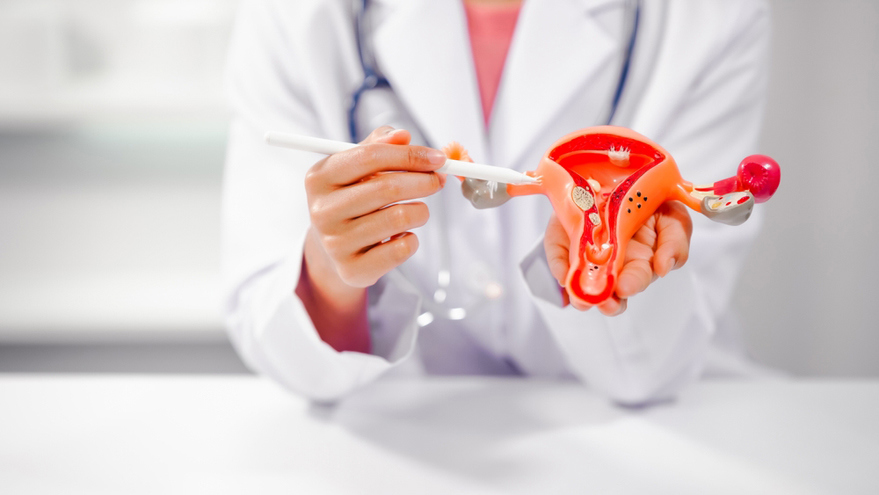
PCOS-Related Irregular Cycles: Comprehensive Care Plans
Polycystic Ovary Syndrome (PCOS) is one of the most common hormonal disorders among women of reproductive age, affecting up to 1 in 10 women globally. One of its most noticeable symptoms — and often the one that brings patients to our clinic — is irregular menstrual cycles. These irregularities are often a sign of chronic anovulation (lack of ovulation), which, if left untreated, can lead to complications such as infertility, endometrial hyperplasia, and metabolic disorders.
At Second Spring Women’s Clinic, located in Gangnam, Seoul, we specialize in comprehensive, evidence-based, and compassionate care for PCOS. Under the leadership of Dr. Seon-Hwa Jeong, an experienced OB-GYN with advanced training in reproductive endocrinology, our clinic offers tailored solutions to help women regain cycle regularity, manage symptoms, and support fertility and long-term hormonal health.
Understanding PCOS and Irregular Menstrual Cycles
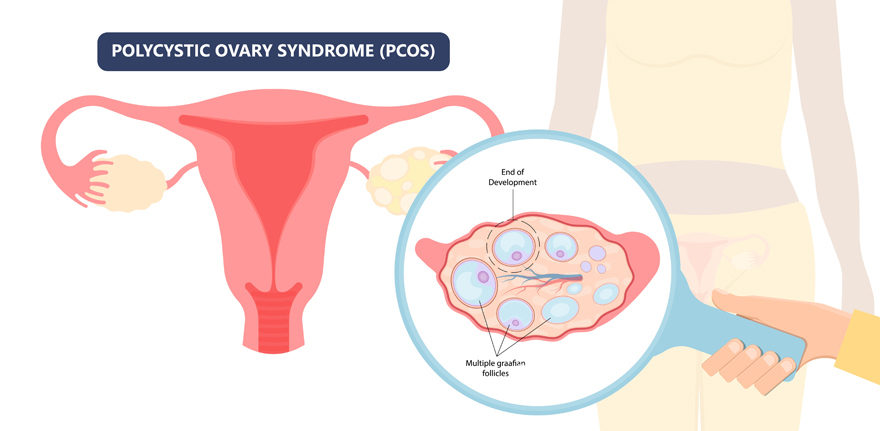
PCOS is a complex endocrine disorder that affects the ovaries and the body’s hormone regulation. It is diagnosed when at least two out of the following three criteria are met:
Irregular or absent ovulation (leading to irregular or absent periods)
Elevated levels of androgens (male hormones), which may cause acne, hirsutism (excess hair growth), or scalp hair thinning
Polycystic-appearing ovaries on ultrasound
Menstrual Irregularities in PCOS
Oligomenorrhea: Infrequent periods (more than 35 days apart)
Amenorrhea: Absence of periods for 3 months or more
Anovulatory cycles: Bleeding without ovulation, often unpredictable
Irregular cycles are more than a nuisance — they can signal unopposed estrogen stimulation of the endometrium, increasing the risk of endometrial thickening or cancer over time.
A Holistic and Personalized Care Plan at Second Spring
Our PCOS management programs are built on the understanding that no two cases are alike. We take time to evaluate your full health history, lifestyle, and personal goals before crafting a care plan.
1. Comprehensive Diagnosis & Hormonal Profiling
We begin with a detailed diagnostic assessment that includes:
Medical history & symptom evaluation: Menstrual cycle length, skin and hair symptoms, weight changes, and mood patterns
Blood hormone tests:
Luteinizing Hormone (LH)
Follicle-Stimulating Hormone (FSH)
Total & free testosterone
Sex Hormone Binding Globulin (SHBG)
Prolactin & TSH (to rule out other causes of irregular cycles)
Anti-Müllerian Hormone (AMH) to assess ovarian reserve
Pelvic ultrasound: To assess ovarian morphology and endometrial thickness
Metabolic screening:
Fasting glucose and insulin
HbA1c
Lipid profile (cholesterol and triglycerides)
This thorough screening forms the basis for your personalized care plan.
2. Cycle Regulation: Medical Therapies to Restore Rhythm
Regulating menstrual cycles is critical not only for comfort and predictability but also for protecting the uterus and supporting future fertility.
A. Hormonal Therapies for Non-Fertility Patients
1. Combined Oral Contraceptives (COCs)
First-line treatment for regulating cycles
Reduces androgen levels (helping acne and hirsutism)
Protects against endometrial hyperplasia
2. Progestin-Only Therapy
Ideal for women who cannot take estrogen (e.g., due to migraines, hypertension)
Progestin taken monthly or every 2–3 months triggers withdrawal bleeding
3. Cyclic Progesterone Therapy
Mimics a natural menstrual cycle without suppressing ovulation completely
Suitable for women transitioning off contraception or desiring a more natural approach
B. Ovulation Induction for Fertility
For patients trying to conceive:
Letrozole (preferred for PCOS) or clomiphene citrate to stimulate ovulation
Metformin may be used alongside ovulation agents in insulin-resistant patients
Close monitoring with ultrasound and hormone tracking to ensure safe, effective results
We work closely with each patient to determine the safest and most effective ovulation strategy.
3. Lifestyle Modification: The Foundation of PCOS Care

Lifestyle change is a cornerstone of our PCOS programs. Even modest weight loss (5–10%) can improve ovulation and reduce androgen levels.
Nutrition Counseling
Low glycemic index (GI) diet to manage insulin resistance
Emphasis on anti-inflammatory foods: leafy greens, berries, fatty fish, olive oil
Balanced macronutrients: fiber-rich carbs, lean protein, healthy fats
Guidance on meal timing, portion control, and blood sugar balance
Exercise Recommendations
150 minutes per week of moderate aerobic activity (walking, cycling)
Resistance training to improve insulin sensitivity and metabolic rate
Stress-reducing movement such as yoga or Pilates
Our nutrition and fitness coaching is tailored to individual health profiles, activity levels, and long-term goals.
4. Addressing Emotional & Cosmetic Symptoms
PCOS often affects self-esteem and emotional well-being. Symptoms like acne, hair thinning, or hirsutism can be emotionally distressing.
Emotional Health Support
Screening for depression, anxiety, and eating disorders
Referrals to mental health professionals when needed
Counseling around body image and reproductive identity
Cosmetic Care Resources
Dermatological referrals for acne and hair loss
Guidance on safe and effective hair removal (laser, electrolysis)
Nutritional strategies for skin and hair health
We provide a safe, judgment-free environment for open discussion of emotional and physical concerns.
5. Long-Term Monitoring & Prevention
PCOS is a lifelong condition that evolves with age and lifestyle. Our clinic emphasizes ongoing care and prevention, especially for long-term risks such as:
Type 2 diabetes
High cholesterol
Cardiovascular disease
Endometrial cancer
What We Monitor Over Time:
Menstrual patterns
Insulin resistance markers
Weight and waist circumference
Skin changes and androgen levels
Fertility status, when relevant
We adjust care plans as your life stage changes, whether you're trying to conceive, managing menopause transition, or preventing chronic disease.
Second Spring’s Comprehensive, Patient-First Philosophy

At Second Spring Women’s Clinic, we believe in whole-person care that blends the best of medical science with patient empowerment. Whether you’re recently diagnosed with PCOS or have been managing symptoms for years, we’re here to help you:
Understand your body
Reclaim control of your menstrual cycle
Support fertility or avoid complications
Feel confident, strong, and healthy
Why Patients Choose Us:
One-on-one consultations with Dr. Seon-Hwa Jeong, a leading expert in hormonal and fertility health
State-of-the-art diagnostics and ultrasound technology
Care delivered in Korean and English
A warm, welcoming environment centered on respect, privacy, and empowerment
Patient Success Stories
“After years of unpredictable cycles and failed weight loss attempts, I finally found the support I needed at Second Spring. Within three months of starting my personalized plan, I had my first natural period in over a year.”
“Dr. Jeong didn’t just prescribe medication. She helped me understand my PCOS from the inside out. I now have regular cycles and I’m preparing for pregnancy with confidence.”
“It was the first time I felt seen and heard about the emotional toll PCOS was taking on me. The clinic’s holistic support changed everything.”
Schedule Your Consultation Today
If you are struggling with irregular cycles due to PCOS, don’t wait for things to get worse. Early intervention, the right diagnostics, and a tailored plan can dramatically improve your symptoms and protect your long-term health.
Second Spring Women’s Clinic – Gangnam, Seoul
Led by Dr. Seon-Hwa Jeong, OB-GYN & PCOS Specialist
Consultations Available in Korean and English
Take control of your cycle and your health — with expert support, compassionate care, and a plan built just for you.