Women's Healthcare Guided by an Experienced OB/GYN Specialist in Seoul
en-US
Pelvic Floor Therapy for Bladder Control and Core Strength
Explore how pelvic floor therapy improves bladder control and core strength, enhancing daily function and confidence. Reclaim control—learn more today!

Pelvic Floor Therapy for Bladder Control and Core Strength
At Second Spring Women’s Clinic in Gangnam, we’re dedicated to providing advanced, compassionate care for women at every stage of life. One of the most transformative yet underutilized services we offer is pelvic floor therapy—a natural, non-surgical approach to improving bladder control, relieving pelvic pain, and restoring core strength.
Many women silently live with issues like urinary leakage, pelvic heaviness, and weak abdominal muscles, often assuming these symptoms are just a normal part of aging, childbirth, or menopause. The truth is: they are common, but not normal. With the right care and targeted therapy, these symptoms can often be significantly improved—or even completely resolved.
This in-depth guide will explain what the pelvic floor is, how therapy works, and why it’s a powerful tool for your core health, confidence, and quality of life.
What Is the Pelvic Floor?
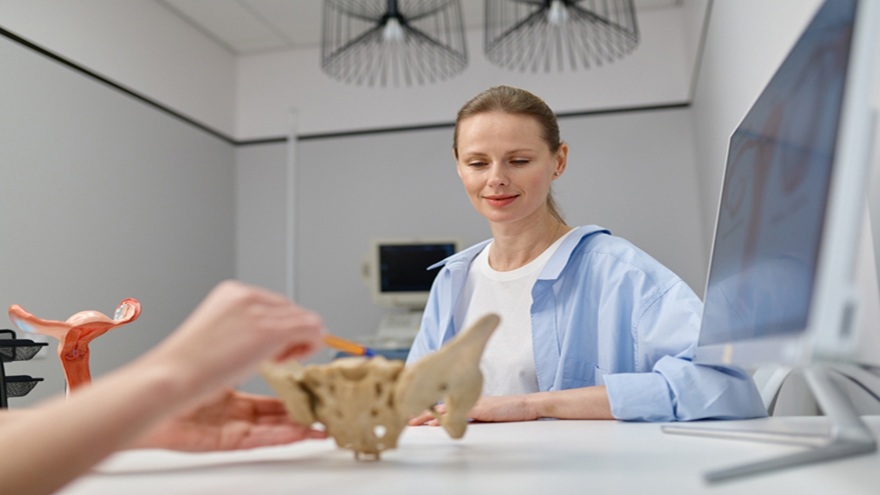
The pelvic floor is a group of muscles, ligaments, and connective tissues that stretch like a hammock from your pubic bone in the front to your tailbone in the back. These muscles support the uterus, bladder, and rectum, and they play a vital role in:
Controlling urination and bowel movements
Supporting internal organs
Stabilizing the spine and core
Facilitating sexual function and pleasure
Assisting with labor and postpartum recovery
When these muscles are functioning well, they work in coordination with your deep abdominal, back, and breathing muscles to maintain pressure, posture, and pelvic health.
However, when the pelvic floor is too weak, too tight, or poorly coordinated, you may experience what’s called pelvic floor dysfunction. This can manifest in a variety of symptoms, including:
Urinary incontinence (stress, urge, or mixed)
Pelvic organ prolapse (a sensation of “heaviness” or pressure)
Constipation or difficulty emptying bowels
Pain during or after intercourse
Core weakness or diastasis recti
Low back pain or hip pain
These symptoms can be subtle or severe, and they can affect your confidence, intimacy, and daily comfort.
What Causes Pelvic Floor Dysfunction?
Pelvic floor issues can develop for many reasons—and they often build up slowly over time. Common contributing factors include:
Pregnancy and childbirth: Vaginal delivery can stretch or injure the pelvic floor muscles and nerves. C-sections also affect core muscle function.
Menopause: As estrogen declines, pelvic tissues can weaken and become less elastic, increasing the risk of incontinence or prolapse.
Chronic constipation: Straining during bowel movements puts repeated pressure on the pelvic floor.
High-impact exercise or heavy lifting: Activities like running or weight training can increase intra-abdominal pressure.
Obesity: Extra weight places added pressure on pelvic structures.
Aging: Natural muscle loss (sarcopenia) affects the pelvic floor just like other muscles.
Pelvic surgeries: Hysterectomy or bladder procedures can affect the structure and support of the pelvic floor.
It’s important to note that even women who are young, active, or without children can experience pelvic floor dysfunction.
What Is Pelvic Floor Therapy?
Pelvic floor therapy is a specialized form of physical therapy focused on assessing and treating the muscles and tissues of the pelvic region. It is suitable for a wide range of women—whether they are recovering postpartum, managing menopause symptoms, or addressing long-standing bladder or pelvic issues.
At Second Spring, our pelvic floor therapy includes:
Comprehensive Evaluation
We begin with a full health history and discussion of your symptoms.
External and (if appropriate) internal examination of the pelvic muscles.
Observation of posture, breathing patterns, core engagement, and hip alignment.
Personalized Treatment Plan
Based on your evaluation, your plan may include:Manual therapy: Gentle hands-on techniques to release tight muscles or scar tissue.
Targeted exercises: Beyond Kegels—we guide you through strengthening or relaxing specific muscles.
Biofeedback: Visual or sensory feedback to help you “see” and improve how your muscles are working.
Breathwork and core training: Coordination of the diaphragm, abdominals, and pelvic floor.
Bladder training and lifestyle coaching: Including toileting habits, hydration, posture, and more.
Education and Empowerment
We teach you how to integrate pelvic wellness into daily life—how to lift, move, breathe, and exercise in ways that support pelvic health.
How Does Pelvic Floor Therapy Help with Bladder Control?

Urinary incontinence affects nearly 1 in 3 women at some point—and many never seek treatment. There are two main types:
Stress incontinence: Leakage when laughing, coughing, sneezing, or exercising.
Urge incontinence: A sudden, intense urge to urinate, often with leaks before reaching the toilet.
Both types can be caused by:
Weak pelvic floor muscles
Overactive or uncoordinated muscles
Nerve dysfunction
Improper bladder habits (like “just in case” urination)
Through therapy, we:
Teach the correct way to perform and relax Kegels
Retrain muscles to anticipate and support during activity
Build strength and endurance of the pelvic floor and core
Guide proper voiding habits and timing
Provide bladder diaries and training tools
Many women experience a dramatic reduction in leaks within just a few sessions.
How Does Pelvic Floor Therapy Improve Core Strength?
Your core isn’t just about abs—it includes:
Deep abdominal muscles (transverse abdominis)
The diaphragm (breathing muscle)
The pelvic floor
The multifidus (deep spinal muscles)
These muscles must work together like a team to support your spine, organs, and movement. If the pelvic floor is weak or out of sync, it affects the entire system, leading to:
Poor posture
Low back pain
Diastasis recti (abdominal separation)
Fatigue and instability during movement
Pelvic floor therapy restores the connection between these systems. You’ll learn how to:
Activate deep core muscles safely and effectively
Coordinate breath with movement
Rebuild core stability after childbirth or surgery
Prevent injury and build strength from the inside out
Who Can Benefit from Pelvic Floor Therapy?
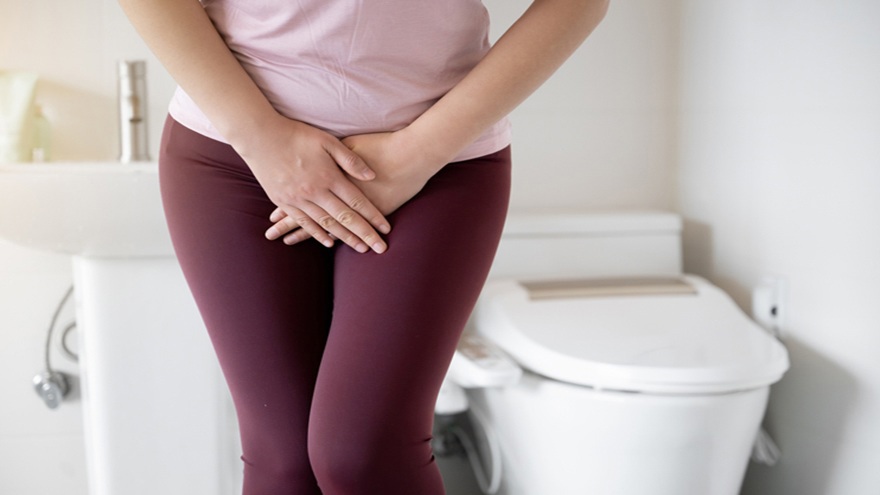
Pelvic floor therapy is appropriate for women of all ages and life stages. You may benefit if you:
Leak urine with laughter, coughing, sneezing, or jumping
Wake frequently at night to urinate
Have trouble holding urine when you feel the urge
Feel heaviness, dragging, or bulging in your pelvic area
Experience pain with intercourse or tampon use
Have constipation or feel incomplete emptying
Want to strengthen your core after childbirth or surgery
Are transitioning through menopause and want to preserve pelvic strength
What Makes Second Spring’s Approach Unique?
At Second Spring Women’s Clinic, we don’t just treat symptoms—we treat the whole woman. Our pelvic floor therapy program is integrated into our broader philosophy of women’s wellness, combining:
Expert clinical care: Led by board-certified gynecologist Dr. Seon-Hwa Jeong and experienced pelvic therapists.
Advanced diagnostics: Including ultrasound imaging when needed to assess muscle function and support.
Aesthetic and regenerative options: Like vaginal laser therapy or PRP for tissue rejuvenation.
Hormonal evaluations: Because estrogen plays a role in tissue integrity and pelvic strength.
Mind-body integration: We support mental well-being, sexual confidence, and emotional healing alongside physical therapy.
Whether you’re navigating motherhood, menopause, or recovery from surgery, we meet you where you are—with empathy, expertise, and a plan tailored to your needs.
Frequently Asked Questions
Q: Is pelvic floor therapy painful?
A: No. The process is gentle and always done with your full consent and comfort. Most women feel empowered and relieved after learning how their body works.
Q: How long does it take to see results?
A: Many women notice improvement within 4–6 sessions, especially when combined with home exercises. Chronic or complex cases may require longer support.
Q: Can I do pelvic floor therapy during pregnancy?
A: Yes! It’s safe and highly recommended to prepare for birth and prevent postpartum issues.
Q: Is this only for postpartum women?
A: Not at all. We see women from their 20s to 70s and beyond. Menopause is another key time when therapy can help preserve strength and bladder control.
Take the First Step Toward Confidence and Strength
Pelvic floor issues are common—but they are treatable. You don’t have to live with discomfort, leaks, or uncertainty about your body. Pelvic floor therapy is a safe, empowering path to:
Bladder control
Core strength
Pain-free intimacy
Postpartum healing
Pelvic organ support
Greater comfort and confidence in your daily life
Contact Second Spring Women’s Clinic today to schedule a pelvic health consultation. Let us help you reconnect with your strength and feel like yourself again—from the inside out.