Women's Healthcare Guided by an Experienced OB/GYN Specialist in Seoul
en-US
Personalized Care Plans for Chronic Pelvic Pain
Discover personalized care plans for chronic pelvic pain, including diagnosis, treatment options, and holistic strategies tailored to your needs. Learn more today!

Personalized Care Plans for Chronic Pelvic Pain at Second Spring Women’s Clinic
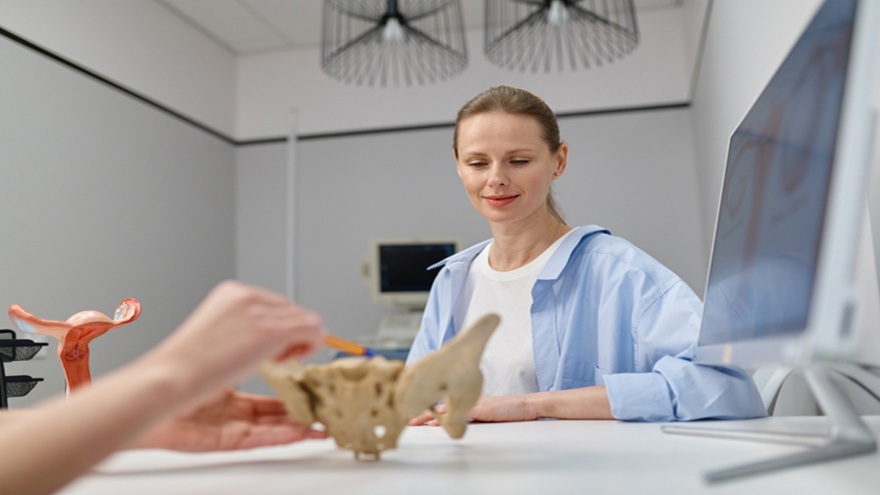
Chronic pelvic pain (CPP) is a challenging and often misunderstood condition affecting a significant number of women worldwide. Unlike acute pain that comes on suddenly and is typically short-lived, chronic pelvic pain is persistent, lasting for six months or longer, and may significantly interfere with a woman’s quality of life. At Second Spring Women’s Clinic in Gangnam, Seoul, we are deeply committed to offering a comprehensive, individualized approach to diagnosing and treating chronic pelvic pain, helping women achieve relief, improved functionality, and a better quality of life.
Understanding Chronic Pelvic Pain
Chronic pelvic pain refers to non-cyclic pain perceived in structures related to the pelvis. It can be constant or intermittent, sharp or dull, localized or diffused, and it may be associated with other symptoms such as fatigue, depression, or sexual dysfunction. The complex nature of CPP often makes it difficult to diagnose and treat without a careful, multidisciplinary approach.
At Second Spring Women’s Clinic, our philosophy is rooted in understanding each patient’s unique experience. Chronic pelvic pain is not simply a symptom—it is a condition in itself that requires thorough investigation and targeted, compassionate care.
Common Causes of Chronic Pelvic Pain
The causes of CPP are diverse and often overlapping.
Some of the most common underlying conditions include:
Endometriosis: A condition where endometrial tissue grows outside the uterus, often causing severe menstrual cramps, pain during intercourse, and chronic pelvic discomfort.
Adenomyosis: When the endometrial tissue grows into the muscular wall of the uterus, leading to heavy, painful periods and pelvic pressure.
Pelvic Inflammatory Disease (PID): Chronic inflammation of the female reproductive organs due to infection can result in lasting pelvic pain.
Interstitial Cystitis/Painful Bladder Syndrome: Characterized by bladder pressure and pain, this condition is often mistaken for urinary tract infections.
Pelvic Floor Dysfunction: Tight or uncoordinated pelvic floor muscles can cause pain and urinary or bowel symptoms.
Uterine Fibroids: Benign growths in the uterus that can cause pressure, pain, or heavy bleeding.
Ovarian Cysts: Persistent cysts may cause pain during the menstrual cycle or during intercourse.
Nerve-related pain (neuropathic pain): Nerve damage or entrapment, such as pudendal neuralgia, may cause burning or sharp pain.
It is not uncommon for women with CPP to suffer from more than one of these conditions simultaneously, which is why a tailored and integrative approach is essential.
Our Comprehensive and Individualized Approach
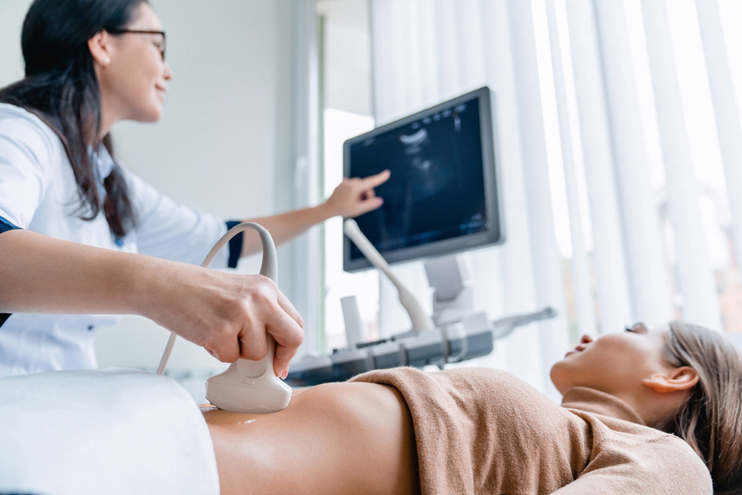
At Second Spring Women’s Clinic, we believe that every woman’s journey with chronic pelvic pain is different. Our care plans are designed to reflect that uniqueness, offering targeted treatment based on accurate diagnosis, patient goals, and holistic well-being.
1. Comprehensive Diagnostic Workup
The first and most critical step in managing chronic pelvic pain is a meticulous diagnostic process. At Second Spring, we conduct a thorough evaluation, which includes:
Detailed medical history: Including menstrual, sexual, surgical, and pain history.
Pelvic examination: To identify physical abnormalities, tenderness, or muscle dysfunction.
Ultrasound imaging: For detecting uterine fibroids, ovarian cysts, or structural issues.
MRI or advanced imaging: In cases where deep infiltrating endometriosis or adenomyosis is suspected.
Diagnostic laparoscopy: A minimally invasive surgical procedure to visually inspect the pelvic organs and diagnose conditions such as endometriosis or adhesions.
Pain mapping and muscle assessment: To evaluate pelvic floor muscle function and nerve sensitivity.
Our aim is to identify the root cause(s) of the pain rather than masking symptoms with generalized treatments.
2. Tailored Treatment Plans
Once the cause is determined, we design an individualized treatment plan. Our therapeutic strategies are holistic and multi-dimensional, often combining medical, surgical, and physical therapy interventions for the best outcome.
a. Medical Management
Hormonal therapies such as oral contraceptives, progestins, or GnRH agonists for conditions like endometriosis or adenomyosis.
Pain relief medications, including NSAIDs, neuropathic agents (e.g., gabapentin), or antidepressants that help manage chronic pain syndromes.
Antibiotics for ongoing infection-related conditions like PID.
Bladder instillations or medications for interstitial cystitis.
b. Minimally Invasive Surgical Options
Led by Dr. Seon-Hwa Jeong, who is highly trained in minimally invasive gynecologic surgery, Second Spring offers advanced procedures that minimize recovery time and scarring.
Laparoscopic excision surgery for endometriosis
Myomectomy or hysteroscopic procedures for fibroids or polyps
Adhesiolysis to remove scar tissue
3D laser vaginal procedures, which are especially effective in cases of vaginal scarring, dryness, or pain related to pelvic floor dysfunction
These options are tailored to preserve fertility and ensure long-term relief with minimal invasiveness.
c. Pelvic Floor Physical Therapy
Pelvic floor dysfunction is both a cause and consequence of chronic pelvic pain. Our care plans often integrate:
Manual therapy and muscle relaxation techniques
Biofeedback training to improve muscle coordination
Trigger point release for myofascial pain
Home exercises and posture correction
We collaborate closely with licensed pelvic floor physical therapists to ensure consistent and effective treatment.
d. Integrative and Supportive Therapies
Because chronic pain affects emotional and mental health, we incorporate:
Nutritional counseling to reduce inflammation and support hormonal balance
Mind-body therapies such as guided relaxation, yoga, or acupuncture
Stress reduction techniques, which may help regulate the nervous system and reduce pain perception
Lifestyle coaching to improve sleep, activity, and self-care routines
Ongoing Monitoring and Support
Second Spring Women’s Clinic is committed to long-term care, not just short-term fixes. Once a care plan is initiated, we provide ongoing monitoring and adjustments through:
Scheduled follow-up visits to assess progress
Symptom tracking using pain diaries or mobile apps
Patient education to foster empowerment and self-management
One-on-one consultations to address new or evolving concerns
Our support system is designed to adapt to the patient’s changing needs, ensuring she never feels alone in her journey.
Why Choose Second Spring Women’s Clinic for Chronic Pelvic Pain?
Expert-Led Care
Dr. Seon-Hwa Jeong brings years of experience in gynecology, reproductive medicine, and pelvic pain management. Her advanced training in minimally invasive procedures makes her uniquely qualified to offer safe and effective solutions.
Innovative Technology
We offer leading-edge treatments like 3D laser vaginal rejuvenation and laparoscopic gynecologic surgery for precise diagnosis and treatment with minimal disruption to your daily life.
Patient-Centered Philosophy
Every aspect of our care—from diagnosis to follow-up—is built around the patient’s needs, comfort, and preferences. We listen, educate, and involve patients in every decision.
Multilingual Care
We cater to both local and international patients, offering services in Korean and English, ensuring that communication is clear and care is seamless.
Take the First Step Toward Relief
Living with chronic pelvic pain can feel isolating, frustrating, and exhausting. But with the right care team, lasting relief is possible. At Second Spring Women’s Clinic, we are here to listen, to guide, and to provide a care plan that is uniquely yours.
Let us help you regain control of your health and your life. Book a consultation today and begin your personalized journey toward healing.
Second Spring Women’s Clinic
Located in Gangnam, Seoul
Specializing in Women’s Health, Gynecology, Fertility Preservation, and Vaginal Aesthetic Treatments
Where science meets compassion for a new season of wellness.