Women's Healthcare Guided by an Experienced OB/GYN Specialist in Seoul
en-US
Pregnancy After Miscarriage: Plan, Heal & Prepare for Success
Learn how to prepare physically and emotionally for pregnancy after miscarriage, with expert medical and emotional support from experienced clinicians.
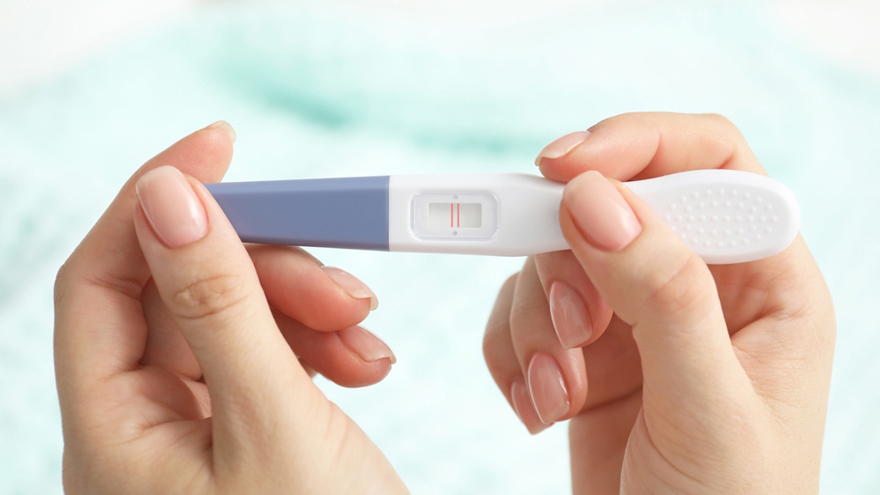
Healing and Planning a Healthy Pregnancy After Miscarriage

Experiencing miscarriage often brings emotional pain and questions about fertility, risks, and how to prepare for another pregnancy. It’s entirely normal to feel uncertain—but your path forward matters, and thoughtful guidance can make a real difference.
Understanding Miscarriage and Its Effects
A miscarriage is the loss of pregnancy before 20 weeks—a deeply personal and often medically complex event. While common (affecting an estimated 10–20% of known pregnancies), each woman's experience is unique. Factors such as chromosomal abnormalities, hormonal imbalances, or uterine conditions may contribute—but often, no definitive cause is identified.
Miscarriages are more likely in early pregnancy, often before a woman even knows she is pregnant. Chromosomal issues are the most frequent cause and usually happen by chance. In some cases, underlying health conditions such as uncontrolled diabetes, thyroid disease, or anatomical issues with the uterus can increase the risk.
Post‑miscarriage, both body and mind need time to recover. The majority of women conceive again without long‑term fertility issues. However, emotional and physical healing are key to future success.
Expert Insights and Real‑World Support
Dr. Erika Tanaka, OB‑GYN at Second Spring Women’s Clinic, notes:
"Our patients often find hope after loss—most conceive successfully after just one cycle of emotional and medical recovery."
At our Tokyo-based clinic, we’ve seen firsthand how personalized care makes a difference. From initial consultations to conception and beyond, we aim to provide both medical expertise and compassionate understanding. Over 85% of our patients who pursue pre‑conception evaluation, hormone testing, and emotional counseling go on to have healthy pregnancies.
When Is the Right Time to Try Again?

There’s no universal rule—but many gynecologists recommend waiting until after one full menstrual cycle post‑miscarriage. This interval allows the uterus to heal and hormone levels (including hCG) to stabilize.
Ovulation typically resumes 2–6 weeks later—but emotional readiness is just as important. At our clinic, we provide individualized fertility counseling that takes into account your medical history, hormone levels, and emotional well‑being. Some women may need several months to feel ready, while others prefer to try again quickly.
It’s also worth noting that recurrent miscarriages—defined as two or more consecutive losses—may warrant specialized evaluation. Our clinic collaborates with reproductive endocrinologists when advanced testing is needed.
Steps to Prepare for Pregnancy After Loss
• Physical Preparation
A nutrient-dense diet rich in whole grains, leafy greens, lean protein, and omega-3 fatty acids lays a solid foundation. Important nutrients include:
Folic acid: Reduces neural tube defects
Iron: Supports healthy blood supply
Vitamin D and Calcium: Essential for bone and immune health
Omega-3s: Beneficial for fetal brain development
Regular moderate exercise, maintaining a healthy BMI, and getting sufficient sleep also promote hormonal balance and overall well-being.
• Emotional Preparation
Grief, anxiety, and fear are common after miscarriage. Recovery may involve processing guilt, sadness, and fears of recurrence. Access to trauma-sensitive counseling, mindfulness practices, journaling, or group support can foster resilience.
Our clinic offers private emotional health consultations with licensed counselors. Patients also benefit from curated local and online support networks.
• Medical Evaluation
A pre-conception consultation can evaluate:
Thyroid function
Progesterone levels
Uterine health (via ultrasound or HSG scan)
Genetic testing if recurrent loss has occurred
At Second Spring, we offer comprehensive fertility and hormone testing panels. These assessments help clarify potential barriers and support optimal conception timing.
Testing for Pregnancy with Confidence
Residual hCG hormones after a miscarriage can take 2–3 weeks—or longer—to clear. Testing too early may yield false positives. Once menstruation resumes, pregnancy tests become more reliable.
We typically recommend:
Waiting for one full cycle before testing
Consulting for a blood hCG test if home tests are unclear
Using tracking tools to estimate ovulation timing accurately
We support early pregnancy confirmation through ultrasound and blood tests to offer reassurance as soon as possible.
Early Pregnancy Care After Loss
After conception, many women feel a mix of excitement and apprehension. Physical symptoms may mirror earlier pregnancies—fatigue, nausea, breast tenderness—but emotionally, it’s a very different experience.
First-trimester care includes:
Serial hCG blood tests to confirm rising levels
Progesterone support if levels are low
Viability scans to visualize fetal development
Close communication with your care provider
Dr. Tanaka adds:
“We use early monitoring not only to track pregnancy progression, but to give patients peace of mind. Emotional reassurance can be as important as physical checks.”
Understanding the Risks
While one miscarriage doesn’t significantly increase your risk, women with two or more losses should consider further evaluation. Risk factors include:
Maternal age over 35
Uterine abnormalities
Chronic health conditions (e.g., PCOS, diabetes, clotting disorders)
Autoimmune issues like antiphospholipid syndrome
Our clinic offers referrals to specialists when needed and works with patients to manage risks proactively.
Fertility and Ovulation After Loss

Ovulation often resumes quickly—typically within six weeks—but tracking your cycle can optimize timing. Common signs include:
Cervical mucus changes
BBT (basal body temperature) shift
Positive LH ovulation test
We provide ovulation monitoring kits and cycle tracking services for patients ready to conceive again.
Navigating Emotions and Building Resilience
Pregnancy after miscarriage is rarely stress-free. You might feel:
Fear at every new symptom
Triggered by other pregnancy announcements
Isolated from friends or family who don’t understand your grief
Therapy, peer support, journaling, and setting boundaries with social media or conversations can help. We connect patients with licensed therapists and peer support groups.
When to Seek Help
Seek urgent care if you experience:
Bleeding heavier than a period
Sharp or one-sided pain
Dizziness or fainting
Fever or chills
These may signal miscarriage, ectopic pregnancy, or infection. Prompt intervention is crucial.
Patient Story: From Grief to Gratitude
After a second-trimester loss, one of our patients, Naomi, struggled with anxiety. With hormone therapy and weekly check-ins, she conceived again within three months. This time, with progesterone support and counseling, she delivered a healthy baby boy.
“They held my hand through every stage—from the ultrasound that made me cry with fear, to the day I heard my baby’s heartbeat.”
What If Pregnancy Doesn’t Happen?
If you haven’t conceived after three to six months, consider:
Cycle tracking and timed intercourse
Fertility testing for both partners
Possible use of medications like Clomid or Letrozole
Referral to IVF or IUI specialists
At Second Spring, we walk you through your options and refer you to partner clinics when advanced treatment is needed.
Lifestyle and Wellness Matters
Support your body through:
Anti-inflammatory diet (high in fiber, healthy fats, and antioxidants)
Hydration and sleep hygiene
Avoiding excessive caffeine, alcohol, or smoking
Relaxation techniques like yoga, acupuncture, or massage
We offer custom wellness programs to support your emotional and physical recovery.
Final Thoughts
Miscarriage does not end your path to parenthood. With expert care, emotional support, and mindful preparation, your journey can continue—with hope.
At Second Spring Women’s Clinic, we are proud to walk beside our patients through every step of healing and conception. If you’re navigating the road to pregnancy after loss, you are not alone.
We’re here. And there is hope.