Women's Healthcare Guided by an Experienced OB/GYN Specialist in Seoul
en-US
Protecting Bone Health During Menopause: Expert Guidance
Protect your bone health during menopause with expert guidance. Learn proven strategies to prevent bone loss and stay strong. Take control of your health now!
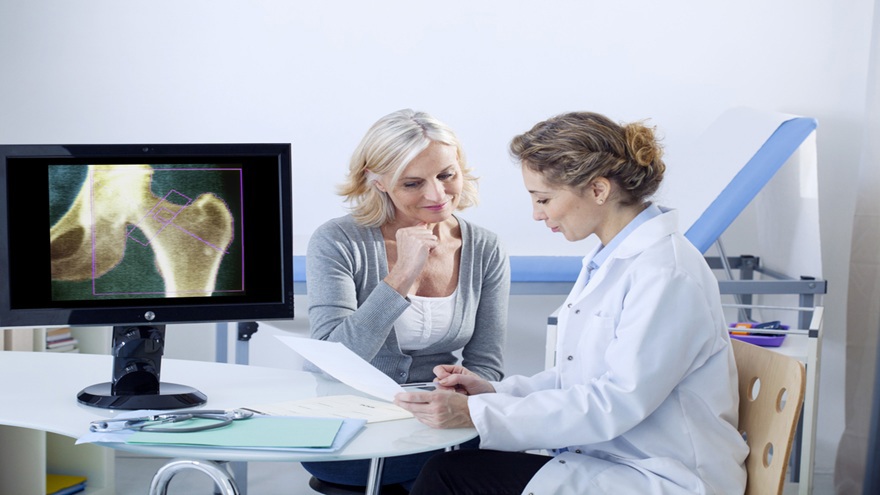
Protecting Bone Health During Menopause: Expert Guidance
Menopause is a natural stage of life, but it brings with it a number of physiological changes that can impact a woman's health in significant ways. One of the most serious, yet often overlooked, concerns during menopause is the loss of bone density, which can lead to conditions such as osteopenia and osteoporosis. At Second Spring Women’s Clinic in Gangnam, Seoul, we are committed to helping women understand, prevent, and manage menopause-related bone loss through a combination of advanced diagnostic tools, expert medical care, and personalized treatment plans.
Understanding the Connection Between Menopause and Bone Health
Bones are living tissue, constantly being broken down and rebuilt. During a woman’s reproductive years, estrogen plays a crucial role in maintaining this balance by helping to slow down the breakdown of bone. However, during menopause, estrogen levels fall dramatically, causing bone breakdown to outpace bone formation. This leads to a decrease in bone mineral density (BMD) and a higher risk of fractures, especially in the hips, spine, and wrists.
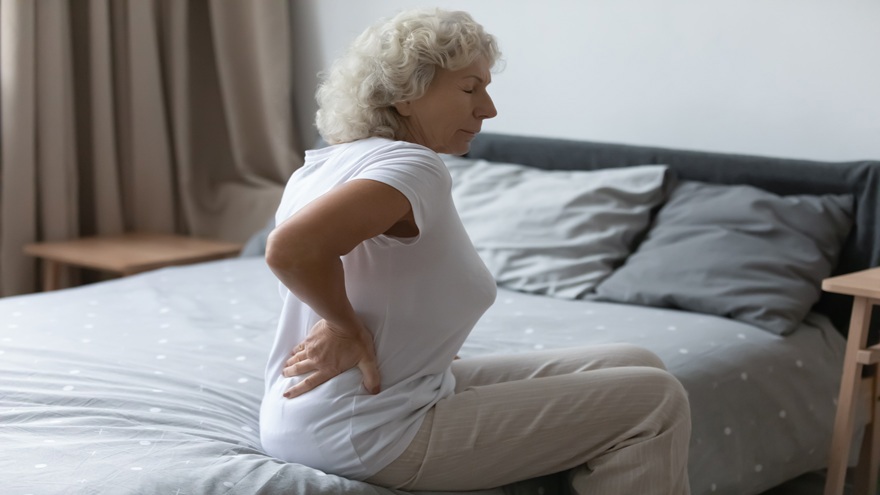
Research indicates that women can lose up to 20% of their bone density in the first five to seven years following menopause. While this process may be silent and painless in the beginning, it significantly increases the risk of serious injuries later in life.
The Silent Nature of Bone Loss
Bone loss during menopause often goes unnoticed until a fracture occurs. It is sometimes called a "silent disease" because it doesn’t typically present noticeable symptoms until significant damage has already occurred. However, some early signs may include:
Loss of height over time
A stooped posture
Back pain, often caused by a collapsed vertebra
Bones that break more easily than expected
Recognizing these signs early and taking preventive steps is critical to maintaining lifelong mobility and independence.
Who Is at Risk?
While all postmenopausal women are at increased risk for bone loss, several factors can further elevate this risk:
Early menopause (before age 45)
Family history of osteoporosis or fractures
Low body weight or small frame
Lack of physical activity
Smoking and excessive alcohol consumption
Poor calcium and vitamin D intake
Certain medications such as corticosteroids
At Second Spring Women’s Clinic, our approach begins with identifying individual risk factors through a comprehensive health assessment.
How We Protect Your Bone Health at Second Spring?
Led by Dr. Seon-Hwa Jeong, a board-certified obstetrician-gynecologist with extensive experience in menopausal care and preventive medicine, our clinic offers a holistic, personalized approach to bone health during and after menopause. Here are the key components of our care:
1. Personalized Risk Assessment
Every patient is different. During your consultation, we consider a wide range of factors to understand your unique risk profile. These include:
Menopausal status and age
Family and medical history
Hormone levels
Lifestyle habits (diet, exercise, sleep, stress)
Current medications
This detailed evaluation allows us to develop a tailored strategy that fits your health needs and lifestyle.
2. DEXA Bone Density Testing
To accurately measure bone strength, we use Dual-Energy X-ray Absorptiometry (DEXA) scans. This is the gold standard for diagnosing osteopenia and osteoporosis. The scan is quick, painless, and provides precise information about bone mineral content, particularly in the spine and hip areas.
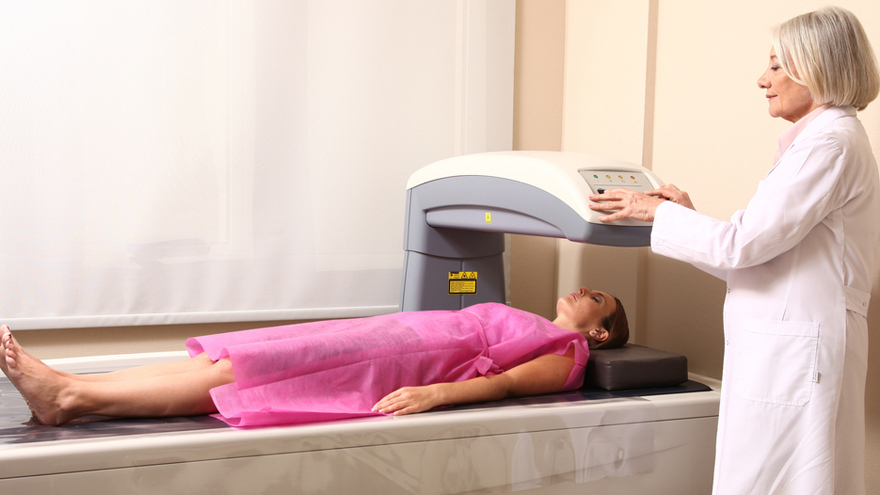
Regular bone density testing enables us to track changes over time and adjust your treatment plan proactively.
3. Hormone Therapy (When Appropriate)
Because estrogen plays a key role in bone health, hormone replacement therapy (HRT) can be an effective tool in preventing postmenopausal bone loss. At Second Spring, we offer:
Bioidentical hormone therapy tailored to your body’s needs
Careful monitoring for safety and efficacy
Minimally invasive treatment options
HRT is not suitable for everyone, so we make recommendations based on a thorough assessment of your medical history and risk factors.
4. Nutritional Guidance and Supplementation
Strong bones require the right nutrients. Our team provides dietary counseling and, when necessary, prescribes supplements to ensure your body has what it needs to maintain bone strength. We focus on:
Calcium: Vital for bone structure. Women over 50 need about 1,200 mg daily.
Vitamin D: Enhances calcium absorption. We recommend safe sun exposure, dietary sources, and supplementation if needed.
Magnesium, Vitamin K2, and protein: Also important for bone formation and maintenance.
We educate patients on food sources, portion control, and how to incorporate bone-supportive foods into daily meals.
5. Physical Activity Recommendations
Exercise is one of the most effective non-pharmacological methods for maintaining bone density. We guide patients through customized fitness plans that include:
Weight-bearing activities like walking, jogging, or dancing
Resistance training using weights or bands
Balance exercises such as yoga or tai chi to reduce fall risk
These routines are designed to be safe, enjoyable, and sustainable, even for women who are new to regular exercise.
6. Lifestyle Coaching
Lifestyle habits have a powerful effect on bone health. Our clinic provides ongoing support to help patients make positive, lasting changes, including:
Quitting smoking, which accelerates bone loss
Reducing alcohol intake, which interferes with calcium absorption
Improving sleep quality, as poor sleep has been linked to lower bone density
Managing stress, which affects hormone levels and inflammation
We work closely with patients to develop achievable goals and provide the encouragement needed to stay on track.
Innovative Care Backed by Compassion
What sets Second Spring Women’s Clinic apart is not only our use of cutting-edge medical technology and evidence-based treatments, but also our commitment to patient-centered care. We believe that each woman deserves the time, attention, and resources necessary to thrive during menopause and beyond.
Our clinic environment is welcoming and private, and we offer services in both Korean and English, making us a trusted provider for both local and international patients. Whether you’re visiting us for the first time or continuing long-term care, you can expect compassionate, personalized service every step of the way.
Empowering Women to Take Control of Their Health
Bone health is a critical but often under-discussed aspect of women’s wellness during menopause. By identifying risk factors early and providing comprehensive, individualized care, we help women prevent fractures, preserve mobility, and maintain a high quality of life.

At Second Spring Women’s Clinic, your health is our highest priority. Our goal is to help you feel strong, confident, and supported throughout your menopausal journey and well into the years that follow.
Take the First Step Today
If you are perimenopausal, postmenopausal, or simply want to better understand your bone health, we encourage you to schedule a consultation with our expert team. Protecting your bones now means fewer limitations later.
Book your visit today and take the first step toward lifelong strength and vitality.