Women's Healthcare Guided by an Experienced OB/GYN Specialist in Seoul
en-US
Should You Get the HPV Vaccine If You’ve Had an Abnormal Pap Smear?
Had an abnormal Pap smear? Find out if the HPV vaccine is still recommended and how it may protect you. Learn more in this expert-backed guide.

Introduction

Many women feel anxious when they receive an abnormal Pap smear result. The first thought is often, “Does this mean I already have HPV or even cancer?” The second question that naturally follows is, “Would getting the HPV vaccine still help me at this stage?”
At Second Spring Women’s Clinic in Gangnam, we frequently see patients who believe it is “too late” for vaccination once an abnormal result shows up. Thankfully, this is not always true. In fact, research suggests that the HPV vaccine can still provide important protection—even if you’ve already had HPV or cervical cell changes.
In this article, we’ll walk you through what an abnormal Pap smear means, how the HPV vaccine works, and why vaccination may still be beneficial for many women after an abnormal result.
Understanding the Pap Smear and HPV
To understand why the HPV vaccine can still play a role after abnormal results, it helps to review what Pap smears and HPV testing actually measure.
What a Pap smear does: A Pap smear (or Pap test) is a simple screening tool that checks for abnormal or precancerous cells on the cervix. It does not diagnose cancer, but it can catch early cell changes before they progress.
What HPV is: HPV (human papillomavirus) is the most common sexually transmitted infection in the world. There are over 100 strains, and about 14 are considered “high-risk” because they are associated with cervical, vaginal, vulvar, anal, penile, and throat cancers. Low-risk strains can cause genital warts but are not linked to cancer.
Why Pap smears and HPV are connected: In most cases, abnormal Pap smear results are related to HPV infection. However, inflammation, hormonal changes, or other infections can also sometimes cause cell changes.
Key point: An abnormal Pap smear does not necessarily mean you have cancer. It usually means there are mild changes that need follow-up, and HPV is often the underlying cause.
Can You Get the HPV Vaccine After an Abnormal Pap Smear?
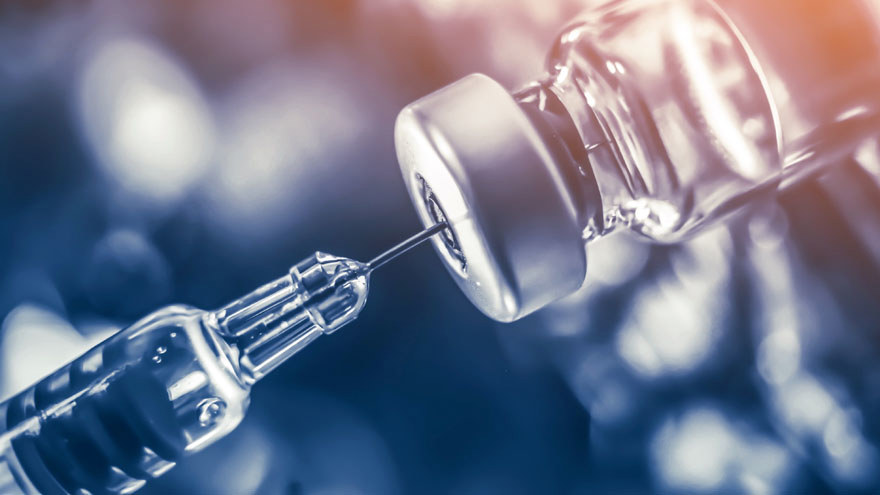
The short answer: yes.
Many women believe that the HPV vaccine is only for teenagers or women who have never been sexually active. While it’s true that the vaccine works best before HPV exposure, it can still provide meaningful benefits after an abnormal Pap smear.
Here’s why:
Protection against multiple strains: The HPV vaccine protects against several different high-risk and low-risk strains. Even if you have been exposed to one or two strains, the vaccine can protect you from others you haven’t encountered yet.
Reduced risk of recurrence: Studies show that women who receive the HPV vaccine after treatment for abnormal cervical cells (such as LEEP or laser surgery) have a significantly lower risk of recurrence.
Broader prevention: HPV isn’t just linked to cervical cancer. The vaccine also lowers your risk of vulvar, vaginal, anal, and oropharyngeal (throat) cancers, as well as genital warts.
However, it’s important to understand that the HPV vaccine cannot treat existing infections or abnormal cervical cells. Instead, it works as a preventive shield against new infections and reduces the chance of future problems.
Who Should Consider It?
Whether the HPV vaccine is right for you depends on your age, medical history, and lifestyle. Here’s a breakdown:
Women up to age 26
Strongly recommended by health authorities worldwide, including the CDC and WHO.
Even if you’ve had an abnormal Pap smear or tested positive for HPV, vaccination can still protect you against other strains.
Greatest overall benefit in this age group.
Women ages 27–45
The HPV vaccine is approved for use up to age 45.
Benefit is considered more individualized: if you’re in this group, your doctor will evaluate factors such as your sexual activity, relationship status, medical history, and any prior treatments.
Women in long-term monogamous relationships may have less to gain, while those at risk of future HPV exposure may see significant benefit.
Women over 45
The vaccine is generally not recommended, as most people have already been exposed to HPV strains by this age.
However, ongoing cervical screening remains essential.
Key takeaway: If you’re under 45, it’s worth having a conversation with your gynecologist about whether HPV vaccination is right for you—even if you’ve already had abnormal Pap results.
Why Vaccination Matters After Abnormal Results
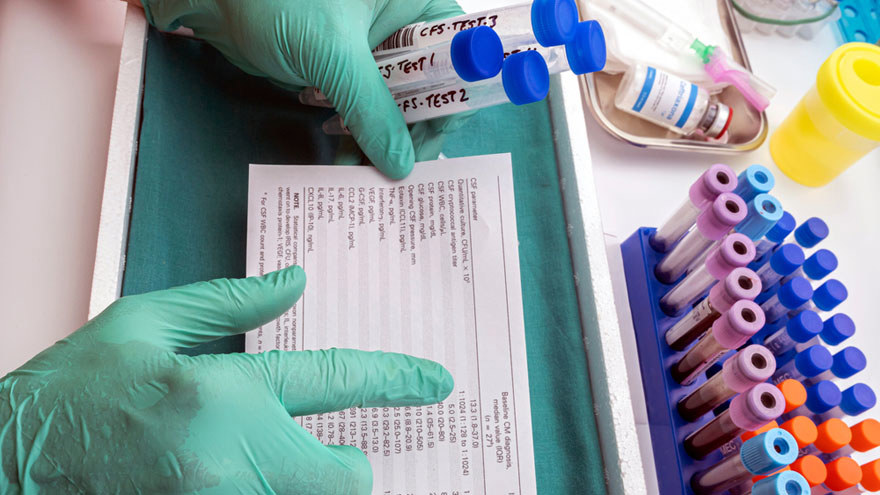
Abnormal Pap smears can feel discouraging, but vaccination offers a proactive step toward protecting your future health. Research increasingly shows that the HPV vaccine provides benefits even after abnormal results or treatment.
Lower recurrence after treatment: Women treated for CIN (cervical intraepithelial neoplasia) who also receive the HPV vaccine have about a 60% lower risk of recurrence compared with those who do not vaccinate.
Long-term protection: The vaccine provides lasting immunity against covered HPV strains, offering ongoing protection for years.
Comprehensive coverage: Modern vaccines like Gardasil 9 protect against nine HPV strains, including seven high-risk and two low-risk types responsible for the majority of HPV-related diseases.
This means that even if you already have one HPV strain, vaccination can still protect you from the others—and lower your long-term risk of HPV-related diseases.
Common Questions About HPV Vaccination After Abnormal Pap
1. Does the vaccine clear HPV infections I already have?
No. The vaccine prevents new infections but cannot eliminate an infection you’ve already contracted.
2. If my Pap smear was abnormal, does that mean I definitely have HPV?
Not necessarily. While HPV is the most common cause, sometimes inflammation or non-HPV-related factors can cause abnormal results.
3. I had a LEEP procedure. Should I still get vaccinated?
Yes. Research suggests that vaccination after treatment reduces the risk of abnormal cells coming back.
4. What if I plan to have children soon?
The HPV vaccine is safe for women of reproductive age. It is not recommended during pregnancy, but you can safely receive it before conception or after delivery.
5. Are there side effects?
Most side effects are mild, such as temporary arm soreness, redness, or mild fever. Serious side effects are very rare.
The Second Spring Approach
At Second Spring Women’s Clinic, we believe that women deserve clear, evidence-based answers and compassionate care. If you’ve had an abnormal Pap smear, our team provides:
Personalized consultations: We review your Pap smear results, HPV test status, medical history, and fertility goals before recommending vaccination.
Advanced follow-up care: We offer comprehensive cervical screening, colposcopy, and minimally invasive treatments to preserve fertility and vaginal health.
Fertility-preserving options: For women who need treatment for cervical changes, we prioritize methods that safeguard your reproductive potential.
Ongoing support: Vaccination is just one step—regular Pap smears, HPV testing, and personalized care are key to lifelong cervical health.
Dr. Seon-Hwa Jeong, our lead gynecologist, has deep expertise in fertility preservation and women’s health. She and our team stay up to date on the latest research so you can feel confident in your choices.
Practical Steps If You’ve Had an Abnormal Pap Smear
If you’re considering vaccination after an abnormal result, here’s what to do:
Confirm your results – Ask your doctor what kind of abnormality was found (mild changes, precancerous cells, or other).
Check if HPV testing was done – A Pap smear may be combined with an HPV test, which clarifies whether high-risk strains are present.
Discuss your treatment plan – If treatment is needed, ask about vaccination as part of your follow-up care.
Consider your age and risk factors – If you’re under 45, vaccination may still be worthwhile.
Schedule your vaccine series – The vaccine is given in 2–3 doses depending on age and medical history.
Takeaway
An abnormal Pap smear can feel overwhelming, but it does not mean your health is out of your control. The HPV vaccine remains a powerful tool for protection, even after abnormal results or treatment. By preventing infection from other strains and lowering recurrence risks, vaccination helps safeguard your long-term cervical and reproductive health.
At Second Spring Women’s Clinic in Gangnam, we are here to guide you through every step—from screening and diagnosis to prevention and follow-up. If you’ve had an abnormal Pap smear and are wondering whether HPV vaccination is right for you, schedule a consultation with our team. Together, we’ll create a personalized plan to protect your health and future.