Women's Healthcare Guided by an Experienced OB/GYN Specialist in Seoul
en-US
The Best Diet for Managing Menopausal Symptoms
Discover the best diet for managing menopausal symptoms. Learn how nutrition can ease hot flashes, mood swings & more. Start feeling better today!

Introduction
Menopause brings a natural transition in a woman’s life, but it often arrives with disruptive symptoms like hot flashes, night sweats, mood changes, and stubborn weight gain. While these changes are inevitable, the way we respond to them can make a significant difference.

One powerful, natural tool? Diet. Increasingly, research shows that the right foods can help reduce symptoms, support hormone balance, and improve overall wellbeing during this stage of life.
As more women turn to nutritional solutions globally, clinics like Second Spring Women’s Clinic in Seoul are at the forefront of guiding patients toward customized, hormone-supportive dietary plans rooted in science and care.
How Hormones Shift During Menopause
As menopause approaches, estrogen and progesterone levels decline. These hormones regulate everything from mood and metabolism to bone strength. Their drop can lead to hot flashes, sleep disturbances, and increased belly fat.
Lower estrogen also affects insulin sensitivity, often resulting in weight gain even without dietary changes. Blood sugar becomes harder to regulate, which can lead to energy crashes and sugar cravings.
Understanding these hormone shifts is crucial. Diet can’t replace hormones, but it can help your body cope—balancing blood sugar, supporting bone health, and easing emotional ups and downs.
At Second Spring Women’s Clinic, nutritional care is tailored to each woman’s hormonal profile and symptoms for optimal results.
The Foundation of a Menopause-Friendly Diet
A healthy menopause diet starts with whole, nutrient-rich foods. Processed and sugary items often make symptoms worse, while real, unprocessed foods support better energy and hormone regulation.
Focus on balanced meals—lean proteins, complex carbs, healthy fats, and plenty of fiber. Timing matters too. Eating at regular intervals helps stabilize blood sugar and reduce irritability and fatigue.
Hydration, mindful eating, and portion control also play a role. It’s not just about eating less—it's about eating smarter for your changing body.
This is the approach taken by the experts at Second Spring Women’s Clinic, where dietary planning goes hand-in-hand with personalized hormonal care.
The Mediterranean Diet: A Gold Standard for Menopause
Among all diets studied, the Mediterranean diet consistently ranks as one of the best for menopause. Rich in vegetables, legumes, whole grains, olive oil, and fish, this diet naturally supports heart health and hormonal balance.
Studies show women following this diet report fewer hot flashes, better mood, and improved weight control. Its anti-inflammatory nature also helps reduce joint pain and fatigue.
It’s not about restriction, but about enjoying wholesome, flavorful foods that nourish your body. The diet is easy to adapt to Korean and global ingredients, making it practical and sustainable.
At Second Spring Women’s Clinic, nutrition plans often incorporate Mediterranean principles, personalized to each woman’s cultural and lifestyle preferences.
Plant-Based Power: Phytoestrogens and Their Role
One of the most exciting dietary tools for menopause is phytoestrogens—plant compounds that mimic the body’s natural estrogen. While not as strong as actual hormones, they can provide mild symptom relief and promote hormonal balance.
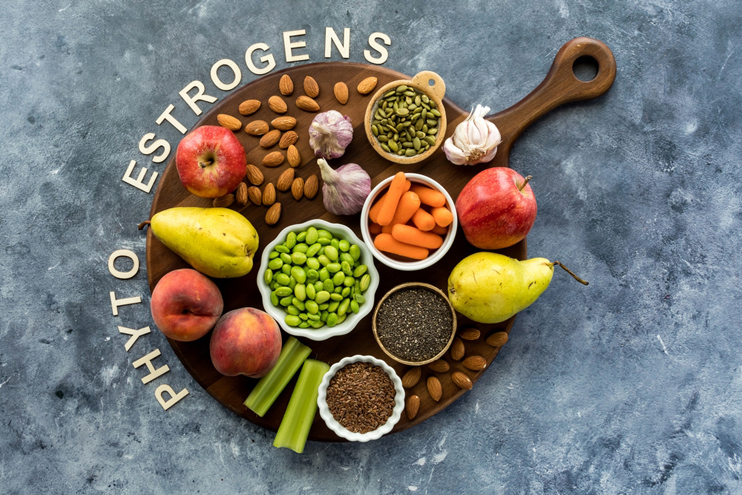
Soy products like tofu, tempeh, and edamame are excellent sources of phytoestrogens, especially isoflavones, which have been shown in studies to reduce hot flashes and improve cholesterol levels. Flaxseeds, lentils, chickpeas, and sesame seeds are other beneficial options.
These foods can be easily added to salads, smoothies, soups, and rice bowls—making dietary integration simple and enjoyable. However, moderation is key, especially for women with a history of hormone-sensitive conditions.
At Second Spring Women’s Clinic, nutrition consultations include education on phytoestrogens and how to use them safely and effectively as part of a hormone-friendly diet.
Essential Nutrients: Calcium, Vitamin D, and Magnesium
Bone health becomes a major concern during menopause due to declining estrogen, which helps maintain bone density. Without it, the risk of osteoporosis increases. That’s why nutrients like calcium, vitamin D, and magnesium are critical.
Calcium is best absorbed from foods such as leafy greens, tofu, sardines, and fortified plant milks. Vitamin D helps the body absorb calcium and is found in fatty fish and sunlight exposure. For those in urban settings or with limited sun, supplements may be needed.
Magnesium is often overlooked but supports sleep, mood, and muscle relaxation—common challenges during menopause. You can find it in foods like nuts, seeds, legumes, and dark chocolate.
Second Spring Women’s Clinic works with patients to assess nutrient levels and provide a diet plan or supplementation strategy tailored to their specific needs.
Healthy Fats for Hormonal Balance
Contrary to old diet myths, healthy fats are essential—especially during menopause. They’re key for hormone production, inflammation control, and brain health.
Focus on omega-3 fatty acids, which support mood and reduce joint pain. Great sources include salmon, mackerel, chia seeds, and walnuts. Monounsaturated fats from olive oil, avocados, and nuts also support cardiovascular and hormonal health.
Avoid trans fats and overly processed oils, which can contribute to inflammation and weight gain. The right fats not only support hormones but also improve skin elasticity, which often diminishes during this stage of life.
The dietary programs at Second Spring Women’s Clinic emphasize incorporating these nourishing fats daily—without fear or guilt, just smart balance.
Fighting Fatigue and Brain Fog with Smart Carbs
Brain fog, fatigue, and mood swings are frequent complaints during menopause. One reason? Blood sugar instability caused by both hormonal shifts and poor carb choices.
Rather than cutting carbs completely, focus on smart carbohydrates—the ones that digest slowly and stabilize energy. These include sweet potatoes, oats, quinoa, brown rice, and beans. They are rich in fiber, which also supports digestive health and hormone detoxification.
Refined carbs like white bread, pastries, and sugary snacks cause quick energy spikes and crashes, leading to worsened fatigue and irritability. Limiting them can significantly improve focus and emotional stability.
At Second Spring Women’s Clinic, patients receive individualized dietary coaching to manage symptoms with the right kind of carbs, often improving clarity and mood within just a few weeks.
What to Avoid: Foods That Can Worsen Symptoms
Just as some foods help ease menopausal symptoms, others can exacerbate them significantly. Knowing what to avoid—or limit—can make a noticeable difference in your daily comfort.
Caffeine and alcohol are two common culprits that can trigger hot flashes, disrupt sleep, and contribute to mood swings. Similarly, spicy foods and refined sugars can spike blood sugar and increase the frequency and severity of symptoms like night sweats and irritability.
Processed foods containing additives, preservatives, and trans fats are also problematic. They promote inflammation, which may intensify joint pain and fatigue. Even foods labeled “diet” or “low-fat” may contain artificial sweeteners that disrupt gut health and hormones.
Patients at Second Spring Women’s Clinic are guided step-by-step through an elimination process. Many are surprised to find that cutting back on a few key items can lead to better sleep, fewer mood swings, and an overall sense of wellbeing—without feeling deprived.
Sample Meal Plan for Menopause Relief
Creating a meal plan that supports hormonal health doesn’t have to be restrictive—it can be delicious, colorful, and energizing. Here’s a simplified, one-day sample meal plan built around the principles shared above:

Breakfast: Steel-cut oats with ground flaxseeds, berries, and almond milk
Snack: A handful of walnuts and a slice of apple
Lunch: Grilled tofu salad with mixed greens, chickpeas, olive oil dressing
Snack: Hummus with carrot and cucumber sticks
Dinner: Baked salmon, steamed broccoli, and quinoa
This type of meal plan provides phytoestrogens, healthy fats, fiber, calcium, and omega-3s—all in the right balance. For women with specific dietary preferences or cultural needs, customization is key.
At Second Spring Women’s Clinic, patients receive downloadable, adaptable meal plans, available in multiple languages and suitable for both vegetarian and non-vegetarian lifestyles.
Diet for Weight Management During Menopause
Weight gain during menopause is extremely common, especially around the abdomen. This is partly due to hormonal shifts, but also changes in metabolism, muscle mass, and insulin sensitivity.
Rather than focusing on calorie restriction alone, it’s better to prioritize nutrient-dense, satiating meals. Foods rich in protein, fiber, and healthy fats help stabilize appetite and reduce cravings. Mindful eating practices, such as slowing down during meals and recognizing hunger cues, also play a major role.
Pairing diet with moderate exercise, such as walking, yoga, or resistance training, can further enhance metabolism and mood. This isn’t about quick fixes—it’s about creating sustainable habits that support long-term health.
Second Spring Women’s Clinic addresses both the emotional and physical aspects of weight gain. Their comprehensive approach includes counseling, medical assessments, and hormone-aware nutrition strategies that help women reclaim body confidence.
Keto, Paleo, and Other Trendy Diets: Are They Safe?
In the quest to control weight and symptoms, many women turn to trending diets like keto, paleo, or intermittent fasting. While some aspects of these diets may be helpful, not all are suitable—or safe—during menopause.
The keto diet, for instance, may initially support weight loss but can lead to nutrient deficiencies, constipation, or increased stress hormones in some women. Similarly, intermittent fasting may disrupt blood sugar and sleep if not carefully managed.
The key is not to follow trends blindly. Instead, work with a medical provider to understand your unique hormonal landscape. For some women, a lower-carb approach works well. For others, a more balanced, Mediterranean-style or plant-based approach is better.
At Second Spring Women’s Clinic, dietary plans are tailored to individual labs, symptoms, and preferences—offering a medically supervised path rather than guesswork or internet fads.
Supplements That May Support Your Diet
While food should be your first source of nourishment, supplements can play a helpful supporting role—especially during menopause, when certain nutrient needs increase and absorption may decline.
The most important supplements for menopausal women typically include calcium, vitamin D, magnesium, omega-3 fatty acids, and B-complex vitamins. Calcium and vitamin D work together to maintain bone strength, while magnesium helps improve sleep, reduce muscle cramps, and ease anxiety.
Omega-3s, found in fish oil or algae-based supplements, have strong anti-inflammatory properties and may help reduce hot flashes and depressive symptoms. B-complex vitamins are crucial for energy production and cognitive function, which are often affected during hormonal transitions.
Some women also explore herbal supplements like black cohosh, red clover, or evening primrose oil. While these may offer relief for some, they should be used with caution, especially for individuals with hormone-sensitive conditions.
At Second Spring Women’s Clinic, supplement recommendations are never one-size-fits-all. A full health assessment—including blood tests, medical history, and symptom tracking—is used to determine what’s safe and truly beneficial. This ensures optimal effectiveness while avoiding unnecessary or risky combinations.
Psychological Wellbeing and Food
Menopause doesn’t just affect the body—it has a deep impact on mental and emotional health. Shifts in hormone levels can lead to mood swings, anxiety, irritability, and even depression. These experiences are valid and very common, but they’re also manageable—starting with what’s on your plate.
Emerging research supports the gut-brain connection, showing that gut health influences mood, cognition, and emotional stability. Probiotic-rich foods like yogurt, kimchi, sauerkraut, and miso feed beneficial gut bacteria, which in turn help regulate neurotransmitters like serotonin and dopamine.
In addition, foods high in tryptophan (like turkey, eggs, seeds, and oats) can help boost serotonin production naturally. Stable blood sugar, fueled by regular meals with complex carbs and fiber, helps reduce irritability and prevent emotional crashes.
Second Spring Women’s Clinic offers not just physical treatment but emotional support services as part of their holistic care. Whether it’s dietary guidance, therapeutic counseling referrals, or stress-management strategies, the clinic empowers women to care for both mind and body during this transition.
Why Choose Second Spring Women’s Clinic for Menopause Support
What truly sets Second Spring Women’s Clinic apart is its specialized, patient-first approach to managing menopause through both medical care and lifestyle modification.
Located in the heart of Gangnam, Seoul, the clinic combines cutting-edge technology with a deeply compassionate philosophy. Under the leadership of Dr. Seon-Hwa Jeong, a renowned OB-GYN with expertise in hormone health and fertility preservation, the clinic supports women at every life stage—including this vital one.
Patients receive individualized assessments, dietary consultations, lab testing, and treatment plans that reflect both modern science and holistic wisdom. The clinic’s signature services, including 3D laser vaginal treatments, are complemented by lifestyle counseling, ensuring women leave not just treated—but transformed.
International patients are also welcome. With its proximity to Incheon International Airport, multi-language services, and modern, spa-like environment, Second Spring Women’s Clinic is a trusted destination for women around the world seeking personalized menopause care.
Whether you are newly entering perimenopause or deep into postmenopause, the clinic offers clarity, compassion, and clinical excellence to help you thrive during your second spring.
Conclusion
Menopause marks a powerful transition—a natural shift that deserves both respect and thoughtful support. While it can bring physical and emotional discomfort, it also offers a chance to reconnect with your body and nourish it with intention.
A balanced, hormone-supportive diet can help ease hot flashes, stabilize mood, support weight management, and strengthen bones. Combined with safe supplements, lifestyle changes, and compassionate care, food becomes more than fuel—it becomes medicine.
At Second Spring Women’s Clinic, every woman’s journey through menopause is met with expertise, empathy, and empowerment. With personalized plans, science-backed strategies, and a supportive community, you’re not just surviving menopause—you’re stepping into a vibrant new season of life.
If you’re ready to take control of your symptoms and feel more like yourself again, we invite you to schedule a comprehensive consultation at Second Spring Women’s Clinic. Let your second spring begin—with strength, support, and optimal health.