Women's Healthcare Guided by an Experienced OB/GYN Specialist in Seoul
en-US
The Best Diet for Women’s Hormonal Health
Discover the best diet for women's hormonal health. Learn key foods to balance hormones and boost overall wellness. Start your journey to better health today!
Introduction
Hormones are the body’s messengers, influencing nearly every aspect of our health, from mood and energy to metabolism, skin, and reproductive functions. For women, hormonal health is especially important because it affects everything from menstruation to fertility and even menopause. Hormonal imbalances are common and can have wide-ranging effects, such as irregular periods, weight gain, mood swings, and decreased libido.
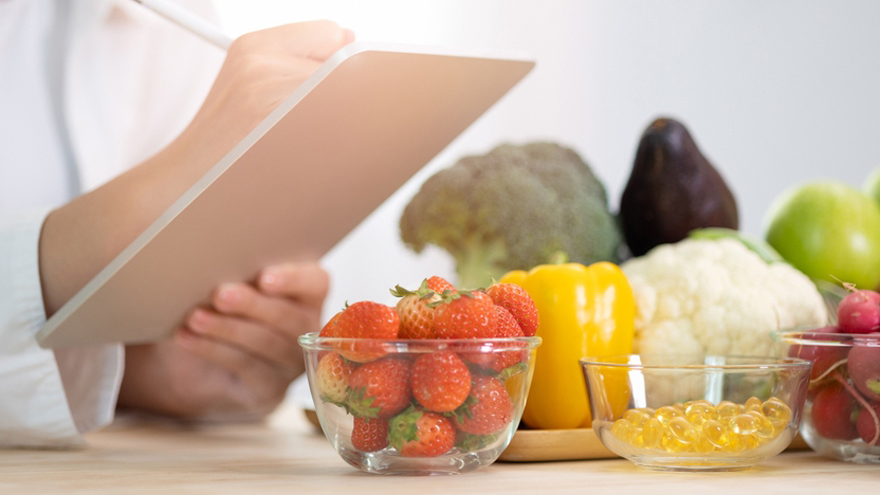
One of the most effective ways to support your hormonal health is through a balanced, nutrient-rich diet. The foods you eat can either support or disrupt your hormone balance. Maintaining a healthy diet that includes the right nutrients can help regulate hormones, reduce symptoms of hormonal imbalances, and improve overall wellness.
In this article, we will explore the connection between diet and hormonal health, focusing on essential nutrients, the best foods for balancing hormones, and strategies for managing hormonal issues through diet. We’ll also discuss how making dietary changes can help women at various stages of life maintain optimal hormonal health.
The Connection Between Hormones and Nutrition
Our body’s hormonal system is highly complex, and diet plays a significant role in maintaining hormonal balance. Certain foods contain specific nutrients that can help support hormone production and regulation. On the other hand, an improper diet, rich in processed foods and refined sugars, can contribute to imbalances, leading to conditions like insulin resistance, thyroid issues, and estrogen dominance.
In particular, a healthy diet supports the endocrine system, which is responsible for producing hormones. The endocrine system includes glands like the thyroid, adrenal glands, and ovaries. These glands rely on certain nutrients to function optimally. Additionally, the liver helps detoxify excess hormones, and a balanced diet helps ensure the liver performs this vital task efficiently.
By focusing on a nutrient-rich diet, women can help regulate hormones naturally. Key nutrients that are particularly beneficial for hormonal health include healthy fats, proteins, vitamins, and minerals, all of which work together to keep the endocrine system in balance.
Essential Nutrients for Women’s Hormonal Health
When it comes to supporting hormonal health, a variety of nutrients are essential for women. These nutrients are necessary for hormone production, regulation, and detoxification, helping to balance estrogen, progesterone, and other critical hormones.
Omega-3 Fatty Acids
Omega-3 fatty acids are crucial for hormone production, reducing inflammation, and improving overall hormonal balance. These healthy fats, found in foods like salmon, walnuts, chia seeds, and flaxseeds, also support brain health and reduce stress, which can be beneficial for women experiencing hormonal fluctuations, particularly during menopause or PMS.
Magnesium
Magnesium is a vital mineral that plays a significant role in managing stress and regulating cortisol levels. It’s also crucial for energy production and muscle function. Low magnesium levels can contribute to fatigue, mood swings, and difficulty sleeping—common symptoms of hormonal imbalances. Foods rich in magnesium include leafy green vegetables, nuts, seeds, and whole grains.
Vitamin D
Vitamin D is essential for estrogen regulation and reproductive health. It plays a critical role in the balance of both estrogen and progesterone, two hormones central to the menstrual cycle. Adequate vitamin D levels are linked to better fertility, improved mood, and stronger bones. Sunlight is the best natural source of vitamin D, but you can also find it in fortified dairy, egg yolks, and fatty fish.
B Vitamins
B vitamins, particularly B6, are essential for regulating hormones and alleviating symptoms of PMS. Vitamin B6 supports the production of serotonin, a neurotransmitter that helps regulate mood. It also plays a role in the synthesis of progesterone, which is necessary for maintaining a balanced menstrual cycle. Foods rich in B vitamins include whole grains, poultry, eggs, and leafy greens.
The Best Foods for Hormonal Balance
Certain foods are particularly beneficial for supporting hormonal health. These foods help regulate blood sugar, provide key nutrients, and improve the function of the endocrine system.

Leafy Greens and Cruciferous Vegetables
Leafy greens like spinach, kale, and swiss chard are packed with magnesium, folate, and fiber—essential nutrients for hormonal balance. Cruciferous vegetables, including broccoli, cauliflower, and Brussels sprouts, help detoxify excess estrogen from the body. These vegetables contain compounds like sulforaphane that support liver function and improve estrogen metabolism.
Healthy Fats
Healthy fats are vital for the production of hormones like estrogen and progesterone. Avocados, olive oil, and nuts are excellent sources of unsaturated fats that nourish the body and support hormone production. Omega-3 fatty acids, found in fatty fish like salmon, sardines, and mackerel, are particularly important for reducing inflammation and supporting balanced hormone levels.
Protein-Rich Foods
Protein is essential for stabilizing blood sugar and supporting hormone production. Women with hormonal imbalances often struggle with insulin resistance, which can lead to weight gain and further hormonal disruption. By consuming lean proteins like chicken, turkey, fish, and plant-based proteins like beans and lentils, women can help regulate their blood sugar levels, improving hormonal balance.
Whole Grains
Whole grains like quinoa, brown rice, and oats are rich in fiber, which helps stabilize blood sugar levels and reduces the risk of insulin resistance. Fiber also supports gut health, which plays a crucial role in hormone regulation. A balanced gut microbiome helps metabolize and excrete excess hormones, ensuring that your hormonal system functions smoothly.
Foods to Avoid for Hormonal Health
While there are many foods that support hormonal balance, there are also foods that can disrupt it. These include processed foods, sugar, caffeine, and certain allergens. By being mindful of what you eat, you can avoid exacerbating hormonal imbalances.
Processed Foods and Sugars
Highly processed foods, rich in refined sugars and unhealthy fats, can cause insulin spikes and lead to insulin resistance. This can create a cascade of hormonal issues, including increased estrogen levels and weight gain. Foods high in refined sugars can also trigger inflammation, which can worsen conditions like PCOS, endometriosis, and thyroid imbalances.
Caffeine and Alcohol
Excessive caffeine and alcohol consumption can increase cortisol levels, a stress hormone that can interfere with the body’s ability to produce other hormones like estrogen and progesterone. Chronic high cortisol levels can also disrupt sleep patterns, leading to a cycle of fatigue and poor hormonal health. If you’re dealing with hormonal imbalances, it’s wise to limit caffeine and alcohol intake, especially during stressful times.
Dairy and Gluten Sensitivities
While dairy and gluten are not inherently bad for everyone, they can contribute to hormonal disruptions for some women. Dairy products can increase insulin-like growth factor (IGF-1), a hormone that may exacerbate acne and other hormonal conditions. Additionally, gluten can cause inflammation in the gut, potentially leading to hormonal imbalances, particularly during menopause or PMS.
Dietary Strategies for Specific Hormonal Issues
Diet can be tailored to support women at different stages of hormonal changes, from managing PMS symptoms to supporting hormonal balance during menopause. Here are some dietary strategies for addressing specific hormonal issues:
Diet for Menstrual Health
A balanced diet can help regulate the menstrual cycle and ease the symptoms of premenstrual syndrome (PMS). Foods rich in magnesium, like leafy greens and nuts, help alleviate cramps, while vitamin B6-rich foods, such as chickpeas and turkey, can ease mood swings and irritability. Consuming foods that regulate blood sugar, such as whole grains and protein-rich foods, can reduce fatigue and stabilize energy levels.
Diet for Estrogen Imbalance
Estrogen dominance or deficiency can have a significant impact on women’s health, leading to issues like weight gain, fatigue, and irregular periods. Cruciferous vegetables like broccoli and cauliflower contain compounds that help detoxify excess estrogen from the body. Phytoestrogens, found in foods like soy, flaxseeds, and sesame seeds, can mimic estrogen in the body and help balance estrogen levels naturally. For women with estrogen deficiency, incorporating healthy fats such as avocado, nuts, and olive oil can support estrogen production.
Diet for Menopause
During menopause, fluctuating hormone levels can lead to symptoms such as hot flashes, night sweats, mood swings, and sleep disturbances. A diet rich in phytoestrogens and omega-3 fatty acids can alleviate these symptoms. Foods like flaxseeds, soy products, and fatty fish can help support hormonal balance during this time. Additionally, magnesium-rich foods can support better sleep, and vitamin D can help maintain bone health, which is important as estrogen levels decline during menopause.
The Role of Hydration in Hormonal Health
Hydration plays a vital role in maintaining overall health, including hormonal balance. Dehydration can affect many processes in the body, including the regulation of hormones.
Importance of Water for Hormones
Water is essential for detoxifying excess hormones and supporting the transportation of nutrients throughout the body. When you’re dehydrated, the liver, which helps metabolize hormones, doesn’t function as efficiently. Dehydration also affects kidney function, which is important for flushing out toxins that could disrupt hormonal balance.
Herbal Teas and Hydration
Certain herbal teas, such as peppermint, chamomile, and ginger tea, not only hydrate but also help regulate hormones. Peppermint tea, for instance, can help soothe symptoms of PMS, while chamomile has calming effects that can alleviate stress, which is often a trigger for hormonal imbalances. Ginger is known for its anti-inflammatory properties and can help regulate blood sugar levels, which plays a role in hormonal health.
Meal Planning for Hormonal Health
When it comes to supporting hormonal health, consistency is key. Meal planning that incorporates hormone-balancing foods is an excellent way to ensure that you’re nourishing your body with the nutrients it needs to maintain healthy hormone levels.
Balanced Meal Plan
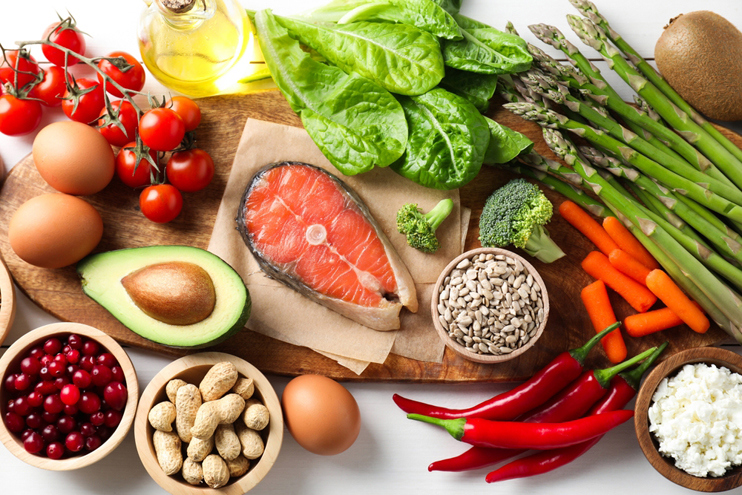
A balanced meal plan for hormonal health includes protein, healthy fats, fiber, and a variety of fruits and vegetables. For example, a meal plan might include:
Breakfast: A smoothie with spinach, chia seeds, almond milk, and berries (rich in antioxidants and healthy fats)
Lunch: Grilled chicken with quinoa, avocado, and a side of steamed broccoli (provides lean protein, fiber, and detoxifying cruciferous vegetables)
Dinner: Baked salmon with roasted sweet potatoes and a mixed greens salad (rich in omega-3s and magnesium)
Snacks: A handful of walnuts or pumpkin seeds (good sources of omega-3s and magnesium)
Snacks for Hormonal Health
Snacking on hormone-supportive foods can keep blood sugar levels stable and reduce cravings. Healthy snacks include nuts, seeds, and fruits like apples and berries. These snacks are packed with fiber and antioxidants that support overall hormonal balance.
Sample Recipes
Here are some simple, hormone-balancing recipes:
Salmon Salad: Combine grilled salmon with mixed greens, avocado, olive oil, and a squeeze of lemon for a rich source of omega-3s, healthy fats, and antioxidants.
Quinoa Bowl: Mix cooked quinoa with roasted vegetables like sweet potatoes and Brussels sprouts, and top with a drizzle of olive oil and pumpkin seeds for added magnesium and fiber.
Avocado Toast: Whole-grain toast with mashed avocado, topped with a sprinkle of chia seeds and a dash of olive oil for a satisfying, hormone-supportive snack.
Supplements for Hormonal Health
While diet is the primary way to support hormonal health, some women may benefit from supplements, especially if they have specific deficiencies or conditions that require extra support.
When to Consider Supplements
Supplements can be particularly helpful for women experiencing hormonal imbalances related to menopause, PMS, or conditions like PCOS. Common supplements that support hormonal health include:
Maca Root: Known to balance estrogen and support libido.
Chaste Tree Berry: Often used to alleviate symptoms of PMS and support progesterone balance.
Evening Primrose Oil: Known to help manage symptoms of estrogen imbalance, such as hot flashes and mood swings.
Choosing the Right Supplements
Before taking any supplements, it's essential to consult with a healthcare provider. They can help identify any specific nutrient deficiencies and recommend the right supplements for your individual needs. Additionally, choosing high-quality supplements is essential to ensure safety and effectiveness.
How Lifestyle Affects Hormonal Health
In addition to diet, several lifestyle factors can influence hormonal health, including exercise, stress management, and sleep quality.
Exercise and Hormones
Regular physical activity helps regulate hormones by improving insulin sensitivity, balancing cortisol levels, and promoting the production of hormones like estrogen and progesterone. A combination of aerobic exercises, strength training, and yoga can help balance hormones and improve mood.
Stress Management
Stress can wreak havoc on hormones, particularly cortisol, which can disrupt other hormones like estrogen and progesterone. To manage stress, consider practices like yoga, meditation, deep breathing, and mindfulness, which have been shown to lower cortisol levels and promote hormonal balance.
Sleep and Hormonal Regulation
Sleep is vital for hormone regulation, particularly for cortisol and growth hormone. A lack of sleep can lead to hormonal imbalances that affect everything from metabolism to mood. Aim for 7-9 hours of quality sleep each night, and establish a bedtime routine to ensure restful sleep.
Hormonal Health During Different Life Stages
Women experience unique hormonal changes at different stages of life, and their nutritional needs evolve accordingly.
Teenagers and Hormonal Health
During puberty, hormonal changes can affect everything from mood to skin health. A diet rich in vitamins, minerals, and healthy fats can help support this phase of growth. Nutrient-dense foods like leafy greens, healthy fats, and lean proteins can help teens navigate hormonal fluctuations.
Pregnancy and Postpartum
Pregnant and postpartum women have unique hormonal needs. Nutrient-rich foods, such as folate, iron, and calcium, are essential for supporting both the mother and the baby’s health. Postpartum women may also experience hormonal shifts, and a well-balanced diet can help restore energy and balance.
Perimenopause and Menopause
Perimenopause and menopause bring significant hormonal changes, often accompanied by symptoms like hot flashes, mood swings, and sleep disturbances. A diet that includes phytoestrogens, omega-3s, and magnesium can help manage these symptoms.
Integrating Hormonal Health into Your Daily Routine
To experience the benefits of a hormone-supporting diet, it’s important to make small, consistent changes to your routine. Start by incorporating more hormone-balancing foods into your meals, drinking plenty of water, and prioritizing stress management.
By tracking your symptoms and diet, you can identify what works best for your individual hormonal needs and make necessary adjustments along the way. Consistency is key to maintaining balanced hormones and overall health.
Why Second Spring Women’s Clinic is the Best Choice for Hormonal Health
For women seeking professional guidance and personalized support in maintaining hormonal health, Second Spring Women’s Clinic is the best choice. With expert care provided by Dr. Seon-Hwa Jeong and her team, the clinic offers comprehensive care tailored to each woman's unique hormonal needs. Whether it’s managing PMS, supporting fertility, or addressing menopausal symptoms, Second Spring Women’s Clinic combines advanced treatments with a holistic approach to women’s health. Their commitment to individualized care ensures that every patient receives the attention they need to restore and maintain optimal hormonal health.
Conclusion
Taking control of your hormonal health through a balanced diet is one of the most effective ways to achieve overall well-being. By incorporating the right foods, managing stress, staying active, and working with healthcare professionals like those at Second Spring Women’s Clinic, women can experience better hormonal balance, improved mood, and enhanced quality of life.
It’s never too late to begin making small dietary changes to support your hormones. Start today by including hormone-balancing foods in your meals and adopting lifestyle habits that foster long-term hormonal health.