Women's Healthcare Guided by an Experienced OB/GYN Specialist in Seoul
en-US
The Birth Control Implant: How It Works & Who Should Consider It
Discover how the birth control implant works, its benefits, and who should consider this effective, long-lasting contraception method for pregnancy prevention.
Introduction
Birth control implants have rapidly gained popularity around the world as one of the most effective and convenient methods of contraception available today. These tiny devices offer women a discreet, hassle-free way to prevent pregnancy for several years without the need for daily attention or frequent clinic visits. Unlike traditional birth control pills or barrier methods, implants provide peace of mind by continuously working under the skin, allowing women to focus on their lives without worrying about unintended pregnancy.
Globally, millions of women choose birth control implants because they combine reliability, convenience, and reversibility—important factors for women in different life stages. The implant is also gaining recognition in South Korea, where innovative medical facilities like Second Spring Women’s Clinic in Seoul provide expert care and advanced technology to ensure safe, personalized contraceptive services. The clinic’s specialized team is committed to helping women understand their options and select the best birth control methods for their unique needs.
Whether you’re a young professional balancing a busy schedule, a new mother considering safe contraception while breastfeeding, or someone exploring long-term family planning options, the birth control implant offers an effective and convenient choice backed by medical expertise.
What Is a Birth Control Implant?
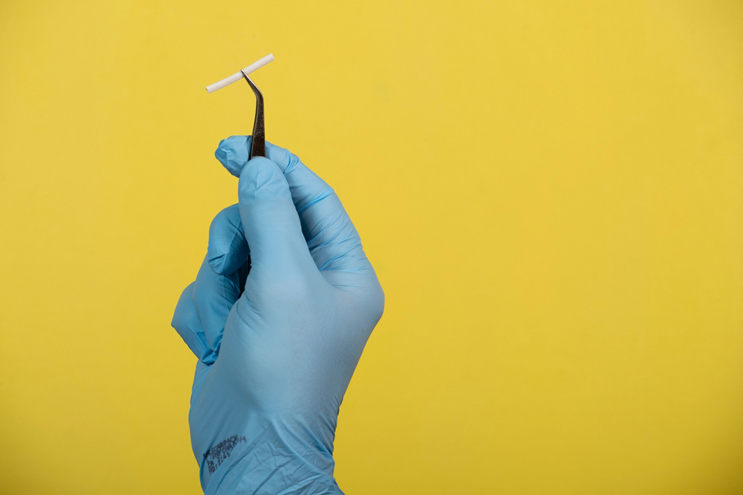
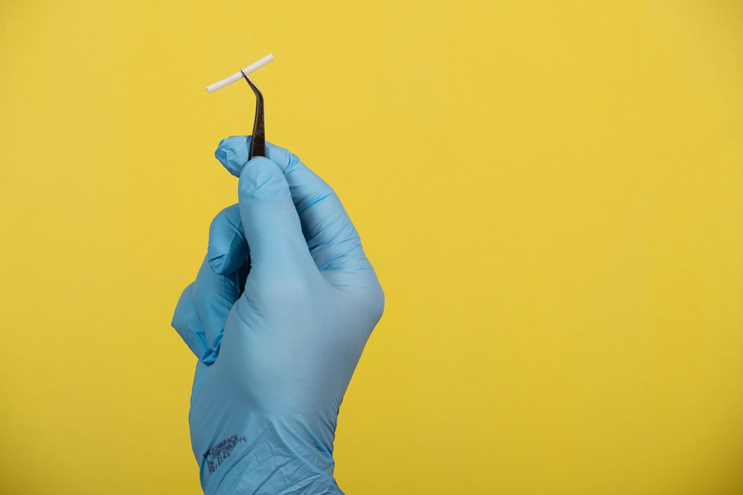
A birth control implant is a small, flexible rod, roughly 4 centimeters long, that a healthcare provider inserts just beneath the skin of your upper arm. Made of soft plastic, it’s about the size of a matchstick and virtually invisible once placed. The device slowly releases a synthetic form of the hormone progestin over time, which prevents pregnancy by acting on several reproductive processes.
Two of the most commonly used implants worldwide are Nexplanon and Implanon. Both are FDA-approved and have undergone extensive clinical testing to ensure safety and efficacy. These implants are designed to be long-lasting, providing contraception for up to three years, although they can be removed earlier if a woman decides she wants to conceive.
Because the implant sits under the skin, it eliminates the need for daily contraceptive pills or monthly injections. It is waterproof and doesn’t interfere with daily activities, exercise, or sexual intercourse. Many women appreciate its discreet nature—no one will know you have it unless you choose to tell them.
The implant has a failure rate of less than 1%, making it one of the most effective birth control methods available. This means it is even more reliable than birth control pills, condoms, or patches, which can have higher rates of user error.
How the Birth Control Implant Works
The key to the birth control implant’s effectiveness lies in the hormone it releases: progestin. Progestin is a synthetic hormone that mimics the natural hormone progesterone, which regulates the menstrual cycle and pregnancy.
Here’s how the implant prevents pregnancy in three primary ways:
Suppressing Ovulation: Normally, a woman’s ovaries release one egg each month in a process called ovulation. Progestin prevents this egg release, so there’s no egg available for fertilization. Without ovulation, pregnancy cannot occur.
Thickening Cervical Mucus: Progestin also thickens the mucus around the cervix, the entrance to the uterus. This thicker mucus acts as a barrier, blocking sperm from swimming through the cervix and reaching any eggs that might be released.
Thinning the Uterine Lining: The hormone also changes the lining of the uterus, making it thinner and less receptive to implantation. Even if fertilization did occur, the likelihood of the fertilized egg attaching and growing in the uterus is significantly reduced.
This triple-action approach makes the birth control implant highly effective. According to studies published by reputable sources such as the American College of Obstetricians and Gynecologists (ACOG), the implant’s failure rate is less than 1% with typical use, matching or exceeding the effectiveness of permanent contraceptive methods like tubal ligation, but without the permanency.
Furthermore, because the implant provides a steady, low dose of hormone, many women experience fewer hormonal fluctuations and side effects compared to methods that deliver higher doses intermittently.
Who Should Consider Getting a Birth Control Implant?
The birth control implant is suitable for a broad spectrum of women, but it’s particularly beneficial for those seeking a long-term, reversible contraceptive solution that requires minimal maintenance. Here are some groups who might find it especially advantageous:
Women Who Prefer Low Maintenance: If you don’t want to worry about taking a pill every day or scheduling monthly shots, the implant offers a “set it and forget it” solution that lasts up to three years. It’s ideal for women with busy lifestyles or memory challenges.
Those Avoiding Estrogen: Unlike combined birth control pills, the implant contains only progestin and no estrogen. This is important for women who cannot take estrogen due to medical conditions like blood clotting disorders, migraines with aura, or breastfeeding.
Breastfeeding Mothers: The implant is considered safe during breastfeeding, as progestin does not affect milk production or quality. It provides effective contraception during this crucial time when pregnancy prevention is especially important.
Teens and Young Adults: Because of its high efficacy and ease of use, many adolescents and young adults benefit from the implant. It eliminates the risk of user error common with pills and condoms, providing reliable protection during a formative time.
Women Over 30: Women in their 30s who want a reliable, long-lasting contraceptive method without the commitment of permanent sterilization often choose the implant. It’s a reversible option that allows family planning flexibility.
Women Seeking Reversibility: If you want to delay pregnancy but plan to conceive in the future, the implant’s effects reverse quickly once removed, with fertility typically returning within weeks.
At Second Spring Women’s Clinic, each patient receives a thorough evaluation and personalized consultation to ensure the implant fits their health profile and reproductive goals. The clinic’s experienced providers take time to discuss benefits, risks, and alternatives to empower women to make informed choices.
The Birth Control Implant Insertion Procedure
Getting a birth control implant is a straightforward and minimally invasive procedure that usually takes less than 15 minutes. It begins with a consultation at a trusted clinic like Second Spring Women’s Clinic, where your medical history is reviewed to ensure the implant is a safe and suitable option for you.
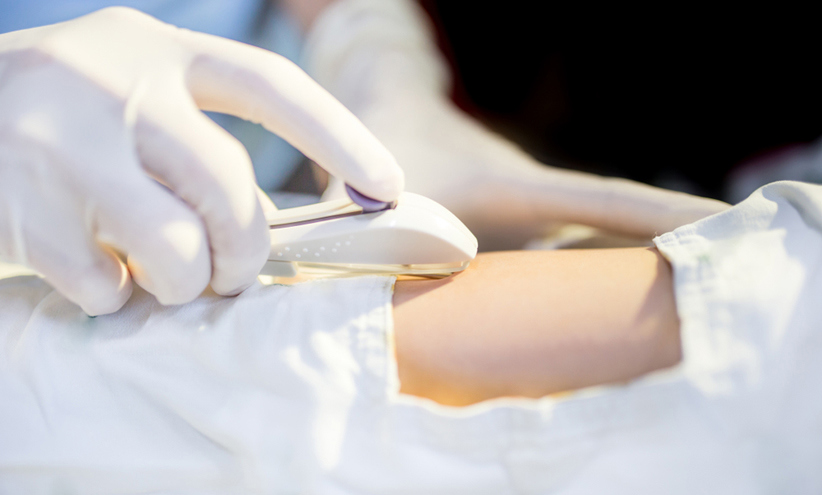
On the day of insertion, the provider will clean and numb a small area on the inner side of your upper arm using a local anesthetic. This numbing step ensures that you experience minimal discomfort during the process. Once the area is numb, a specialized applicator is used to insert the thin, flexible rod just beneath your skin.
You may feel a quick pinch or pressure during insertion, but the procedure is generally well tolerated. After the implant is placed, the provider will check to make sure it is positioned correctly by gently feeling for the rod under your skin. A small bandage or dressing is then applied to protect the site.
Immediately following the procedure, some women notice mild soreness, swelling, or bruising around the insertion area, but these symptoms usually subside within a few days. You can return to your normal activities right away, although avoiding heavy lifting or strenuous exercise with the arm for a day or two is recommended to aid healing.
At Second Spring Women’s Clinic, the insertion is performed by highly trained specialists who use advanced techniques and maintain strict hygiene standards to minimize risks. The clinic also provides clear aftercare instructions and schedules follow-up visits to monitor your recovery and answer any questions.
Duration and Longevity of the Implant
One of the most appealing features of the birth control implant is its long-lasting protection. Once inserted, the implant continuously releases a steady, low dose of progestin hormone for up to three years, providing reliable contraception throughout this period.
Some newer implants are approved for use up to four years, but generally, removal and replacement are recommended at the three-year mark to ensure continued effectiveness. The implant works continuously without requiring any action from the user, offering peace of mind and convenience.
If you decide you want to become pregnant before the three years are up, the implant can be removed at any time, and fertility typically returns quickly—often within a few weeks. On the other hand, if you want to continue preventing pregnancy, you can schedule a replacement implant insertion immediately after removal.
It’s important to keep track of the implant’s insertion date and communicate with your healthcare provider to plan timely removal or replacement. At Second Spring Women’s Clinic, patients receive reminders and support to maintain their contraceptive care without interruption.
Birth Control Implant Removal
Removing the birth control implant is a simple outpatient procedure, also performed under local anesthesia. The process typically takes about 10 to 15 minutes and involves a small incision at the original insertion site.
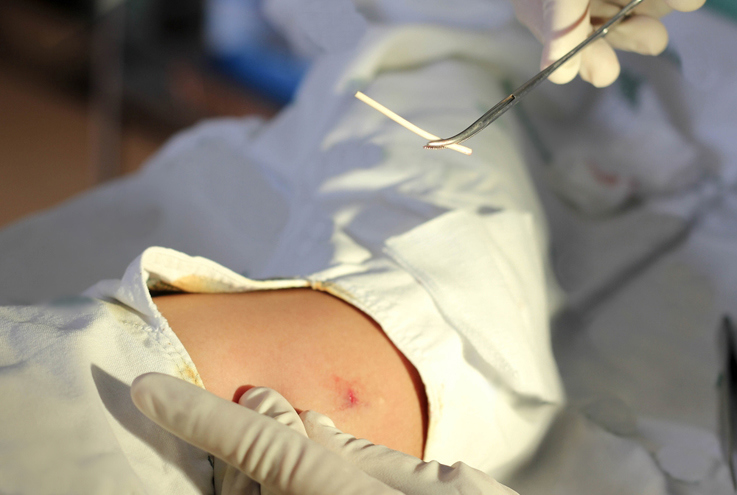
During removal, the provider gently pushes the implant toward the surface of the skin and pulls it out with forceps. Some patients report mild discomfort or a pinching sensation, but the area is numbed beforehand to minimize pain.
After removal, the incision site is cleaned and closed with a small bandage or steri-strip. Most women heal quickly, and the small scar usually fades within a few months.
It’s important to have the removal performed by a qualified healthcare professional, such as those at Second Spring Women’s Clinic, to avoid complications like implant breakage or incomplete removal. The clinic ensures a safe, smooth removal experience with attention to patient comfort.
Following removal, your fertility returns rapidly, and you can conceive if desired. If you want to continue contraception, you can opt for a new implant insertion during the same visit.
Benefits of the Birth Control Implant
The birth control implant offers numerous advantages that make it a popular choice for many women worldwide:
Highly Effective: With a failure rate of less than 1%, it is one of the most reliable contraceptive methods available, rivaling permanent options like tubal ligation but fully reversible.
Convenience: Once inserted, it requires no daily action or frequent doctor visits, making it perfect for women who want to avoid the hassle of pills or injections.
Long-Lasting: The implant provides protection for up to three years, offering extended peace of mind and freedom from frequent contraception management.
Safe for Breastfeeding: Unlike some hormonal methods, the implant does not negatively impact milk supply, making it an excellent option for new mothers.
Rapid Return to Fertility: Once removed, fertility typically returns quickly, allowing women to plan pregnancies on their own timeline.
Minimal Hormonal Side Effects: Because it delivers a low, steady dose of progestin, many women experience fewer mood swings and hormonal fluctuations compared to other hormonal contraceptives.
Discreet: The implant is hidden under the skin, offering a private form of contraception that no one can see.
Non-Estrogen Based: This makes it a suitable option for women who cannot or prefer not to take estrogen-containing birth control.
Choosing the birth control implant through a reputable facility like Second Spring Women’s Clinic ensures you receive expert guidance on how this method fits your lifestyle and health needs, alongside professional insertion and follow-up care.
Potential Side Effects and Risks
While the birth control implant is safe and well-tolerated by most women, like any medical procedure, it can come with some side effects and risks. It’s important to be aware of these so you can make an informed decision and know what to expect.
One of the most common side effects is irregular bleeding or spotting, especially during the first six months after insertion. Some women may experience lighter periods, while others might have heavier or more frequent spotting. Over time, many women find their periods become lighter or stop altogether, which is harmless but can take some adjustment.
Other possible side effects include mood changes, headaches, acne, breast tenderness, and weight fluctuations. These symptoms vary widely from person to person, and many women experience no significant issues at all.
Rarely, the implant can cause complications such as infection at the insertion site, pain, or swelling. There is also a very small risk of the implant moving from its original position, which is why proper insertion by a skilled provider like those at Second Spring Women’s Clinic is crucial.
Serious complications are extremely rare, but it’s vital to have a thorough medical consultation beforehand to rule out contraindications such as certain hormone-sensitive cancers or unexplained vaginal bleeding.
The clinic emphasizes open communication and encourages patients to report any concerns promptly, ensuring side effects are managed effectively and safely.
Comparing the Birth Control Implant to Other Contraceptives
When deciding on contraception, it’s helpful to understand how the birth control implant compares to other options.
Versus IUDs (Intrauterine Devices): Both the implant and hormonal IUDs are highly effective long-acting reversible contraceptives. The implant is placed under the skin of the arm, while IUDs are inserted into the uterus. IUDs last longer (3-10 years depending on type), but some women find implant insertion less invasive or more comfortable.
Versus Birth Control Pills: Pills require daily adherence and have a higher typical-use failure rate due to missed doses. The implant removes this concern with a one-time procedure lasting years.
Versus Injections: Birth control shots need to be repeated every 3 months, while the implant lasts much longer, reducing clinic visits.
Versus Barrier Methods: Condoms and diaphragms have higher failure rates and require use at each sexual encounter. The implant provides continuous protection regardless of timing.
Each method has pros and cons, but for women seeking long-term, low-maintenance, highly effective contraception without estrogen, the implant is often an excellent choice.
Safety Protocols and Pre-Insertion Assessments
Ensuring patient safety is paramount when considering the birth control implant. Before insertion, providers at Second Spring Women’s Clinic conduct comprehensive pre-insertion assessments, including:
Detailed medical history review to identify any contraindications.
Physical examination to confirm the suitability of the arm insertion site.
Screening for pregnancy or infections that could affect the procedure.
Counseling about what to expect, side effects, and how to care for the insertion site.
The clinic follows strict hygiene protocols, using fully sterilized tools and single-use applicators to minimize infection risks. The insertion room is prepared to the highest standards, and all procedures are performed by certified specialists experienced in contraceptive care.
By combining thorough assessments with expert technique, the clinic ensures a safe, smooth experience from start to finish.
Recovery and Aftercare
Recovery from birth control implant insertion is usually quick and uncomplicated. Most women experience only mild soreness or bruising around the insertion site, which typically resolves within a few days.
It’s important to keep the area clean and dry for the first 24-48 hours. Avoid heavy lifting or strenuous activities that involve the arm to reduce swelling and promote healing. A small adhesive bandage is usually worn for a day or two and then can be removed.
Patients are encouraged to monitor the insertion site for signs of infection such as redness, warmth, swelling, or unusual pain, and to contact the clinic immediately if these occur.
Follow-up visits at Second Spring Women’s Clinic provide opportunities to check the implant’s position, discuss any side effects, and answer questions. The clinic’s personalized aftercare helps ensure optimal comfort and satisfaction with the implant.
Conclusion
The birth control implant offers a highly effective, convenient, and reversible way to prevent pregnancy, making it an increasingly popular choice worldwide. With its long-lasting protection, minimal maintenance, and rapid return to fertility upon removal, it fits perfectly into the busy lives of women seeking reliable contraception without daily hassle.
Choosing the right contraceptive method is a personal decision, and it’s essential to have expert guidance to navigate the options safely. At Second Spring Women’s Clinic in Seoul, women receive comprehensive consultations, expert insertion and removal procedures, and ongoing support to ensure their contraceptive choice aligns with their health and lifestyle needs.
If you’re considering a birth control implant or want to learn more about whether it’s the right fit for you, Second Spring Women’s Clinic stands out as the best option. Their compassionate care, advanced technology, and experienced medical team provide peace of mind and exceptional results.
Empower yourself with knowledge and expert care—take the step toward confident, worry-free contraception with the birth control implant at Second Spring Women’s Clinic.